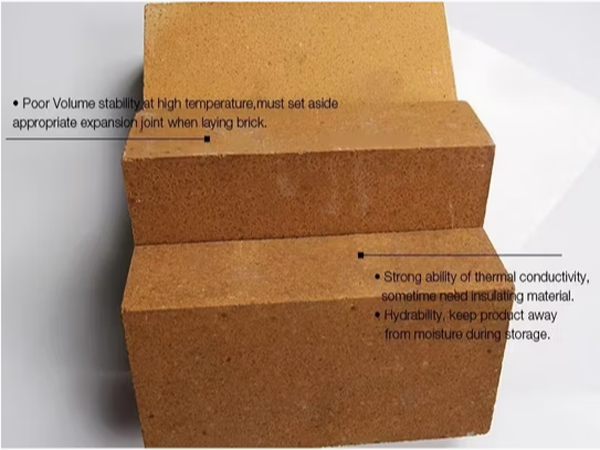
In cement production, the kiln is a core piece of equipment, operating in an extremely harsh environment, requiring long-term resistance to temperatures exceeding 1400℃, alkaline slag erosion, and material scouring. Magnesium bricks, as a high-quality alkaline refractory material, have become a core choice for cement kiln linings due to their excellent high-temperature resistance and erosion resistance. They are widely used in key equipment such as rotary kilns, directly impacting cement production efficiency, product quality, and equipment lifespan.
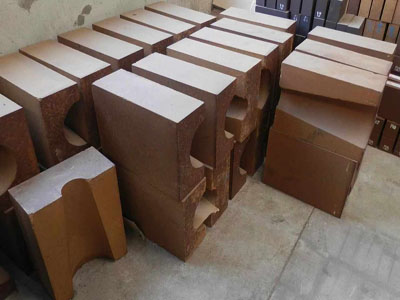
Magnesium bricks are primarily composed of magnesium oxide (MgO), typically ranging from 85% to 97%. Made from magnesite through high-temperature sintering or melting, they are dense and durable, with periclase as the main crystalline phase. Their refractoriness can reach over 2000℃, easily adapting to the high-temperature conditions of cement kilns. Their core advantage lies in their outstanding resistance to alkaline erosion; they do not chemically react with cement clinker, lime, or other alkaline substances, effectively resisting slag penetration. It possesses both good thermal conductivity and mechanical strength, reducing heat loss and withstanding the mechanical stress caused by kiln rotation, thus meeting the operational requirements of cement kilns.
In cement kilns, the application of magnesium bricks is mainly concentrated in key areas of the rotary kiln, with different types of magnesium bricks selected according to different operating conditions.
The firing zone is the area with the highest temperature (up to 1700℃) and the most severe erosion in the kiln, where clinker calcination occurs directly. High-temperature resistant and highly erosion-resistant fused magnesium bricks or directly bonded magnesia bricks are required. These magnesium bricks have high density and stable structure, effectively resisting the erosion of high-temperature molten slag and chemical corrosion, extending the service life of the lining.
The transition zone is a critical link where materials enter the firing zone from the preheating zone. Temperature fluctuations are large, requiring the magnesia to withstand thermal shock and alkaline volatile corrosion. Magnesium spinel bricks are often selected, as the combination of magnesium oxide and spinel significantly improves thermal shock resistance, preventing brick cracking and spalling due to sudden temperature changes. Simultaneously, erosion resistance is considered to ensure stable operation in the transition zone. In addition, magnesium bricks can also be used in the hot zone of the cooler to help regulate the heat recovery process and improve energy efficiency.
The rational selection and standardized use of magnesium bricks are key to ensuring the efficient operation of cement kilns. Selection should consider the temperature and erosion range of each zone of the kiln. For example, high-purity fused magnesium bricks are preferred in the firing zone, while magnesium spinel bricks are used in the transition zone. During installation, tight bonding must be ensured, and appropriate expansion joints should be provided to prevent damage from brick expansion at high temperatures. Regular inspections are necessary during use, and molten slag and impurities on the brick surface should be cleaned promptly to prevent the expansion of localized damage.
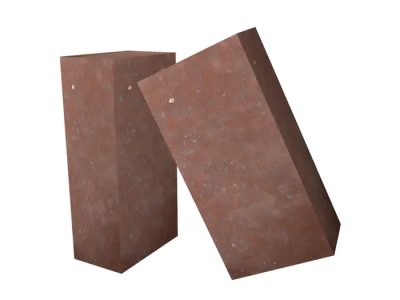
Although magnesium bricks have a higher initial cost, their long service life and low maintenance requirements reduce the frequency of kiln downtime for lining replacement, lowering long-term operating costs. Their good thermal conductivity also optimizes fuel consumption and improves production efficiency. As the cement industry develops towards larger and more efficient operations, the performance of magnesium bricks continues to be optimized, leading to the development of new products such as magnesium-iron spinel bricks, which further improve thermal shock resistance and kiln sludge adhesion, resulting in their increasingly widespread application in large precalciner kilns.
In summary, magnesium bricks, with their excellent high-temperature performance and resistance to alkali corrosion, have become an indispensable refractory material for cement kilns. Their application covers the core areas of the kiln, playing a crucial role in ensuring continuous and stable cement production, reducing energy consumption, and controlling costs. In the future, with the advancement of refractory material technology, they will play an even more important role in the cement industry.