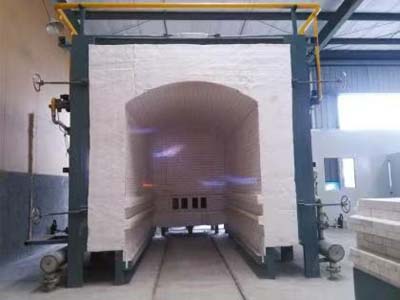
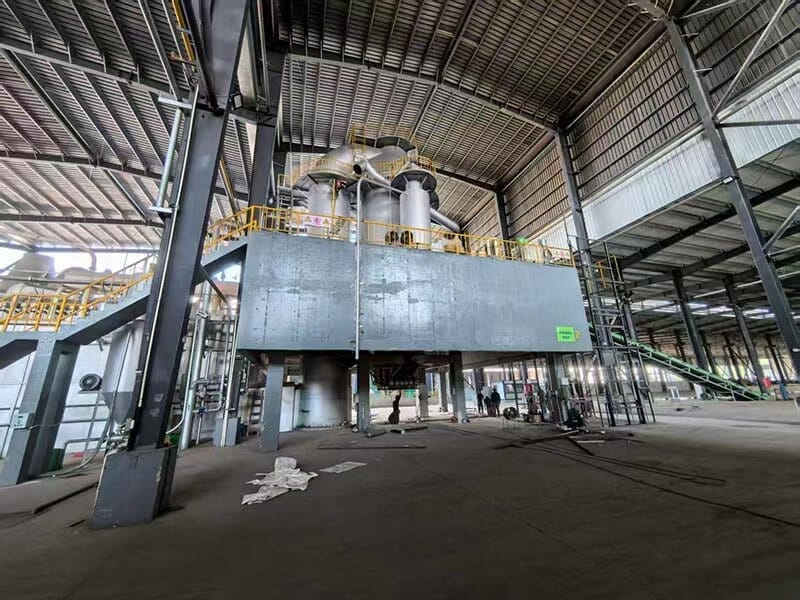
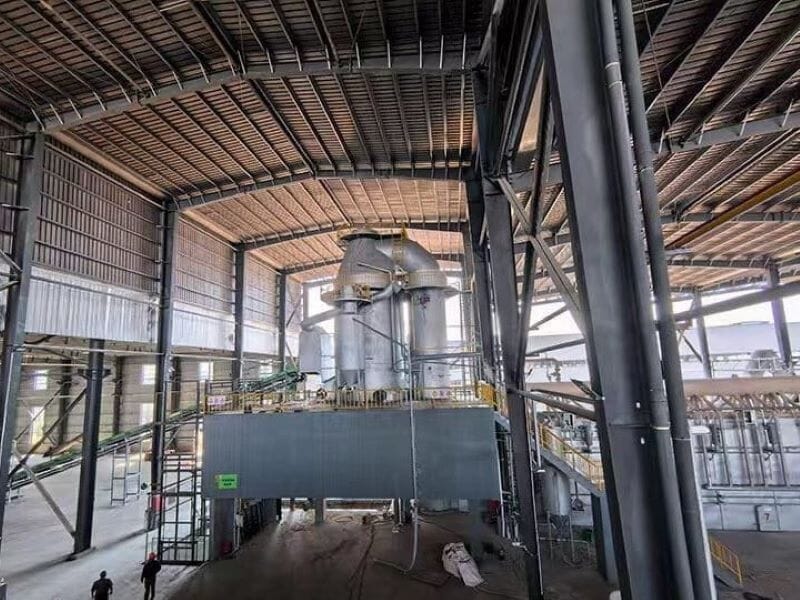
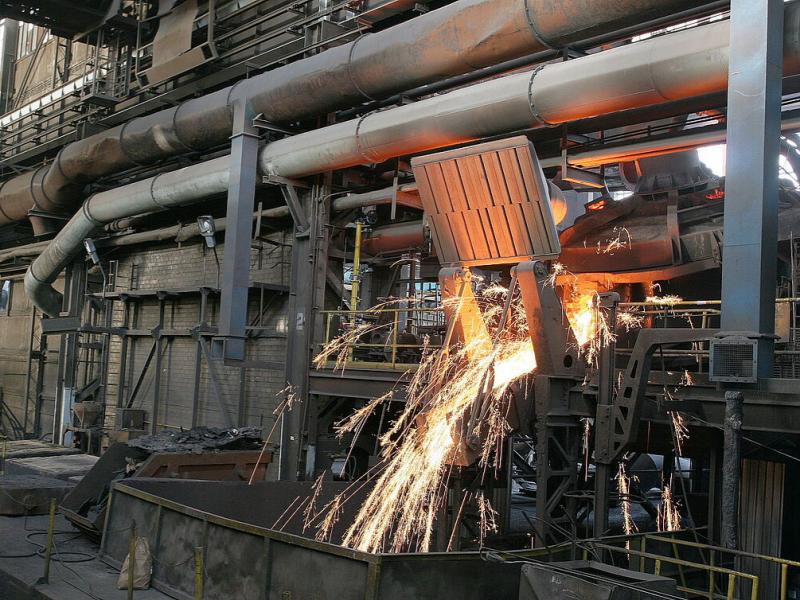
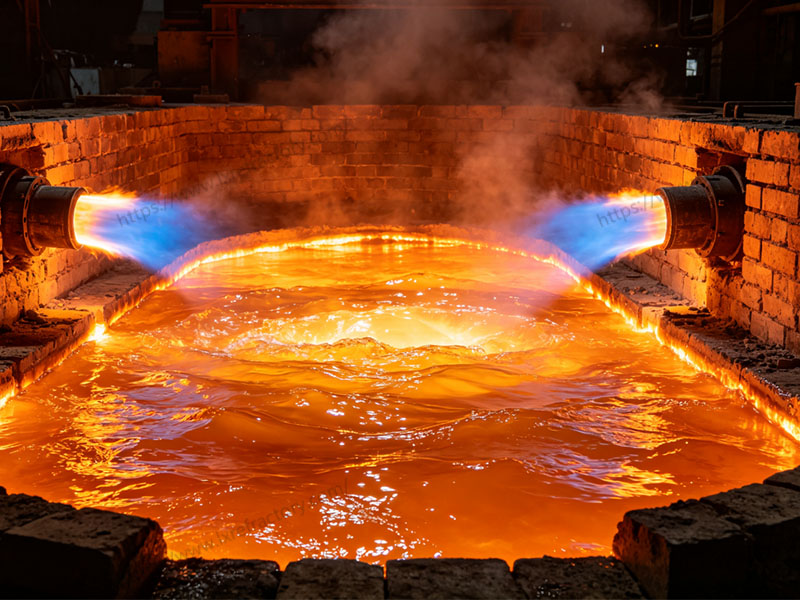
03 Nov Industry Kilns&Furnace What types of kilns are mainly used in the chemical industry? 03/11/2026 By lianxin The chemical industry uses a variety of kilns, primarily depending on the physical or chemical changes required for the materials at hi...Continue reading
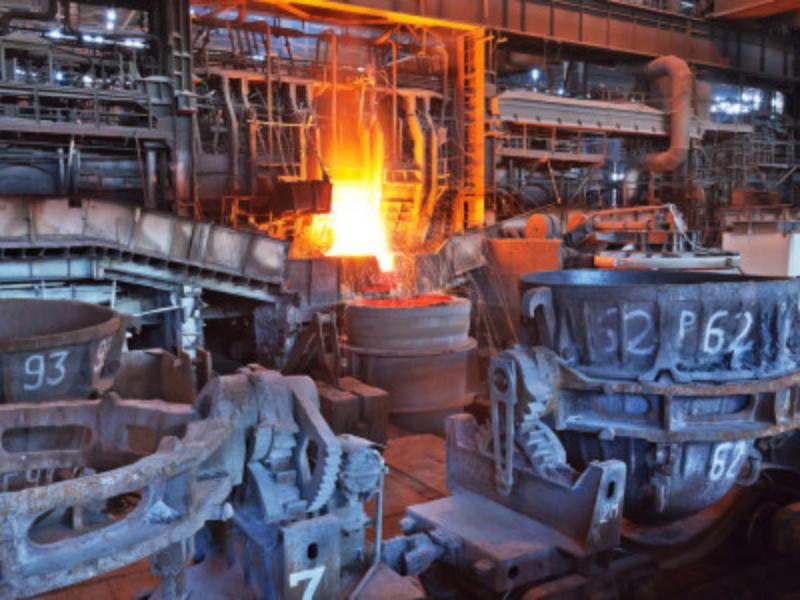
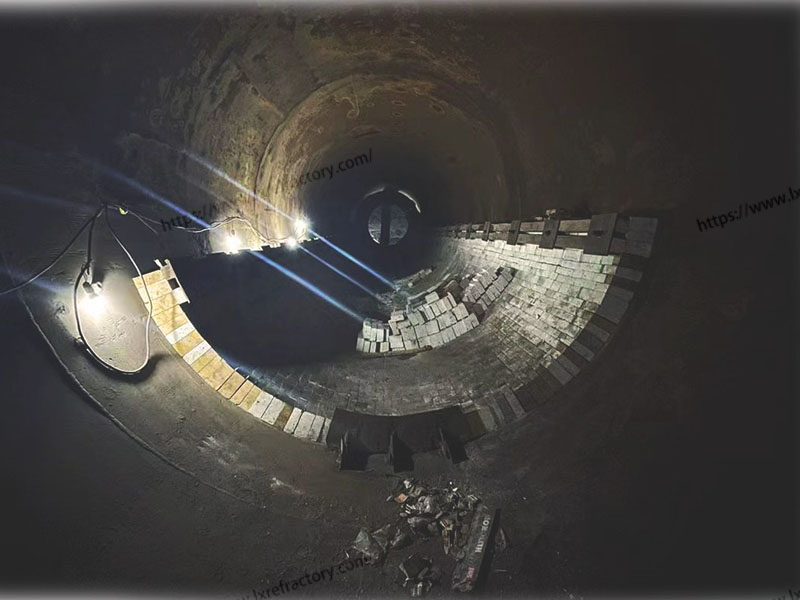
03 Nov Refractory Material Why Are Magnesia-Chrome Bricks Chosen for Lead Smelting Converters? 03/11/2026 By Du Working Conditions in Lead Smelting Converters Lead smelting converters operate under harsh conditions. Firstly, the furnace tempe...Continue reading
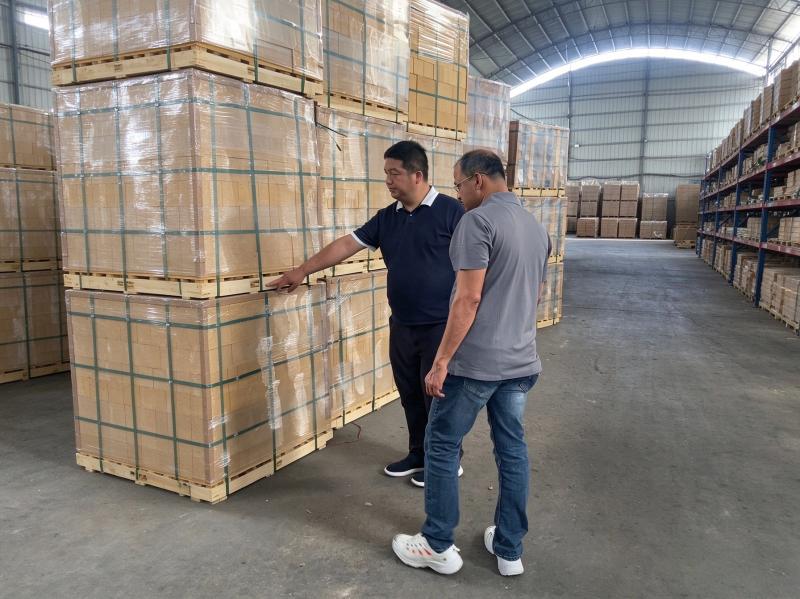
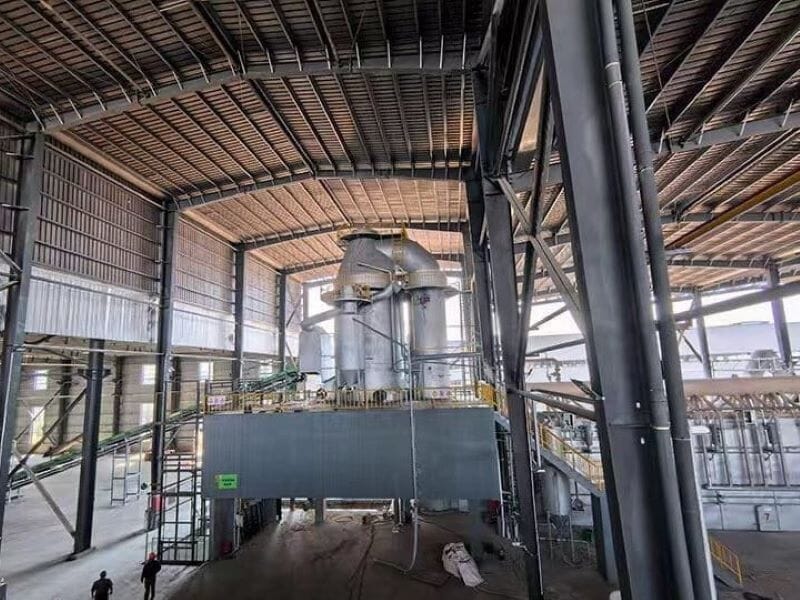
29 Oct Cases Bangladeshi customers visit Ruitai Lianxin 29/10/2026 By lianxin Recently, a group of customers from Bangladesh visited Ruitai Lianxin for a two-day site visit and technical exchange. This is another ...Continue reading
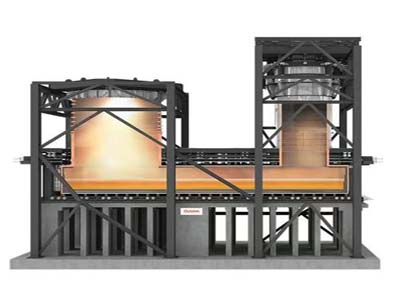
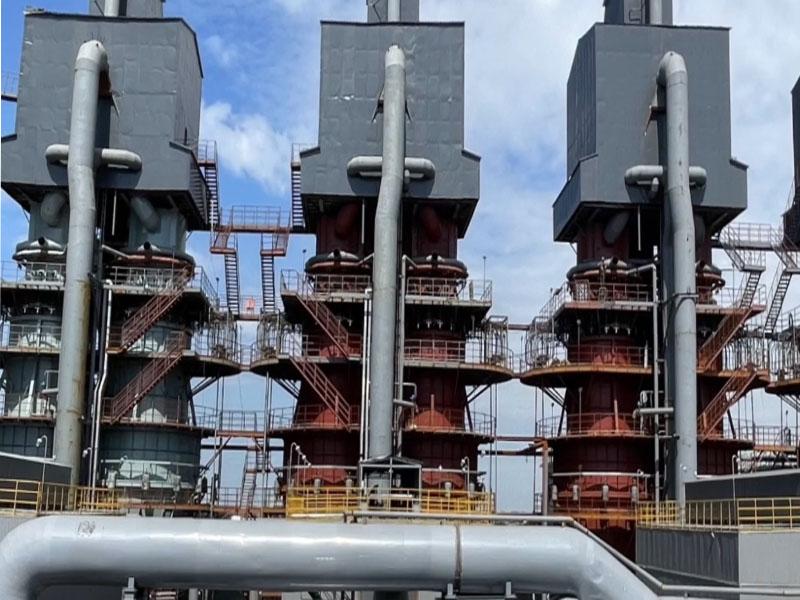
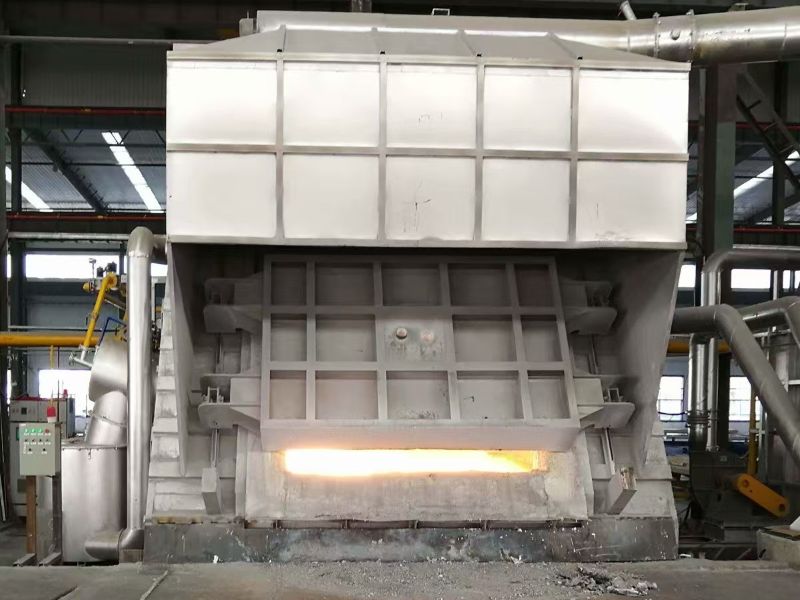
26 Oct Industry Kilns&Furnace Applications of Flash Furnaces 26/10/2026 By lianxin The core application of flash furnaces is the intensive smelting of powdered sulfide concentrates, primarily used in the matte smelting...Continue reading
22 Oct Refractory Material What refractory materials are used in different parts of a side-blown furnace? 22/10/2026 By lianxin The refractory materials used in different parts of a side-blown furnace vary significantly depending on the furnace type and smelting ...Continue reading
22 Oct Industry Kilns&Furnace Applications of Side-Blowing Furnaces 22/10/2026 By lianxin Side-blown furnaces are important metallurgical equipment. Their core purpose is to intensify the smelting and reduction of materials b...Continue reading
19 Oct Refractory Material What refractory materials are used in different parts of a reverberatory furnace? 19/10/2026 By lianxin The working environment of different parts of a reverberatory furnace varies significantly, and the selection of refractory materials m...Continue reading
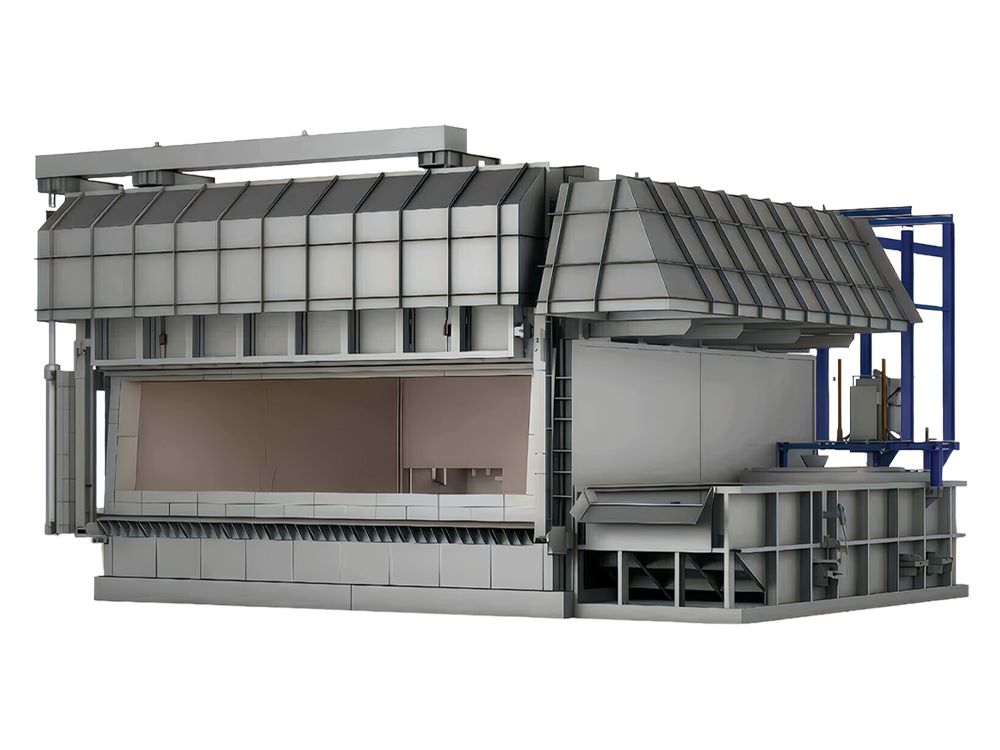
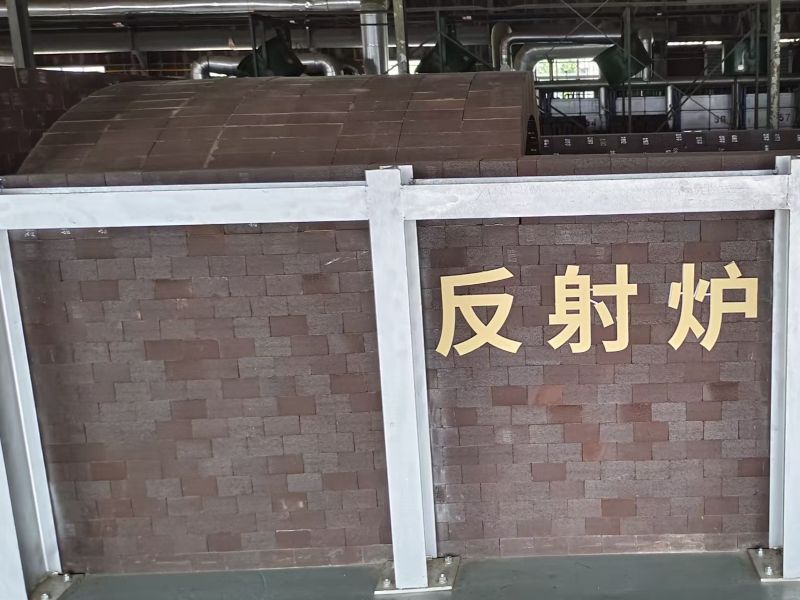
14 Oct Industry Kilns&Furnace Applications of Reverberatory Furnaces 14/10/2026 By lianxin A reverberatory furnace is a metallurgical furnace that heats materials using flames and radiant heat transfer from the furnace roof an...Continue reading
12 Oct Industry Kilns&Furnace What refractory materials are mainly used in different parts of a blast furnace? 12/10/2026 By lianxin The refractory material configuration of a blast furnace follows the principle of "material selection based on location." The operating...Continue reading
10 Oct Industry Kilns&Furnace Applications of Blast Furnaces 10/10/2026 By lianxin A blast furnace is a vertical smelting furnace primarily used for the roughing and smelting of non-ferrous and ferrous metals. Its core...Continue reading
30 Sep Industry Kilns&Furnace What types of kilns are used in the lime industry? 30/09/2026 By lianxin Kilns used in the lime industry are collectively referred to as lime kilns. Their core principle is to calcine limestone at high temper...Continue reading
28 Sep Industry Kilns&Furnace How to Solve Kiln Damage Problems 28/09/2026 By lianxin As a core piece of equipment in high-temperature industrial production, kiln damage not only affects production progress but can also p...Continue reading
22 Sep Industry Kilns&Furnace What problems frequently occur during kiln operation? 22/09/2026 By lianxin Kilns are subject to high temperatures, thermal stress, chemical corrosion, and mechanical wear during operation, resulting in a relati...Continue reading
20 Sep Industry Kilns&Furnace How Long is the Service Life of Refractory Bricks in Kilns? 20/09/2026 By lianxin There is no uniform standard for the service life of refractory bricks. It varies greatly depending on the type of kiln, working area, ...Continue reading
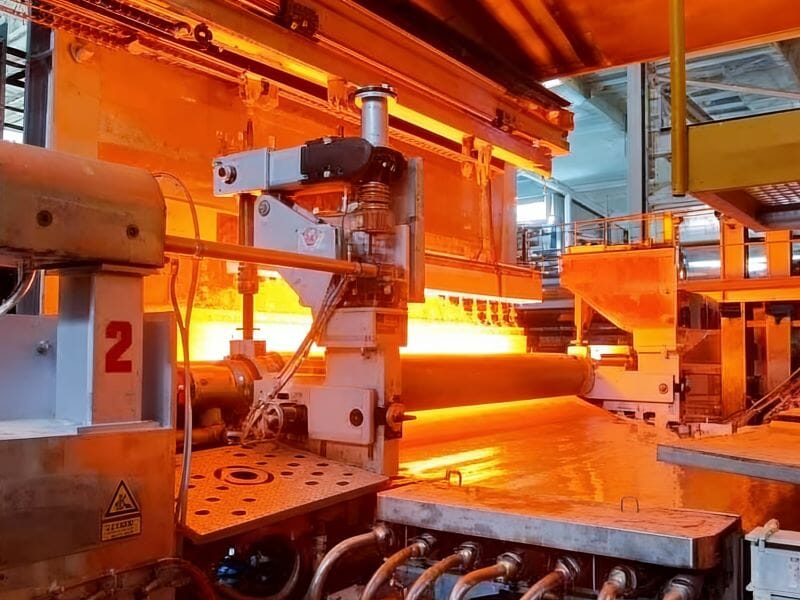
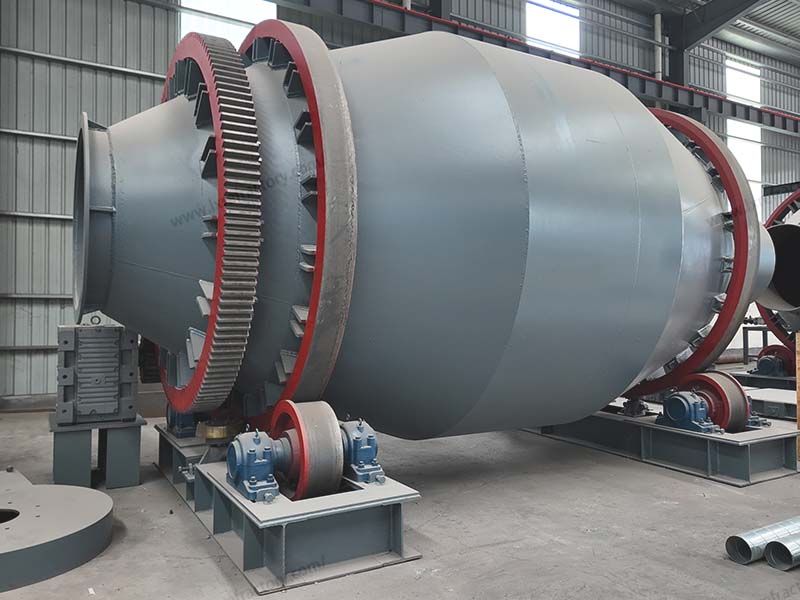
17 Sep Industry Kilns&Furnace What types of kilns are mainly used in the chemical industry? 17/09/2026 By lianxin The chemical industry uses a variety of kilns, all centered around high-temperature reaction processes such as calcination, roasting, g...Continue reading
14 Sep Industry Kilns&Furnace What types of kilns are mainly used in the cement industry? 14/09/2026 By lianxin The core thermal equipment in the cement industry is the rotary kiln, which is the "heart" of the entire cement production line. Curren...Continue reading
07 Sep Industry Kilns&Furnace What are the main types of kilns in the glass industry? 08/09/2026 By lianxin The glass industry employs a wide variety of kilns, which can typically be classified based on their structure, heat source, operationa...Continue reading
03 Sep Industry Kilns&Furnace What types of kilns are mainly used in the non-ferrous metal smelting industry? 03/09/2026 By lianxin The non-ferrous metal smelting industry uses a wide variety of kilns. Based on different process stages and smelting methods, they are ...Continue reading
02 Sep Industry Kilns&Furnace What are the main types of kilns in the metallurgical industry? 02/09/2026 By lianxin The metallurgical industry has a wide variety of kilns, which can be broadly classified into the following categories based on their he...Continue reading
28 Aug Refractory Brick Knowledge What are the characteristics of zirconia mullite bricks? 28/08/2026 By lianxin Zirconium mullite bricks are a special refractory material made by introducing zirconium oxide (ZrO₂) into traditional mullite bricks, ...Continue reading
26 Aug Refractory Brick Knowledge The difference between sintered zirconia-corundum bricks and fused zirconia-corundum bricks 26/08/2026 By lianxin Sintered zirconia-corundum bricks and fused zirconia-corundum bricks are two key refractory materials used in glass furnaces. Despite s...Continue reading
24 Aug Refractory Brick Knowledge What are the applications of sintered zirconia-corundum bricks in kilns? 24/08/2026 By lianxin Sintered zirconia-corundum bricks are an indispensable key refractory material in glass kilns. They are made by sintering high-purity a...Continue reading
24 Aug News, Refractory Material Calcium-Free Silica Bricks for Glass Furnaces 24/08/2026 By Du Is your glass furnace also made with calcium-free silica bricks? In the high-temperature production of the glass industry, calcium-f...Continue reading
21 Aug Refractory Brick Knowledge How to improve the performance of sintered zirconia-corundum bricks? 21/08/2026 By lianxin Improving the performance of sintered zirconia-corundum bricks hinges on systematic process optimization focusing on their microstructu...Continue reading
18 Aug Refractory Brick Knowledge What factors affect the performance of sintered zirconia-corundum bricks? 18/08/2026 By lianxin Sintered zirconia-corundum bricks are key refractory materials in high-temperature industries. Their core properties, such as high-temp...Continue reading
14 Aug Refractory Brick Knowledge What are the performance advantages of sintered zirconia-corundum bricks? 14/08/2026 By lianxin Sintered zirconia-corundum bricks, relying on a composite structure of corundum and zirconia, possess excellent comprehensive performan...Continue reading
11 Aug Refractory Brick Knowledge Characteristics of zirconium corundum bricks 11/08/2026 By lianxin Zirconium corundum bricks, also known as electrofused bricks, are abbreviated as AZS (derived from the first letters of the Al₂O₃-ZrO₂-...Continue reading
04 Aug Refractory Brick Knowledge Characteristics of zirconium bricks 04/08/2026 By lianxin Zirconium bricks are a special refractory material with zirconium oxide (ZrO₂) as its core component. Its performance advantages stem f...Continue reading
31 Jul Refractory Brick Knowledge What are the uses of corundum mullite bricks in kilns? 31/07/2026 By lianxin Corundum mullite bricks are high-performance refractory products with corundum (α-Al₂O₃) and mullite (3Al₂O₃·2SiO₂) as the main crystal...Continue reading
30 Jul Refractory Material Aluminum Bricks for Steelmaking Annealing Furnaces 30/07/2026 By Du Aluminum bricks are the core refractory material for steelmaking annealing furnaces. The furnace temperature is consistently between 80...Continue reading
28 Jul Refractory Brick Knowledge What industries are chrome corundum bricks mainly used in? 28/07/2026 By lianxin Chrome corundum bricks are high-performance refractory materials mainly composed of α-Al₂O₃ and Cr₂O₃ solid solutions. Due to their exc...Continue reading
21 Jul Refractory Brick Knowledge What are the applications of corundum bricks in the glass industry? 21/07/2026 By lianxin Corundum bricks (usually referring to fused cast corundum bricks and their main variety, zirconia corundum bricks) are key furnace-buil...Continue reading
17 Jul Refractory Brick Knowledge What are the uses of corundum bricks in the petrochemical industry? 17/07/2026 By lianxin Corundum bricks play a crucial role in the petrochemical industry, serving as an indispensable "steel armor" in various high-temperatur...Continue reading
16 Jul Refractory Brick Knowledge What are the uses of corundum bricks in the metallurgical industry? 16/07/2026 By lianxin Corundum bricks are an indispensable key basic material in the metallurgical industry. They are high-performance refractory products wi...Continue reading
15 Jul Refractory Brick Knowledge Corundum bricks are mainly used in which kilns? 15/07/2026 By lianxin Corundum bricks, due to their high alumina content (typically ≥90%), high temperature resistance (operating temperature up to 1700-1800...Continue reading
09 Jul Refractory Brick Knowledge What industries are corundum bricks mainly used in? 09/07/2026 By lianxin Corundum bricks are high-performance refractory materials with alumina (Al₂O₃) as the main crystalline phase. Due to their excellent hi...Continue reading
02 Jul Refractory Brick Knowledge Classification of corundum bricks 02/07/2026 By lianxin Corundum bricks refer to refractory products with an alumina (Al₂O₃) content greater than 90% and corundum (α-Al₂O₃) as the main crysta...Continue reading
30 Jun Refractory Brick Knowledge Characteristics of clay insulating bricks 30/06/2026 By lianxin Clay insulating bricks, also known as lightweight clay bricks, are a type of heat-insulating refractory product made primarily from ref...Continue reading
27 Jun Refractory Brick Knowledge Differences between clay refractory bricks and high-alumina bricks 27/06/2026 By lianxin Clay refractory bricks and high-alumina bricks are two commonly used refractory materials in industrial kilns. Their core difference li...Continue reading
25 Jun Refractory Brick Knowledge Applications of lightweight clay insulating bricks 25/06/2026 By lianxin Lightweight clay insulating bricks, as the name suggests, are functional refractory materials that combine lightweight, heat insulation...Continue reading
18 Jun Refractory Brick Knowledge What precautions should be taken when using clay refractory bricks in kilns? 18/06/2026 By lianxin Clay refractory bricks are common refractory materials in kilns, but their inherent weaknesses require careful attention during use. ...Continue reading
16 Jun Refractory Brick Knowledge Characteristics of clay refractory bricks 16/06/2026 By lianxin Clay refractory bricks are conventional refractory materials made primarily from refractory clay, soft clay, and clinker. The alumina c...Continue reading
16 Jun Unshaped Refractory Materials What Is Refractory Cement? 16/06/2026 By Du In high-temperature industrial systems such as iron and steel smelting, building material calcination, non-ferrous metal processing, an...Continue reading
15 Jun Refractory Brick Knowledge Applications of fire clay bricks in glass furnaces 15/06/2026 By lianxin Fire clay bricks are weakly acidic refractory materials made from refractory clay and calcined bauxite. With an alumina content of 30%–...Continue reading
11 Jun Refractory Brick Knowledge Applications of clay bricks in coke ovens 11/06/2026 By lianxin Clay bricks (refractory clay bricks) play an irreplaceable role in coke ovens. Although their performance indicators (such as softening...Continue reading
08 Jun Refractory Brick Knowledge Application of clay fire bricks in hot blast stove 08/06/2026 By lianxin Clay fire bricks are a key refractory material for constructing blast furnace hot blast stoves. Although some areas have been replaced ...Continue reading
04 Jun Refractory Brick Knowledge What industries primarily use refractory clay bricks? 04/06/2026 By lianxin Refractory clay bricks are high-temperature materials made from clay clinker as aggregate and refractory clay as binder. Their alumina ...Continue reading
03 Jun Refractory Brick Knowledge Clay refractory bricks are mainly used in which kilns? 03/06/2026 By lianxin Clay refractory bricks are the most widely used aluminosilicate refractory materials in industrial kilns. Their Al₂O₃ content is typica...Continue reading
29 May Refractory Brick Knowledge What issues should be considered when using magnesia chrome bricks in kilns? 29/05/2026 By lianxin Magnesia chrome bricks have the advantages of high refractoriness and strong resistance to alkaline slag erosion, and were once a key m...Continue reading
28 May Refractory Brick Knowledge What factors determine the price of magnesia chrome bricks? 28/05/2026 By lianxin The price of magnesia chrome bricks is not fixed but is the result of multiple factors, including raw materials, processing technology,...Continue reading