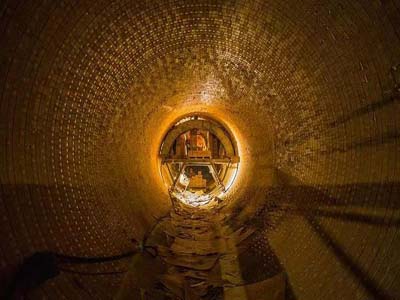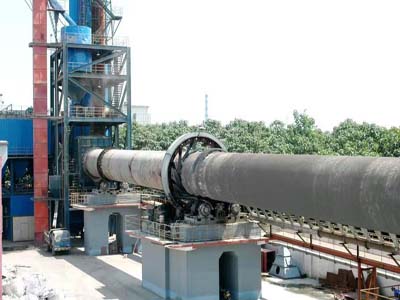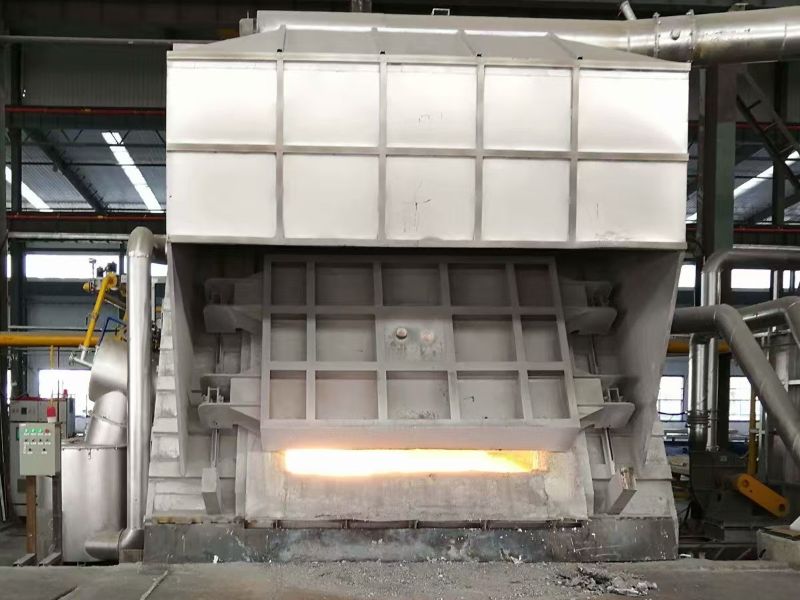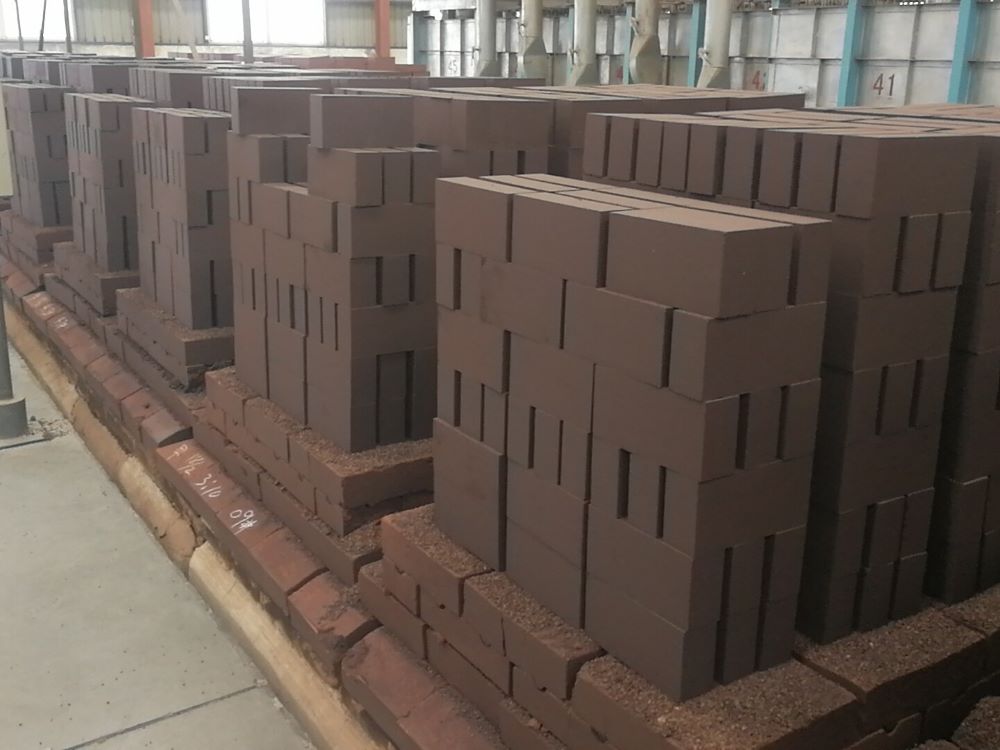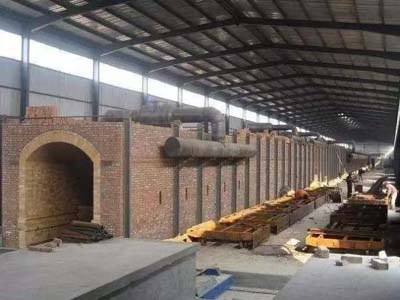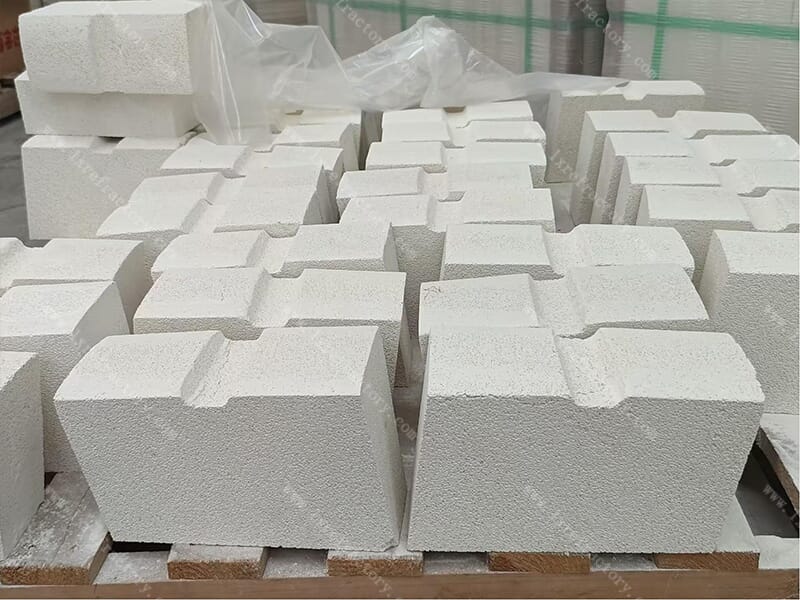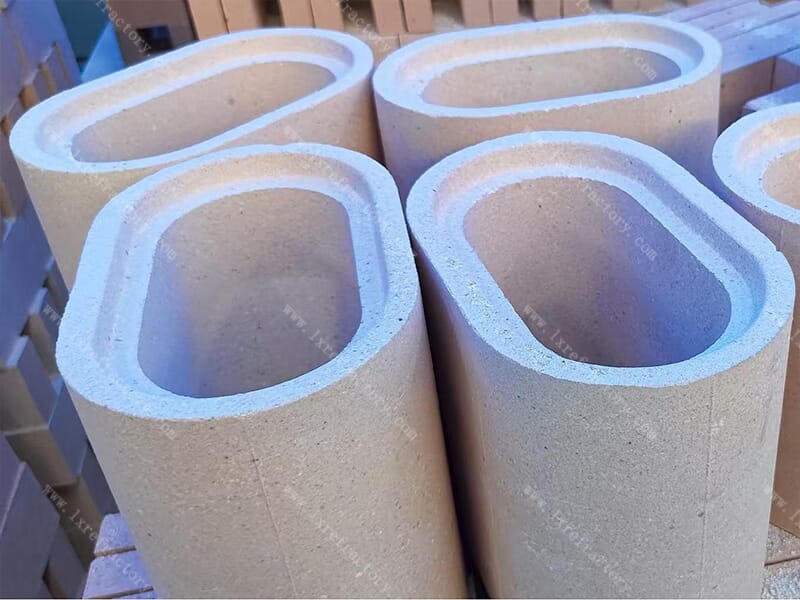
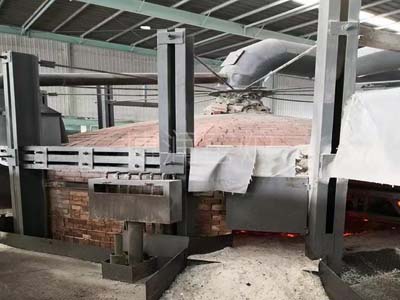
Glass kilns are core equipment in glass production, operating in extremely harsh environments. They are constantly exposed to high temperatures of 1400-1650℃, enduring the strong corrosive effects of molten glass, alkaline fumes, and fluorides, while also coping with thermal shocks from temperature fluctuations. As the core material of the kiln lining, the selection of furnace bricks directly determines the kiln’s service life, production efficiency, glass product quality, and operational safety. Therefore, the scientific selection of furnace bricks for glass kilns is crucial. Based on the operating characteristics of glass kilns, the material properties of furnace bricks, and industry experience, this paper elaborates on the selection method from four aspects: core principles, key selection factors, component-specific adaptation strategies, and practical precautions, providing a reference for industry practitioners.
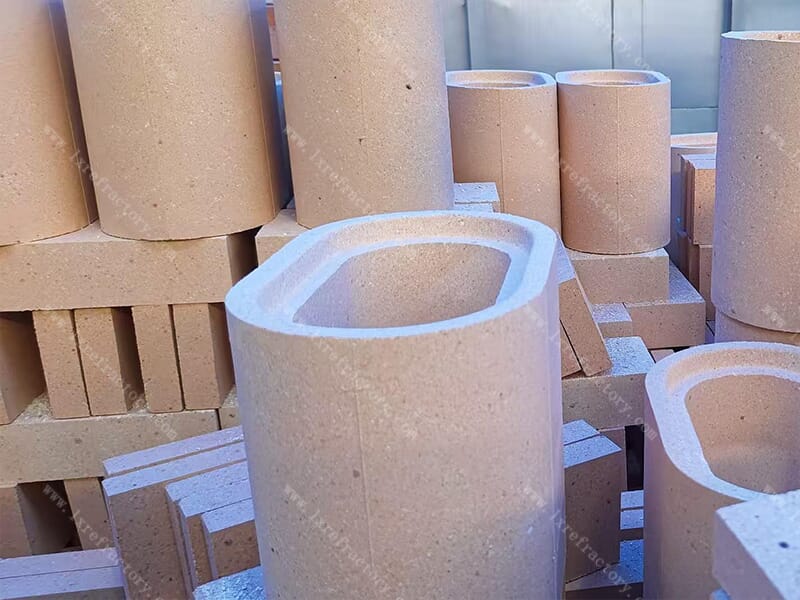
The selection of furnace bricks for glass kilns must adhere to the core principles of “adaptability to operating conditions, performance matching, cost control, and ease of construction.” This is the fundamental premise of selection.
1. Operating Condition Adaptation
Operating condition adaptation is crucial. It’s essential to first clearly define the kiln’s operating temperature, thermal regime, type of erosion media, and stress/wear conditions, avoiding the pitfalls of solely focusing on material quality or price. Performance matching requires that the refractory bricks‘ core properties, such as high-temperature resistance, erosion resistance, and thermal shock resistance, precisely correspond to the kiln’s operating conditions, while also considering the functional requirements of different parts. Cost control necessitates balancing initial procurement costs, construction costs, service life, and maintenance costs, aiming for the lowest overall cost. This avoids both the waste caused by blindly choosing high-end materials and the frequent kiln repairs resulting from using low-standard materials. Convenient construction requires considering the compatibility of the furnace bricks’ specifications and shapes with different parts of the kiln, reducing the need for custom-made irregular bricks and improving construction efficiency and overall integrity.
2. Clarifying Core Selection Factors
Clarifying core selection factors is key to accurate brick selection, primarily including three dimensions: operating condition parameters, material properties, and glass quality requirements.
Among operating condition parameters, temperature is the primary indicator, as temperatures vary significantly between different parts of the kiln. For molten pools and flow channels where temperatures can exceed 1600℃, and regenerator temperatures between 1200-1400℃, materials with suitable refractoriness and softening temperature under load must be selected based on the actual temperature to prevent softening and deformation of the bricks at high temperatures.
Regarding media erosion, glass furnaces contain alkaline flue gas (containing K₂O/Na₂O), fluorides, and molten glass. Therefore, furnace bricks with strong resistance to alkali, fluoride, and glass melt penetration should be prioritized, while also preventing impurities in the bricks from contaminating the molten glass. Furthermore, fuel type also affects selection; for example, heavy oil and petroleum coke fuels contain impurities such as vanadium and sulfur, requiring the selection of specialized materials resistant to vanadium corrosion.
3. Material Properties
Material properties are the core basis for selection. Commonly used furnace brick materials in glass furnaces are mainly divided into four categories, and appropriate selection must be made based on their performance differences.
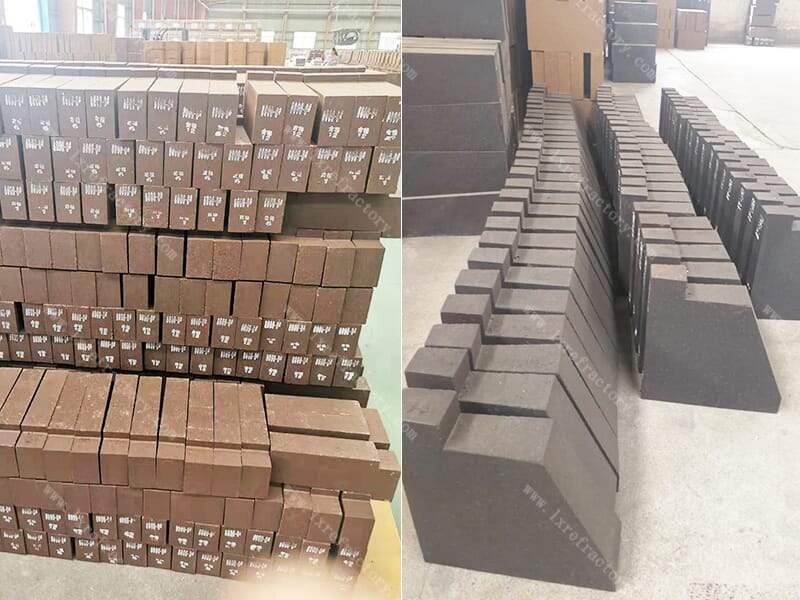
First, there are zirconium materials, represented by fused zirconia-corundum bricks (AZS). These are high in purity and density, exhibiting extremely strong resistance to glass melt erosion and penetration, and do not contaminate the glass melt. They are available in three grades based on zirconium content: 33%, 36%, and 41%. These are primarily used in areas directly in contact with the glass melt and most severely eroded, such as the walls of the molten pool and flow channels. Zirconia-corundum bricks with 41% zirconium content are suitable for areas with intense erosion, such as corners of the pool walls.
Second, there are alumina-silicate systems, including high-alumina bricks and clay bricks. High-alumina bricks have an Al₂O₃ content ≥46%, offering good high-temperature resistance and corrosion resistance, making them suitable for regenerators and furnace walls. Clay bricks are lower in cost and have good thermal stability, used in non-critical areas of the kiln, such as flues and the lower part of the regenerator.
Third, there are magnesia materials, such as magnesia bricks and magnesia-alumina spinel bricks. These have extremely strong alkali resistance and are suitable for the upper part of the regenerator and the lattice structure, areas subjected to alkaline flue gas erosion. Magnesium-alumina spinel bricks offer a good balance of alkali resistance and heat exchange efficiency.
Fourthly, siliceous materials are used. Silica bricks with a SiO₂ content ≥94% exhibit high temperature resistance and good structural stability, making them suitable for furnace roofs and breast walls. However, their thermal shock resistance is poor, requiring strict control of the kiln heating rate.
4. Precise Selection for Different Parts
Different parts of a glass furnace experience significantly different operating conditions; precise selection for each part is crucial for extending the furnace’s lifespan.
The molten pool and flow channels are the core areas of the furnace, directly contacting molten glass and experiencing the most severe erosion and scouring. Fused zirconia-corundum bricks and fused alumina bricks are preferred to ensure impermeability and erosion resistance. Zirconia bricks can be used for flow channels, suitable for high-temperature conditions above 1600℃.
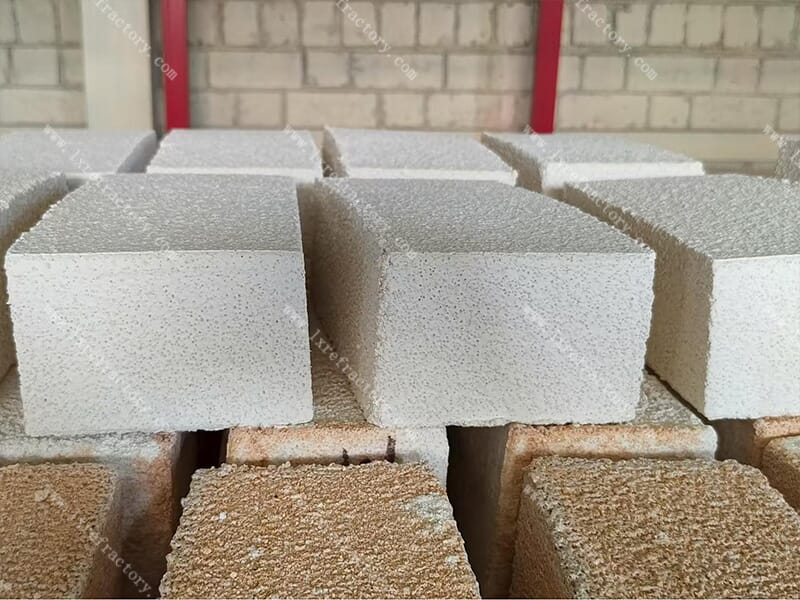
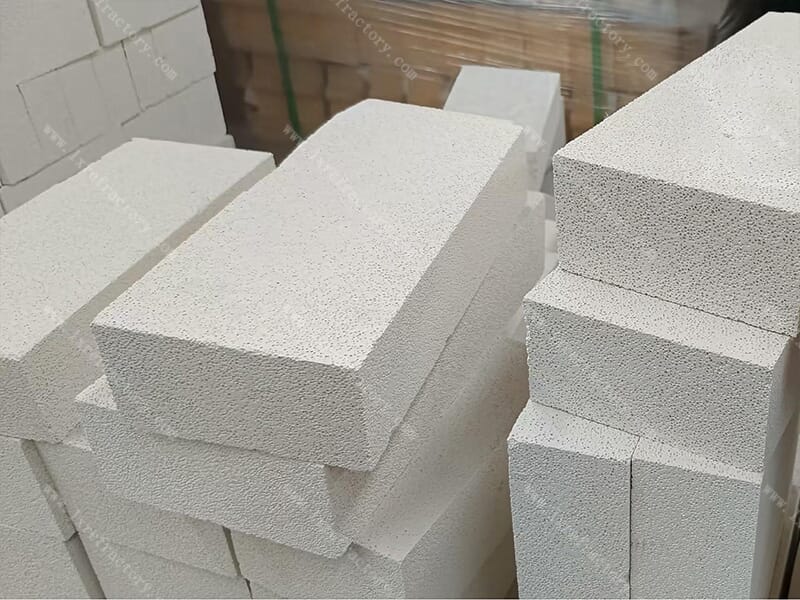
The furnace roof and walls are subjected to high-temperature radiation and alkaline flue gas erosion. High-purity silica bricks or corundum bricks are used for the furnace roof to ensure structural stability. The furnace walls are constructed using high-alumina bricks (Al₂O₃ ≥ 80%), while lightweight insulating bricks can be used on non-working surfaces to reduce heat loss.
Irregularly shaped areas such as furnace doors and observation holes are constructed using irregularly shaped corundum bricks to ensure sealing performance.
The regenerator is divided into upper, middle, and lower sections. The upper section, with its high temperature and strong alkaline corrosion, uses magnesia-alumina spinel bricks and electrofused magnesia-chrome bricks. The middle section uses magnesia-alumina spinel bricks, balancing alkali resistance and thermal shock resistance. The lower section, with its lower temperature, uses low-porosity clay bricks, emphasizing thermal shock resistance and cost control.
The tin bath bottom bricks need to resist molten tin penetration and zinc vapor corrosion; high-alumina bottom bricks are selected, with strict control over nepheline embrittlement tendency and hydrogen diffusion.
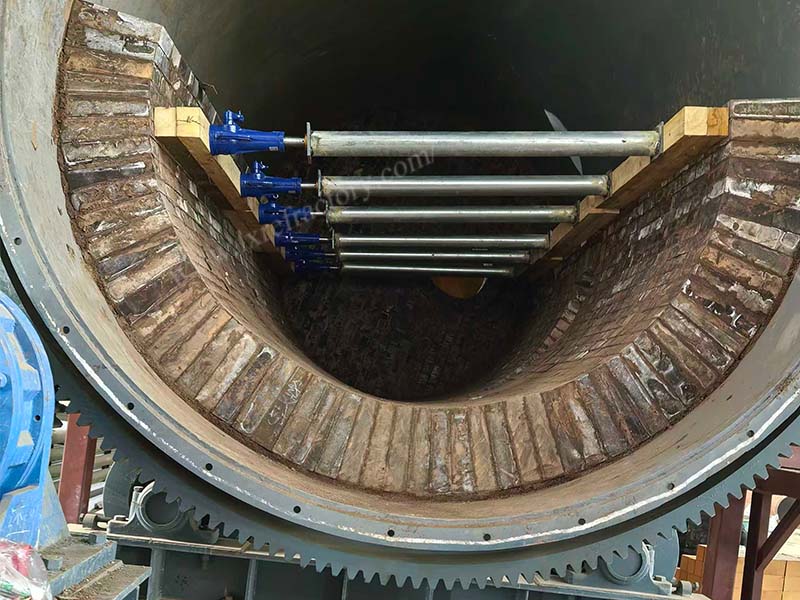
Attention to detail during practical operation is a crucial supplement to ensuring the effectiveness of furnace brick selection. First, prioritize the quality testing of refractory bricks, selecting refractory bricks suppliers with complete qualifications and a good reputation. Test the bricks’ chemical composition, density, apparent porosity, and other indicators to ensure compliance with industry standards and avoid using products with excessive impurities that could contaminate the molten glass. Second, ensure proper matching of the refractory mortar. The refractory mortar’s acidity/alkalinity, refractoriness, and coefficient of thermal expansion must be completely consistent with the furnace bricks. It is recommended to purchase from the same supplier and strictly prohibit mixing to ensure the integrity of the masonry and prevent brick detachment. Third, consider the convenience of construction and maintenance. Use standardized fired refractory bricks for regular areas and prioritize refractory castables or precast components for irregularly shaped areas. Before the kiln is put into operation, it must be baked according to requirements, especially for silica bricks and fused bricks, strictly following the kiln baking curve to avoid cracking caused by sudden temperature increases. During operation and maintenance, regularly inspect vulnerable parts and replace any damaged parts promptly.
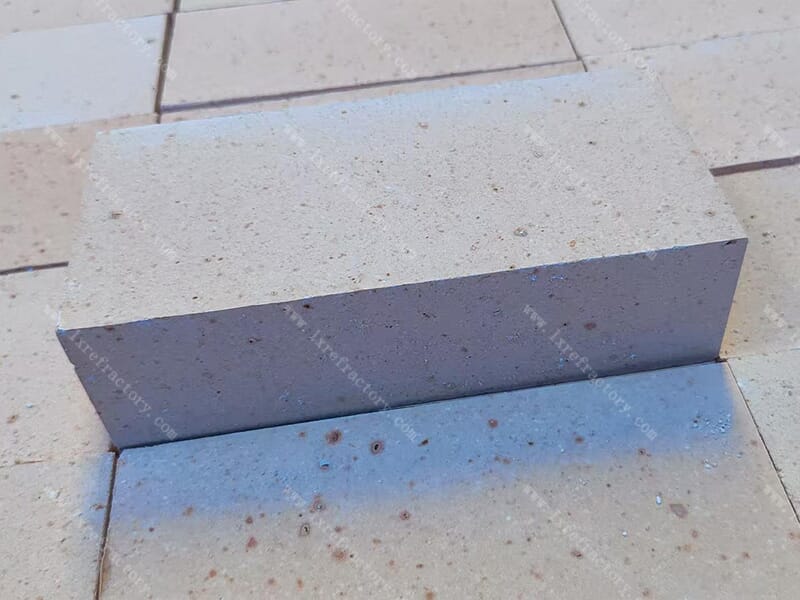
In summary, the selection of furnace bricks for glass kilns should be based on the kiln’s operating conditions, follow core selection principles, combine material properties and functional requirements of different parts, and balance cost and practicality to achieve “precise matching and scientific selection.” As the glass industry transforms towards low-carbon and intelligent manufacturing, chromium-free, environmentally friendly, high-purity, and high-efficiency refractory bricks are gradually becoming mainstream. Green and environmentally friendly requirements must also be considered when selecting these bricks. Only by taking a comprehensive approach can we maximize the service life of the kiln, reduce production costs, ensure the stable and efficient operation of glass production, and enhance product quality competitiveness.