What Is Magnesia Chrome Brick
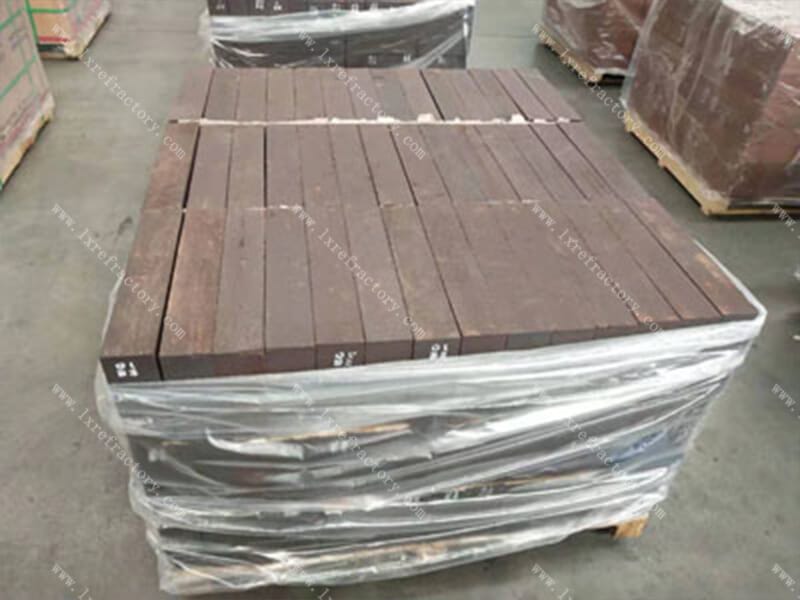
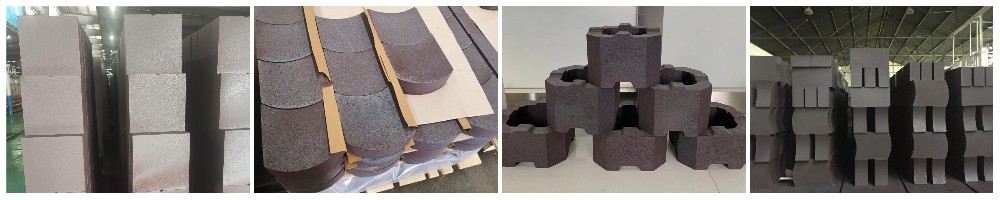
Magnesia chrome refractory bricks are made from high purity magnesia and chrome with periclase and spinel as main mineral components of refractory products. Common magnesite chrome fire brick is made by sintered magnesia and refractory level chrome ore as raw materials, in which purity of magnesia raw material must be high as possible. The bricks are molded at high pressure and fixed in high temperatures.
Types of Magnesia Chrome Refractory Bricks
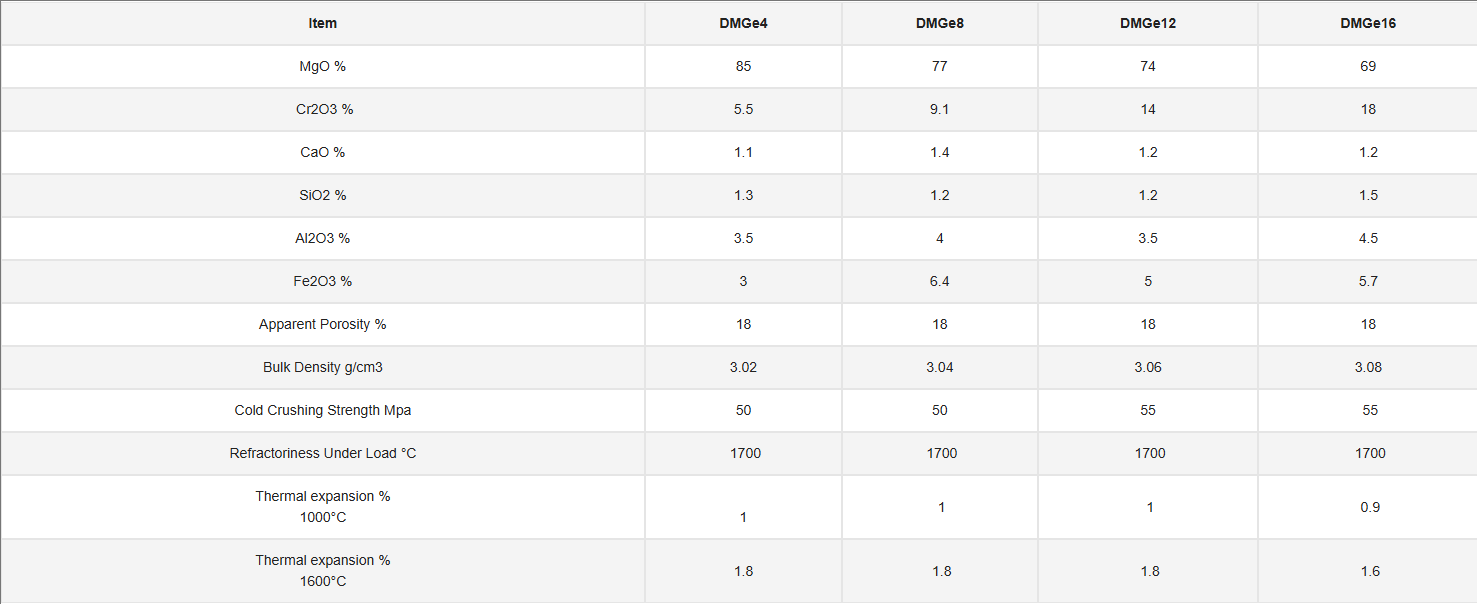
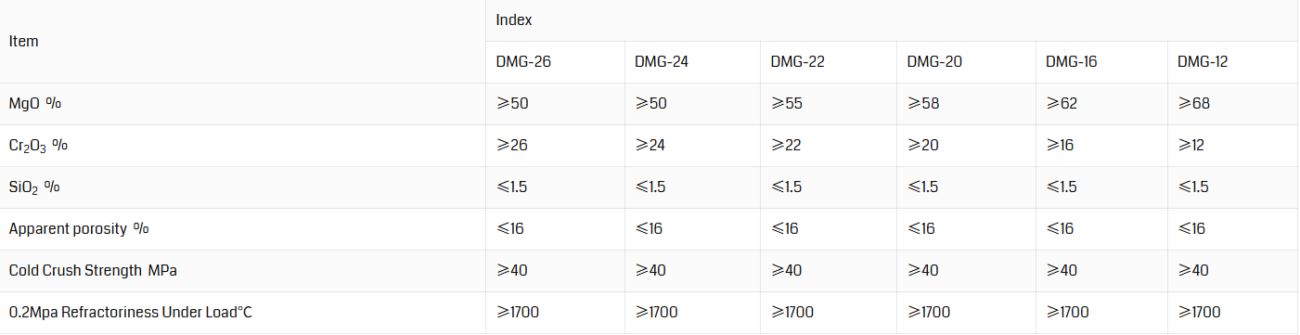
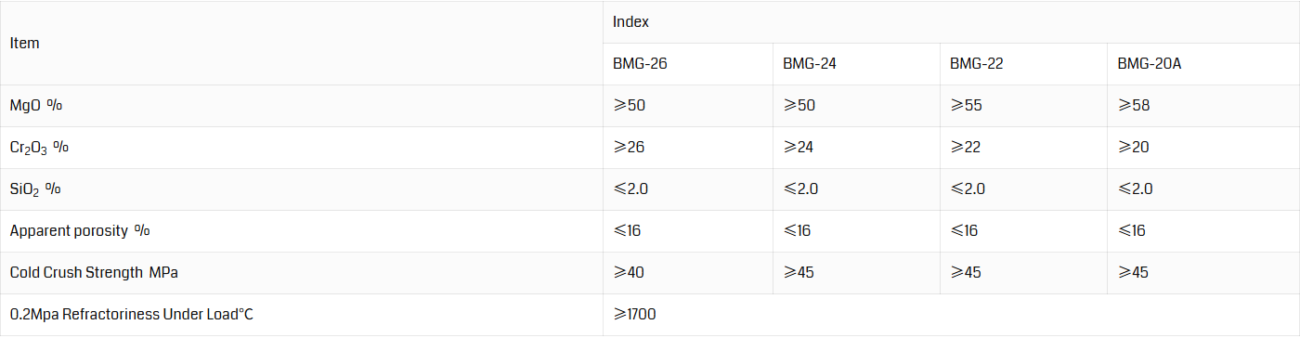
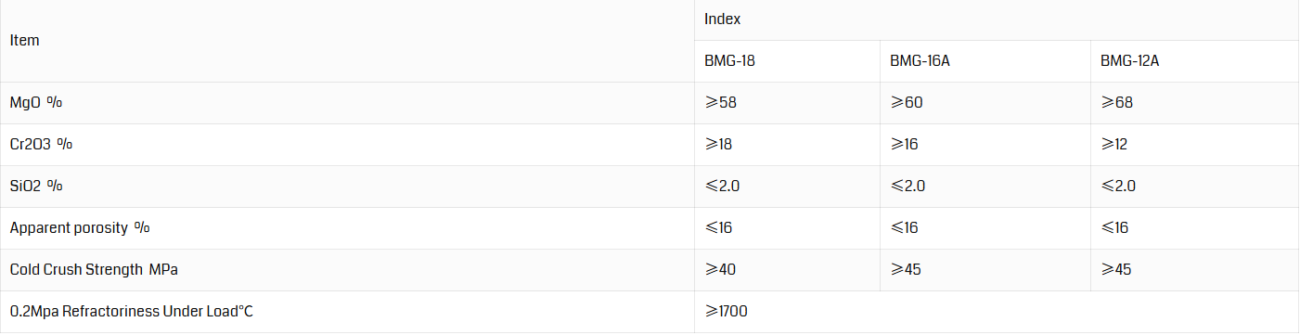
High-purity magnesia sand + chromium concentrate, fired at temperatures above 1700℃; periclase and spinel grains are directly bonded, with the silicate phase distributed in an isolated manner. Excellent high-temperature strength, slag resistance, and impermeability; a mainstream product in non-ferrous smelting, AOD, VOD, and ladle slag lines.
All aggregates are electrofused magnesia-chrome sand, then re-formed and fired; high density, extremely strong resistance to slag erosion and impermeability, suitable for areas with severe slag corrosion; moderate thermal shock resistance.
Aggregates are a blend of electrofused magnesia-chrome sand + sintered magnesia sand/chromium ore/pre-reacted magnesia-chrome sand; performance falls between direct and rebonded bricks, balancing slag resistance and thermal shock resistance, offering high cost-effectiveness.
Advantages of Magnesia Chrome Fire Brick
High-temperature resistance
Magnesia chrome refractory bricks are capable of withstanding high temperatures. They can withstand temperatures up to 1800°C (3272°F) or higher, depending on the specific composition and manufacturing process.
Thermal shock resistance
Magnesia chrome bricks have good thermal shock resistance, allowing them to withstand rapid temperature changes without cracking or spalling. This property is important in applications where thermal cycling occurs.
High mechanical strength
Magnesia chrome bricks possess high mechanical strength, enabling them to withstand mechanical stress and loads in high-temperature environments. They have good resistance to deformation and can support heavy loads.
Corrosion resistance
Magnesia chrome fire bricks have excellent resistance to alkaline slags and basic environments. They are commonly used in applications where they come into contact with molten metals, such as steelmaking, non-ferrous metal smelting, and refining processes.
Erosion resistance
Magnesia chrome refractory fire bricks exhibit good erosion resistance against abrasive materials and high-velocity gas flows. They can withstand the erosive forces encountered in various industrial processes.
Application versatility
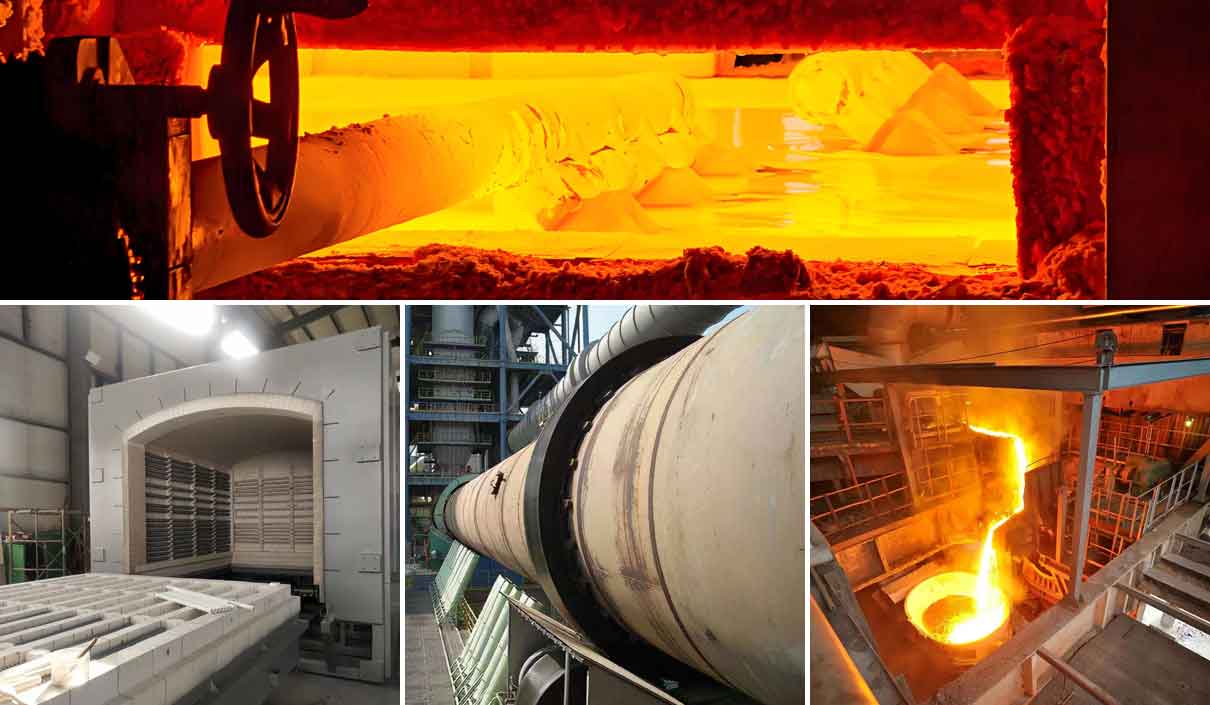
Magnesia chrome bricks find applications in a wide range of industries, including steelmaking, cement, non-ferrous metals, glass, and petrochemicals. They are used in furnaces, kilns, ladles, converters, and other high-temperature equipment where resistance to corrosion and erosion is critical.
Applications of Magnesia Chrome Bricks
Magnesite chrome bricks are widely used in high-temperature equipment in the metallurgical industry, such as steel converters, electric furnaces, and smelting furnaces. They can be used in areas such as linings, furnace floors, furnace walls and furnace roofs to provide refractory protection and withstand erosion and wear under high temperature conditions.
In the oil refining and chemical industry, magnesia chromium bricks are often used in high-temperature equipment such as catalytic cracking units, hydrogenation units, reforming units and furnaces. They withstand high temperatures, corrosive gases and chemicals and provide reliable fire protection.
Glass furnaces are the core equipment in the glass industry, which are required to withstand extremely high temperatures and chemical erosion. Magnesia chrome fire bricks are widely used in the inner lining, cooling zone and melting area of glass furnaces to maintain stable refractory performance and long service life.
In the power industry, magnesia chrome refractory bricks are often used in high-temperature equipment such as boilers, burners, chimneys and hot blast stoves. They can withstand high temperature and flue gas erosion, and provide effective fire protection to ensure the normal operation and safety performance of equipment.
In addition, magnesia chrome refractory fire bricks are also widely used in cement kilns, ceramic kilns, welding furnaces, carbonization furnaces, aluminum electrolytic cells and other fields. Its excellent fire resistance and corrosion resistance make it an important high temperature refractory material.
Why Choose Us

Our factory
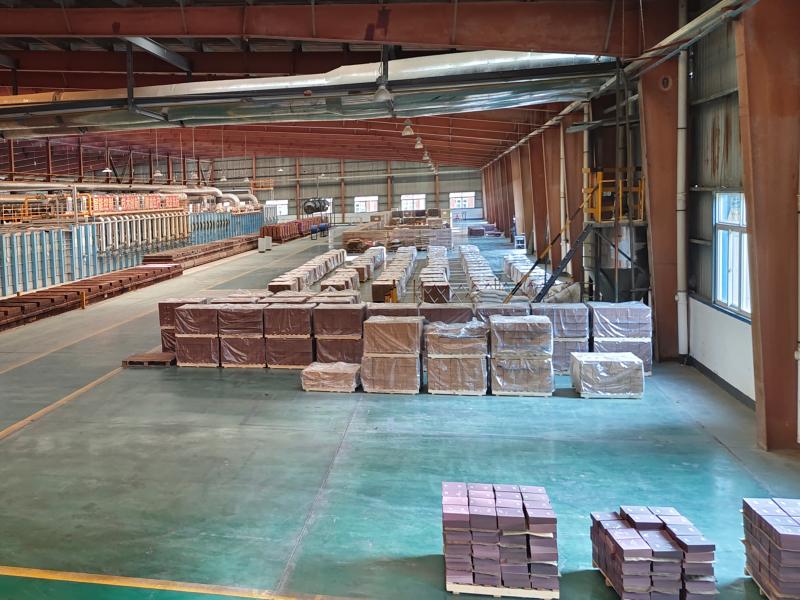
Factory established in 2011, factory with 10000 m2 area, 100 employees including 20 professional engineers.
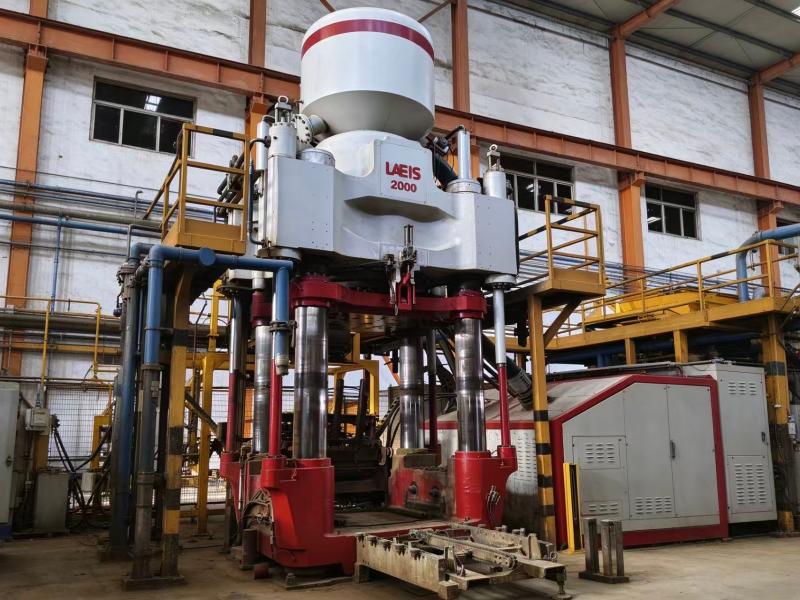
Advanced equipment
1 set of 1000 tons brick machine, 6 sets of 630 tons brick machine, 2 sets of 180m high temperature tunnel kilns, complete set of physical and chemical index testing equipment.
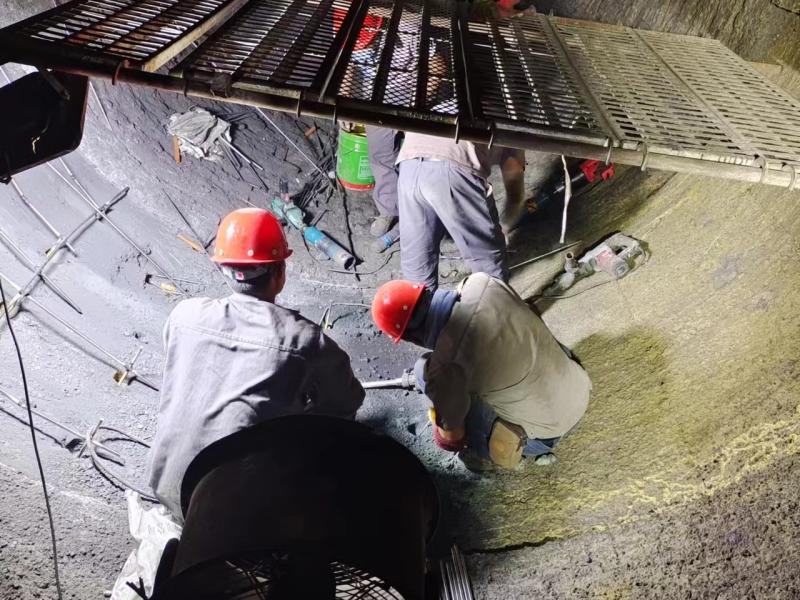
Our service
Ruitai Lianxin provides technical support in areas such as refractory material product selection, installation drawings, refractory masonry, custom brick types, castables, refractory mixtures, precast components, installation supervision, and furnace lining problem analysis.
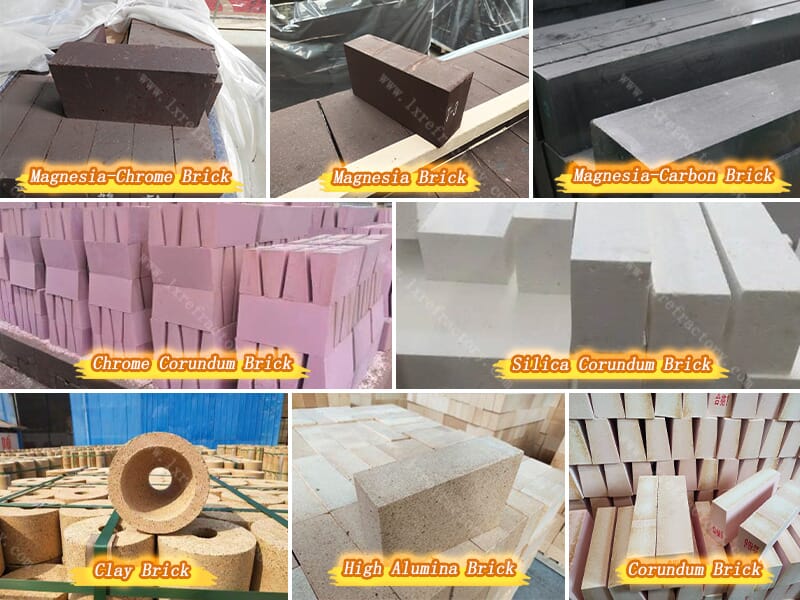
Our product
Ruitai Lianxin is professional manufacturer of fire bricks, mortar, pre-cast, pre shape, insulation products, castable, functional products for non-ferrous metal smelting, cement, glass, power & petrochemical industries. Moreover, Ruitai Lianxin Refractory also manufacture and export refractory cement A600, A700, A900, CA70, Bauxite and other refractories raw material to all of the world.
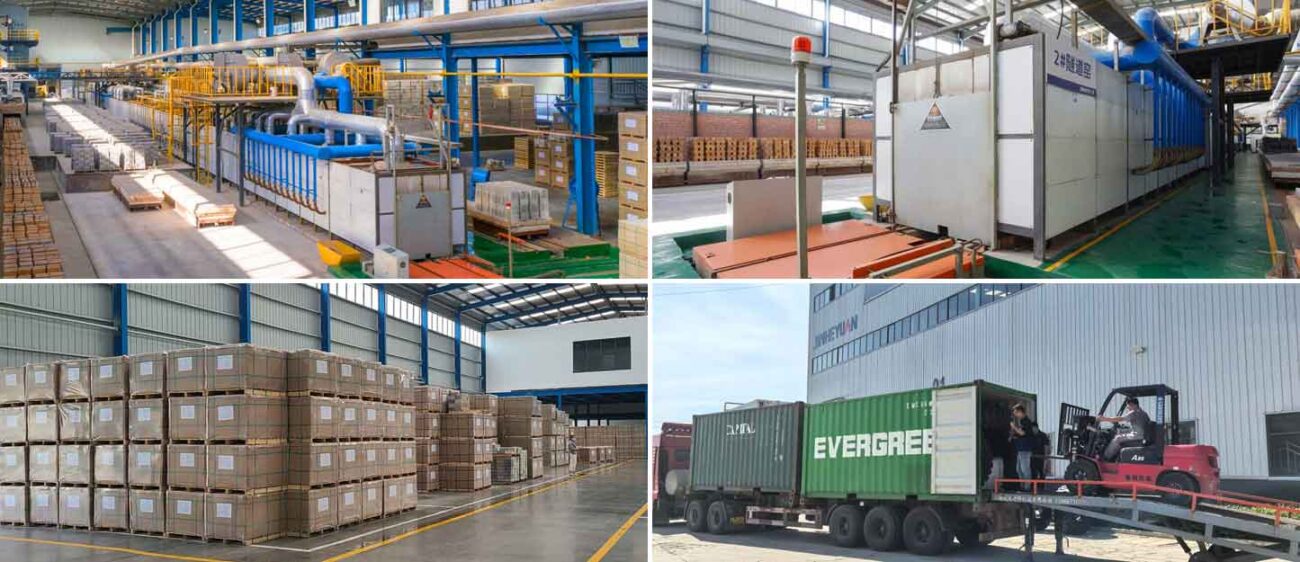
Manufacturing and Quality Control
As a magnesia chrome bricks manufacturer, Ruitai Lianxin controls magnesia chrome brick quality from raw material selection to final inspection. High-quality magnesia, chrome-bearing raw materials, and fused clinker are selected according to product grade. The materials are crushed, screened, mixed, shaped under pressure, dried, and fired at high temperature to develop stable refractory phases and strong bonding structure.
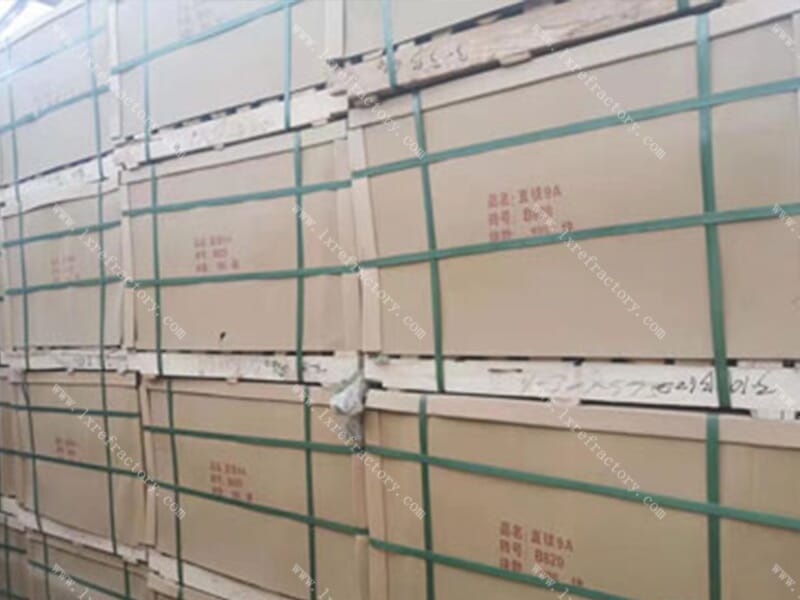
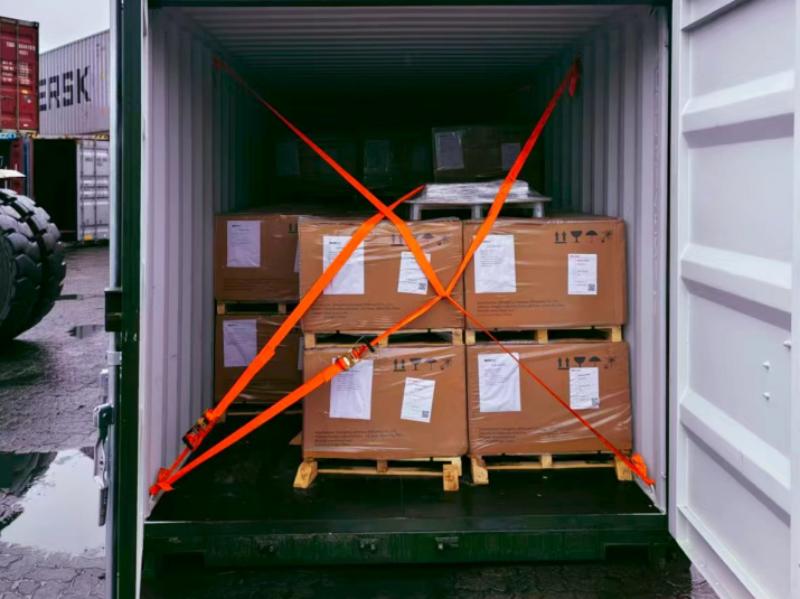
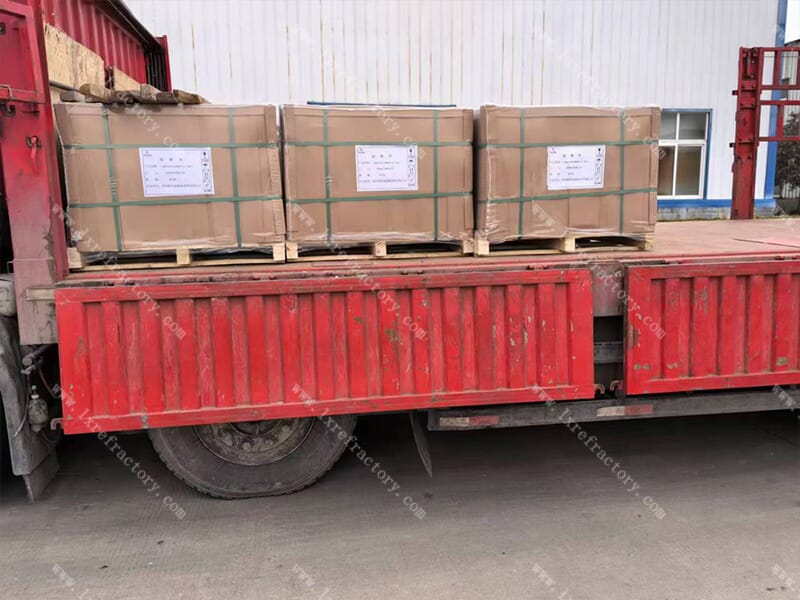
Quality control can include chemical composition testing, dimension inspection, apparent porosity, bulk density, cold crushing strength, refractoriness under load, and visual inspection. For export orders, bricks are packed carefully to reduce breakage during long-distance transportation. Wooden pallets, moisture-proof packaging, labels, and customized marks can be arranged according to project requirements.
Shelf Life & Packaging
The shelf life of magnesia chrome fire brick is 12 months under proper storage conditions. Standard packaging is available on trays of 1000 kg or 1500 kg for safe handling, storage, and transportation.
Certificates and Patents
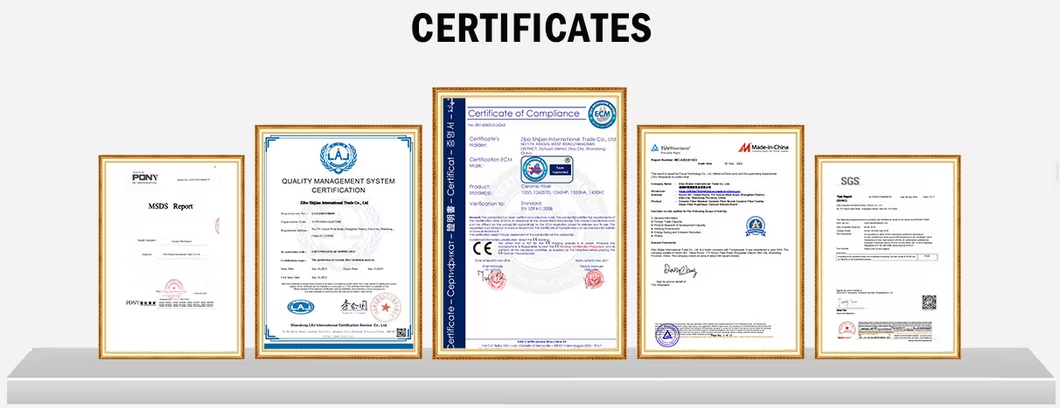
Ruitai Lianxin is certified under ISO 9001, ISO 14001 and ISO 45001 management systems, reflecting standardized quality control, environmental management and occupational health and safety practices throughout production.
Our patented refractory-related technologies and standardized production control help support stable product quality, responsible manufacturing and reliable long-term supply.
Question & Answer
A: They are available in various shapes such as bricks, blocks, and special shapes tailored to specific furnace designs.
A: The thickness is determined based on the operating temperature, thermal conductivity of the bricks, and the desired service life of the lining.
A: Damaged areas can be patched with fresh magnesia chrome mortar or bricks to restore the integrity of the lining.
A: Proper installation, maintenance, and monitoring of the lining condition can help extend the service life of magnesia chrome bricks.
A: They have better corrosion resistance compared to magnesia bricks and higher thermal shock resistance compared to chrome bricks.
A: They should be stored in a dry place to prevent moisture absorption, which can lead to spalling during use.
Ruitai Lianxin Magnesia Chrome Brick is Your Solution!