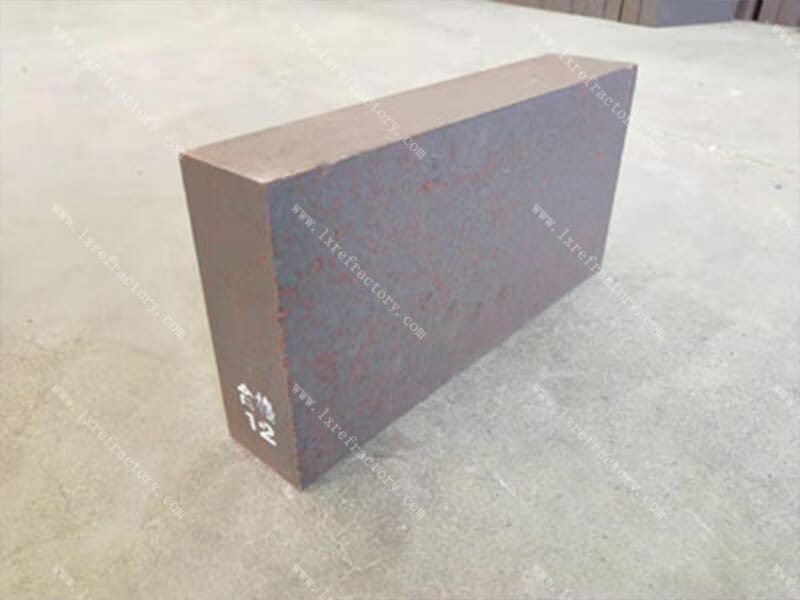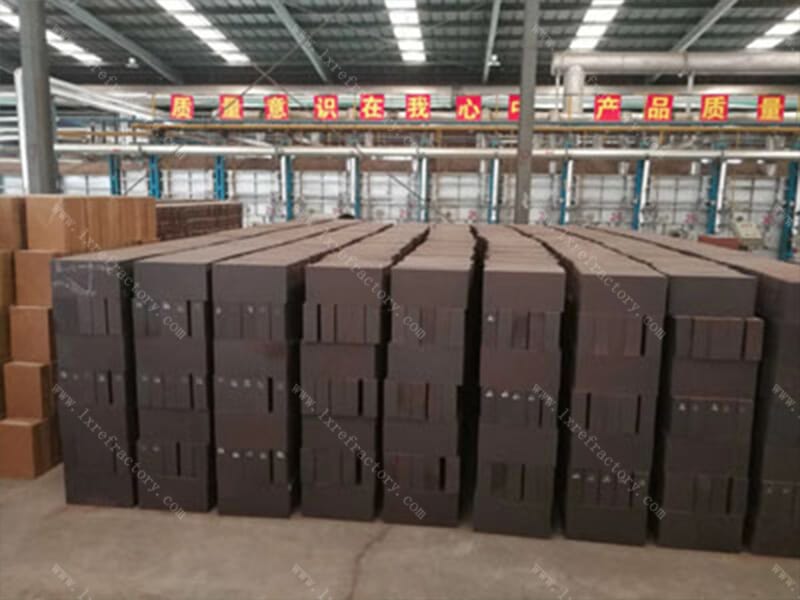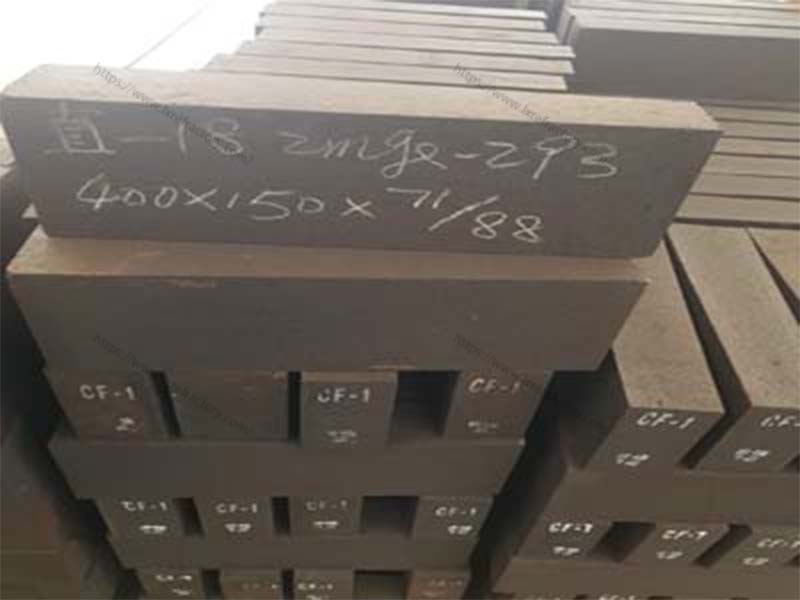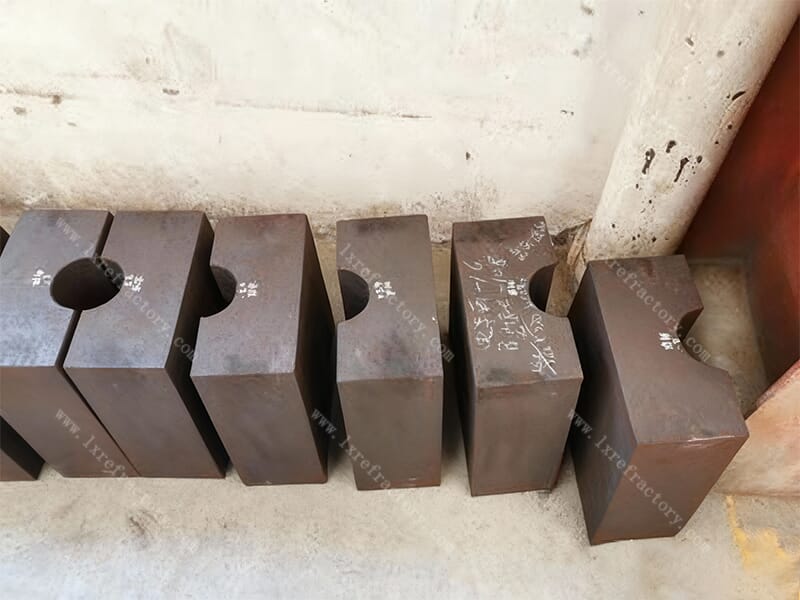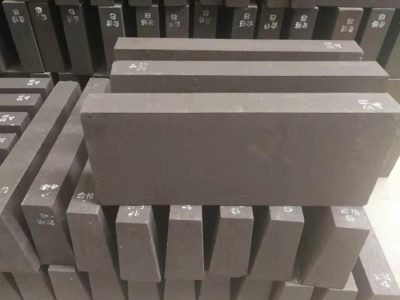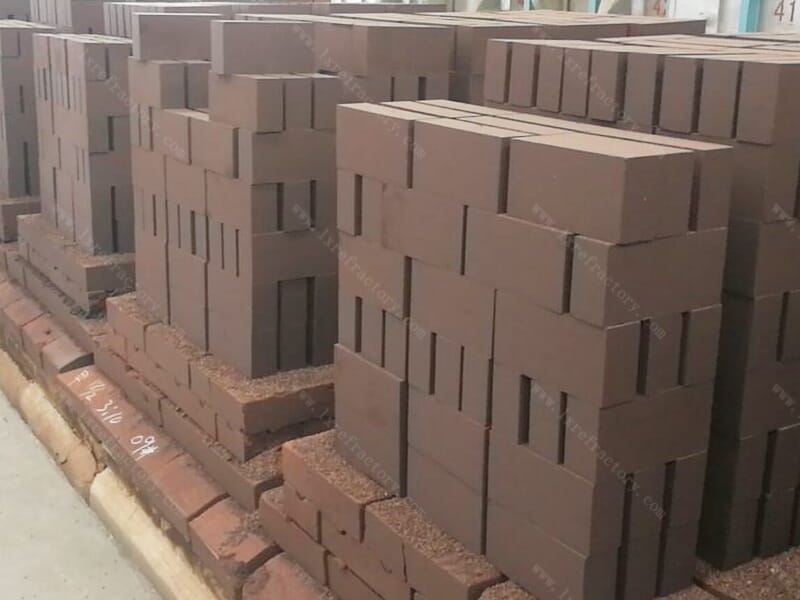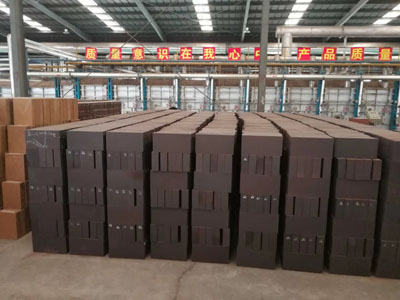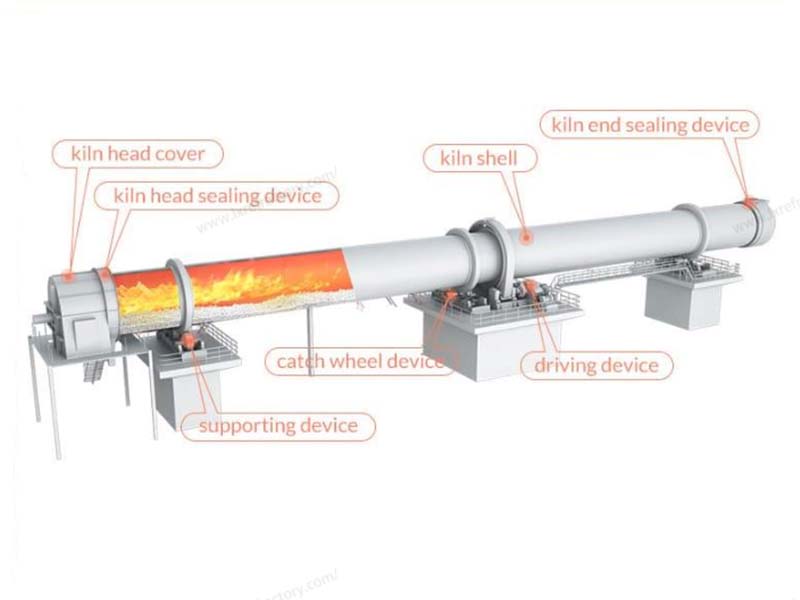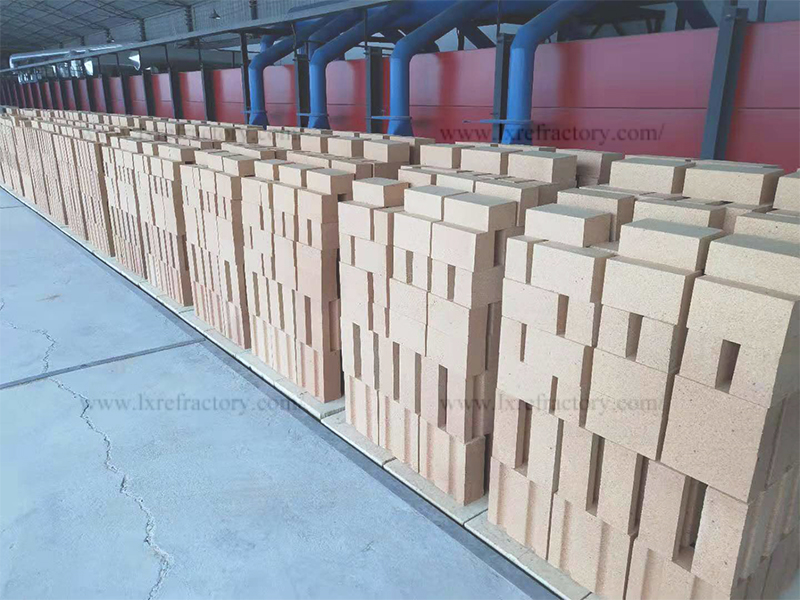
Magnesia chrome bricks are alkaline refractory bricks with periclase and magnesia-chrome spinel as their main crystalline phases. Due to their excellent high-temperature resistance, resistance to alkaline slag erosion, and scour resistance, they have become a core lining material in critical parts of cement rotary kilns. Their main applications are concentrated in the most demanding firing and transition zones, playing a crucial role in ensuring stable operation and extending the service life of the rotary kiln.
In the firing zone, the core area for cement clinker calcination, the temperature is maintained at 1450-1550℃ for extended periods. The material is in a molten or semi-molten state, and there is a strong alkaline atmosphere and high-speed scour of clinker particles. Magnesia chrome bricks can withstand this high-temperature environment. Their periclase crystalline phase combines with CaO in the slag to form stable compounds, effectively resisting alkaline slag erosion. Simultaneously, their high density and high wear resistance resist clinker particle scour and promote the formation of a stable kiln lining, further protecting the brick body and extending its service life.
In the transition zone, where the temperature is slightly lower than in the firing zone, the material transitions from a solid to a molten state, resulting in relatively mild erosion and scouring. Magnesia chrome bricks are primarily used to connect the firing zone with other kiln sections, providing transitional protection and preventing premature damage to the lining in this area due to temperature fluctuations and material wear.
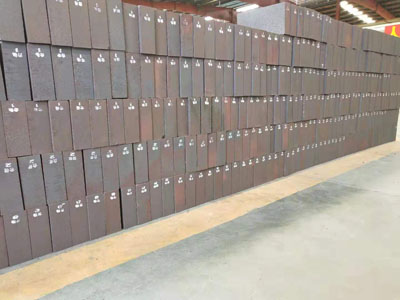
Different types of magnesia chrome bricks are suitable for different kiln sections. Direct-bonded magnesia chrome bricks are used in extreme conditions such as the kiln mouth and kiln lining zone in large kilns. Silicate-bonded magnesia chrome bricks are used in the firing zone or transition zone of small and medium-sized kilns. Unfired magnesia chrome bricks are suitable for auxiliary areas with frequent kiln shutdowns. Although gradually being replaced by chromium-free refractories due to environmental restrictions, they still possess irreplaceable value in the short term under extreme conditions of high alkali and high scouring, making them an important material for ensuring efficient and stable production in cement rotary kilns.