Non-ferrous metal smelting furnaces operate under extreme conditions, requiring them to withstand high temperatures, molten slag erosion, and mechanical impact. The suitability of refractory fire bricks directly determines the furnace’s lifespan and production safety.
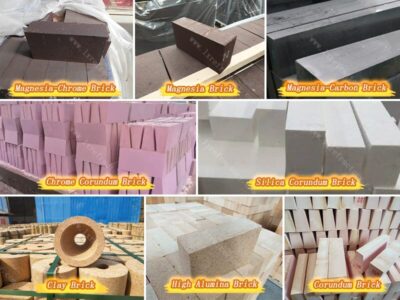
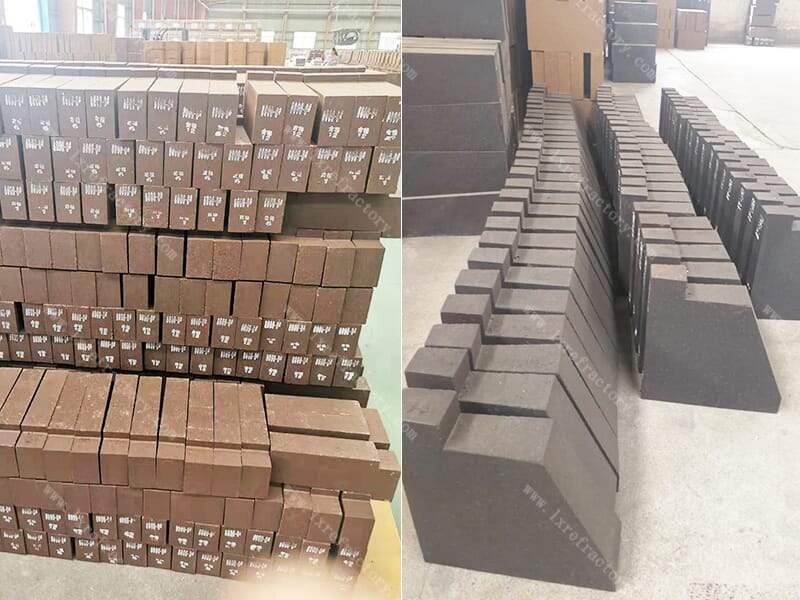
Various Refractory Bricks
Henan Ruitai Lianxin Refractory Materials Co., Ltd., deeply rooted in the non-ferrous smelting field, provides specialized refractory bricks such as magnesia-chrome bricks, chrome corundum bricks, and high-alumina bricks, along with customized solutions to help enterprises reduce costs and increase efficiency.
I. Core Operating Conditions of Smelting Furnaces
1.1 High Temperature and Temperature Fluctuation Tests
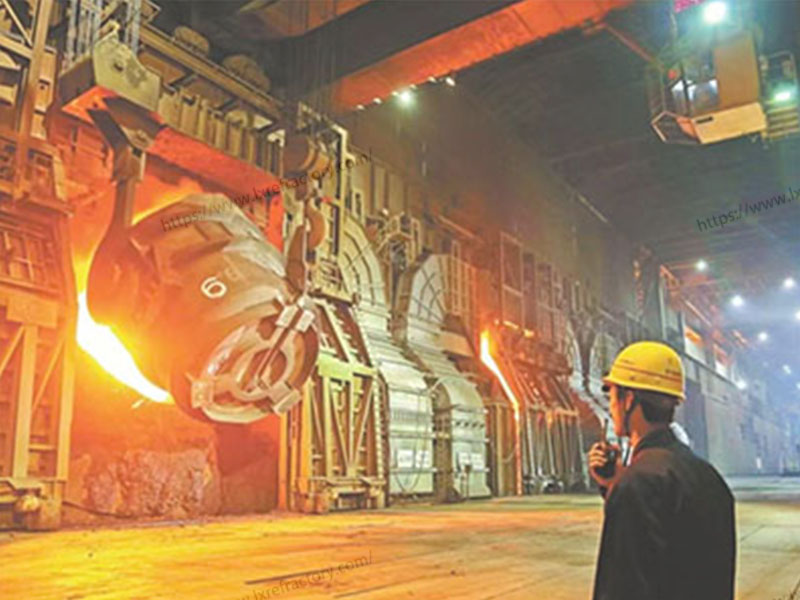
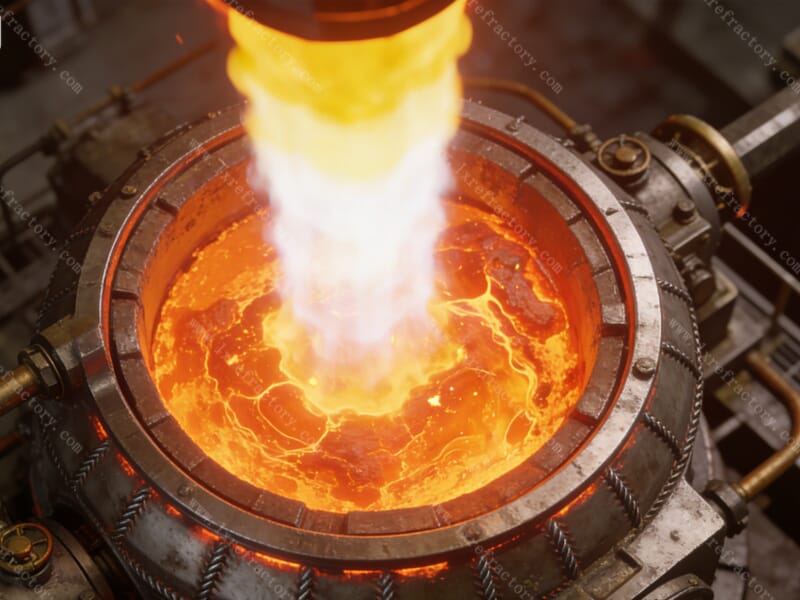
Copper, lead, and zinc smelting furnaces often reach temperatures above 1350℃, with some areas exceeding 1600℃. Frequent charging and furnace shutdowns during production can cause sudden temperature changes that easily lead to brick cracking. Refractory bricks must possess both high refractoriness and excellent thermal shock resistance.
1.2 Molten Slag and Chemical Erosion Tests
Alkaline or acidic molten slag generated during the smelting process can penetrate the interior of the bricks and cause chemical reactions. Especially in equipment such as converters and flash furnaces, the combined effects of slag erosion and metal penetration accelerate the damage to the refractory bricks.
1.3 Mechanical Erosion and Stress Testing
High-pressure airflow agitation, material impact, and operations such as tuyeres cause severe mechanical wear on the furnace lining. Areas such as the tuyeres and furnace mouth must withstand continuous impact and stress.
II. Mainstream Refractory Bricks for Smelting Furnaces
2.1 Magnesia-chrome Bricks: The Core Choice for Alkaline Conditions
Made from high-purity magnesia and chromite, these bricks exhibit strong resistance to alkaline slag erosion. Electrofused magnesia-chrome bricks are suitable for converter tuyeres and flash furnace reaction towers, able to withstand high-temperature erosion and metal penetration, extending the lining’s lifespan.
2.2 Chromium-Corundum Bricks: Dedicated for Highly Corrosive Environments
With a refractoriness exceeding 1790℃, these bricks possess excellent wear resistance and corrosion resistance. Suitable for linings in non-ferrous metal refining furnaces and induction furnaces, they can withstand high-speed material impact and complex media corrosion, exhibiting outstanding stability.
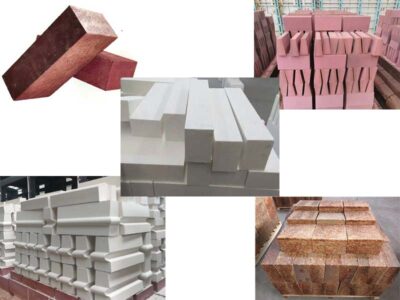
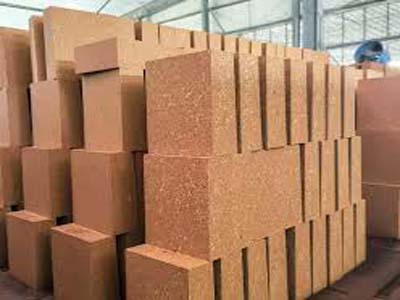
Corundum Brick Series
2.3 High-Alumina Bricks: A Cost-Effective Choice for Mid-Temperature Zones
High alumina content and high mechanical strength. Suitable for preheating zones, cooling zones, and furnace bottoms in smelting furnaces, balancing durability and cost control, adaptable to various smelting process requirements.
III. Ruitai Lianxin
Henan Ruitai Lianxin, leveraging years of industry experience, customizes specialized refractory bricks for copper, lead, and zinc smelting scenarios. Products cover core categories such as magnesia-chrome bricks, chrome corundum bricks, high-alumina bricks, and clay bricks.
The company provides a one-stop service including on-site surveys, selection guidance, masonry technical support, and after-sales inspections, helping companies solve furnace lining damage problems and extend equipment operating cycles.
Henan Ruitai Lianxin focuses on the R&D and production of refractory materials for non-ferrous metal smelting. Its product quality is recognized by customers worldwide, and its services cover multiple countries and regions including Kazakhstan, India, and Russia.
If you have needs for refractory brick procurement, selection consultation, or operational condition adaptation for non-ferrous metal smelting furnaces, please contact us! Our professional team provides one-on-one customized solutions to build a solid safety barrier for your smelting production.