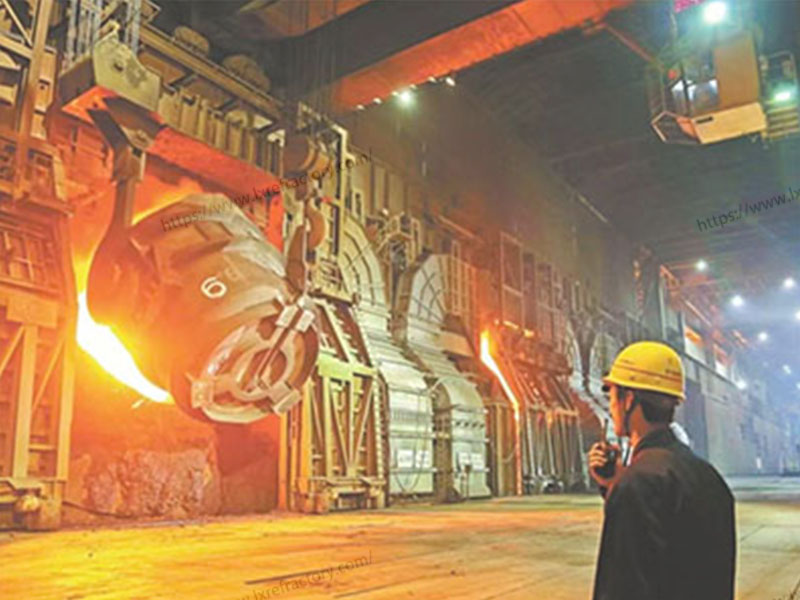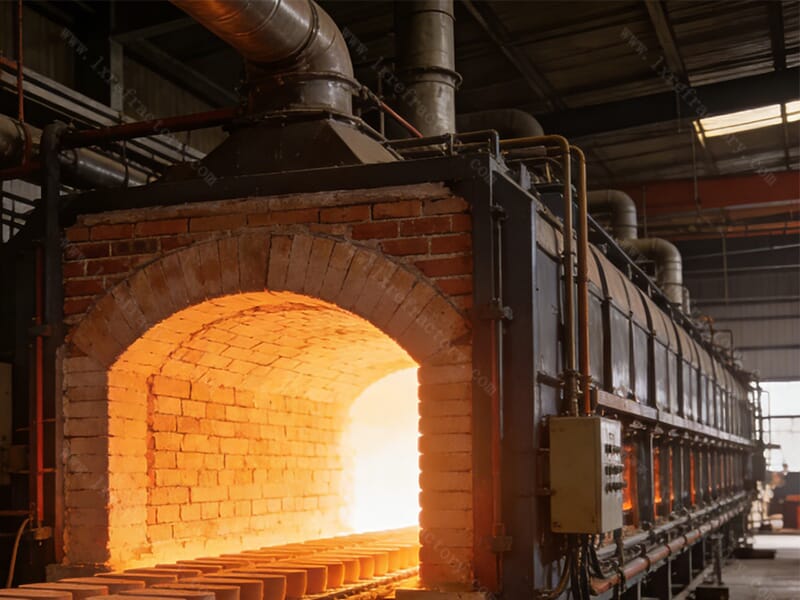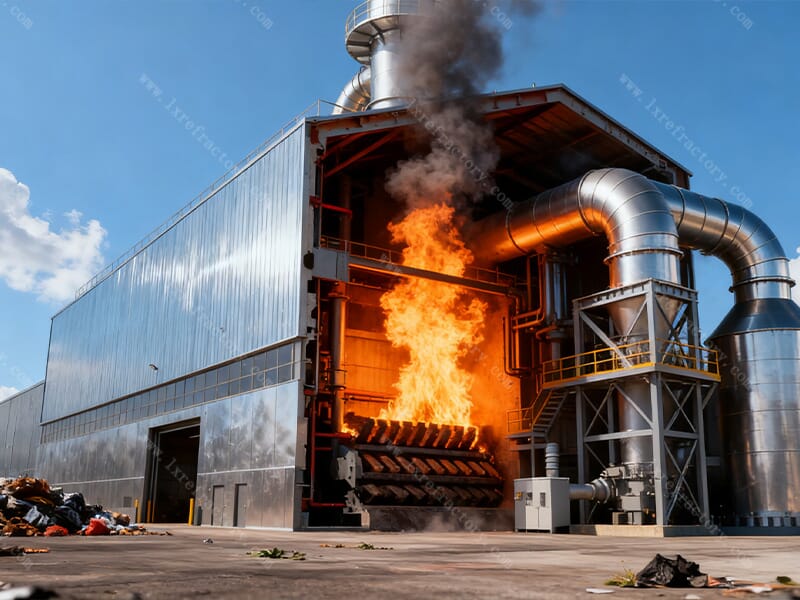
Steelmaking furnaces operate under harsh conditions, requiring them to withstand high temperatures, slag erosion, and thermal shock. The suitability of refractory fire bricks directly determines the furnace’s lifespan and production safety.
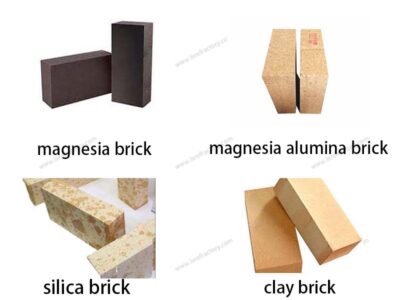
refractory bricks
Henan Ruitai Lianxin Refractory Materials Co., Ltd. specializes in this field, supplying high-quality products such as magnesia-carbon bricks, alumina-magnesia-carbon bricks, and high-alumina refractory bricks, precisely matching the needs of various parts of the steelmaking furnace.
Refractory Materials for Converters
1.1 Selection of Core Components
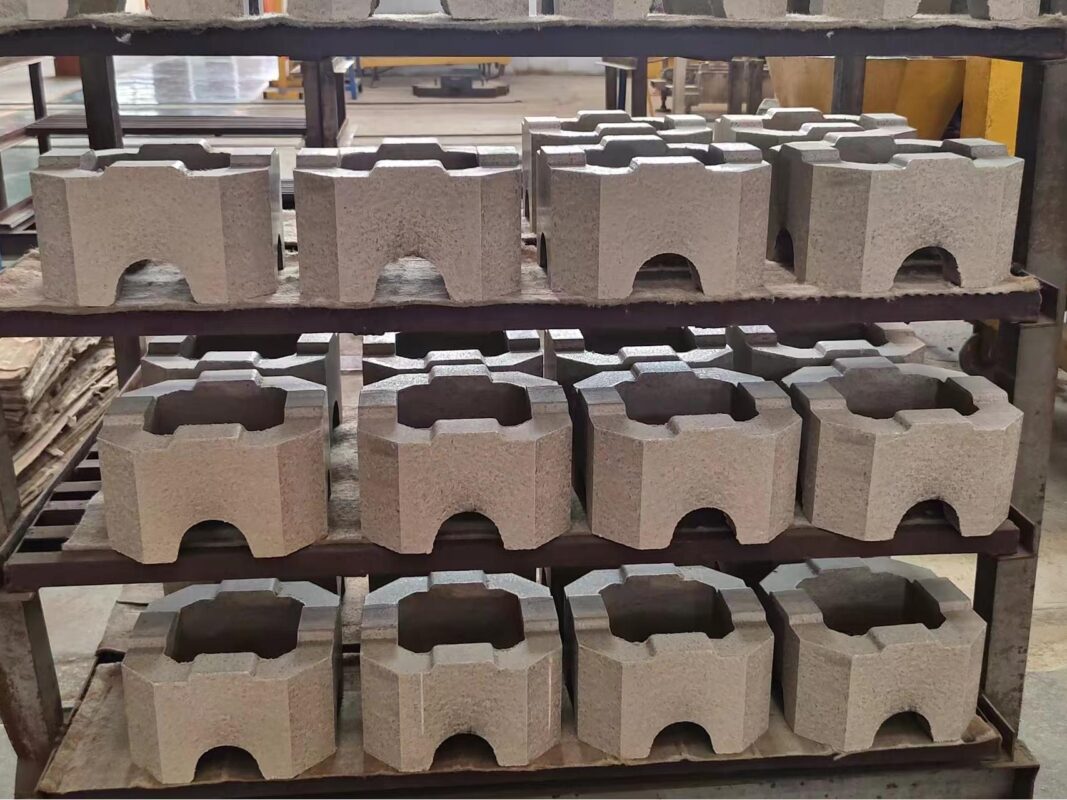
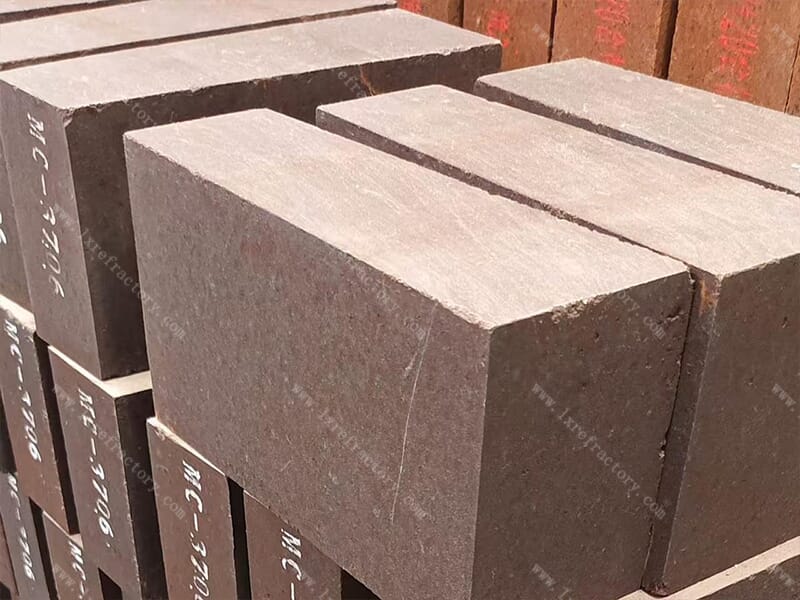
The working layer primarily uses magnesia-carbon bricks, while the furnace mouth and cap use high-strength magnesia-carbon bricks to resist high-temperature erosion and mechanical impact. High-corrosion-resistant magnesia-carbon bricks are used at the slag line to delay slag erosion and loss.
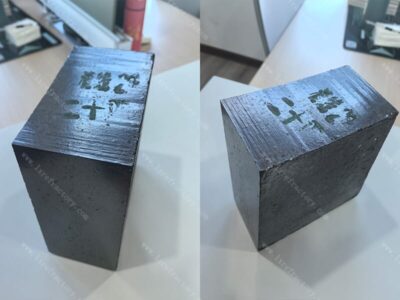
Magnesia-carbon bricks
1.2 Suitability for Auxiliary Components
The permanent layer is constructed with magnesia bricks to protect the furnace shell. The taphole uses integral magnesia-carbon bricks to improve erosion resistance and oxidation resistance, extending its service life.
Refractory Materials for Electric Arc Furnaces
2.1 Materials for Key Areas
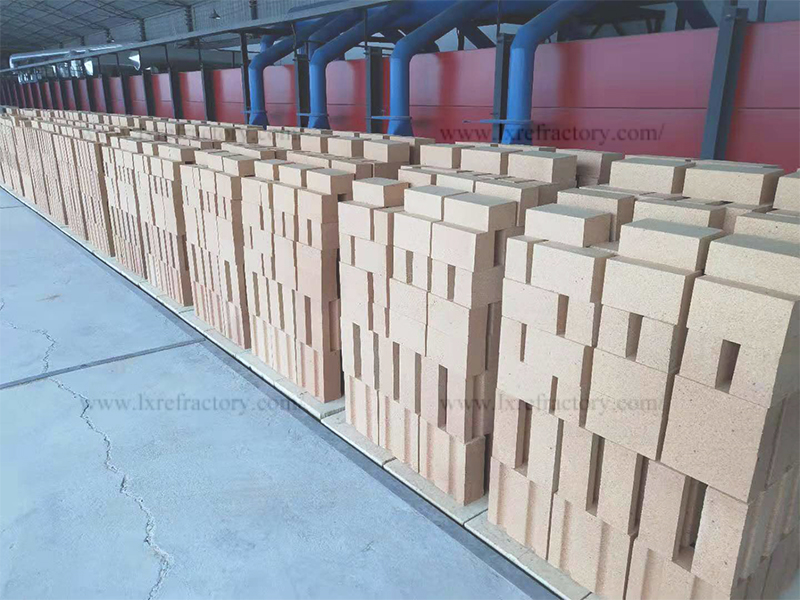
High-alumina bricks are used for the furnace roof, combining high refractoriness and thermal shock resistance. High-quality magnesia-carbon bricks are used in hot spots and slag line areas, suitable for extreme high temperatures and highly corrosive environments.
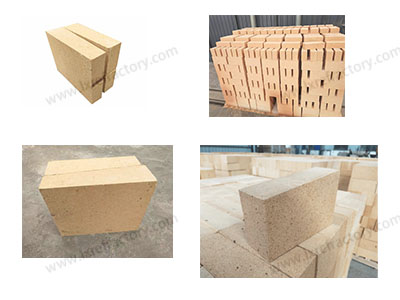
high alumina brick
2.2 Furnace Bottom and Wall Configuration
The furnace bottom is constructed with tar pitch combined with magnesia bricks, while magnesia-chrome bricks are used at the slag line and embankment sections. Magnesia bricks are used in conventional areas of the furnace wall, while magnesia-chrome refractory fire bricks are used for ultra-high power electric furnaces to enhance performance.
General Application Principles
3.1 Key Points of Quality Control
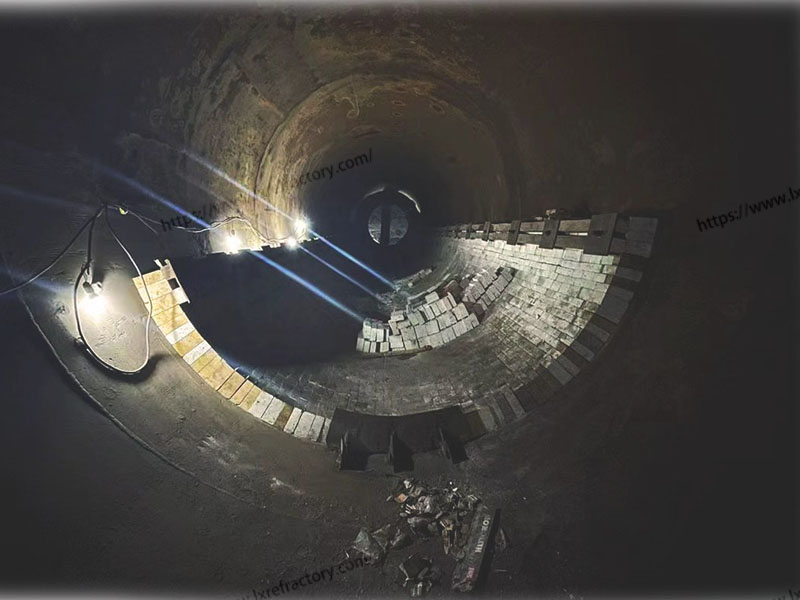
Brick joints should be controlled within 1-2mm during construction, with reasonable expansion joints reserved. Suitable refractory mortar should be selected to ensure the tightness of the masonry and reduce heat loss.
3.2 Maintenance and Repair
Regularly inspect the condition of the lining and promptly repair damaged areas using refractory spray coating. Combine this with slag splashing protection technology to extend the overall service life.
Henan Ruitai Lianxin provides a one-stop service, from supplying magnesia-carbon bricks and high-alumina refractory fire bricks to offering selection guidance and masonry technical support.
If you have any needs for refractory fire bricks for steelmaking furnaces, please contact us! Our professional team will tailor a solution to your specific requirements, ensuring a safe environment for steelmaking production.