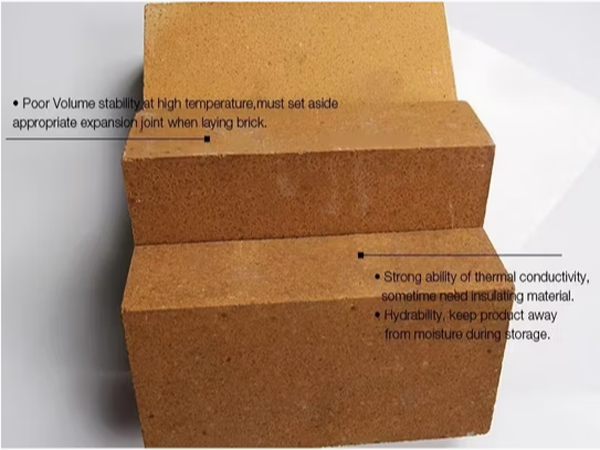
The core price of magnesium fire bricks is determined by six factors: raw material supply, cost structure, supply and demand pattern, environmental policies, product grade, and downstream demand, exhibiting a clear stratification and fluctuation characteristic.
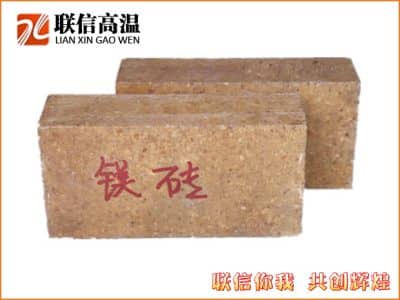
1. Core Raw Material Supply
Magnesium ore is the core raw material for magnesium fire bricks, with over 85% of the national reserves concentrated in Liaoning Province. High-grade resources are rapidly depleting, and total mining volume control and capacity reduction have become the norm. In 2025, the total ore supply in Liaoning was strictly controlled at around 30 million tons. Coupled with the elimination of light-fired reverberatory kilns and the closure of non-compliant kilns, the exit of small and medium-sized production capacity led to insufficient supply elasticity. The average price of fused magnesia (MgO≥97.5%) in 2025 was approximately RMB 5860/ton, and in 2026, due to the impact of green power capacity coming online, it may slightly decline to RMB 5720/ton. The price of raw materials directly determines the cost floor of magnesium fire bricks.
2. Production Costs and Energy Consumption
Magnesium brick production relies heavily on energy and auxiliary materials, with electricity, coal, semi-coke, and ferrosilicon accounting for over 60% of costs. The industrial electricity price increase in March 2026 raised the cost of fused magnesia smelting by 50-100 yuan/ton. Winter heating costs pushed up coal prices, further increasing calcination costs. In addition, environmental protection measures, equipment depreciation, and labor costs continued to rise, especially with leading companies increasing investment in intelligent manufacturing, pushing up unit costs.
3. Supply and Demand Pattern and Market Structure
Demand from downstream industries such as steel, cement, and non-ferrous metals directly affects prices. The increased proportion of electric arc furnace steel drives demand for thermal shock resistance, while hydrogen metallurgy spurs the development of hydration-resistant special bricks, leading to increased demand for high-end magnesium fire bricks. However, the overall cement industry is shrinking, putting pressure on demand in some areas. The supply side exhibits a “large-strong, small-weak” pattern, with leading companies having completed ultra-low emission upgrades across the entire process and operating at high capacity. Small and medium-sized enterprises, due to high environmental protection upgrade costs, operate at less than 42% capacity, leading to rapid price increases when supply tightens.
4. Policy, Environmental Protection, and Industry Standards
Under the “dual carbon” policy, energy consumption control has shifted to carbon emission control. Magnesium fire brick production has been included in the carbon market, and rising carbon prices increase compliance costs. The “Implementation Guidelines for Energy Conservation and Carbon Reduction Upgrading in Key Areas of High-Energy-Consuming Industries” promotes technological upgrades such as natural gas substitution for heavy oil and waste heat utilization, which will drive up costs in the short term. The chromium-free policy accelerates product upgrades; chromium-free magnesium fire bricks are priced 12%-15% higher than traditional products, with order volume increasing by 27% year-on-year.
5. Product Grades and Customization Demand
Significant price stratification: Ordinary magnesium fire bricks (MgO≥92%) average price is approximately RMB 1300/ton, high-purity magnesia bricks (MgO≥97%) exceed RMB 2000/ton, and fused magnesium fire bricks (MgO≥97.5%) are projected to reach RMB 5200-5800/ton in 2026. Customized products and bulk orders offer better prices, with long-term contract customers (such as large steel mills) receiving prices 8%-10% lower than spot prices.
6. Seasonal and Logistics Factors
Low winter temperatures in northern China limit magnesite mining and cause transportation delays, often leading to price increases of 300-500 yuan/ton in the first quarter. Post-holiday resumption of work and peak season stockpiling push prices up, while demand declines after the third quarter, causing prices to stabilize.
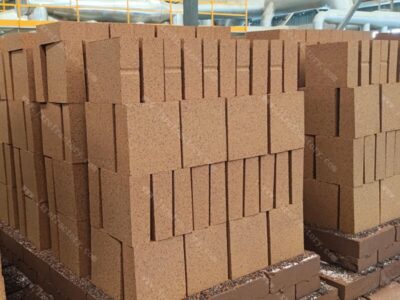
In summary, magnesium fire brick prices in 2026 are expected to show a trend of stable growth at the high-end level and stable prices at the mid-range level, driven primarily by energy and environmental constraints on the cost side and the upgrading of demand towards high-end products.