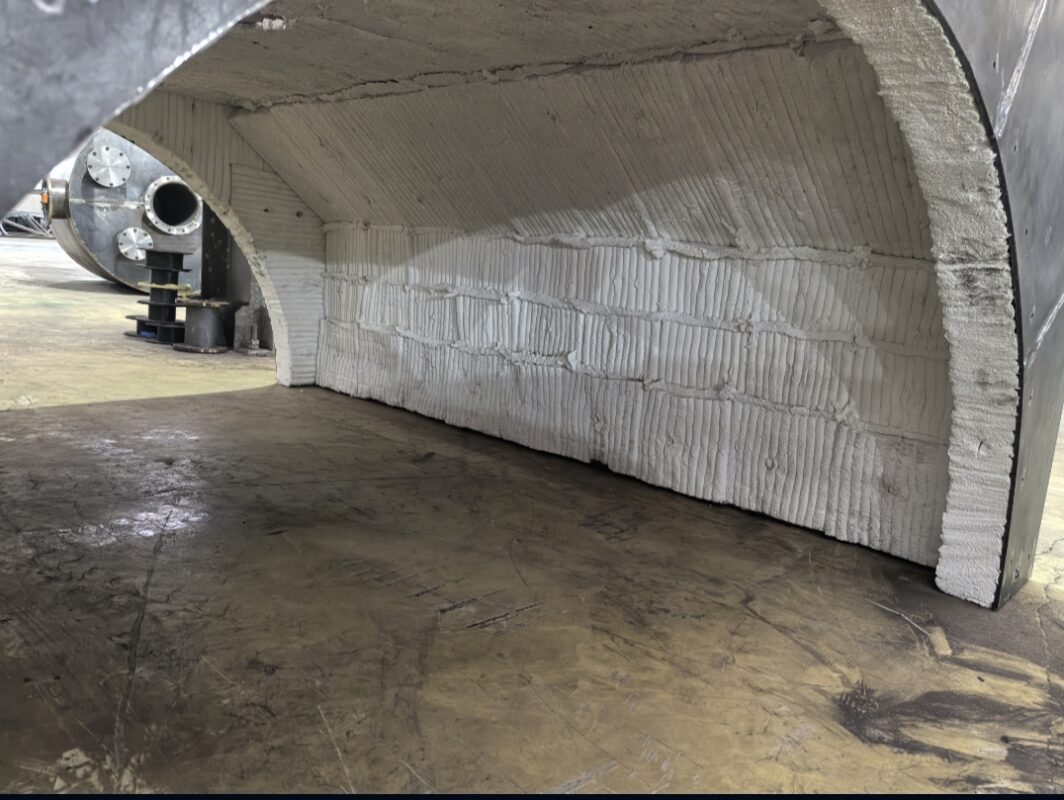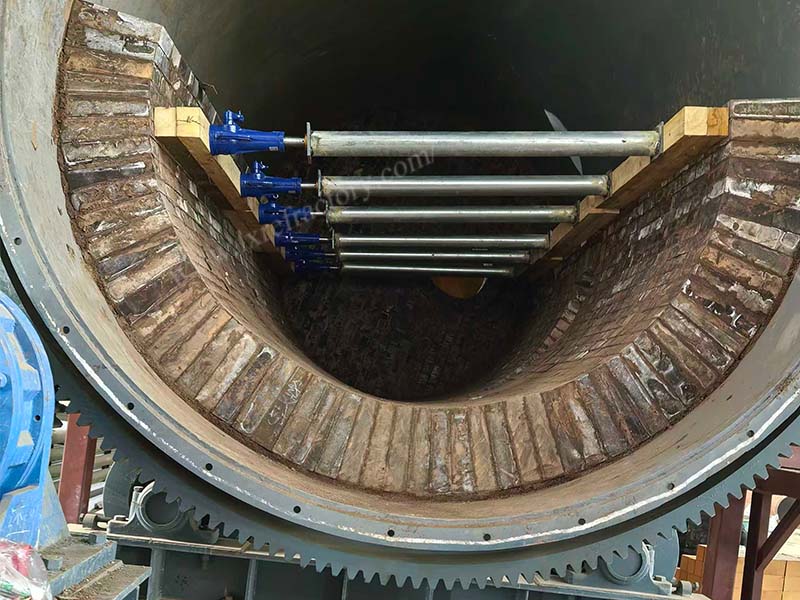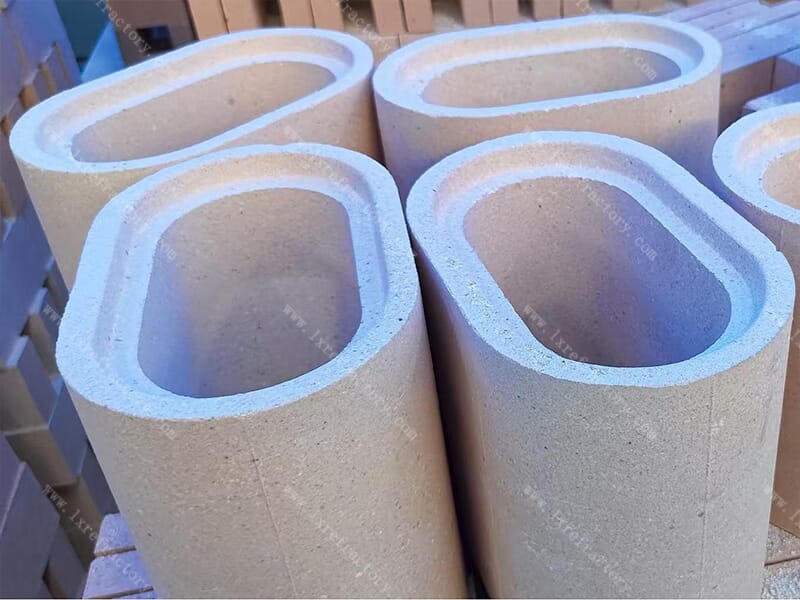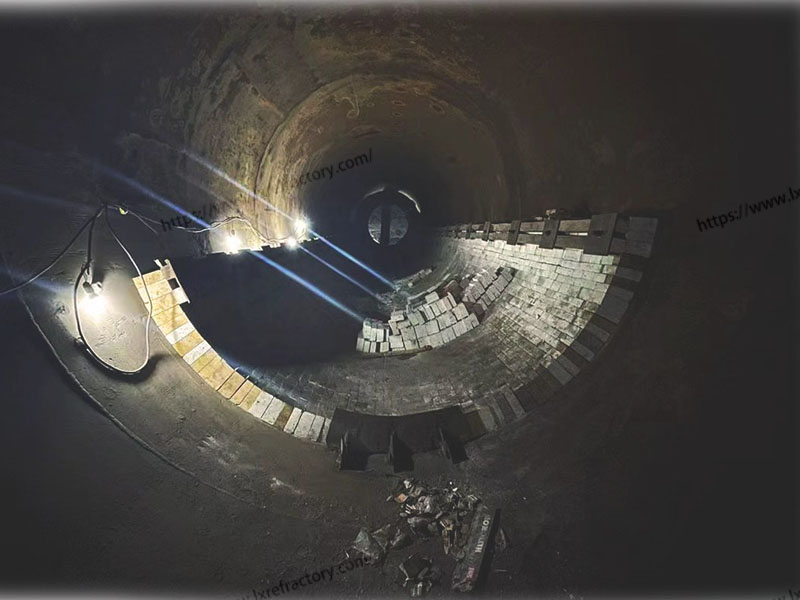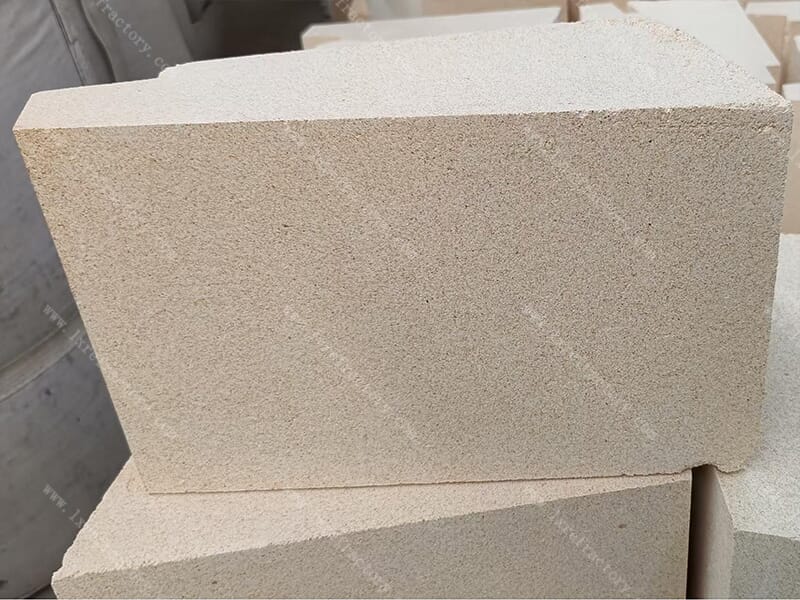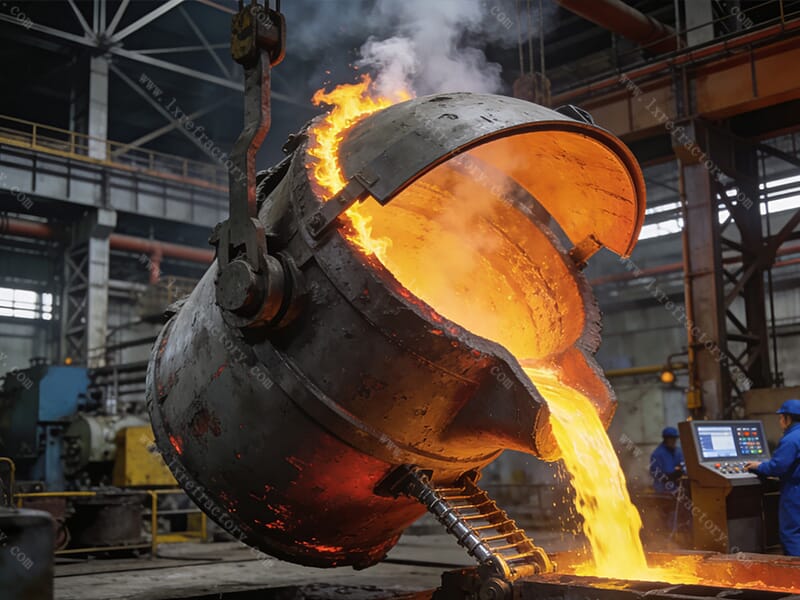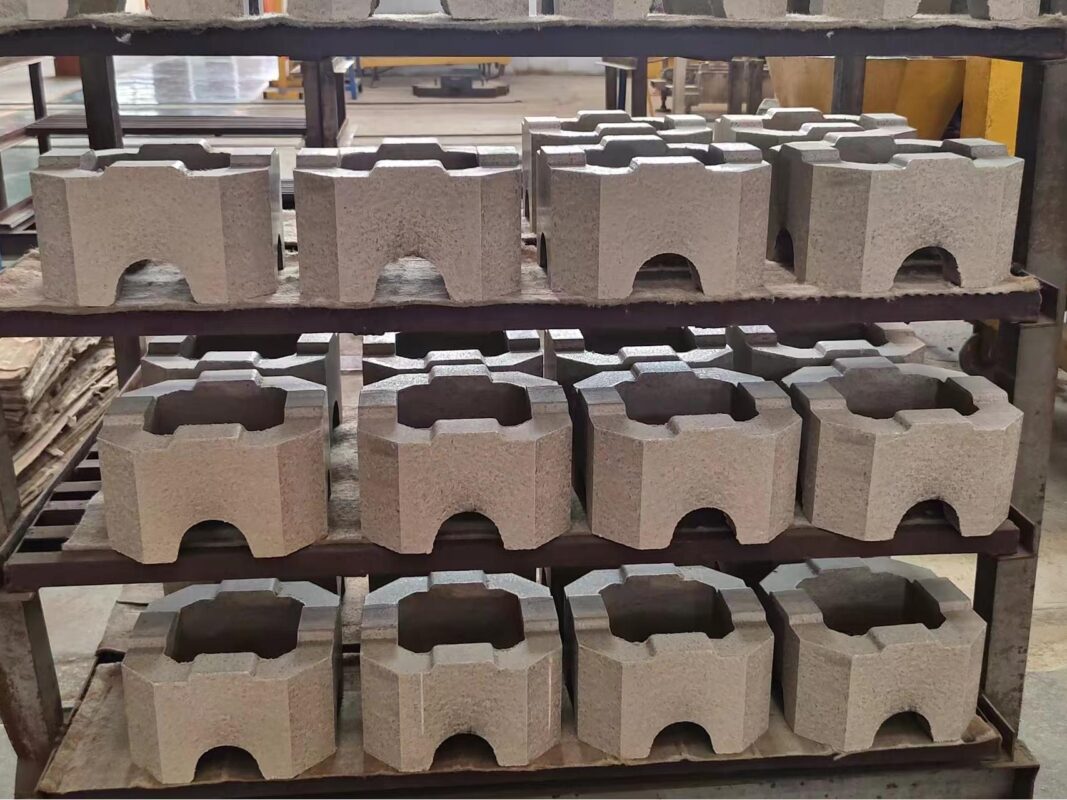
In cement production, the kiln is the core equipment, undertaking the crucial processes of raw material calcination and clinker formation. It operates under harsh conditions, enduring temperatures exceeding 1450℃, erosion from molten clinker, and chemical corrosion from alkaline media. As the “first line of defense” for the kiln lining, the selection of refractory materials directly determines the kiln’s lifespan, production continuity, and cement clinker quality, and also affects energy consumption control and production costs. Therefore, the scientific selection of refractory materials for cement kilns requires comprehensive consideration of multiple dimensions, including kiln operating conditions, refractory brick performance, and production needs, adhering to the core principles of “suitability to operating conditions, performance balance, and economic rationality.”
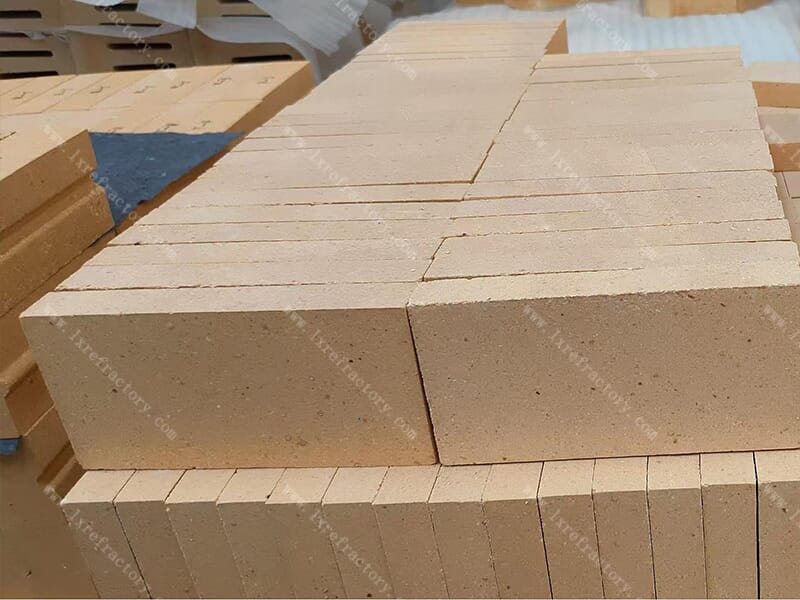
lianxin firebricks
1. Clarify the differences in operating conditions of different parts of the kiln
Clearly understanding the differences in operating conditions of different parts of the kiln is crucial for accurately matching the type of refractory material. The temperature, media, and mechanical effects vary significantly in different areas of a cement kiln, requiring targeted selection. This is a core prerequisite for ensuring the service life of the refractory materials.
The firing zone is the most demanding area within the kiln, with temperatures reaching 1450-1600℃. It directly contacts the molten clinker and endures intense chemical erosion (from alkaline substances like CaO and MgO, and clinker components such as C3A and C4AF) and mechanical scouring. It must also resist thermal stress damage caused by kiln temperature fluctuations. For this zone, erosion-resistant, high-temperature-resistant, and mechanically strong alkaline bricks are preferred, such as directly bonded magnesia-chrome bricks and magnesia-iron spinel bricks. Magnesia-iron spinel bricks, in particular, offer superior thermal shock resistance and can form a calcium aluminate protective layer on their surface, effectively preventing liquid phase penetration; their application has become increasingly widespread in recent years. Special magnesia bricks can be used at the normalizing point of the firing zone in large kilns to further enhance erosion resistance.
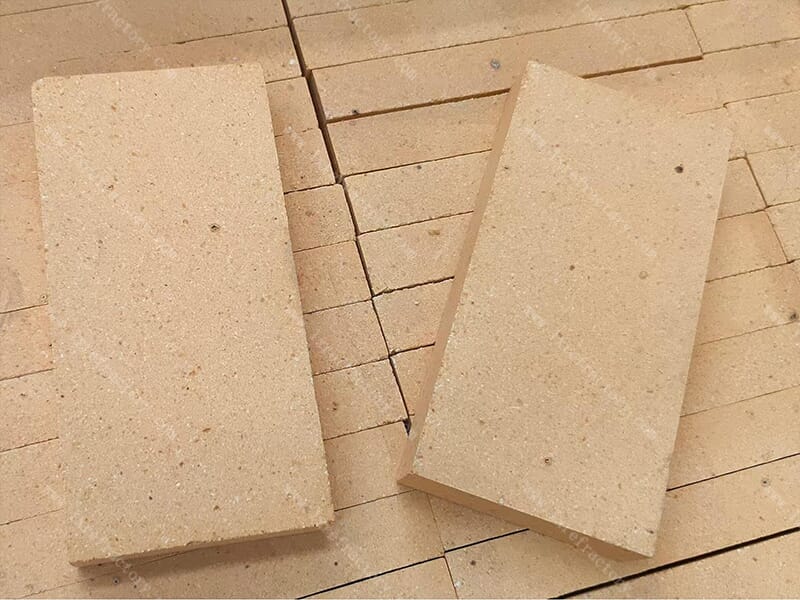
The transition zone, located between the firing zone and the preheating zone, experiences drastic temperature fluctuations (800-1400℃). It primarily withstands thermal shock damage from sudden temperature changes, cyclical erosion from alkaline media, and abrasion from clinker particles. Simultaneously, it must prevent brick damage caused by kiln lining detachment. In this area, modified alumina bricks with excellent thermal shock resistance and strong resistance to alkali corrosion, such as silica-mullite bricks and silica-mullite red bricks, are recommended. Silica-mullite red bricks, with the addition of andalusite, significantly improve thermal shock resistance, and their non-caking characteristic effectively prevents post-ring formation, making them suitable for transition zone conditions. Magnesia-alumina spinel bricks can also be used, balancing corrosion resistance and thermal shock performance with excellent cost-effectiveness. It is worth noting that 1680 silica-mullite bricks, a commonly used type in transition zones, have a thermal conductivity of only 0.8-1.2 W/(m·K), 40% lower than traditional high-alumina bricks, reducing heat loss from the kiln surface and contributing to energy savings.
The kiln opening (discharge port) is one of the weakest points in the kiln, with high temperatures (1200-1400℃). It is frequently subjected to the scouring of high-temperature clinker, rapid heating and cooling of cold air, and may also experience mechanical stress due to kiln deformation. For new kilns with regular shapes, silicon carbide bricks, silica-mullite bricks, or directly bonded magnesia-chrome bricks can be used, offering both wear resistance and thermal shock stability. If the kiln opening temperature is relatively low, high-alumina bricks and phosphate-bonded high-alumina bricks with excellent thermal shock resistance can be used as alternatives. Their room temperature compressive strength is ≥60MPa, which can meet the load-bearing requirements of the kiln opening. If deformation occurs at the kiln opening, corundum-based or steel fiber-reinforced corundum castables can be used for on-site casting, offering greater flexibility and better adaptability.
In the preheating zone, tertiary air duct, and cyclone zone, the temperature is relatively low (600-1000℃). These areas are mainly subjected to the erosion of alkaline gases (such as K2O and Na2O) and dust abrasion. High-temperature resistance requirements are lower, but good alkali resistance and wear resistance are necessary. Alkali-resistant bricks with an Al2O3 content of 25%-30% and a SiO2 content ≥65% can be used in this area. This allows alkali to condense on the brick surface and form a high-viscosity glaze layer, sealing the erosion channels and preventing alkali cracking. For severely worn areas of the tertiary air duct, high-wear-resistant bricks can be used to extend service life. The wear of these bricks should be controlled within 2.0cm³ to ensure long-term stable operation.
2. Focusing on core performance indicators of refractory materials
Focusing on the core performance indicators of refractory materials is crucial to ensuring they meet the operational requirements of cement kilns. The harsh operating conditions of cement kilns place clear demands on the various performance characteristics of refractory materials. The following core indicators should be carefully checked during material selection:
First, high-temperature resistance: This mainly involves considering refractoriness and the softening start temperature under load. The refractoriness must be 50-100℃ higher than the highest operating temperature in the region. The softening start temperature under load must ensure structural stability at high temperatures to prevent softening and deformation. For example, the softening start temperature under load for refractory bricks in the firing zone should be ≥1580℃.
Second, resistance to chemical attack: Refractory materials must be able to resist attack from alkaline media, molten clinker, sulfates, and chlorides to reduce the risk of brick spalling, sinkholes, and other failures. Alkaline bricks have better resistance to attack than alumina bricks and are suitable for areas with severe corrosion.
Third, thermal shock resistance, i.e., the ability to resist rapid heating and cooling without cracking or peeling, is measured by the number of water-cooling or air-cooling cycles at 1100℃. In transition zones and kiln mouths where temperature fluctuations are large, products with a thermal shock resistance of ≥50 cycles, such as silicon-mullite bricks and magnesia-alumina spinel bricks, should be selected to reduce damage caused by kiln start-up and shutdown.
Fourth, abrasion resistance, requiring the ability to withstand the erosion and abrasion of clinker particles and dust, with an abrasion amount ≤3.0cm³. High abrasion-resistant bricks and silicon carbide bricks have the best abrasion resistance and are suitable for severely abraded areas. The selection criteria can be adjusted according to the abrasion intensity.
Fifth, structural strength and density, the room temperature compressive strength must meet the corresponding brick type standards, such as ≥60MPa for high-alumina bricks and ≥80MPa for magnesia-carbon bricks. The high-temperature compressive strength must maintain more than 50% of the room temperature strength, while the apparent porosity is controlled within 22%-26%, and the bulk density meets the standard, avoiding excessive porosity which leads to a loose structure and accelerated erosion.
3. Balancing refractory material performance and cost
A balance between economic efficiency and cost is crucial. Selection should avoid two extremes: First, blindly pursuing high-performance, high-priced bricks, leading to wasted costs. Second, solely controlling costs by selecting low-performance bricks, resulting in frequent replacements and kiln shutdowns for maintenance, ultimately increasing overall costs. For example, alumina-chrome refractory bricks have excellent performance, but their price is 2-3 times that of clay refractory bricks. If the kiln area has mild operating conditions, clay refractory bricks are sufficient. In harsh firing zones, although expensive basic bricks are necessary, their long service life reduces replacement frequency, resulting in a more advantageous long-term overall cost. Simultaneously, energy-saving brick types, such as 1680 silica-molybdenum bricks, should be prioritized, as they reduce kiln heat dissipation, decrease energy consumption, and indirectly lower production costs.
4. Focusing on construction and maintenance compatibility
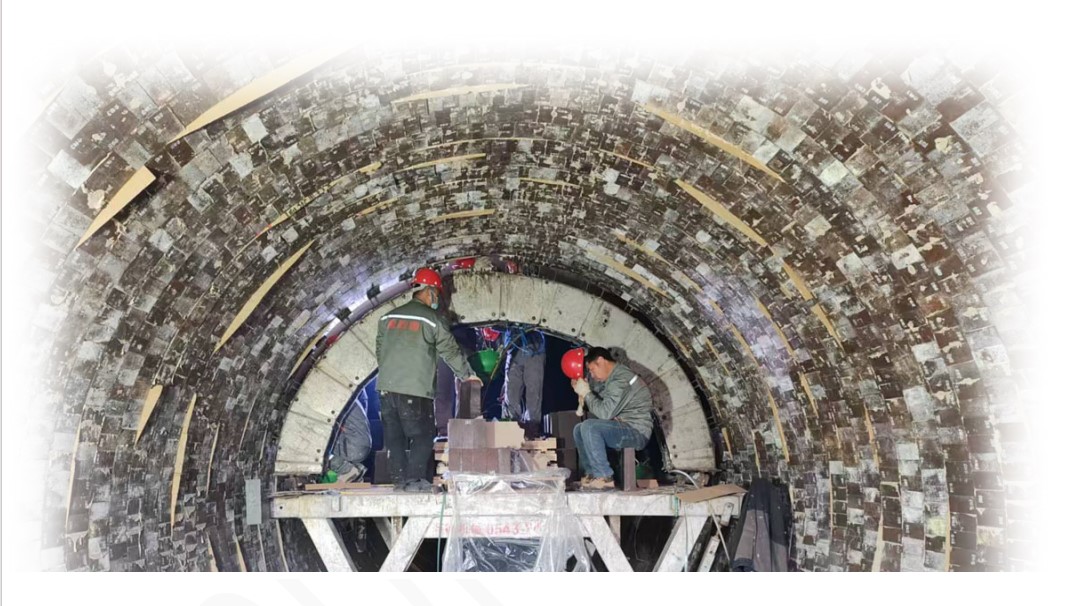
Finally, ensuring compatibility with construction and maintenance is essential to guarantee the effectiveness of refractory materials. Selection should be combined with construction process requirements. For example, shaped refractory bricks are not suitable for the kiln mouth deformation area; castable refractory should be used for on-site casting. During construction, the width of the brick joints must be controlled within 2±0.5mm, and matching refractory mortar should be selected to avoid uneven stress and premature damage to the bricks due to construction errors. Simultaneously, ease of maintenance must be considered, selecting brick types that are easy to inspect and repair. Regularly check for brick wear and spalling, and repair or replace them promptly to extend the overall service life.
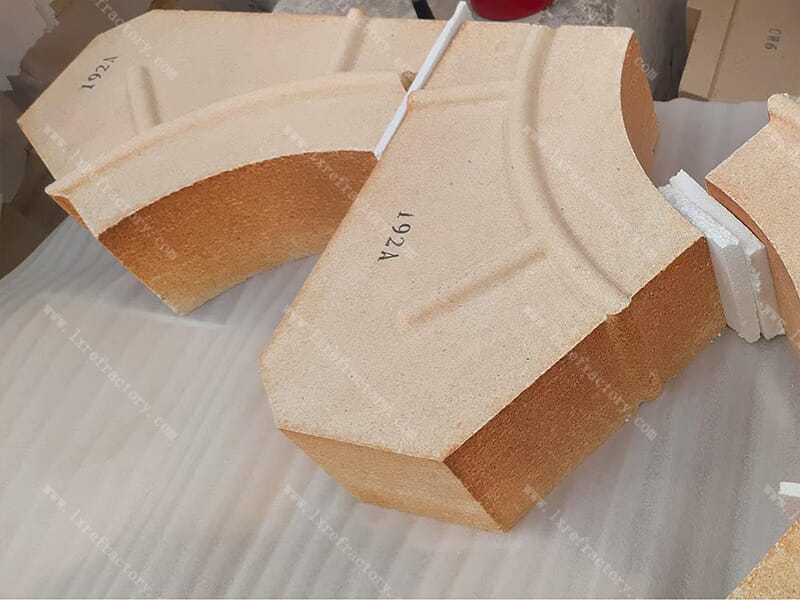
lianxin firebrick
In summary, the selection of refractory materials for cement kilns should be centered on “suitability for operating conditions,” precisely matching the temperature, erosion, and wear characteristics of each part of the kiln. It should be based on “performance requirements,” strictly verifying core indicators such as high-temperature resistance and erosion resistance. It should adhere to the principle of “economic rationality,” balancing performance and cost. It should be guaranteed by “construction and maintenance” to ensure maximum effectiveness. Only through comprehensive consideration from multiple dimensions can suitable refractory materials be selected, extending kiln life, ensuring continuous and stable production, and achieving energy conservation, consumption reduction, and cost optimization in cement production.