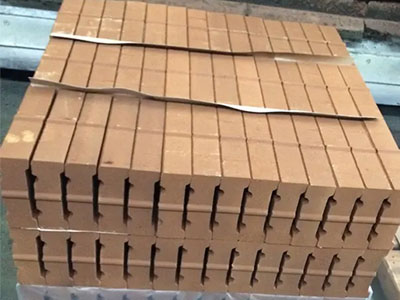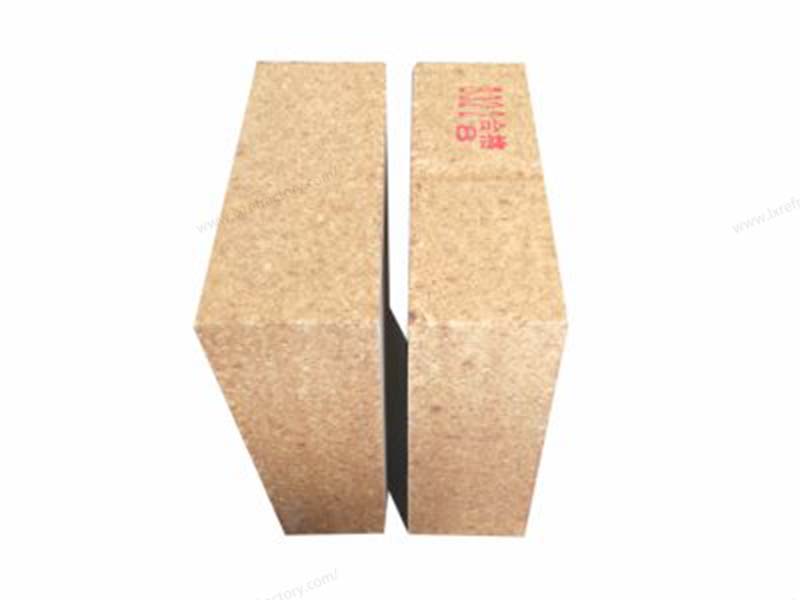
Magnesia-alumina bricks are alkaline refractory materials with periclase as the main crystalline phase and magnesia-alumina spinel as the bonding phase. They contain approximately 85% MgO and 5%-10% Al₂O₃, and are manufactured through high-temperature sintering. Their core advantages are excellent thermal shock resistance, high load softening temperature, and strong slag resistance.
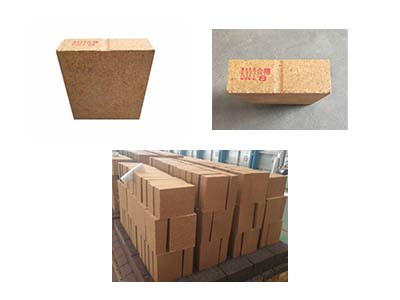
Performance characteristics:
1. Good thermal shock resistance: The linear expansion coefficient (10.6×10⁻⁶/℃) is about 20% lower than that of magnesia bricks, resulting in low thermal stress during temperature fluctuations. They can withstand 20-25 water cooling cycles without cracking.
2. Excellent high-temperature performance: The load softening temperature reaches 1580℃, and high-purity types exceed 1750℃. They exhibit high high-temperature strength and structural stability.
3. Strong corrosion resistance: As an alkaline material, they can resist corrosion from alkaline slag, molten steel, and glass, exhibiting outstanding resistance to glass corrosion.
4. Dense and durable structure: With an Al₂O₃ content <10%, the apparent porosity is 14%-18%, resulting in a dense brick body and long service life.
Main applications:
1. Metallurgical industry: Used in open-hearth furnace tops, converters, ladles, blast furnaces, and ladle refining furnaces, suitable for high-temperature and high-slag-corrosion conditions.
2. Building materials industry: Used in the firing and transition zones of large cement rotary kilns to extend the kiln lining cycle.
3. Glass industry: Used in glass kiln regenerators, resistant to molten glass erosion and thermal shock.
4. Other high-temperature kilns: Used in non-ferrous metal smelting furnaces, refractory material firing kilns, and other high-temperature critical components.
Magnesium-alumina bricks are chromium-free and environmentally friendly, with balanced performance, making them a mainstream alkaline refractory material to replace magnesia-chrome bricks.