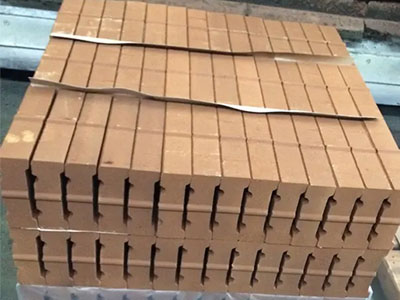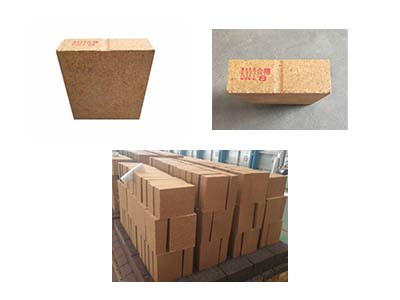
Magnesia-alumina bricks (mainly magnesia-alumina spinel bricks), as high-grade alkaline refractory materials, are widely used in key components of kilns in metallurgy, cement, and chemical industries due to their excellent resistance to slag erosion, thermal shock stability, and high-temperature strength.
Selecting suitable magnesia-alumina bricks is crucial for ensuring the efficient, safe, and long-term operation of kilns. It requires comprehensive consideration of kiln operating conditions, product performance, and actual needs.
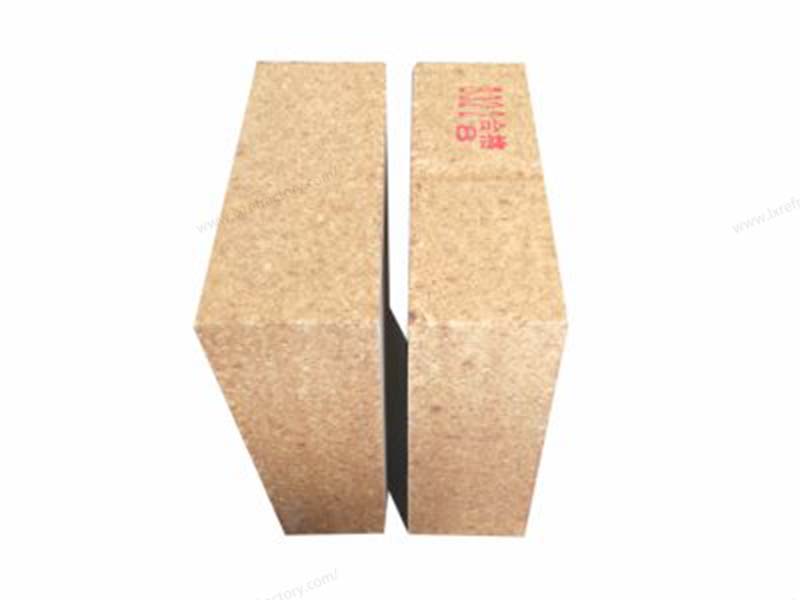
1. Determine the core operating conditions of the kiln
First, clearly defining the core operating conditions of the kiln is the prerequisite for selecting magnesia-alumina bricks. The temperature, medium, and atmosphere of kilns in different industries vary significantly, directly determining the material ratio and performance requirements of the magnesia-alumina bricks.
Regarding high-temperature conditions, the kiln’s maximum operating temperature and long-term service temperature must be confirmed first. The refractoriness of magnesia-alumina bricks is typically 1900-2000℃, but the actual service temperature needs to be 100-500℃ lower than the refractoriness. For example, for magnesia-alumina bricks with a load softening temperature of 1700℃, the long-term operating temperature should be controlled between 1200-1600℃.
In the metallurgical industry, kilns (such as refining ladles and aluminum electrolytic cells) can reach temperatures of 1500-1800℃. They also face corrosion from steel slag and cryolite electrolytes, requiring the selection of high-purity magnesia-alumina bricks. Cement rotary kilns experience large temperature fluctuations in the transition and firing zones, necessitating models with excellent thermal shock resistance.
2. Matching performance indicators
Secondly, accurately matching the core performance indicators of magnesia-alumina bricks is crucial to avoiding selection pitfalls. Core indicators should be chosen based on the specific operating conditions; there’s no need to pursue “all-around” performance. Focus should be placed on four key indicators:
First, the MgO to Al₂O₃ ratio. This is the core factor determining brick performance. For highly corrosive conditions (converter slag lines, gasifiers), select high-MgO types (MgO ≥ 70%), emphasizing slag resistance. For frequent thermal shock conditions (rotary kiln transition zone), high Al₂O₃ type (Al₂O₃ ≥ 50%) should be selected, prioritizing thermal stability.
Secondly, impurity content is crucial. Impurities such as SiO₂ and Fe₂O₃ can degrade brick performance. Glass and non-ferrous metal kilns require high-purity products with SiO₂ < 1% and Fe₂O₃ < 0.5% to avoid contaminating materials.
Thirdly, thermal shock stability is paramount. Using the number of water-cooling cycles at 1100℃ as a criterion, kilns with frequent start-ups and shutdowns require products with ≥ 12 cycles to reduce the risk of brick spalling and cracking.
Fourthly, bulk density and apparent porosity are important. Dense magnesia-alumina bricks (bulk density ≥ 2.95 g/cm³, apparent porosity ≤ 16%) offer strong resistance to erosion and permeability, making them suitable for the working layer. If insulation is also required, lower bulk density models can be used in conjunction with them for the transition layer.
3. Precise kiln adaptation
Furthermore, precise kiln selection is achieved by combining kiln type with specific component selection. Different kilns and components have significantly different requirements, necessitating targeted selection.
For cement rotary kilns, the ZJMA-6 type can be used for production lines of 2500-5000 t/d. Large-scale production lines above 7500 t/d require the superior ZJMA-8 type. Magnesia-alumina spinel bricks are preferred in the transition zone, while magnesia-iron-alumina spinel bricks can be used in the firing zone to achieve synchronized consumption and extend service life.
In the metallurgical industry, magnesia-alumina bricks with an Al₂O₃ content of 30%-50% are used for refining ladles to balance slag resistance and thermal shock resistance. Low-iron (Fe₂O₃<1%) bricks are used for the sidewalls of aluminum electrolysis cells to prevent contamination of molten aluminum and inhibit electrolyte penetration.
Chemical kilns face corrosive gases and molten salt erosion, requiring high-purity, dense magnesia-alumina bricks to prevent impurities from reacting with the medium.
4. Balancing compliance, economy, and supplier responsibilities
Finally, it’s crucial to balance compliance, economy, and supplier assurance to avoid future problems.
Regarding compliance, chromium-free, environmentally friendly magnesia-alumina bricks should be selected to replace traditional chromium-containing refractory materials, meeting industry environmental policy requirements.
In terms of economy, avoid blindly pursuing high-end models. Small and medium-sized kilns can use standard specifications, while large-scale production can reduce costs through bulk purchasing. Prioritize suppliers near raw material production areas to save on logistics and procurement costs.
For refractory brick supplier selection, prioritize manufacturers with industry experience and the ability to provide physicochemical testing reports. Clearly define product specifications and parameters, and sign written agreements to avoid issues such as falsely labeled specifications or the use of inferior materials. Pay attention to after-sales technical support to ensure compatibility between construction and brickwork, extending the service life of the kiln lining.
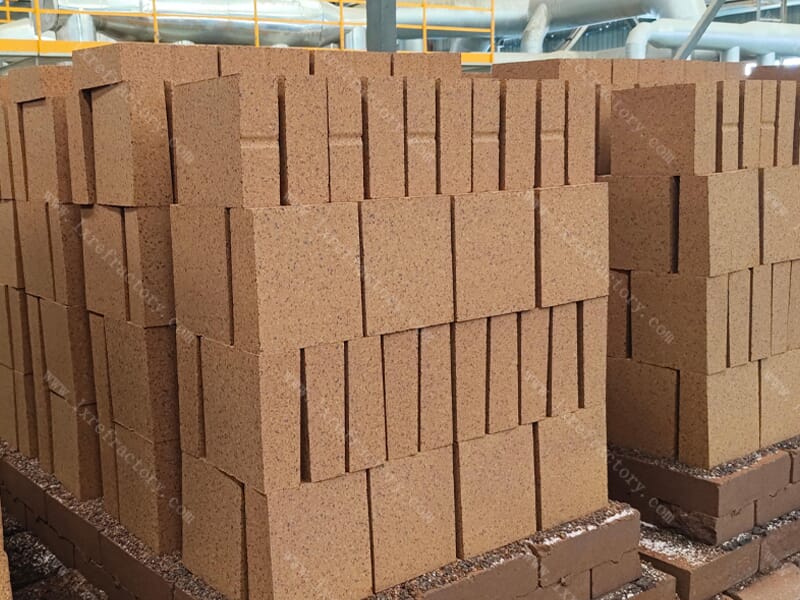
In summary, the selection of magnesia-alumina bricks for kilns should adhere to the principles of “operating conditions first, specifications matching, location suitability, and compliance and economy.” Clearly defining core needs and avoiding selection pitfalls are essential for achieving efficient and stable kiln operation and reducing maintenance costs.