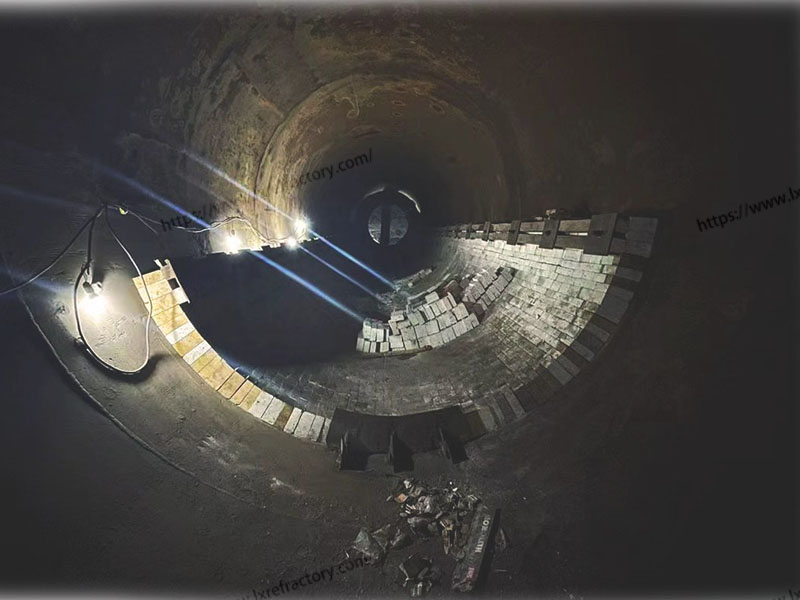
The metallurgical industry has a wide variety of kilns, which can be broadly classified into the following categories based on their heat source, structure, and working principle. These kilns are core equipment for completing pyrometallurgical processes such as roasting, smelting, and refining.
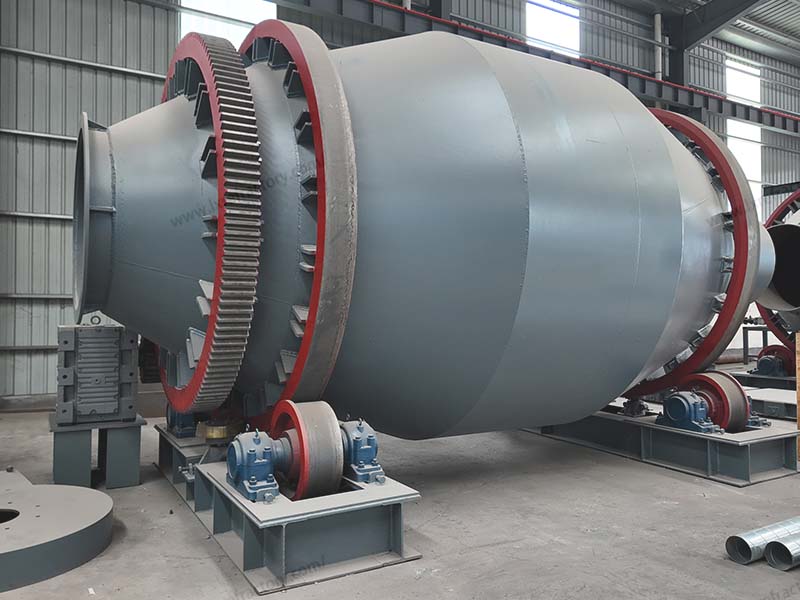
1. Rotary Kiln
This is an inclined, slowly rotating cylindrical kiln where materials tumble and move forward within the cylinder. It is mainly used in the roasting process, such as for the magnetization roasting of lean iron ore in steel plants, the calcination of aluminum hydroxide in aluminum plants, and the production of quicklime.
2. Vertical Shaft Furnace (Blast Furnace)
The characteristic of a vertical shaft furnace is its upright furnace body. Lumpy charge is added from the top, and furnace gas is blown in from the bottom or side tuyeres and passes through the charge layer, forming counter-current heat exchange. It is mostly used in smelting processes, such as traditional lead and copper smelting.
3. Flash Furnace and Molten Pool Smelting Furnace
This represents modern advanced intensified smelting technology.
Flash furnace: Utilizes a high-speed gas flow to inject dry, powdered concentrate into a high-temperature reaction tower, allowing the material to rapidly complete a chemical reaction in a suspended state. Primarily used for matte smelting of copper and nickel.
Molten pool furnace: Intensifies smelting by injecting oxygen-enriched air or fuel into the molten metal, completing the process in a violently agitated molten pool. Typical examples include the Noranda furnace and the Silver furnace.
4. Converter
Primarily used in blowing processes. For example, in steelmaking and copper/nickel matte blowing, air or oxygen is blown into the liquid metal or matte to oxidize and remove impurities. Steelmaking converters can maintain production using the heat of the chemical reaction of the charge itself, making them self-heating furnaces.
5. Electric Furnace
Utilizing electricity as a heat source, they can be divided into electric arc furnaces, resistance furnaces, and induction furnaces. They are typically used in applications requiring high temperature control or precise temperature regulation, such as refining high-quality steel, smelting ferroalloys, and casting certain non-ferrous metals.