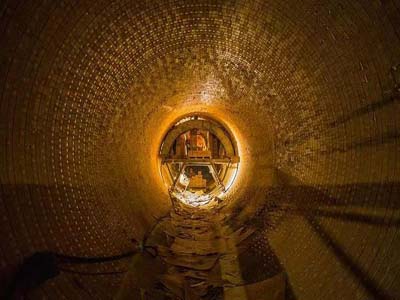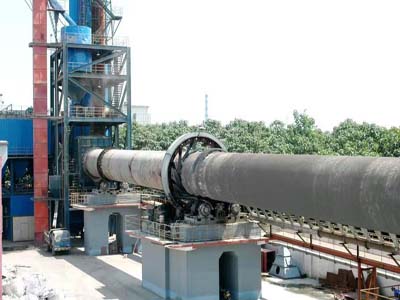
The non-ferrous metal smelting industry uses a wide variety of kilns. Based on different process stages and smelting methods, they are mainly divided into several categories: roasting/drying kilns, smelting furnaces, refining furnaces, and auxiliary heating furnaces.
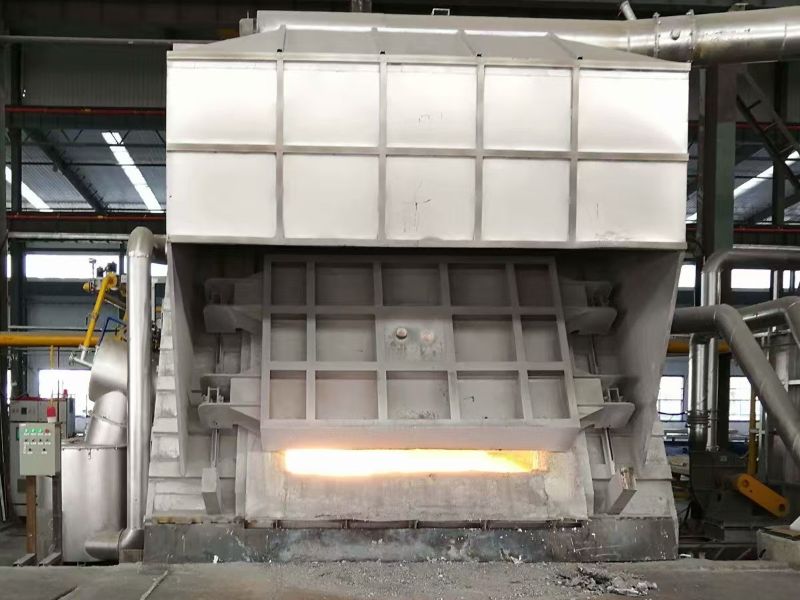
The following are some core kilns and their characteristics:
1.Smelting Furnaces: Used to initially enrich metals in ores or concentrates and separate them from gangue. Mainly includes:
Blast Furnace: A traditional vertical furnace widely used in the roughing of metals such as copper, lead, and zinc. The charge is added from the top, and high-pressure air is blown in from the bottom tuyeres, completing the melting and reaction inside the furnace. It has a relatively simple structure and strong adaptability to raw materials.
Reverberatory Furnace: A rectangular trough furnace that heats materials through heat transfer via flame reflection within the furnace chamber. It was once widely used in copper and tin smelting, but due to its high energy consumption, it is gradually being replaced by more efficient modern furnace types.
Flash Furnace: A representative of modern advanced furnace types, such as the Outokumpu flash furnace. It injects dried powdered concentrate into a high-temperature reaction tower, utilizing the huge reaction surface area to achieve rapid autothermal smelting, offering significant advantages such as low energy consumption, high automation, and environmental friendliness.
Molten Pool Smelting Furnace: The current mainstream intensified smelting technology, including the Isa furnace (top-blown submerged lance), Noranda furnace, and silver furnace. Its core principle is to violently agitate the molten pool through the lance, greatly accelerating the metallurgical reaction and achieving production efficiency far exceeding traditional furnace types.
2. Blowing and Refining Furnace: Used to process intermediate products from smelting (such as copper matte), further oxidizing and removing impurities to obtain crude metal. Or, it performs final pyrometallurgical refining on the crude metal. Mainly includes horizontal converters, anode furnaces (reverberatory or tilting furnaces), and Kaldor furnaces capable of handling various materials.
3. Roasting/Drying Kilns: Used for pretreatment of raw materials, such as desulfurization or drying. Common types include fluidized bed roasting furnaces (for zinc concentrate roasting) and rotary kilns.
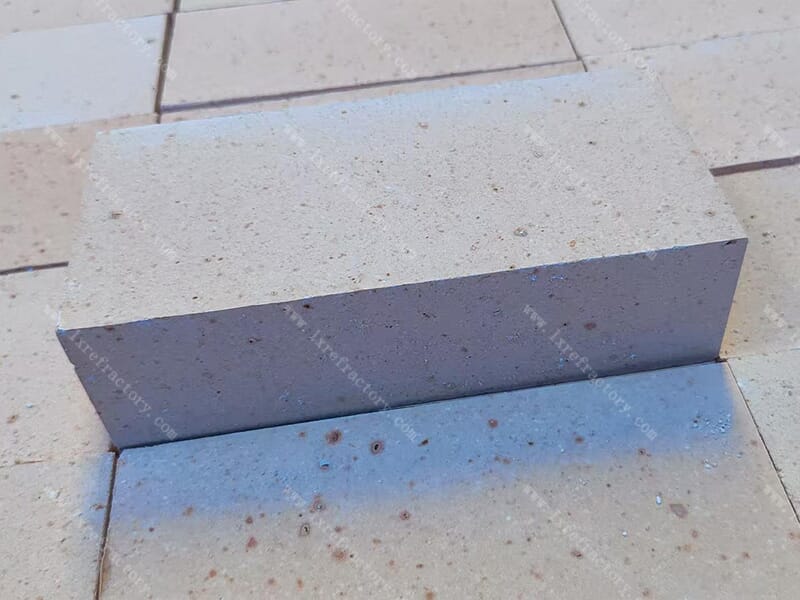
Non-ferrous metal kilns face complex operating conditions, with molten metal, alkaline slag, and acidic gases causing severe corrosion to the furnace lining. Therefore, high-performance refractory materials such as magnesia-chrome bricks, magnesia bricks, and silicon carbide bricks are commonly used to ensure the service life of the kilns.