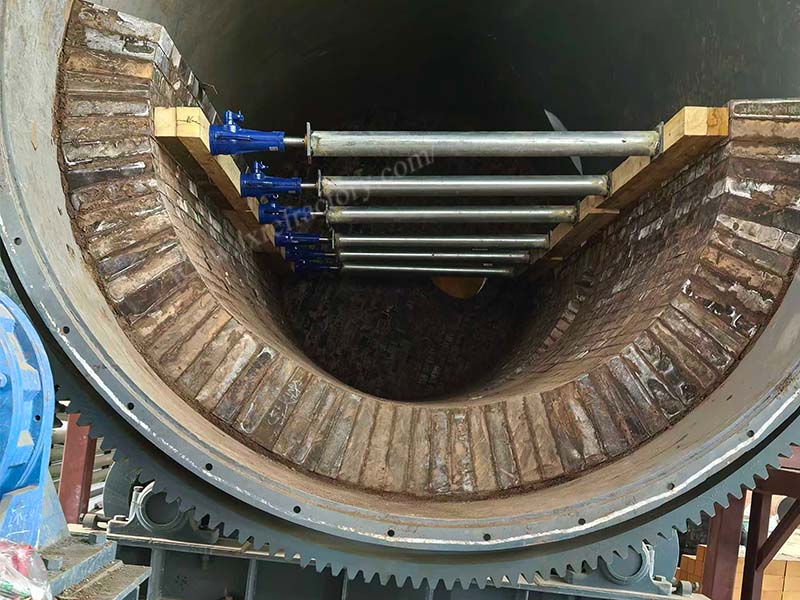
Working Conditions in Lead Smelting Converters
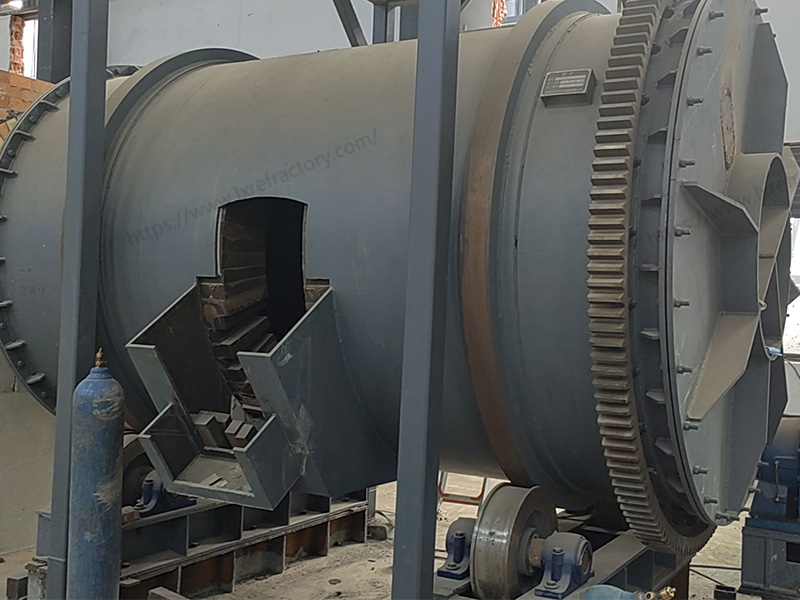
lead smelting converter
Lead smelting converters operate under harsh conditions. Firstly, the furnace temperature can reach 1200–1400℃. Secondly, alkaline lead slag erodes the lining, molten lead scours and penetrates the refractory material, and frequent charging and slag removal cause significant temperature fluctuations. Furthermore, the slag line and tuyere areas experience the fastest wear. Therefore, magnesia-chrome bricks, with their excellent material properties, have become the mainstream choice for lead smelting converter linings.
Chemical Properties of Magnesia-Chrome Bricks
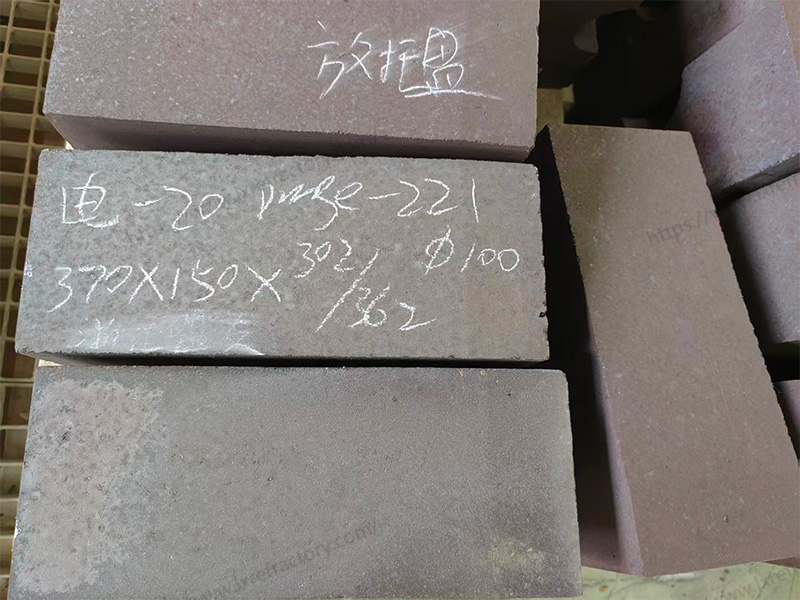
fused magnesia chrome brick
Magnesia-chrome bricks are alkaline refractory materials, with periclase and magnesia-chrome spinel as their main crystalline phases. They exhibit strong chemical stability against lead-based alkaline slags such as PbO and ZnO. In contrast, acidic refractory materials such as high-alumina bricks easily react with lead oxide to form low-melting-point compounds, allowing the slag to penetrate and melt the brick lining rapidly. Periclase, however, does not form low-melting-point eutectics with PbO within the lead smelting temperature range. Therefore, magnesia-chrome bricks effectively prevent slag from penetrating the brick body through its pores and inhibit structural spalling.
Physical Properties
Secondly, magnesia-chrome bricks possess high high-temperature strength and outstanding resistance to molten slag erosion. During converter blowing, high-speed matte and molten slag continuously scour the furnace lining, while intense airflow impacts the tuyere areas. The dense magnesia-chrome spinel structure and high refractoriness under load enable these bricks to withstand long-term mechanical erosion and wear, making them suitable for high-risk areas such as slag lines and tuyeres.
At the same time, magnesia-chrome bricks exhibit good thermal shock resistance. In lead smelting converters, intermittent operation, charging, slag removal, and blast shutdowns all cause sudden temperature changes. Magnesia-chrome bricks maintain moderate thermal expansion and, compared with pure magnesia bricks, resist cracking and spalling more effectively under repeated heating and cooling. As a result, they help maintain furnace lining stability and extend maintenance intervals.
In summary, magnesia-chrome bricks effectively withstand the alkaline slag corrosion, high-temperature erosion, and temperature fluctuations inside lead smelting converters. By balancing slag resistance, erosion resistance, and thermal shock stability, these bricks reduce the frequency of furnace shutdowns for maintenance and ensure continuous, stable lead smelting production. Therefore, lead smelting operators widely use magnesia-chrome bricks in converter linings.