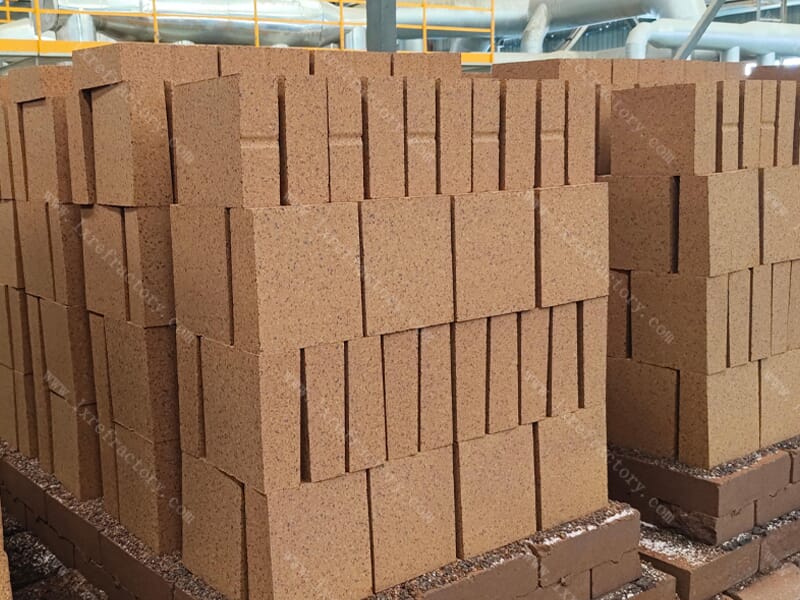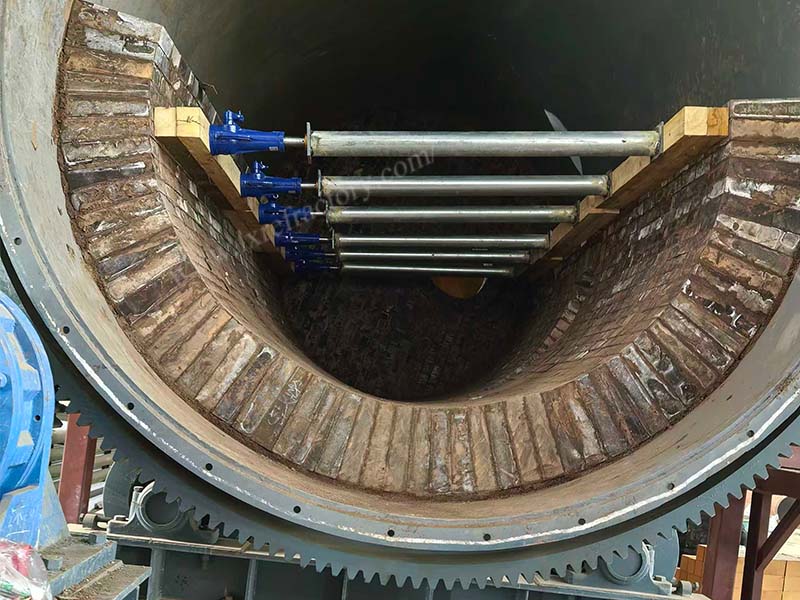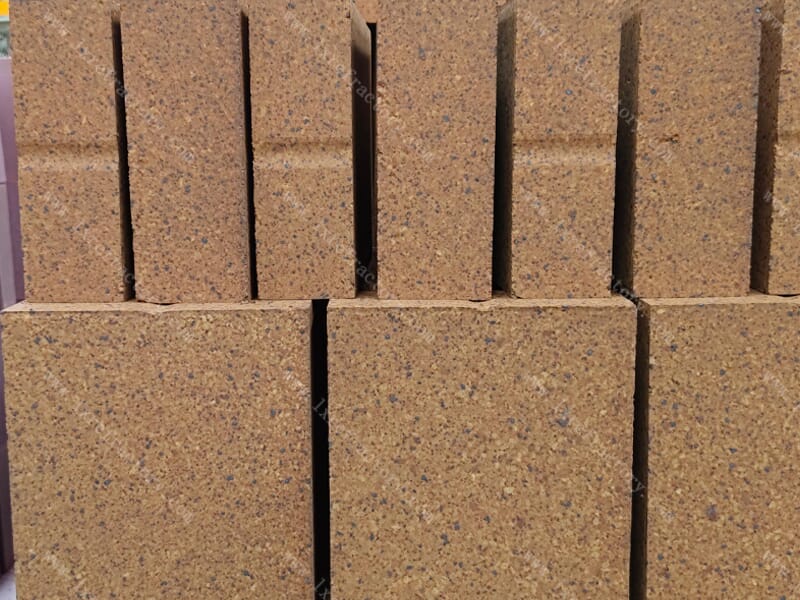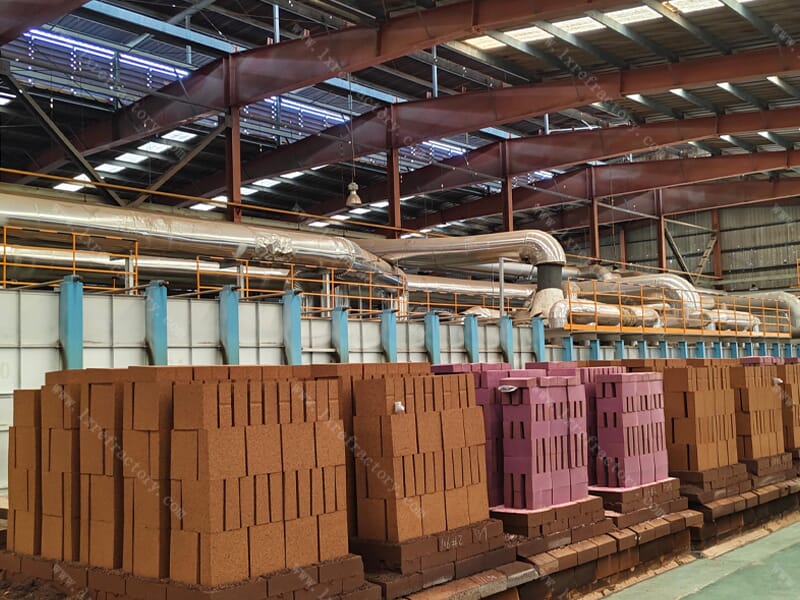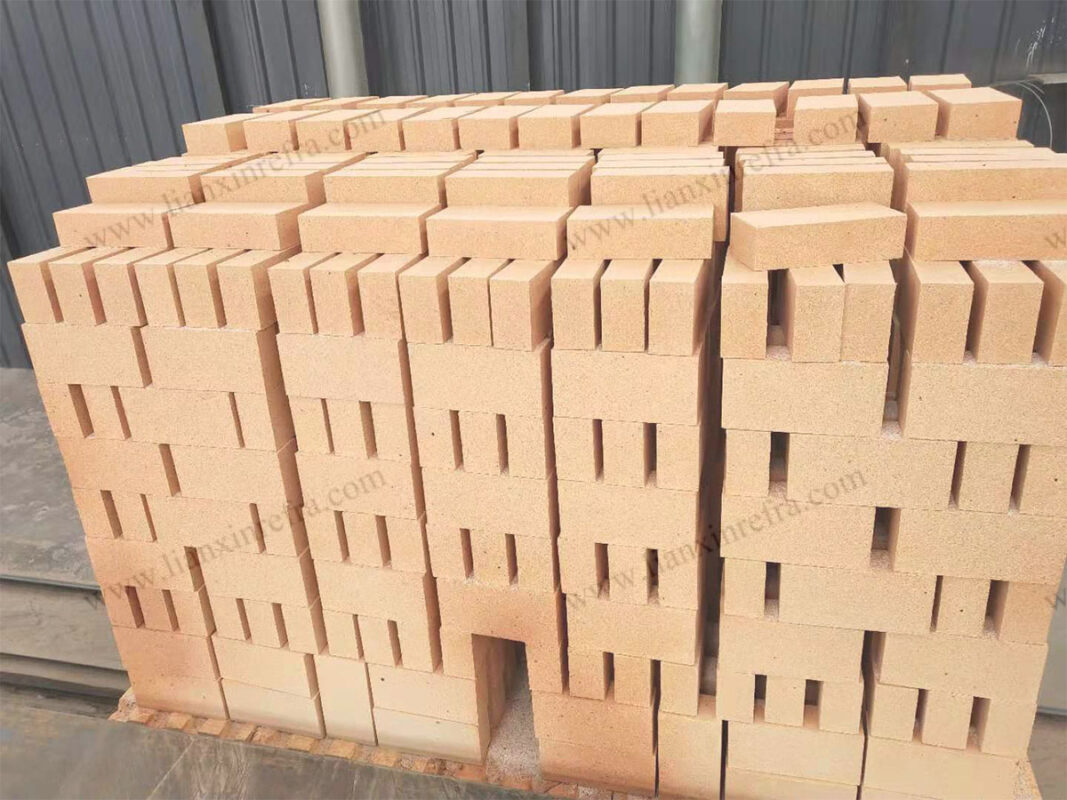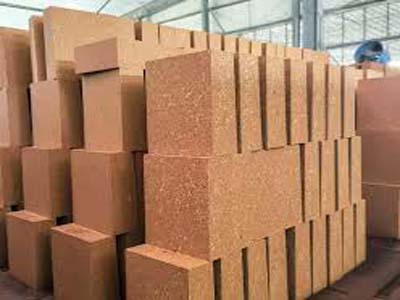
Fire bricks are the “protective armor” of kilns in the steel industry, directly determining their service life, production efficiency, and safety level. During steel smelting, kilns (converters, blast furnaces, sintering furnaces, etc.) operate at temperatures above 1300℃ for extended periods, enduring multiple challenges including slag erosion, thermal shock, and mechanical wear. Selecting the right fire bricks can significantly reduce downtime losses and safety hazards, while incorrect selection can lead to serious accidents such as kiln leaks and collapses.
Based on the characteristics of steel industry kiln operations, the following details the fire brick selection method from four aspects: core principles, key factors, selection by component, and precautions, providing practical reference for industry practitioners.
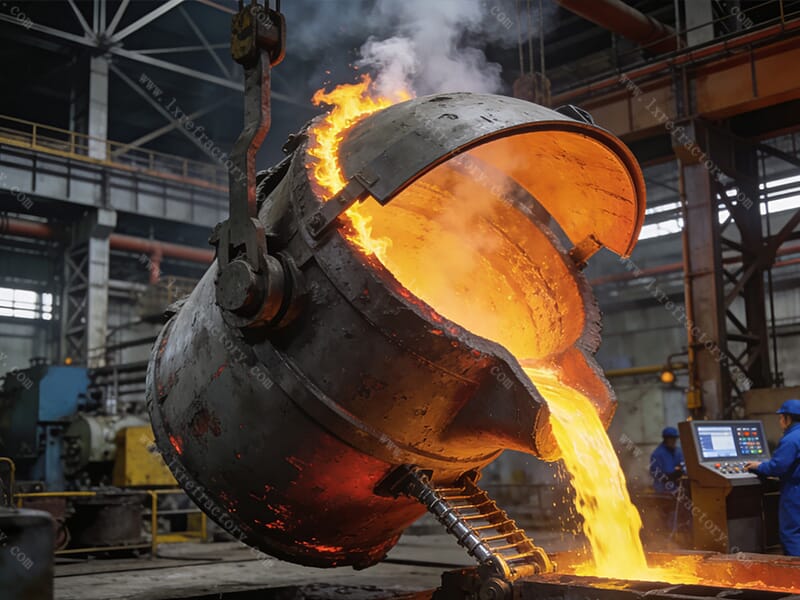
Steel Ladle
1. Core Principles
The primary principle for selecting fire bricks for steel industry kilns is “suitability for operating conditions, performance priority, and economic rationality.” Steelmaking kilns come in various types, with converters, blast furnaces, and sintering furnaces exhibiting significant differences in operating temperature, media environment, and mechanical load. Therefore, fire brick performance must be specifically matched to these differences. Simultaneously, a balance between service life and cost must be considered to avoid waste from blindly pursuing high-end materials or frequent maintenance and downtime due to the selection of cheap, inferior products.
2. Key Factors
Understanding the kiln’s operating conditions is a prerequisite for selection, with three key factors being the primary focus.
Firstly, operating temperature. Different kilns and parts exhibit significant temperature differences. Converter slag line temperatures can reach over 1600℃, blast furnace hearths operate under high temperature and pressure for extended periods, and sintering furnace temperatures are approximately 1300℃. The refractoriness of the fire bricks must be at least 100℃ higher than the actual operating temperature, and the load softening temperature must also meet the requirements of the corresponding operating conditions to prevent softening and deformation at high temperatures.
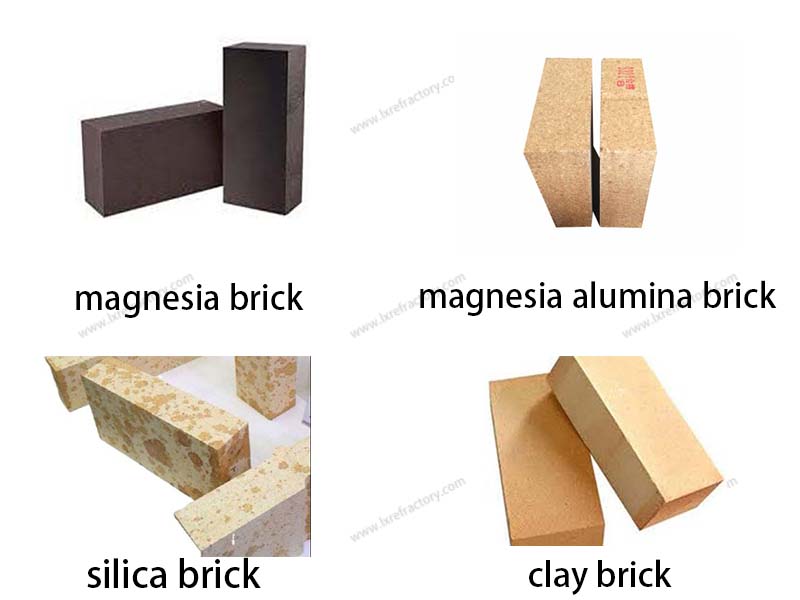
Secondly, chemical corrosion environments are a concern. Iron and steel slag can be alkaline or acidic. In strongly alkaline slag environments such as converters, magnesia fire bricks with strong alkali resistance are required. In acidic environments such as coke ovens, silica fire bricks can be used to avoid reactions between the fire bricks and the slag, which could lead to performance degradation.
Thirdly, mechanical loads and thermal shock are crucial. Mechanical impacts during kiln feeding and discharging, as well as thermal shocks caused by start-up, shutdown, and temperature fluctuations, require fire bricks to possess sufficient compressive strength and thermal shock resistance. For areas with large temperature fluctuations, composite fire bricks containing graphite and fibers are preferred.
Understanding the core performance indicators of fire bricks is key to determining their suitability. These core properties include refractoriness, softening temperature under load, thermal shock resistance, erosion resistance, and abrasion resistance.
Refractory strength determines its high-temperature limit and must be selected appropriately based on the kiln’s highest temperature. The softening temperature under load reflects the ability to withstand loads at high temperatures and directly affects the structural stability of the kiln. Thermal shock resistance is measured by the number of thermal shock cycles; the more cycles, the more suitable it is for areas with frequent temperature fluctuations. Erosion resistance needs to be matched to the type of slag. Magnesia-carbon bricks have strong alkali resistance, while high-alumina bricks offer balanced erosion resistance. Wear resistance is crucial for areas subjected to particle impact, such as dust removal pipes in sintering furnaces; wear-resistant materials like silicon carbide bricks are preferred.
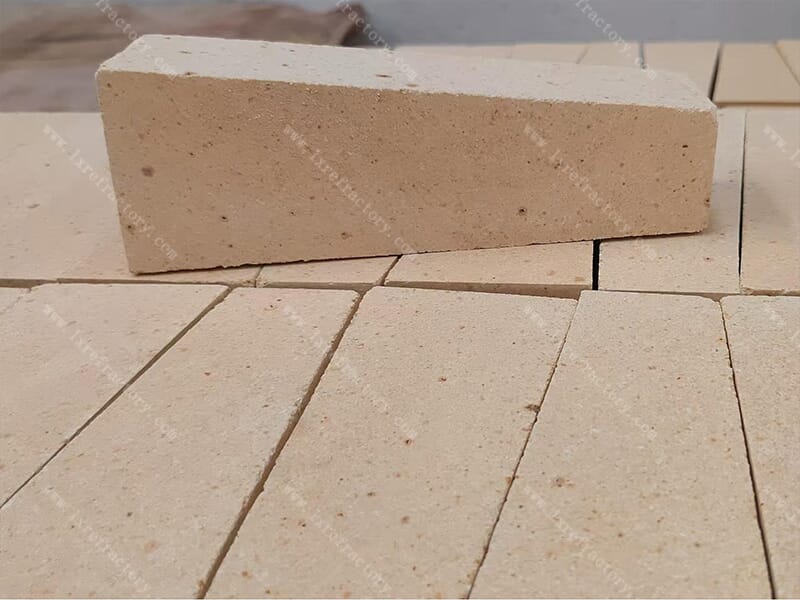
lianxin fire brick
3. Partial Selection
Precise part selection is key to extending the overall service life of the kiln. Different kilns and different parts of the same kiln have significantly different operating conditions, requiring differentiated selection.
In the converter section, the slag line area is subject to erosion by strongly alkaline slag and high-temperature impact; magnesia-carbon bricks are preferred, with graphite content controlled at 20%-30%. Too low a content results in poor thermal shock resistance, while too high a content leads to easy oxidation; an anti-oxidation coating can be used to extend service life. Magnesia-alumina spinel bricks can be used in the furnace body, balancing erosion resistance and economy. In the blast furnace section, the hearth uses a combination of carbon bricks and ceramic cups. The carbon bricks resist molten iron penetration, while the ceramic cups resist slag and iron erosion. The ash content of the carbon bricks must be controlled below 10%. In high-temperature load-bearing areas such as the furnace roof and walls, high-alumina shaped bricks with an Al₂O₃ content ≥60% are selected to improve thermal shock resistance and erosion resistance. In the sintering furnace section, high-temperature load-bearing areas such as the furnace roof and sidewalls use a combination of high-alumina bricks and clay bricks. The high-alumina bricks cope with high-temperature erosion, while the clay bricks enhance structural stability. In the insulation zone, diatomaceous earth bricks and clay insulating bricks are used, emphasizing low thermal conductivity and low bulk density to reduce heat loss. In wear-resistant parts such as dust collector pipes and impact plates, silicon carbide bricks with a SiC content ≥90% are selected, utilizing their ultra-high compressive strength and wear resistance. Furthermore, in the cooler section, silicon carbide bricks or high-alumina wear-resistant bricks with an Al₂O₃ content ≥80% can be used, with the wear rate controlled below 2mm/year.
Balancing economic efficiency with construction and maintenance is crucial to maximizing the benefits of refractory selection. When selecting fire bricks, avoid focusing solely on cost without considering lifespan. While low-priced fire bricks may have a lower initial investment, they are easily damaged and require frequent replacement, ultimately increasing overall costs. High-end fire bricks, although requiring a higher initial investment, offer a longer service life and lower maintenance costs, making them more economical in the long run. Simultaneously, consider ease of construction. Irregularly shaped bricks must be matched to the kiln structure to ensure tight installation and controlled gaps. Phosphate mortar should be used for grouting in high-temperature zones. Furthermore, pay attention to the storage and kiln drying requirements of fire bricks. For example, magnesia refractory bricks require proper moisture protection during storage, and the heating curve must be strictly followed during kiln drying to prevent cracking due to rapid moisture evaporation.
4. Precautions
Finally, industry standards and environmental requirements must be considered. The selected fire bricks must comply with national steel industry refractory material standards. Prioritize products that have passed third-party testing to ensure performance meets standards. Simultaneously, in response to the requirements of green and low-carbon transformation, fire bricks containing harmful components such as chromium are being gradually phased out, while environmentally friendly magnesia-calcium bricks and chromium-free alkaline bricks are being promoted, balancing safe production with environmental compliance.
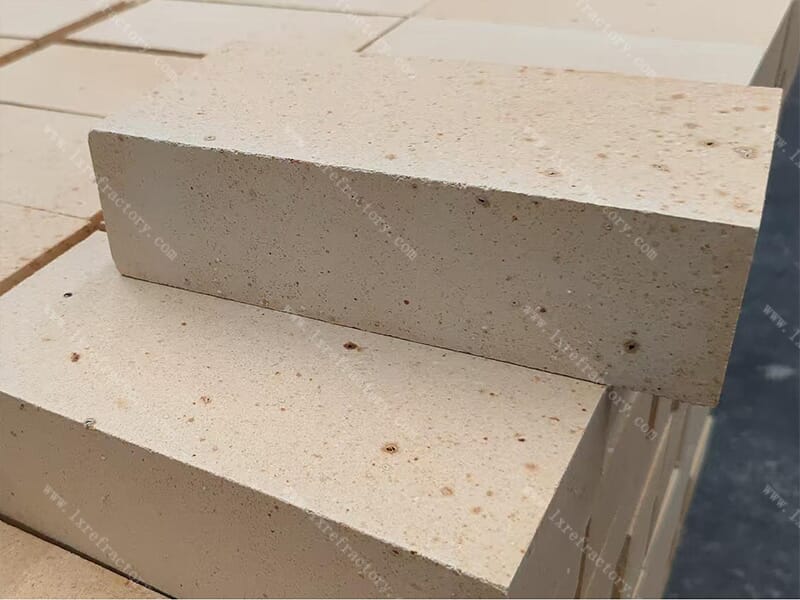
lianxin fire bricks
In summary, the selection of fire bricks for kilns in the steel industry is a systematic project. It requires precise matching based on kiln type, operating conditions, temperature, chemical environment, and mechanical load, taking into account performance, cost, and construction and maintenance, and differentiating the selection according to different parts. Only by selecting the right refractory bricks and using them effectively can the service life of the kiln be extended, production costs reduced, and the safe, efficient, and stable operation of steel smelting production ensured.
As one of top fire brick suppliers in China,Henan Ruitai Lianxin Refractory Materials Co., Ltd is a modern R&D-centered refractory manufacturer manufacturing enterprise integrated with refractories sales and marketing, furnace engineering construction, recycling and sales of waste refractories as well as refractory raw material, technology and goods import and export, and technical services. If you have any needs for refractory materials and purchase refractory bricks, please contact us and we will provide you with the best service.