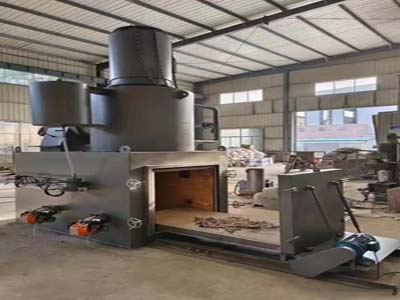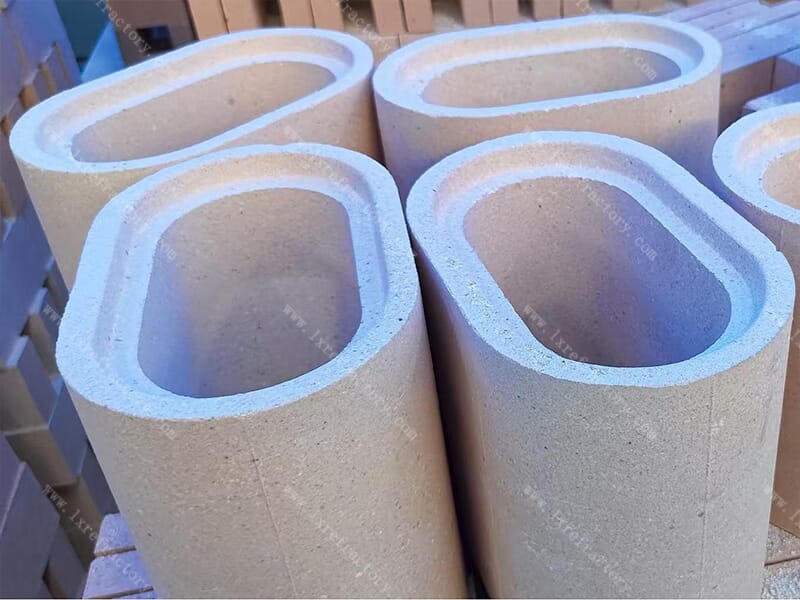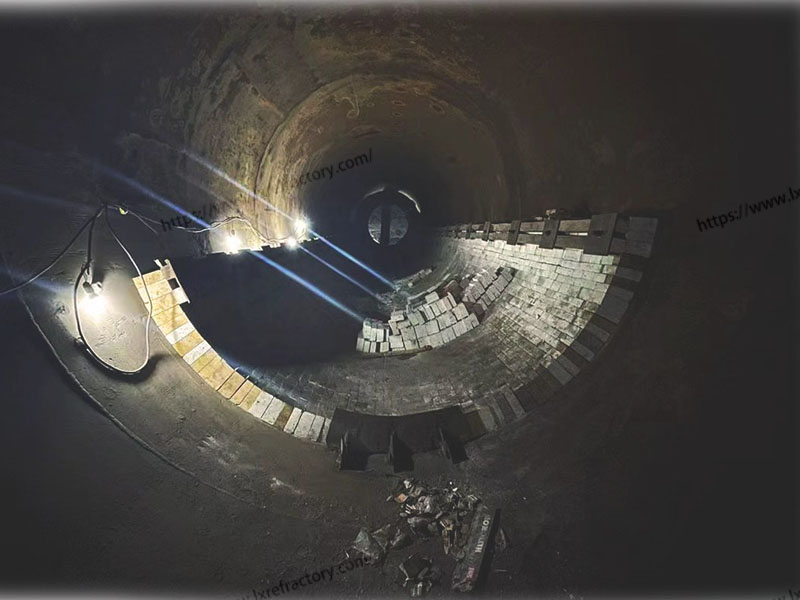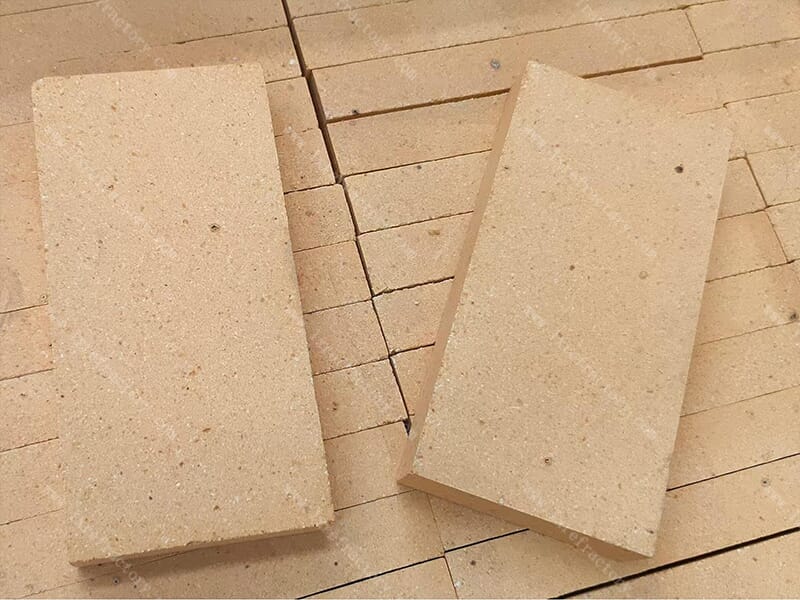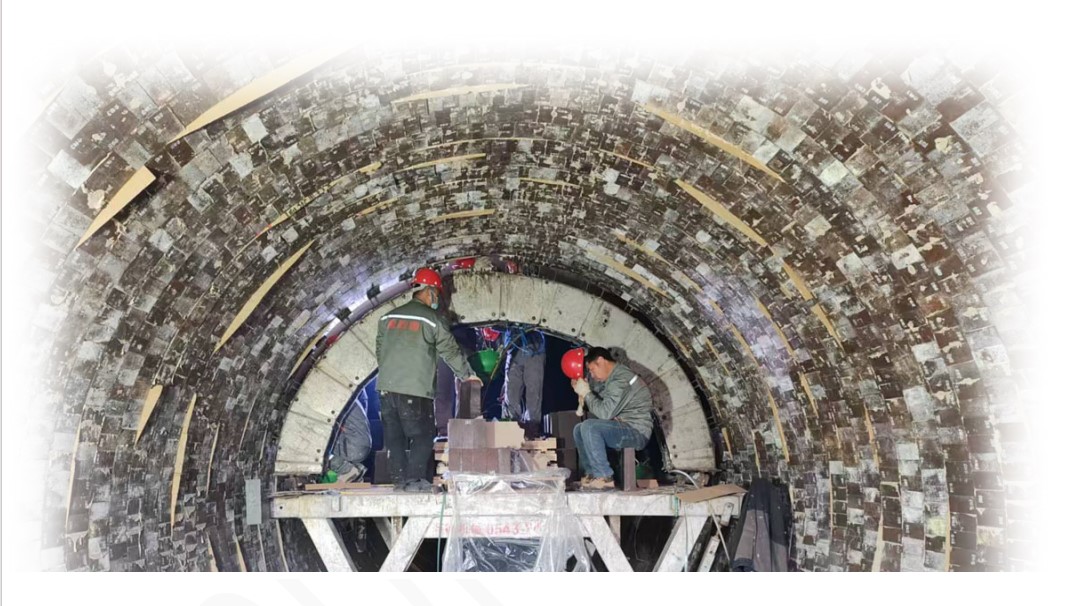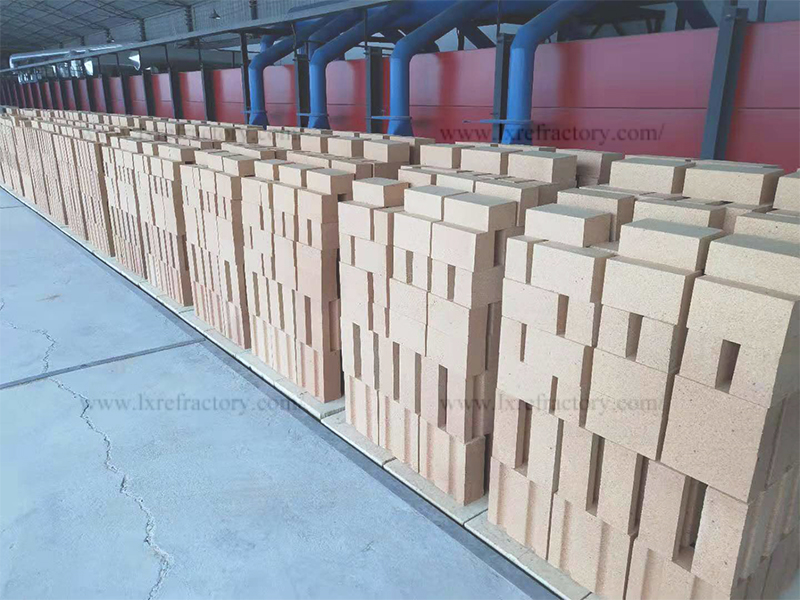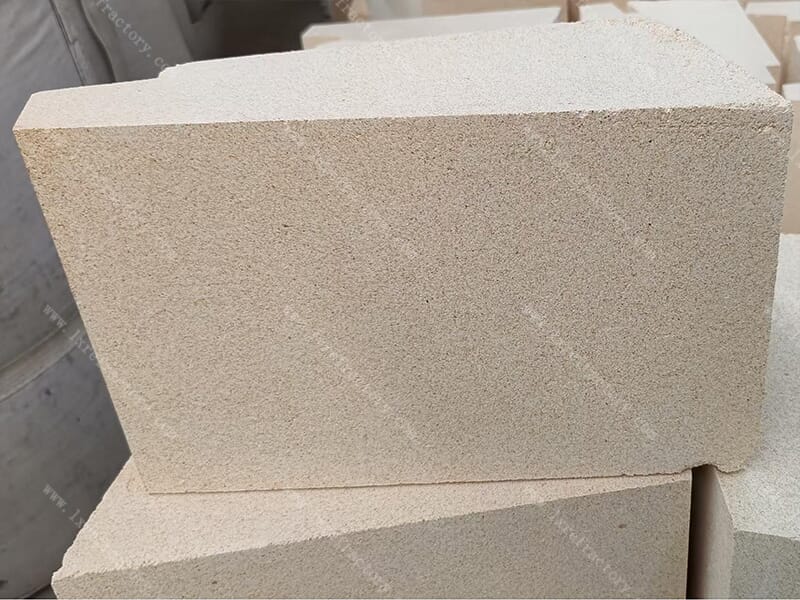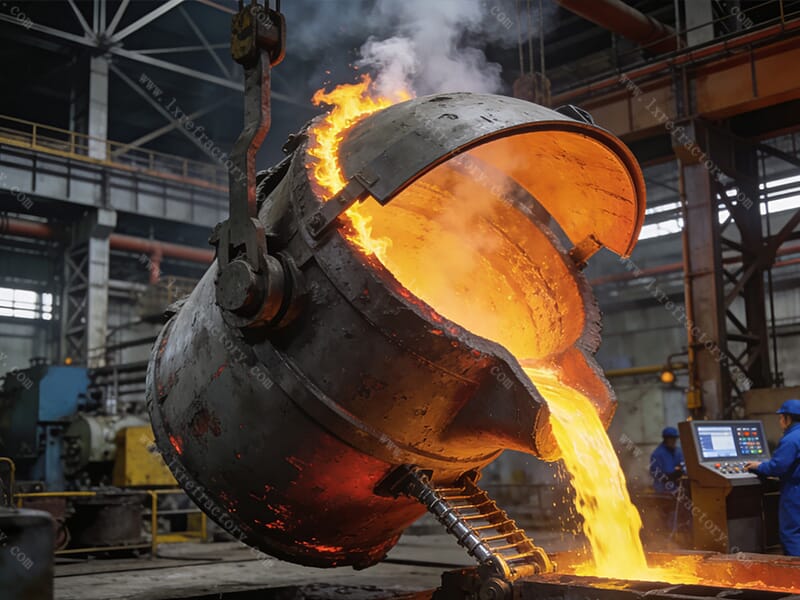
Regular refractories are an essential component in thermal insulation for industrial processes. These materials are designed to withstand high temperatures and are used to line furnaces, kilns, and other high-temperature processing equipment. Regular refractories are made from a variety of materials, including clay, silica, alumina, and magnesite, and are carefully formulated to provide excellent thermal insulation and chemical resistance, making them ideal for use in a wide range of industrial applications.
One of the main functions of regular refractories is to provide thermal insulation, effectively containing and conserving the heat within the processing equipment. This is crucial for maintaining high operating temperatures and ensuring the efficient and effective performance of industrial processes such as smelting, casting, and heat treating. Regular refractories also help to protect the exterior of the equipment from excessive heat, extending its service life and reducing the risk of damage or failure.
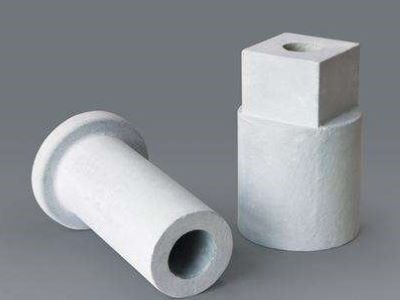
Silicon nitride bonded silicon carbide brick
In addition to thermal insulation, regular refractories offer excellent resistance to chemical corrosion and mechanical abrasion. Many industrial processes involve the use of aggressive chemicals or abrasive materials, and regular refractories provide a protective barrier that helps to extend the lifespan of the equipment and reduce maintenance costs. The ability of regular refractories to withstand chemical attack and mechanical wear is vital in ensuring the long-term performance and reliability of industrial processing equipment.
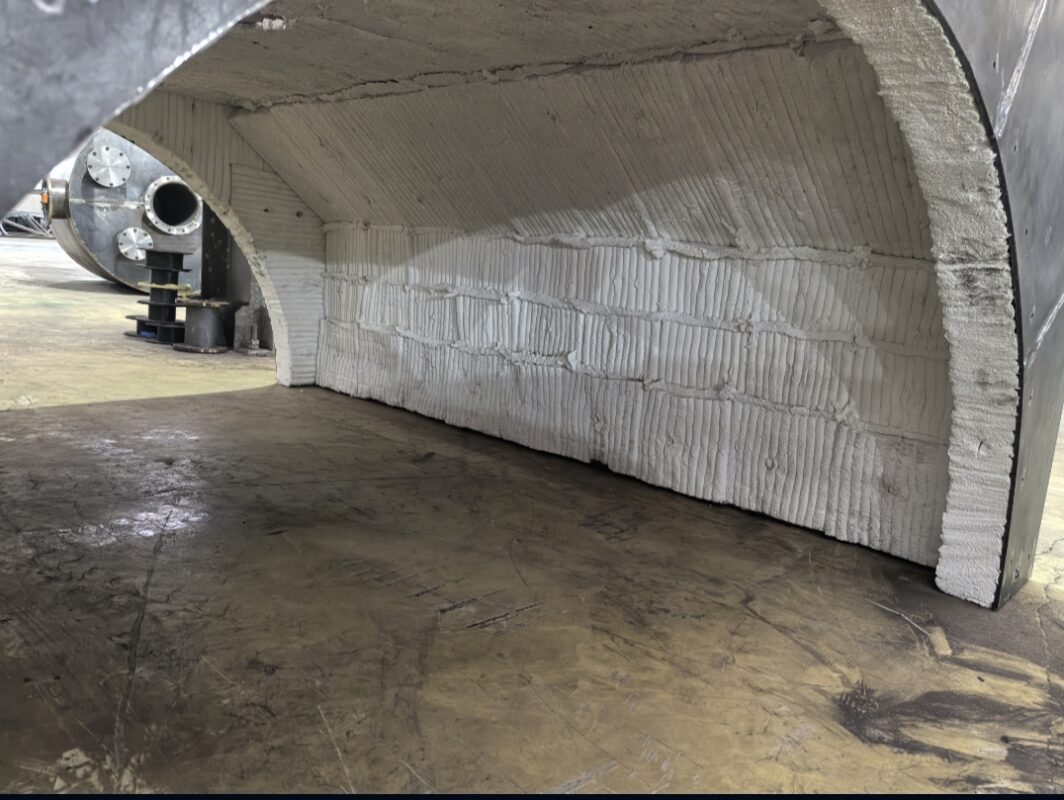
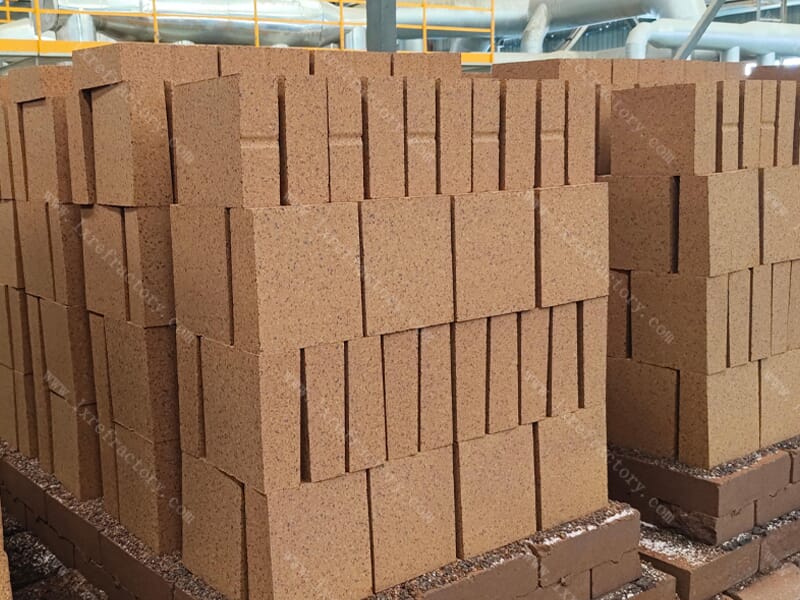
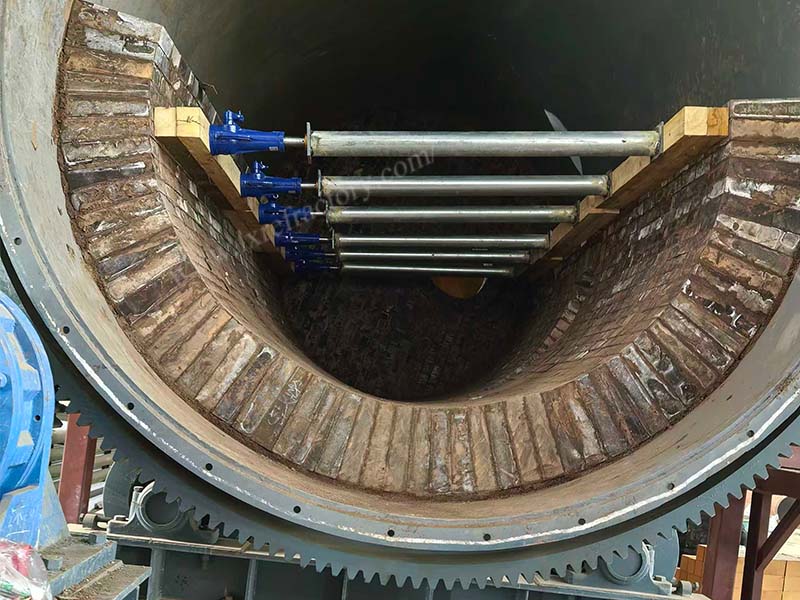
Regular refractories are available in a wide range of forms, including bricks, castables, and ceramic fibers, allowing for flexibility in their application based on the specific needs of a given industrial process. Bricks are commonly used for lining the walls and floors of furnaces and kilns, offering superior strength and durability. Castables are utilized to provide a seamless lining for equipment with complex shapes, while ceramic fibers are used for their excellent insulating properties in applications where weight and space limitations are a concern.
The choice of regular refractories for a particular industrial process depends on several factors, including the operating temperature, the nature of the materials being processed, and the specific conditions within the equipment. Manufacturers and engineers must assess these factors to select the most suitable refractory materials and installation methods to ensure optimal performance and longevity of the equipment.
In conclusion, regular refractories play a critical role in providing thermal insulation and protection for industrial processing equipment. With their ability to withstand high temperatures, resist chemical corrosion, and provide superior insulation, regular refractories are indispensable in maintaining the efficiency and reliability of industrial processes. By selecting the appropriate regular refractory materials and installation methods, manufacturers can ensure the safe and effective operation of their equipment, leading to increased productivity and reduced maintenance costs.