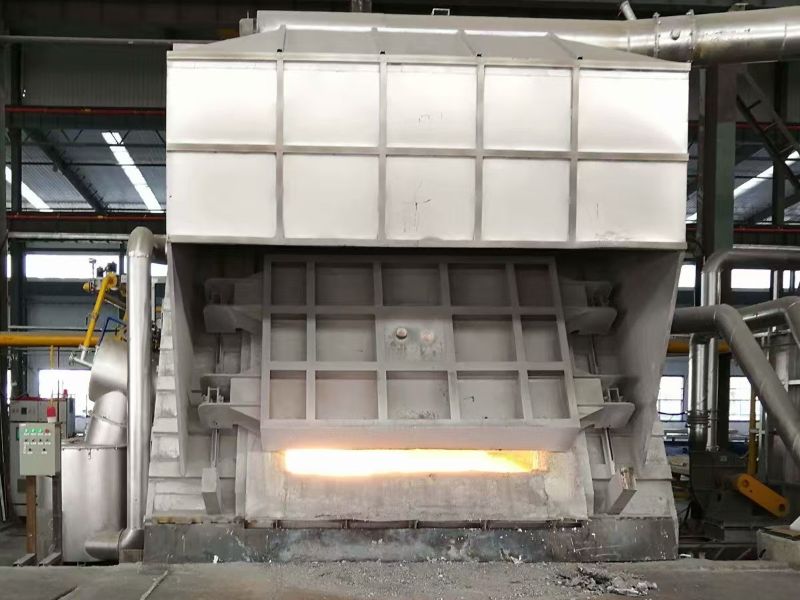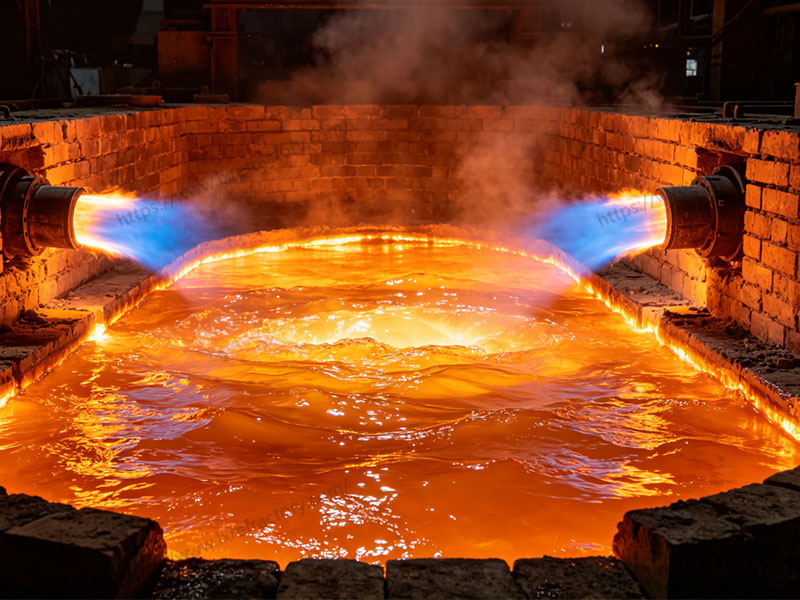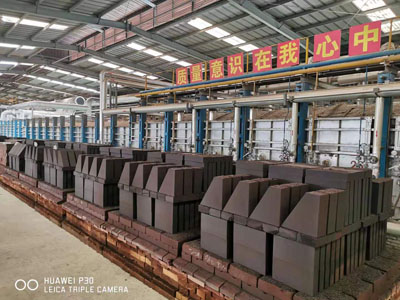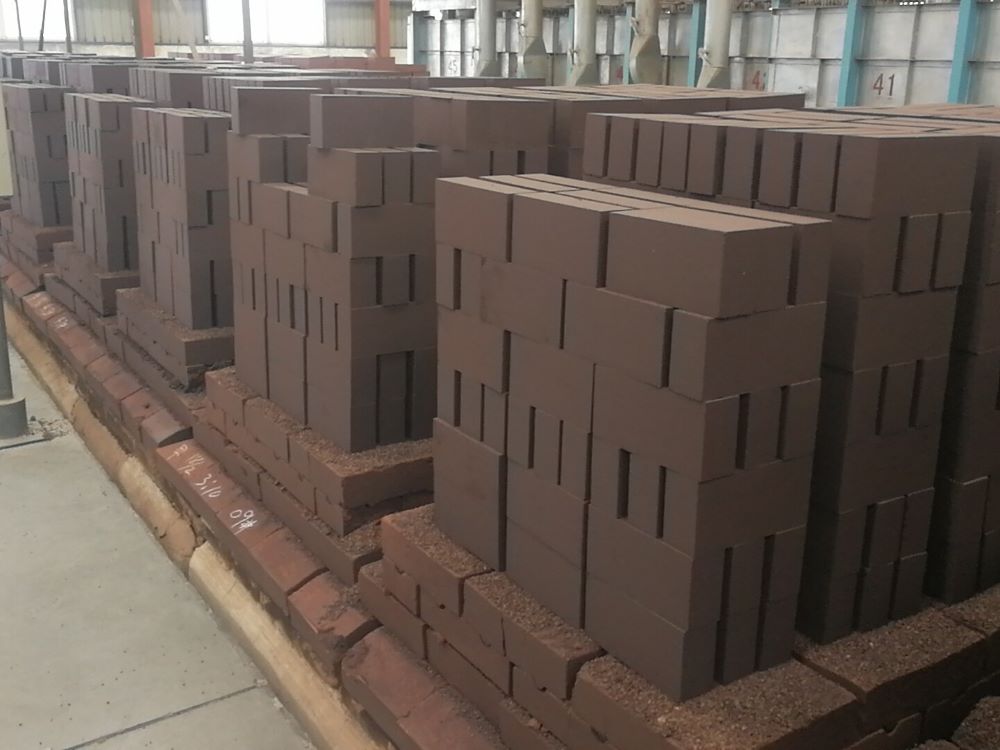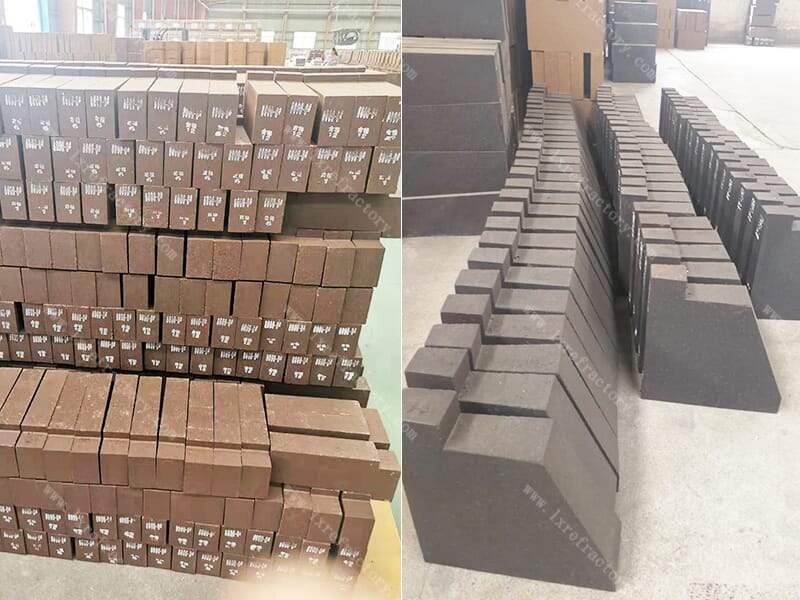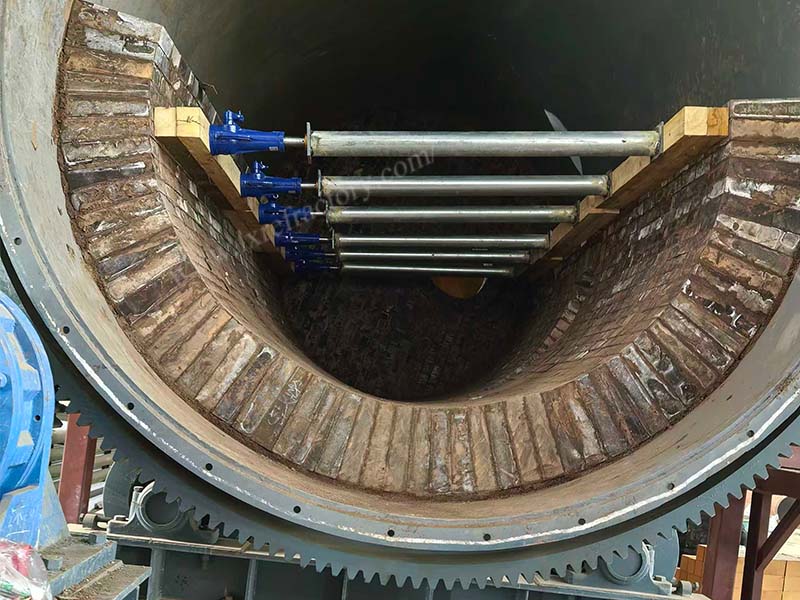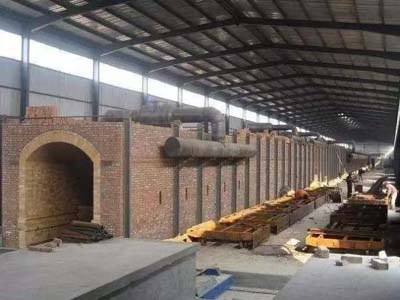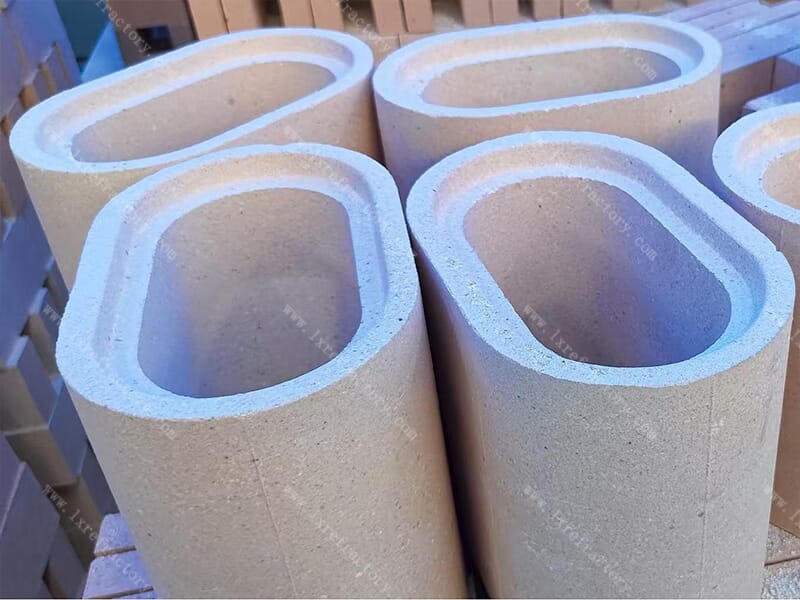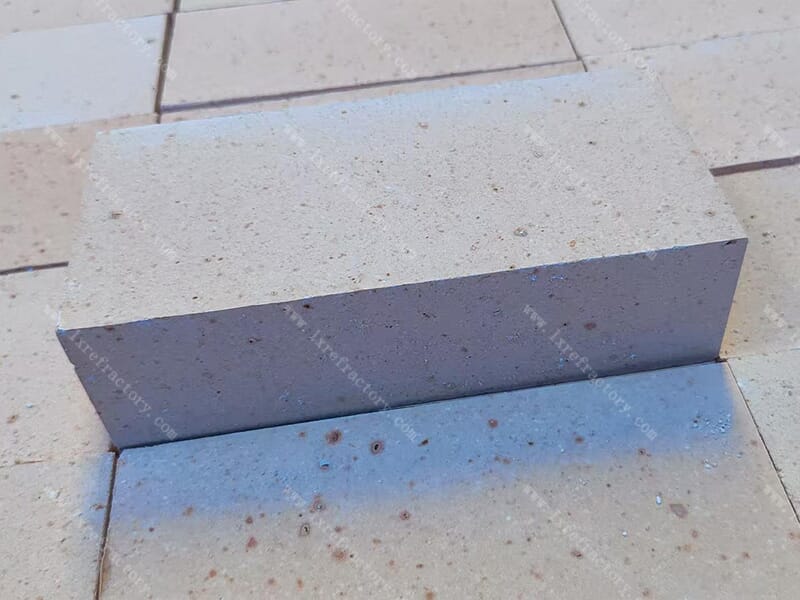
Glass furnaces must withstand harsh conditions such as high temperatures and molten glass corrosion. The selection of furnace bricks directly affects the furnace’s lifespan and glass quality. Commonly used furnace bricks in the industry can be categorized by material and application, adapting to the working needs of different parts of the furnace.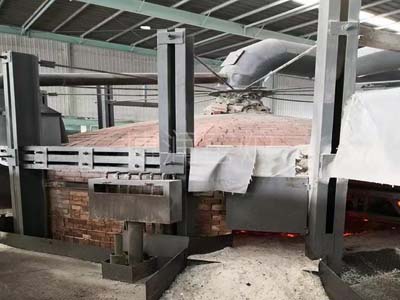
Fused zirconia-corundum bricks, also known as AZS bricks, are the core bricks used in glass furnaces. They are classified into three grades (33, 36, and 41) based on zirconia content, with a maximum service temperature of approximately 1700℃. They are dense, highly resistant to molten glass corrosion, and cause minimal contamination to the molten glass. They are mainly used in furnace pool walls, flow channels, and other areas directly in contact with molten glass and subject to the most severe corrosion, making them the most widely used fused casting refractory material in the glass industry.
Silica bricks, with silica as the main component (over 93%), have high load deformation temperature and good airtightness, with a maximum service temperature of 1600~1650℃. They are suitable for constructing high-temperature areas such as the furnace arch and breast wall, but have poor thermal shock stability and are not suitable for areas with drastic temperature fluctuations.
High-alumina bricks, with an alumina content greater than 46%, are resistant to high temperatures and acid/alkali corrosion, with a maximum operating temperature of 1500-1650℃. They are widely used in regenerators, working tanks, and material channels. Based on alumina content, they are classified into three grades, with performance increasing with higher alumina content.
Mullite bricks, with mullite as their main crystalline phase, have high refractoriness and good thermal shock resistance. They are available in sintered and fused types. Sintered mullite bricks are used for regenerator walls. Fused mullite bricks are suitable for tank walls, observation holes, and other areas, effectively resisting glass melt corrosion.
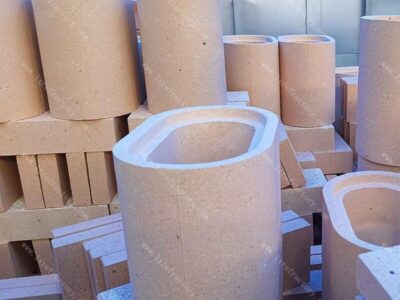
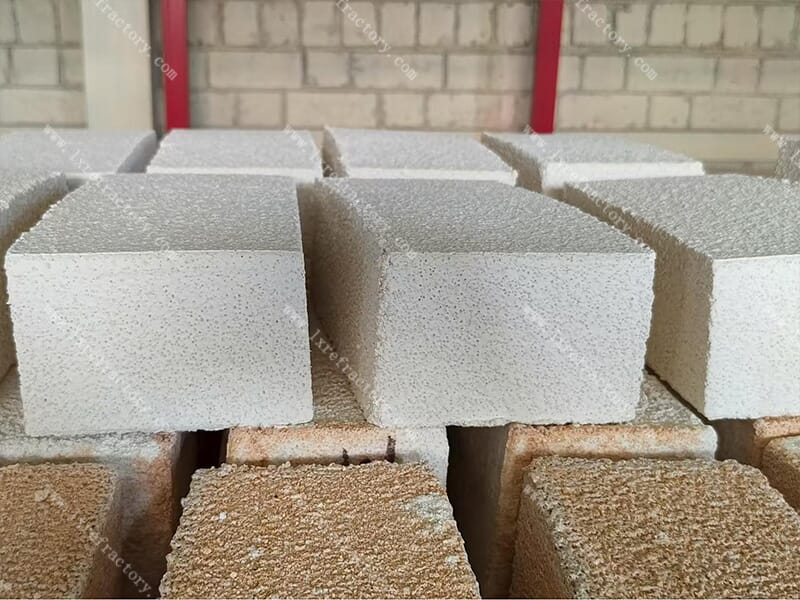
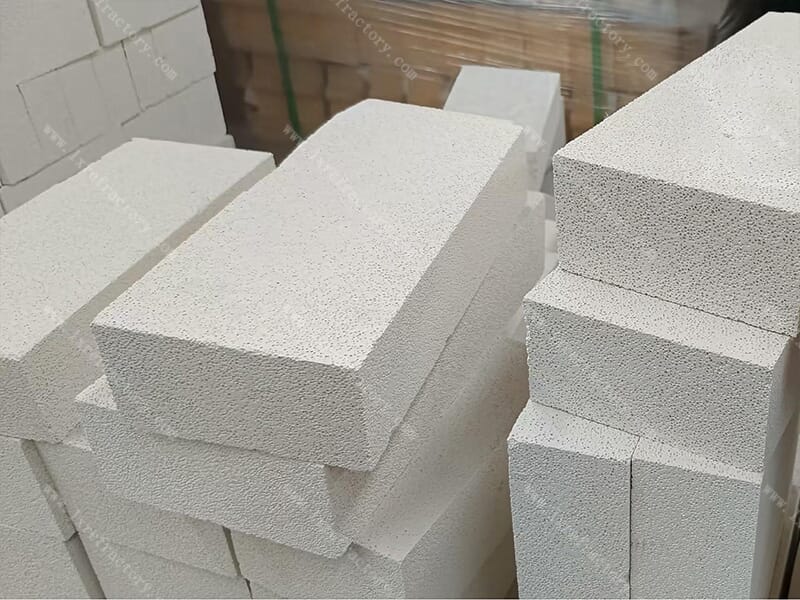
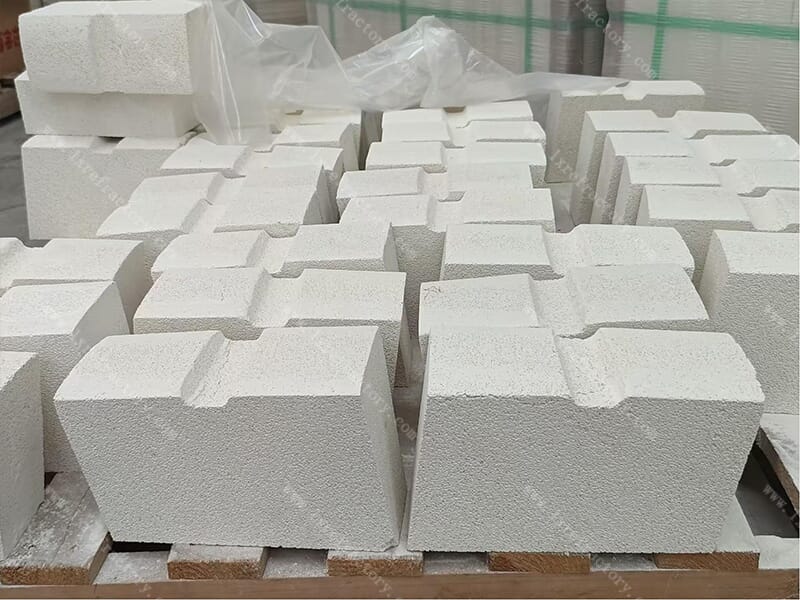
Furthermore, low-porosity clay bricks, with high strength and good thermal shock resistance, are used in the lower part of the regenerator. Lightweight insulating bricks, with high porosity and low thermal conductivity, are used in the kiln insulation layer to reduce heat loss. A combination of various furnace bricks is essential to ensure the stable and efficient operation of the glass kiln and to meet the different operating conditions required for glass production.