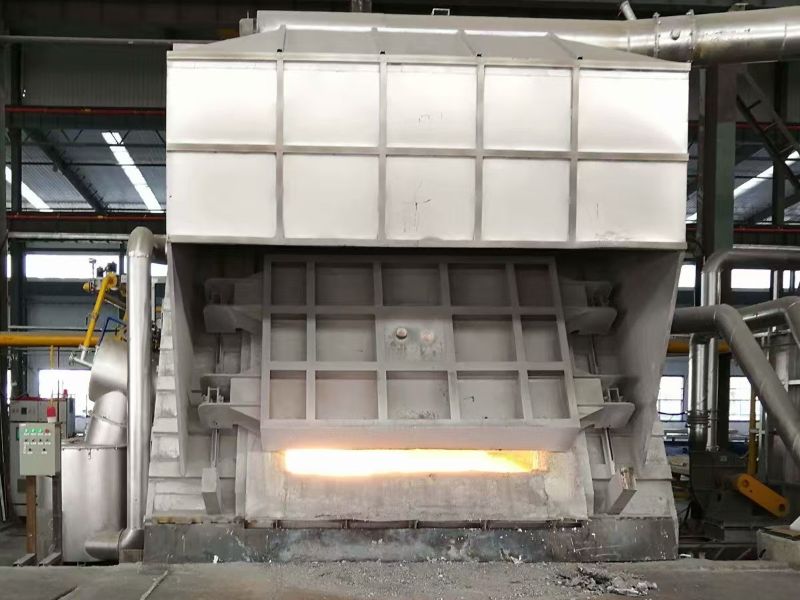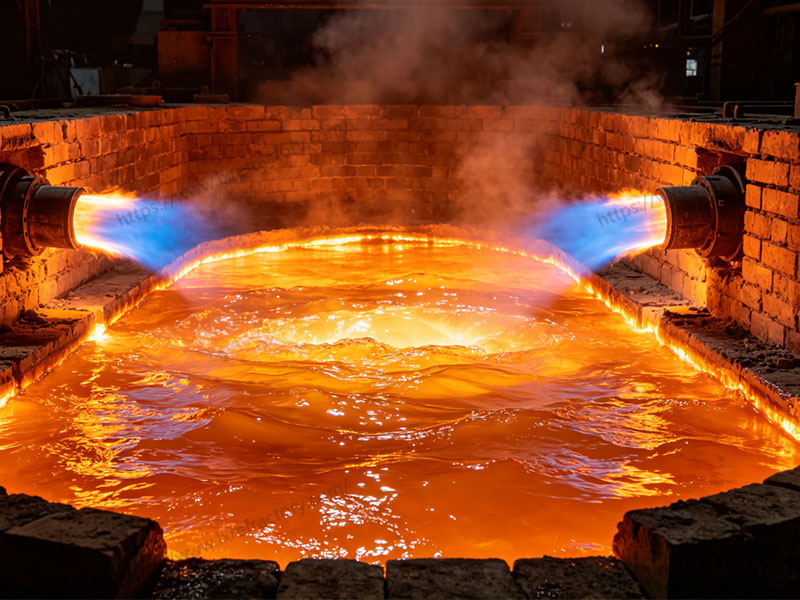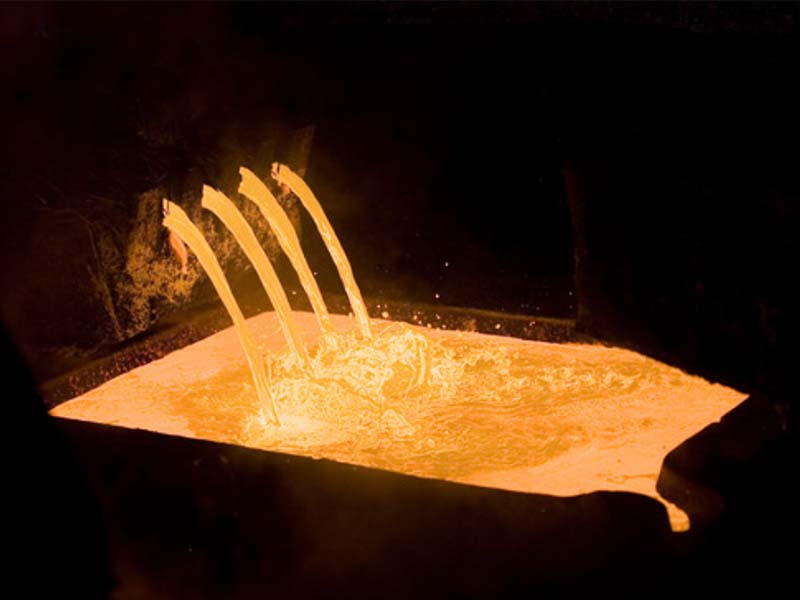
The high-temperature and harsh conditions of converter steelmaking place extreme demands on the performance of refractory materials. Refractory materials are the core of stable converter operation; their quality and compatibility directly determine smelting efficiency, furnace lifespan, and production safety. The high temperatures exceeding 1700℃ within the converter, the intense erosion from molten steel and slag, and the thermal shock from sudden temperature changes all require high-performance refractory materials to withstand.
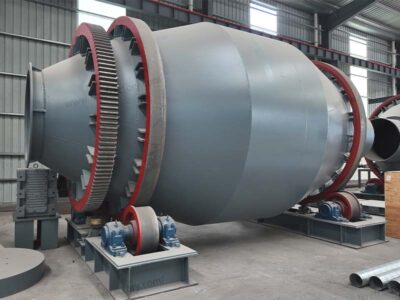
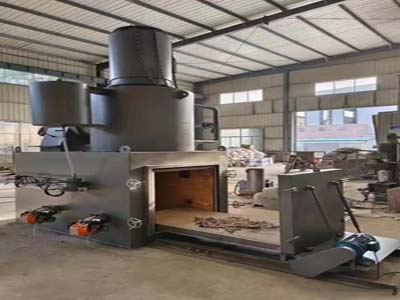
converter
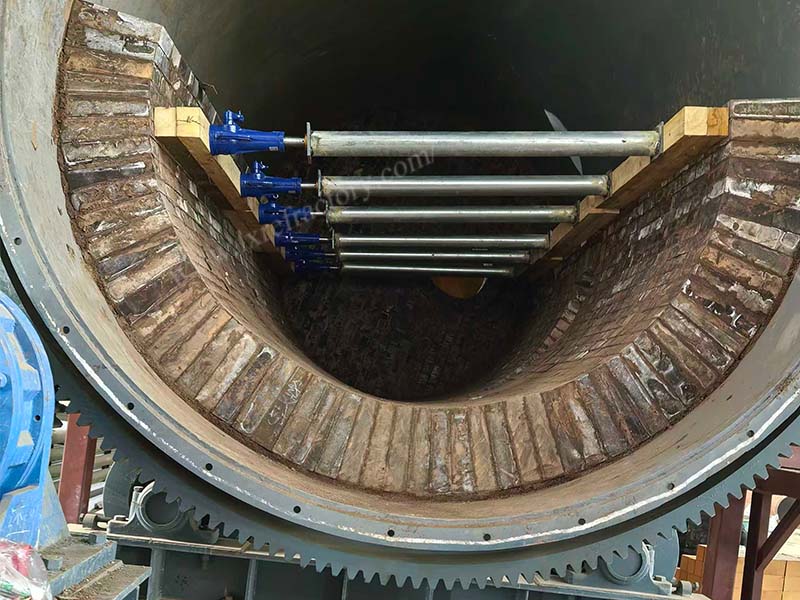
Refractory materials for converters are classified according to their application areas, with the core being the refractory materials for the working layer, permanent layer, and insulation layer.
Working Layer:
As the key layer directly facing the high-temperature molten metal, the working layer primarily uses magnesia-carbon bricks.
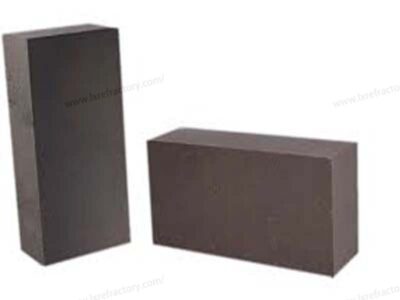
Magnesia-carbon bricks
These combine the high refractoriness and slag resistance of magnesia with the excellent thermal shock resistance and low thermal conductivity of carbon materials, effectively resisting erosion from molten steel and slag, making them the core material for ensuring furnace lifespan.
Vulnerable Parts:
High-purity magnesia-carbon bricks and alumina-magnesia-carbon bricks are used in vulnerable parts to enhance wear resistance and oxidation resistance.
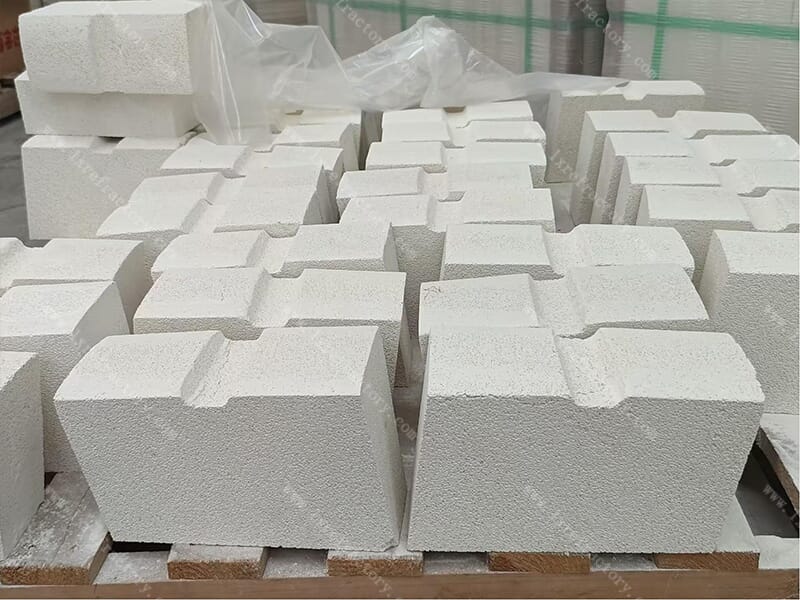
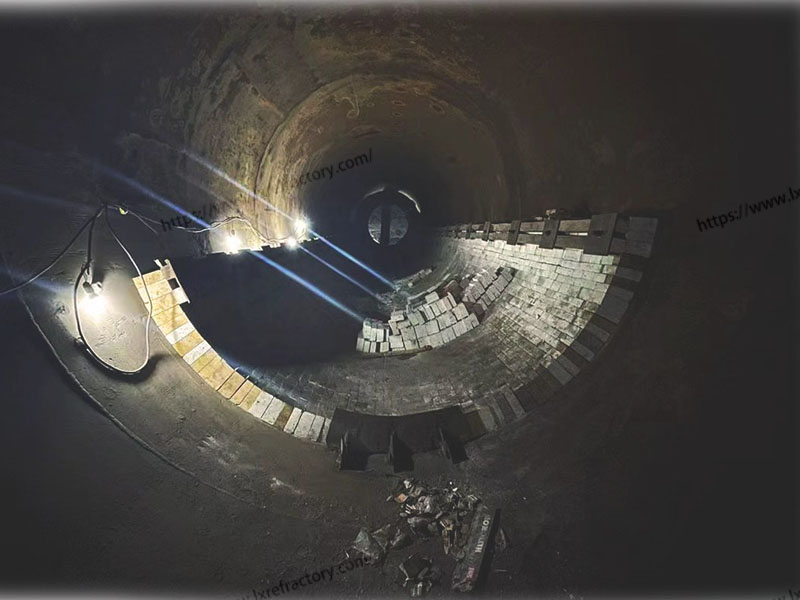
Permanent Layer
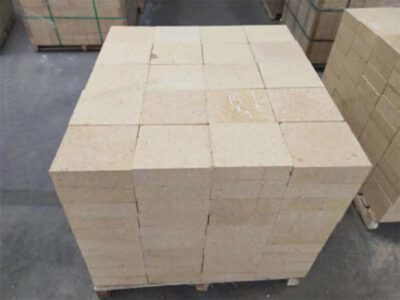
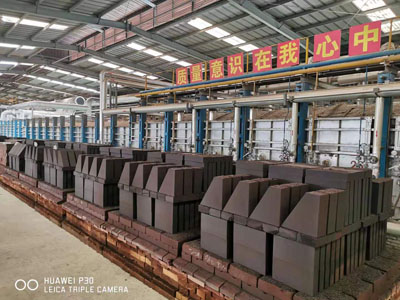
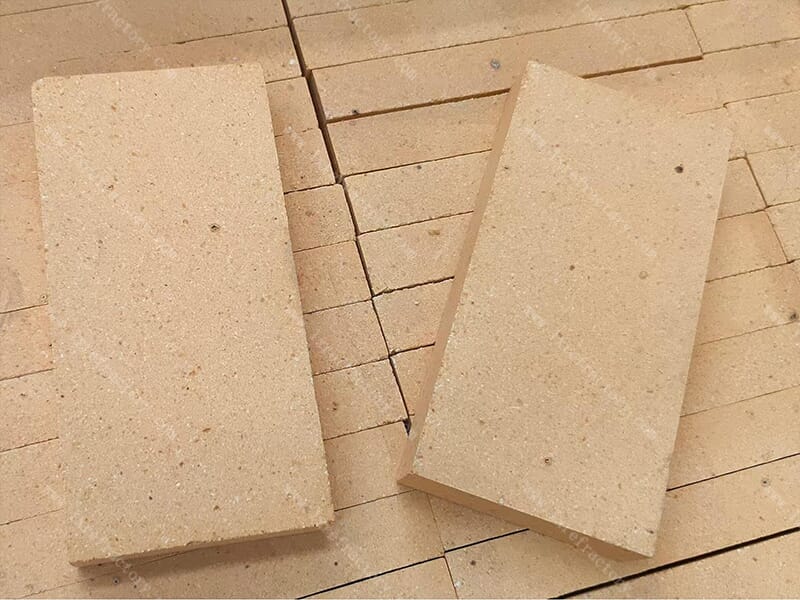
High alumina bricks
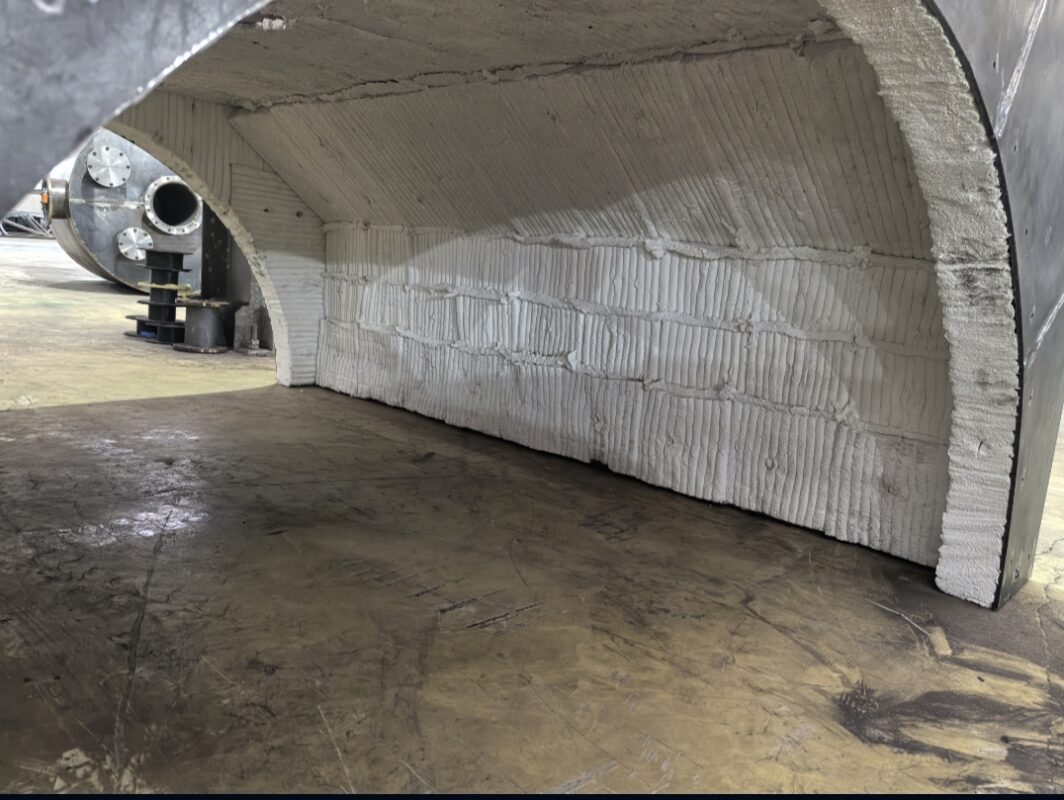
The permanent layer, constructed from clay bricks and high-alumina bricks, supports the working layer and conducts heat. The insulation layer uses lightweight refractory bricks and refractory fibers to provide thermal insulation and protect the furnace shell.
Furthermore, monolithic refractories (castables, plastics, and sprayables) are widely used for localized repairs due to their ease of application, extending furnace lifespan and reducing material costs.
High-quality converter refractories must possess high refractoriness, strong erosion resistance, and excellent thermal shock resistance. Upgrading these properties drives the steelmaking industry towards higher efficiency, lower carbon emissions, and greater safety.