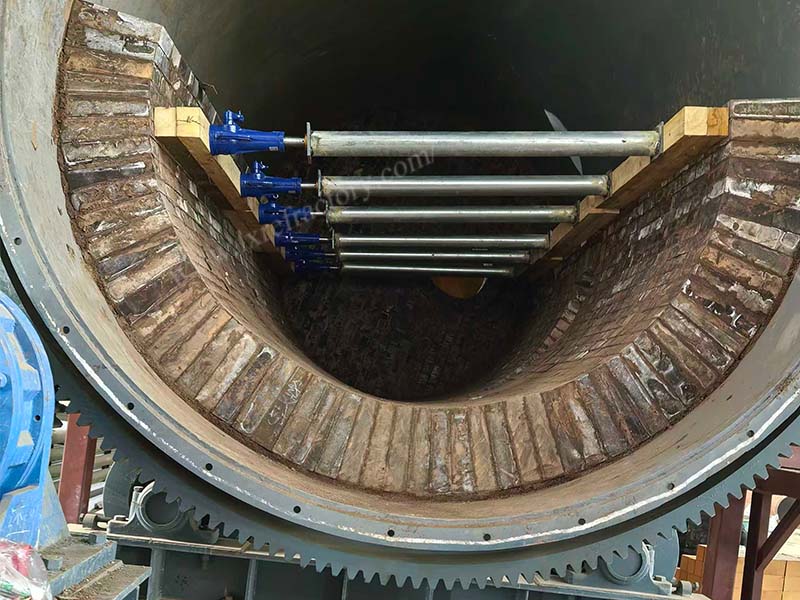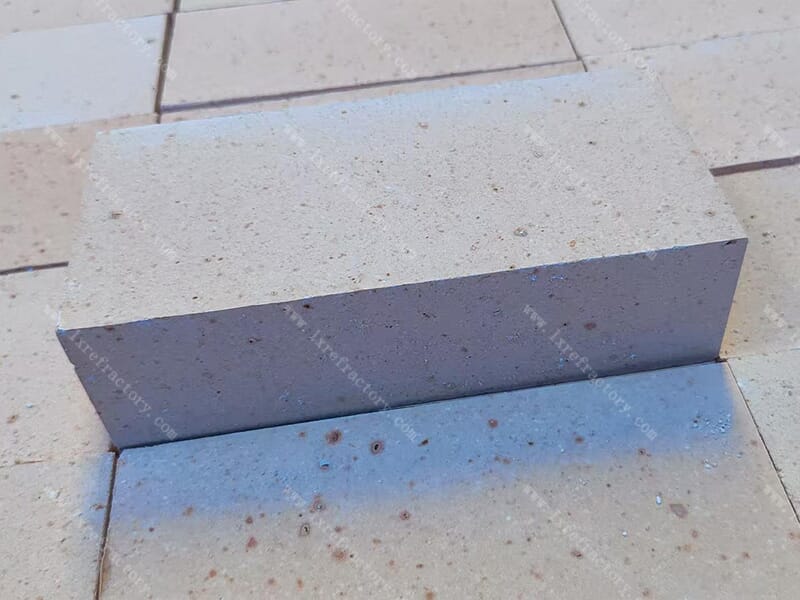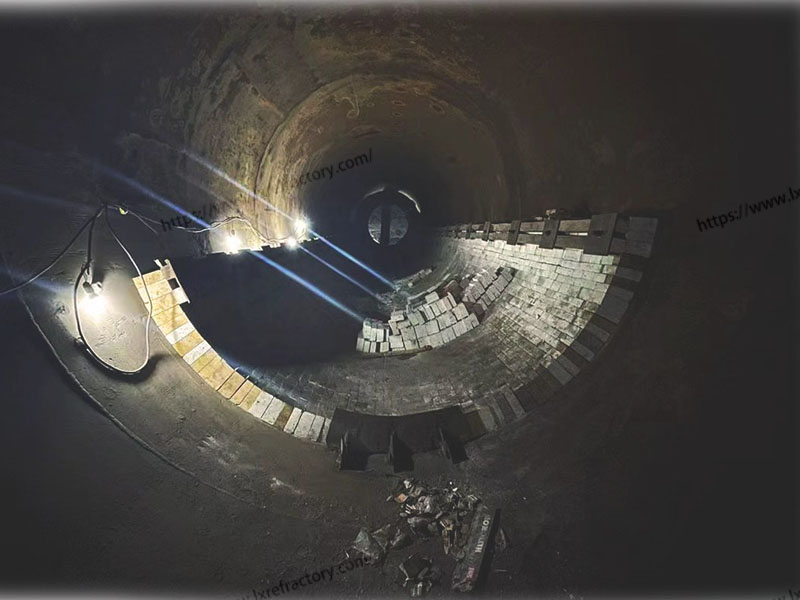
Chemical kilns operate under harsh conditions of high temperature, corrosion, and thermal shock. As the core lining material, furnace bricks must be adaptable to different temperature ranges and environmental media. Based on material and performance, they are mainly classified into the following categories and are widely used in calcination, roasting, and reaction processes in chemical kilns.
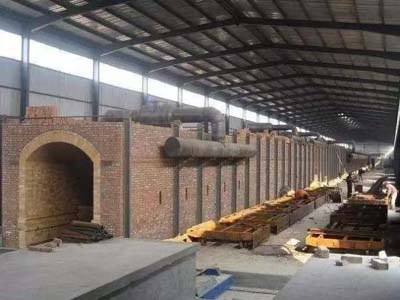
I. Silicate-Alumina Furnace Bricks
Clay Bricks: Al₂O₃ content 30%-48%, refractoriness 1580℃-1750℃, low cost, good thermal shock stability, suitable for the low-temperature range and non-corrosive areas of chemical kilns, and are the most commonly used basic furnace bricks.
High-Alumina Bricks: Al₂O₃ content exceeding 48%, high high-temperature strength, and superior slag resistance compared to clay bricks, suitable for the high-temperature range of kilns, and can resist moderate acid and alkali corrosion.
Corundum/Mullite Bricks: Made of high-purity alumina, with a refractoriness exceeding 1800℃, excellent resistance to corrosion and thermal shock, used in critical high-temperature components of kilns and under highly corrosive conditions.
II. Alkaline Furnace Bricks
With magnesium oxide and calcium oxide as core components, specifically designed for alkaline slag and alkaline atmospheres.
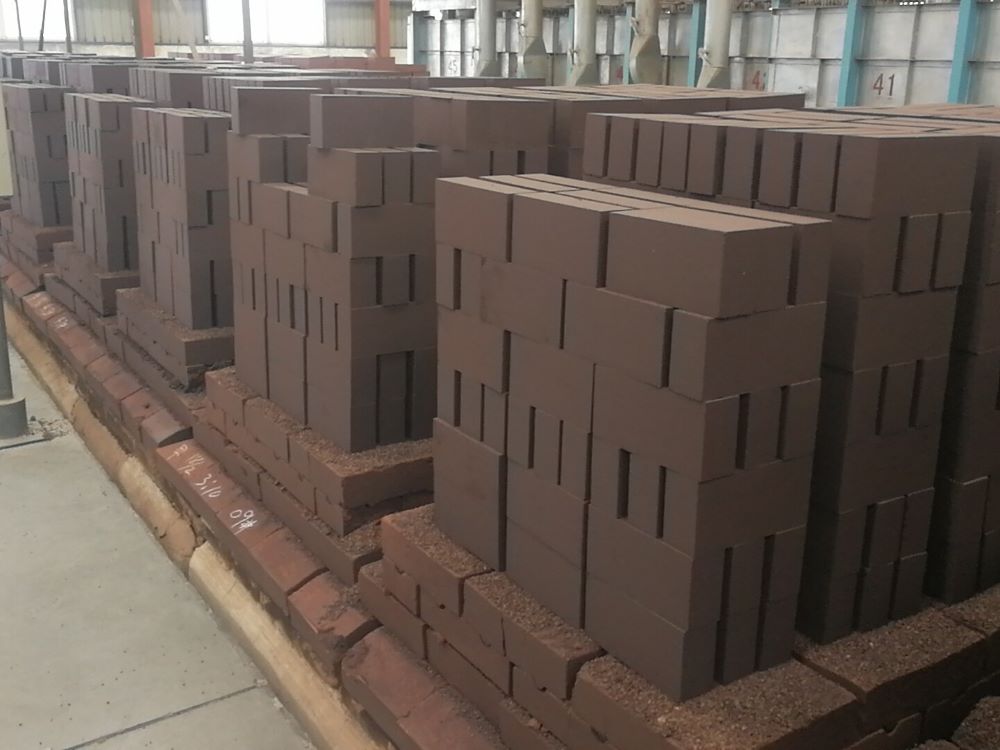
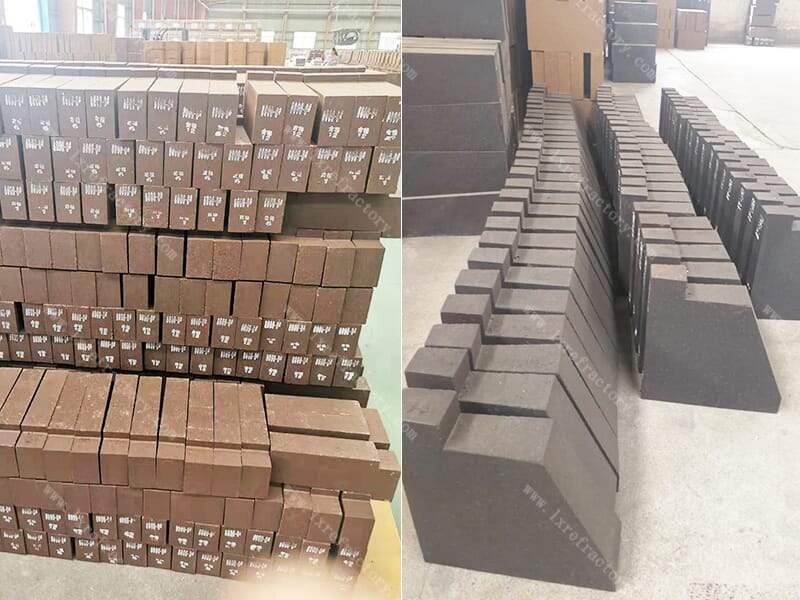
Magnesium Bricks: With an MgO content exceeding 80%, resistant to high temperatures and alkaline corrosion, suitable for high-temperature zones in chemical lime kilns and calcining kilns.
Magnesium-Alumina Spinel Bricks: Balancing thermal shock resistance and slag resistance, with excellent environmental performance, gradually replacing traditional magnesia-chrome bricks, suitable for the transition zones of cement kilns and chemical rotary kilns.
III. Special High-Performance Furnace Bricks
Silicon Carbide Bricks: Good thermal conductivity, wear-resistant and thermal shock-resistant, resistant to acid and alkali corrosion, suitable for kiln linings and insulation layers, especially suitable for high-temperature flue gas erosion scenarios.
Zirconium-containing furnace bricks: With zirconium oxide as the core, they possess extremely strong resistance to molten glass and strong acid and alkali corrosion, and are used in critical components of special chemical reaction kilns.
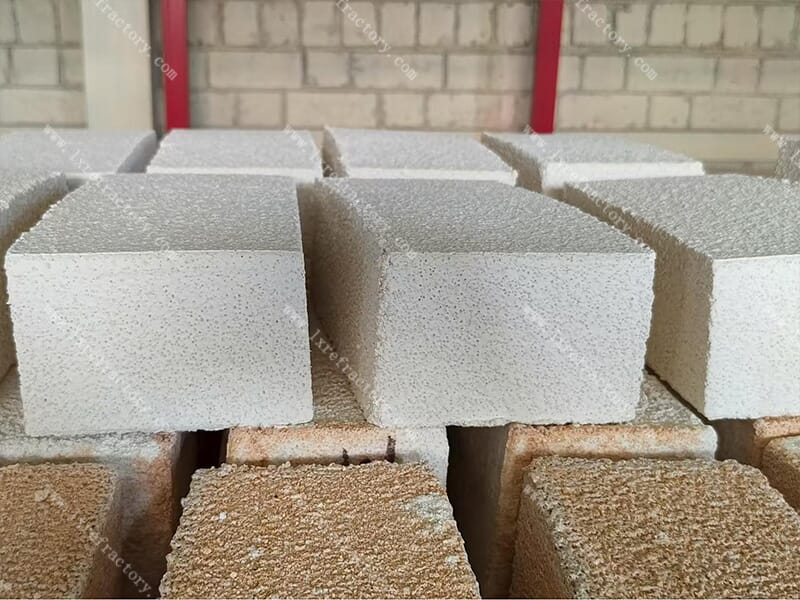
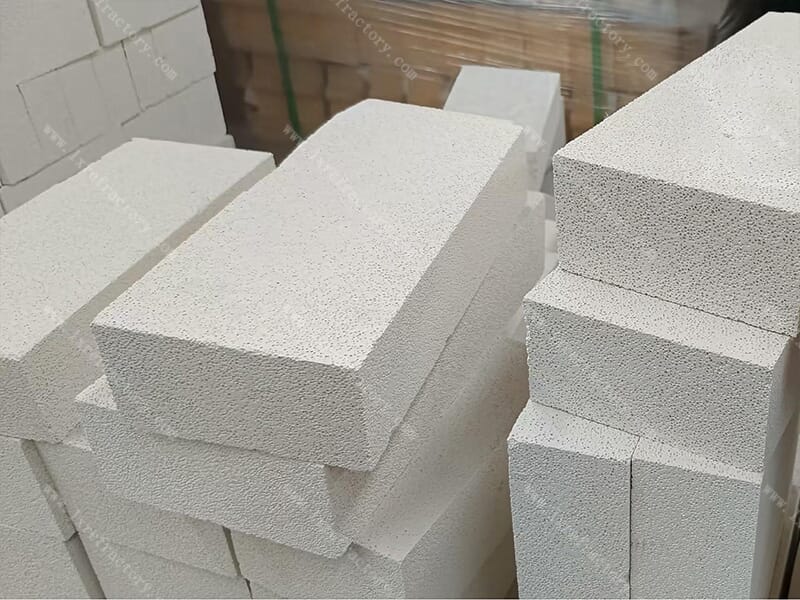
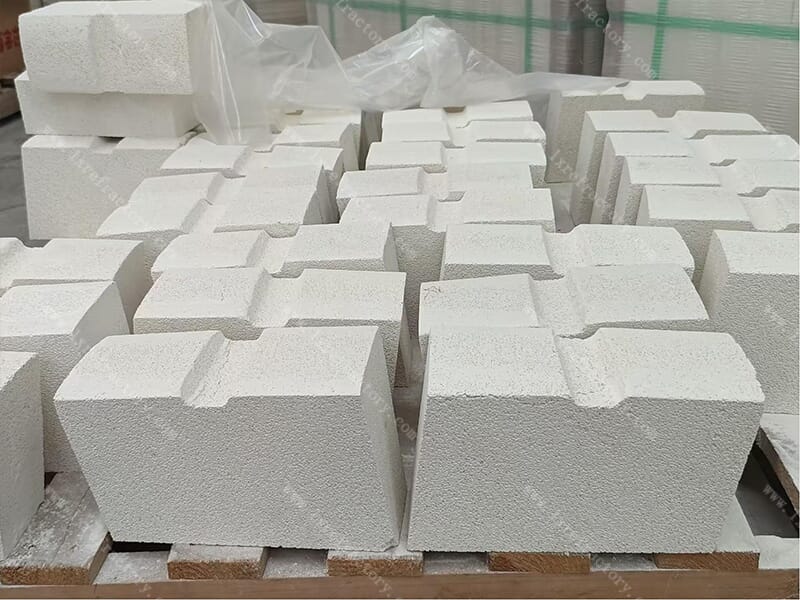
Lightweight insulating bricks: With high porosity and low thermal conductivity, they are used in combination with heavyweight bricks to reduce heat loss in the kiln and improve energy utilization.
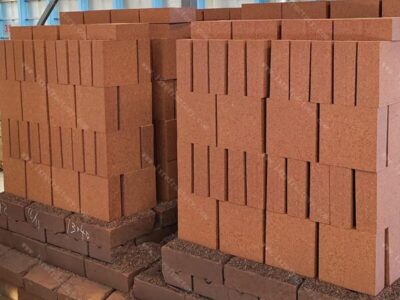
Different chemical kilns require flexible selection based on temperature, medium, and operating conditions. By combining various types of furnace bricks in their construction, high-temperature resistance, corrosion resistance, and long service life can be achieved.