Refractory materials, as key materials that withstand extreme environments such as high temperatures and corrosion, are indispensable in the chemical industry. They widely support various high-temperature reactions, material storage and transportation, and equipment protection, ensuring continuous, stable, safe, and efficient production.
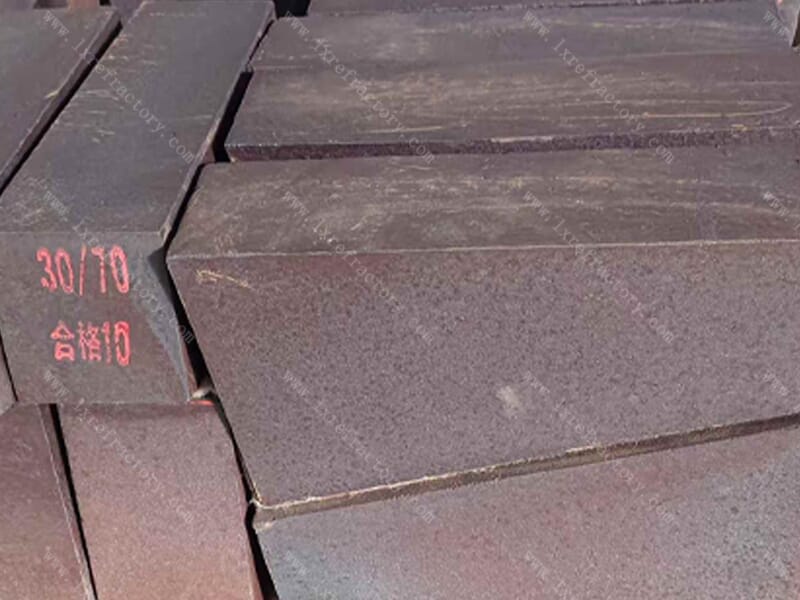
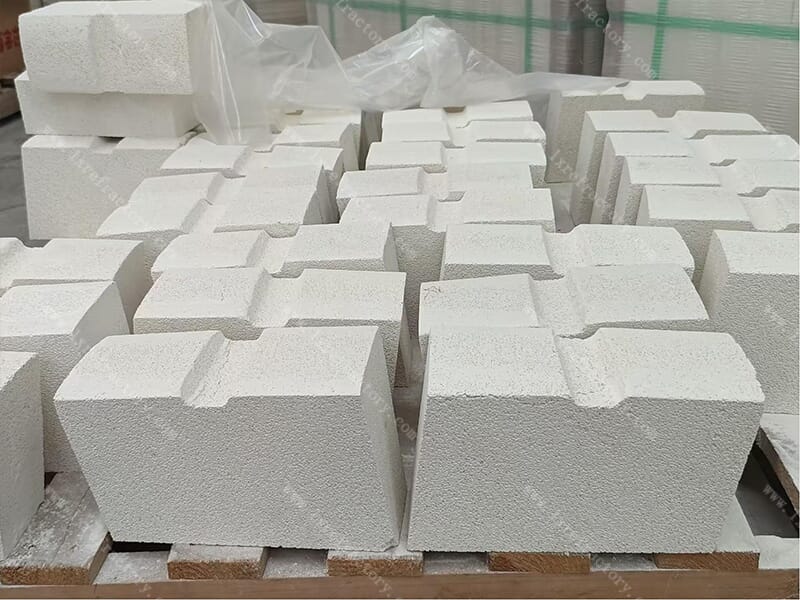
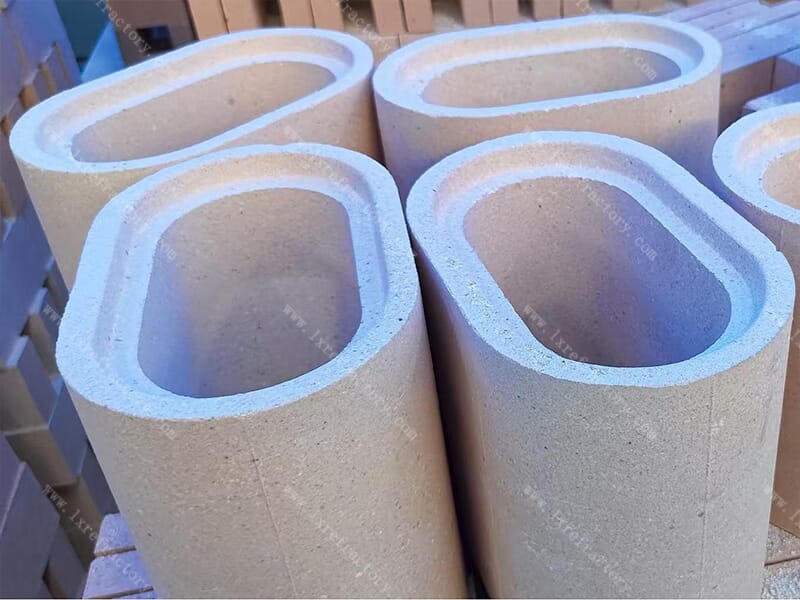
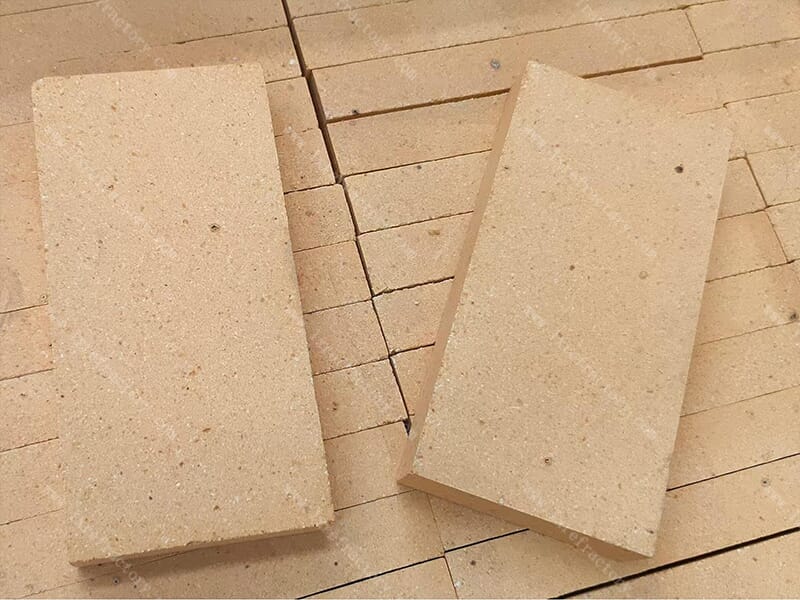
ruitai fire brick
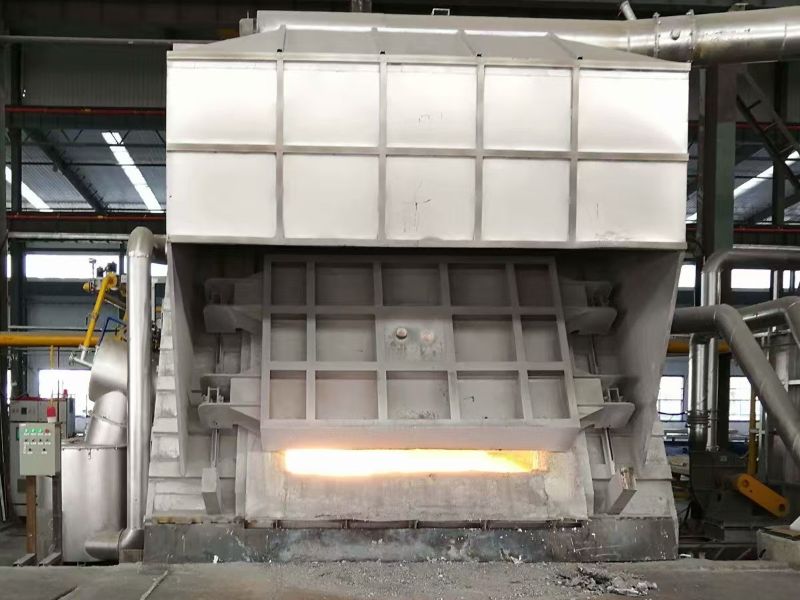
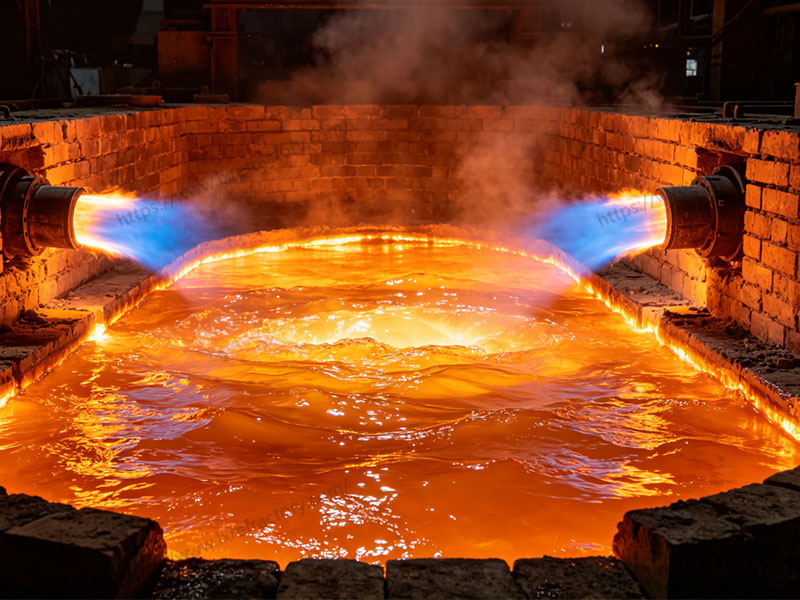
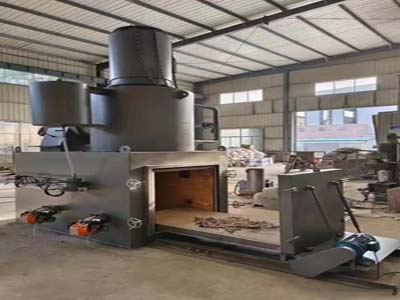
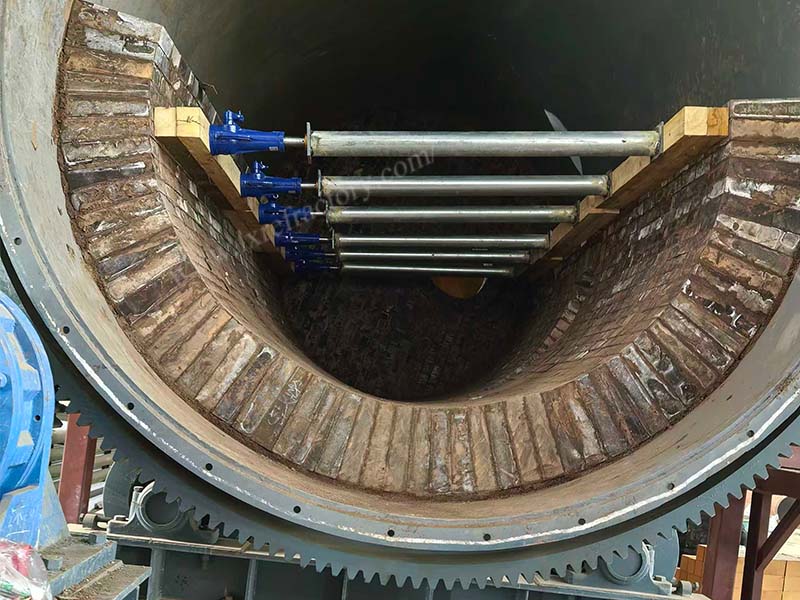
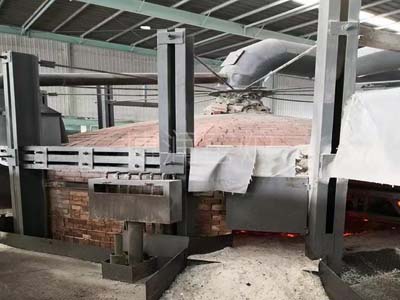
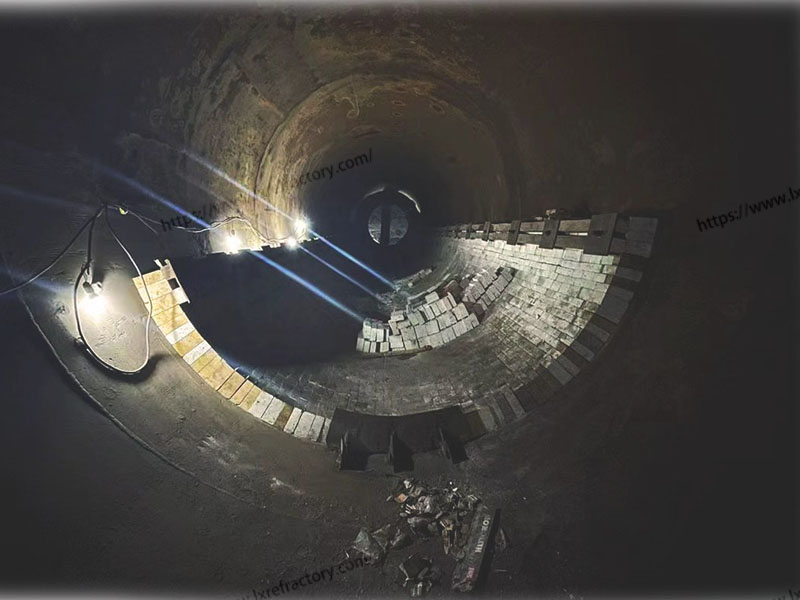
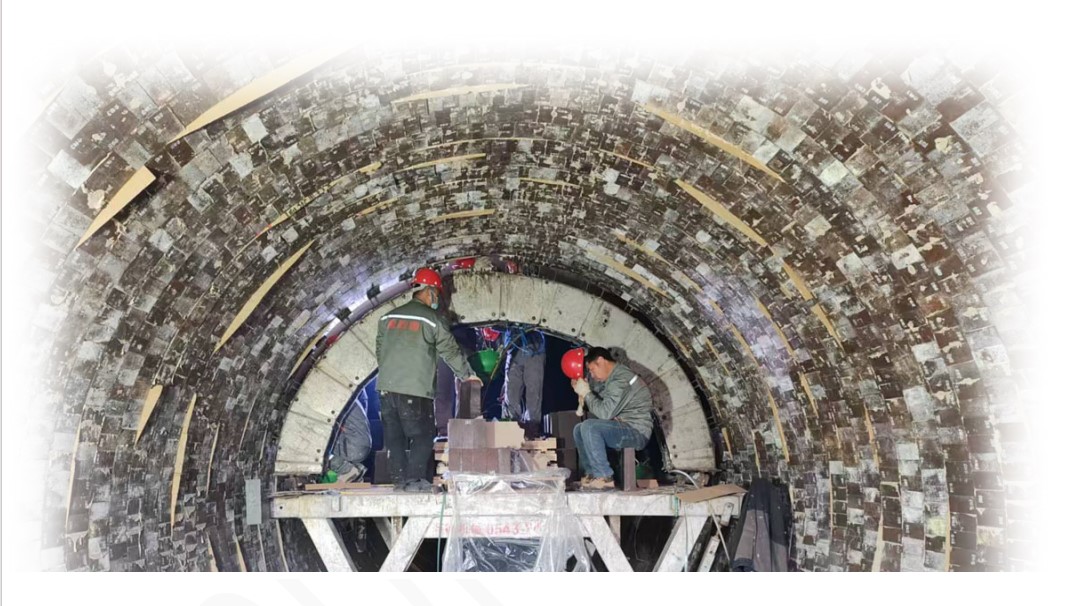
In high-temperature reaction equipment, refractory materials are the core lining. In fertilizer production, the converters and methanol synthesis towers of ammonia synthesis units need to operate at temperatures of 800-1200℃ for extended periods. Refractory linings can isolate the equipment shell from high-temperature erosion, preventing structural failure. In the petrochemical field, regenerators and reactors in catalytic cracking units use refractory linings to resist high-temperature oxidation and material erosion during catalyst regeneration, extending equipment lifespan. Furthermore, fluidized bed roasters in sulfuric acid production and ammonia oxidation furnaces in nitric acid production also rely on refractory materials to achieve a stable high-temperature reaction environment.
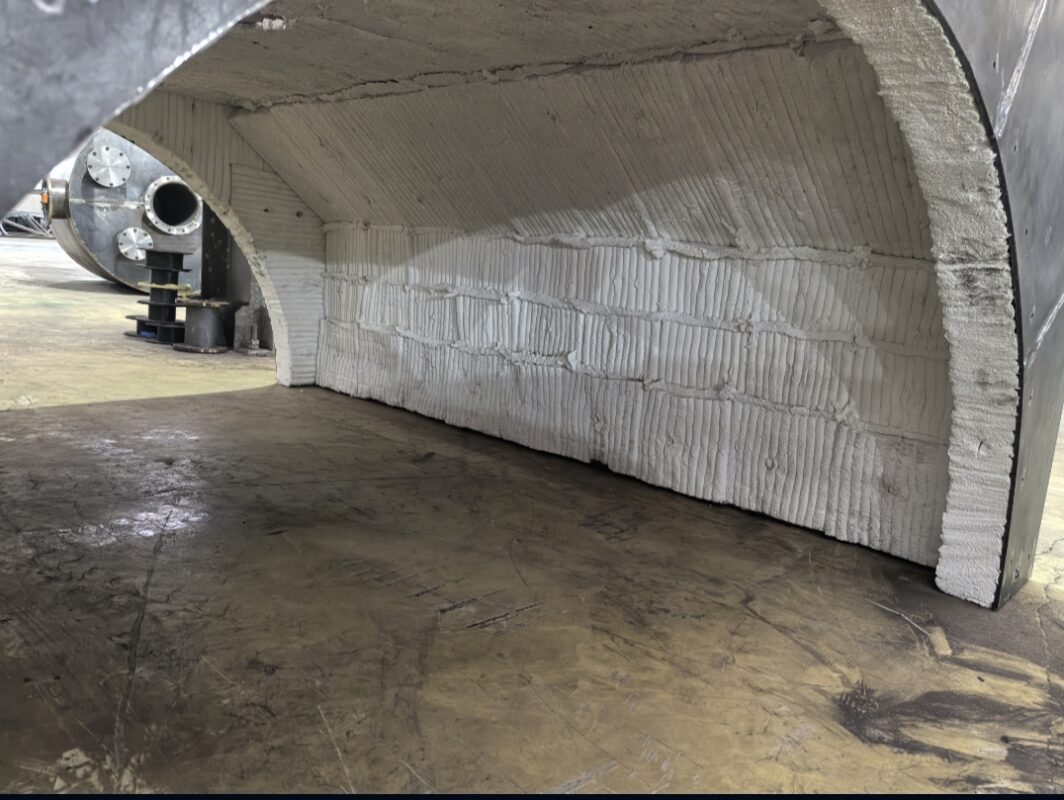
In material storage, transportation, and thermal systems, refractory materials play a protective and insulating role. High-temperature pipelines and flues used for transporting chemical materials are lined with refractory insulation materials. This reduces heat loss and energy consumption while preventing corrosion and wear from high-temperature materials. In industrial kilns, refractory materials are used to seal and insulate the furnace walls and roof, ensuring uniform temperature and improving reaction efficiency.
In specialty chemical production, refractory materials are suitable for harsh operating conditions. Electrolytic cells in the chlor-alkali industry and high-temperature reaction equipment in the fluorochemical industry require refractory materials with both strong corrosion resistance and high-temperature resistance to withstand the erosion of acids, alkalis, halogens, and other corrosive media. Gasification furnaces in coal chemical industries operate at temperatures exceeding 1500℃, accompanied by high pressure and strong erosion; specialized refractory materials ensure long-term stable operation and prevent safety hazards such as material leaks.
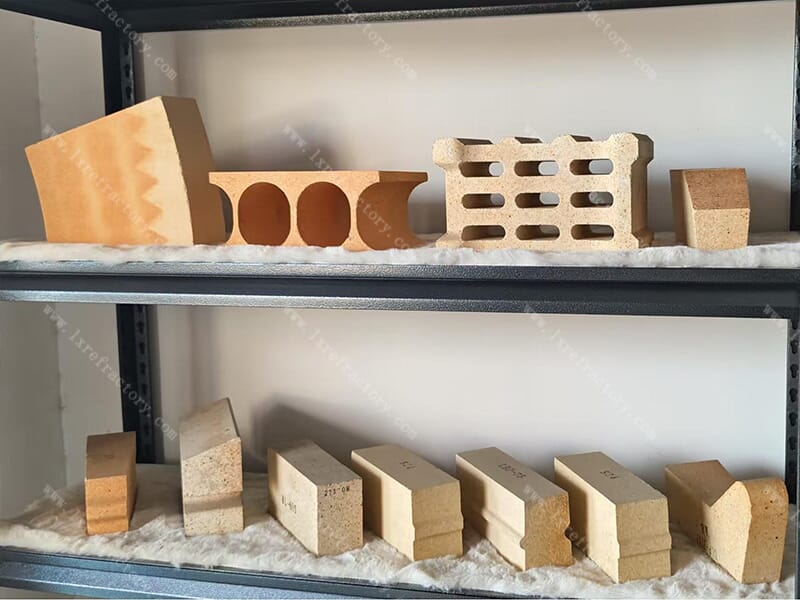
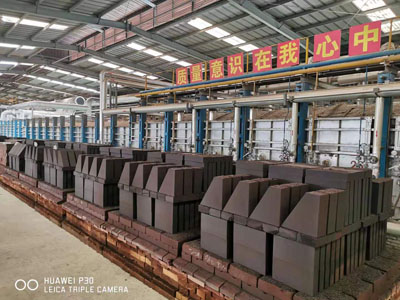
ruitai fire bricks
In summary, refractory materials, with their high-temperature resistance, corrosion resistance, and erosion resistance, cover key stages throughout the entire chemical production process, making them a core foundational material for improving production efficiency and ensuring operational safety.