In the highly competitive field of industrial heat treatment, selecting the right furnace bricks is not only a technical issue, but also an economic one. A well-designed furnace lining directly impacts your energy consumption, maintenance frequency, and overall production quality.
As a professional manufacturer, we often help our customers understand the two main categories of refractory materials: dense furnace bricks and insulating refractory bricks.
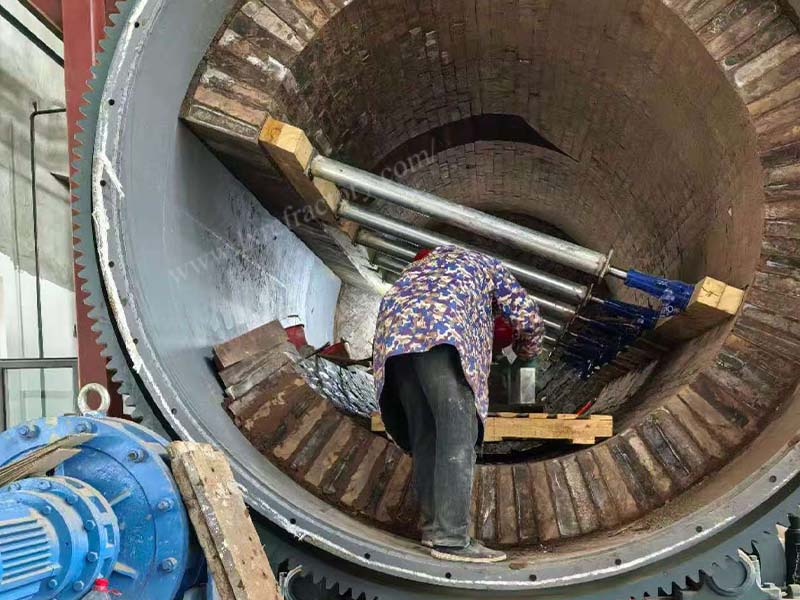
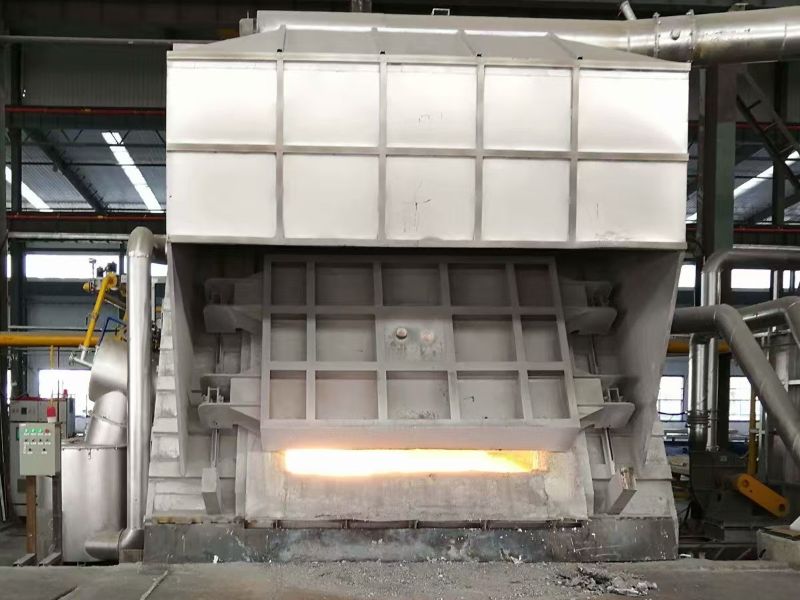
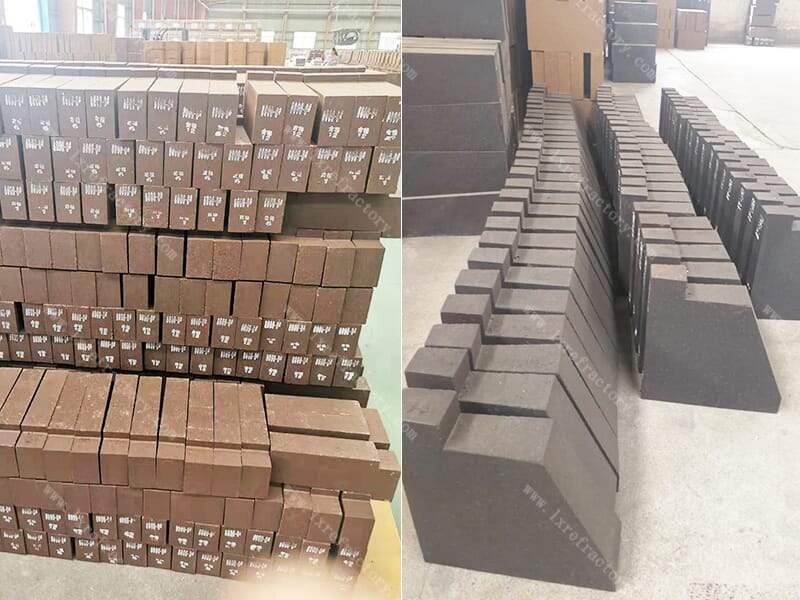
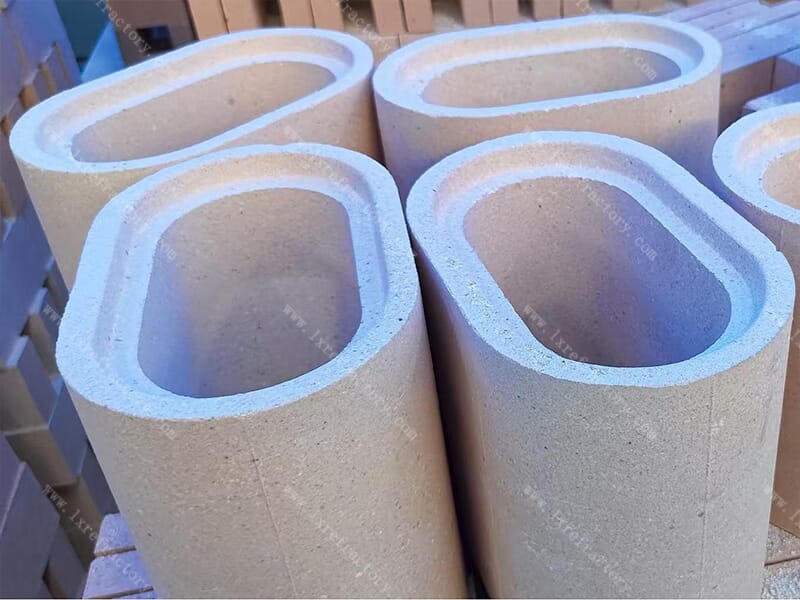
Refractory bricks used for converters lining
1. Dense furnace bricks
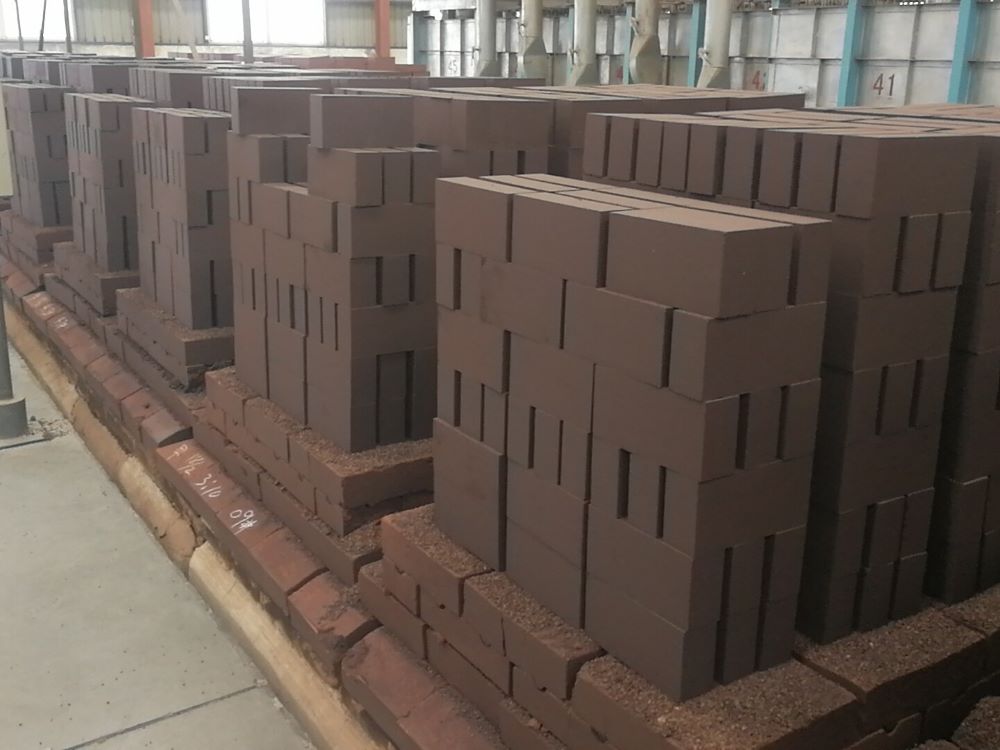
Dense furnace bricks are a “heavyweight” product in the refractory materials family. They are carefully designed to provide maximum structural integrity and withstand the harshest furnace environments.
- High-alumina bricks: One of the most widely used dense bricks. It is highly favored for its excellent resistance to molten slag and high temperature resistance. They are invaluable assistants to steel ladles and cement kilns.
- Magnesium oxide bricks: Are essential materials for regenerators in alkaline oxygen converters and glass melting furnaces. This dense brick has excellent resistance to alkaline chemical erosion.
- Silica bricks: Renowned for their excellent high-temperature creep resistance, they are the preferred material for glass furnace roofs.
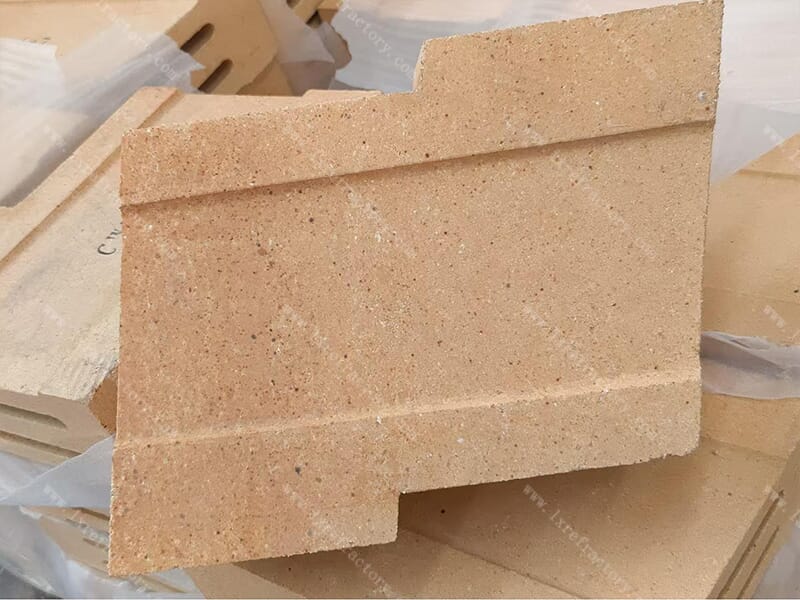
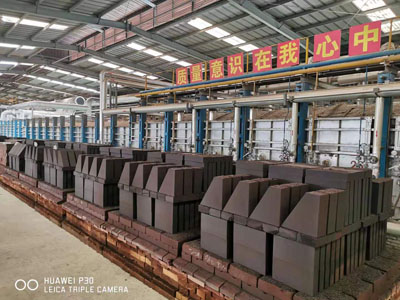
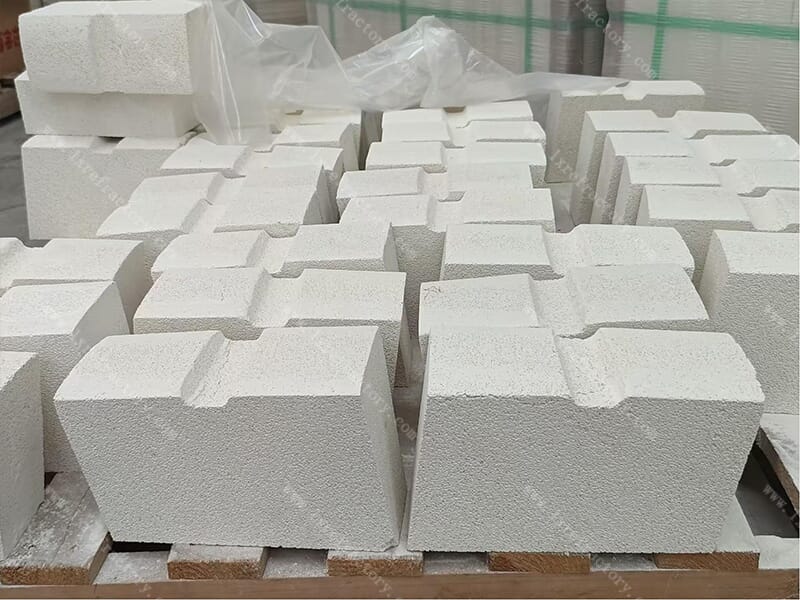
lianxin refractory fire bricks
2. Insulating refractory bricks
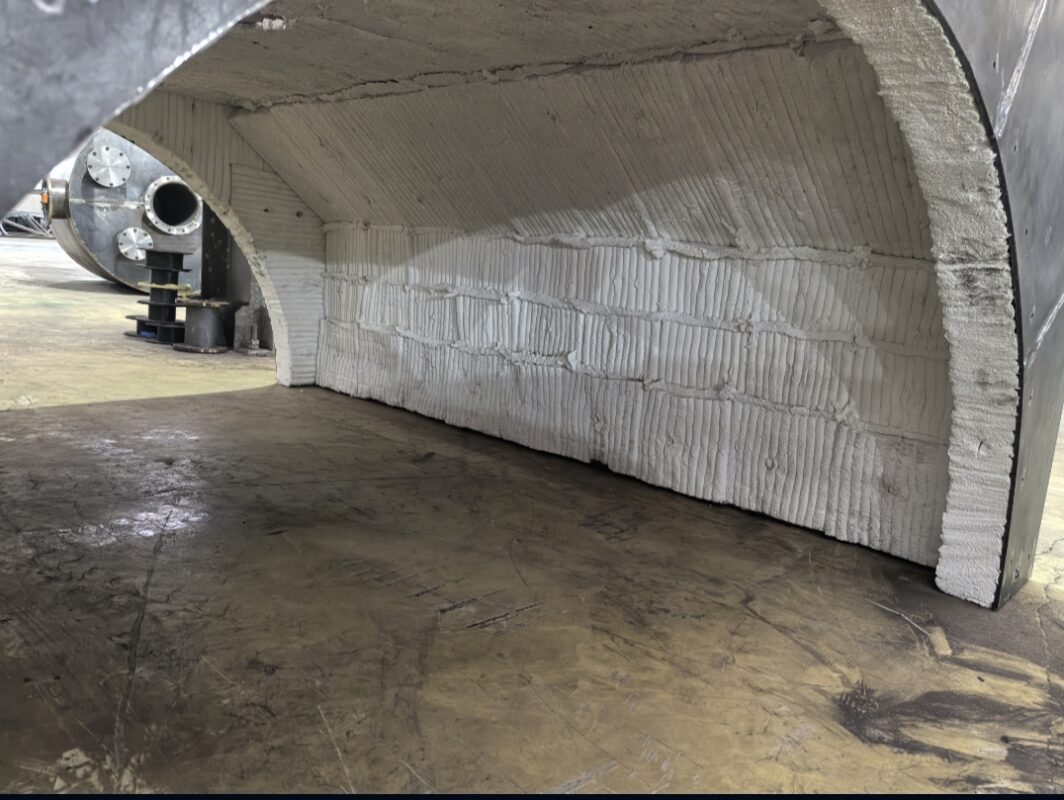
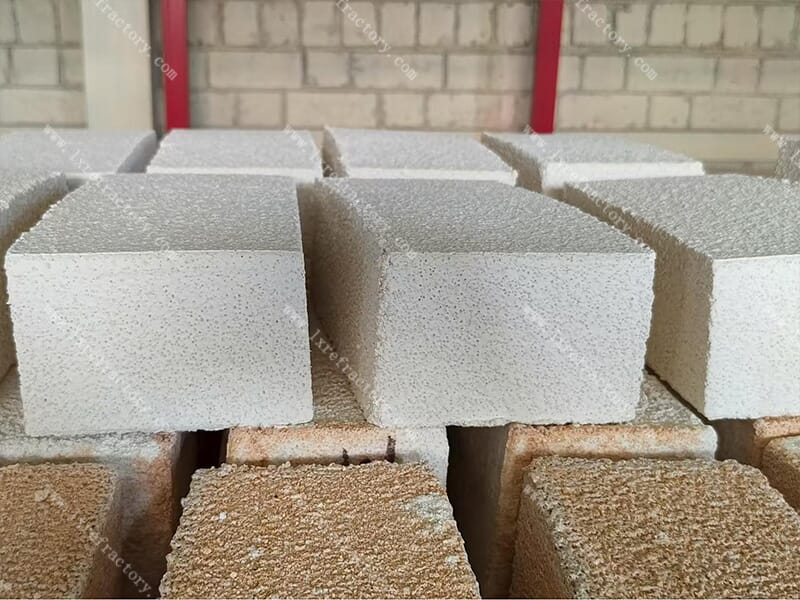
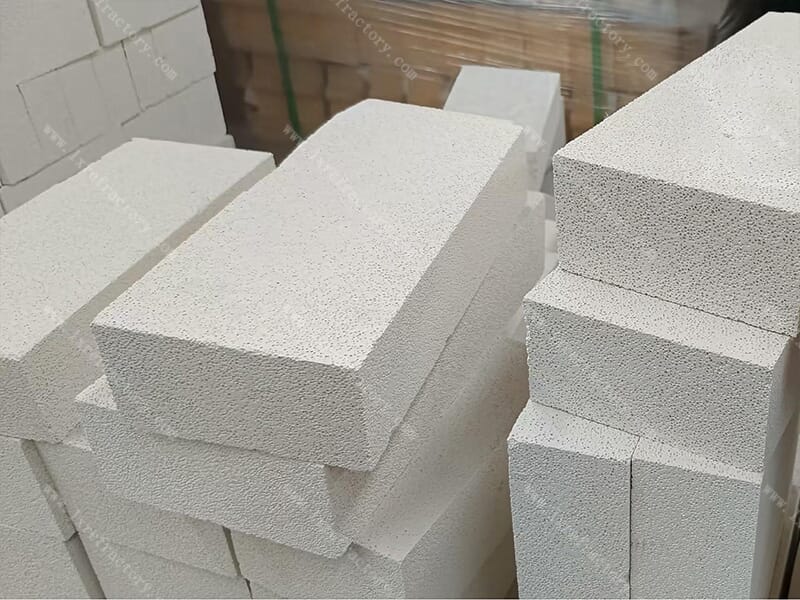
Dense bricks protect the furnace body, while insulating refractory bricks protect your profits. These lightweight, porous materials are designed to lock heat inside the furnace.
- Mullite insulating bricks: These high-quality insulating bricks have high purity and low thermal conductivity, making them an ideal choice for petrochemical heaters and ceramic shuttle kilns.
- Refractory clay insulating bricks: This is a cost-effective solution for low-temperature applications or as a backup insulation layer after a dense lining.
Most modern industrial furnaces do not rely on just one type of brick. Instead, they use composite linings:
- Working layer: The “hot surface” is made of high-alumina bricks or magnesia bricks to resist direct heat and chemical splashes.
- Insulation layer: A “backup layer” made of heat-insulating refractory bricks is used to prevent heat from being lost from the furnace shell.
Choosing the right furnace bricks requires striking a balance between durability and efficiency. Whether you need the robust durability of high-alumina bricks or the energy-saving benefits of mullite, Ruitai Lianxin can provide tailored refractory material solutions to ensure your operations always maintain optimal performance.