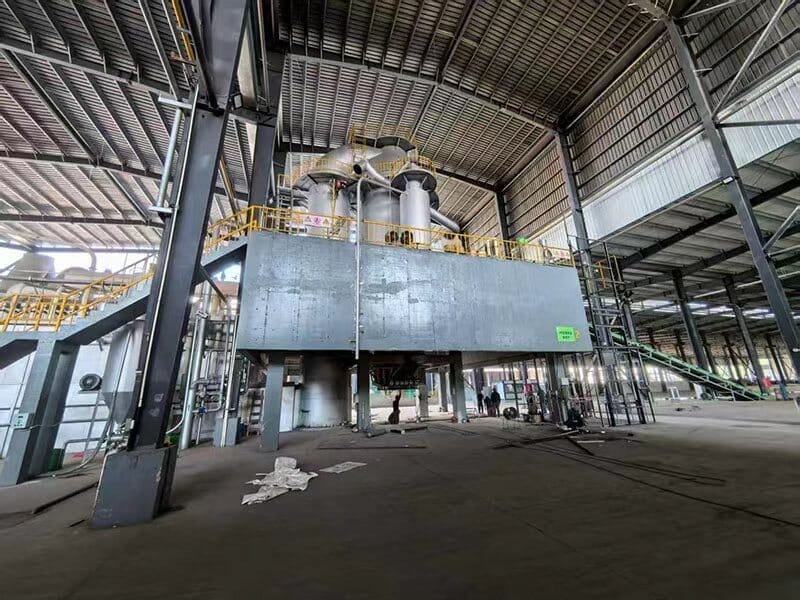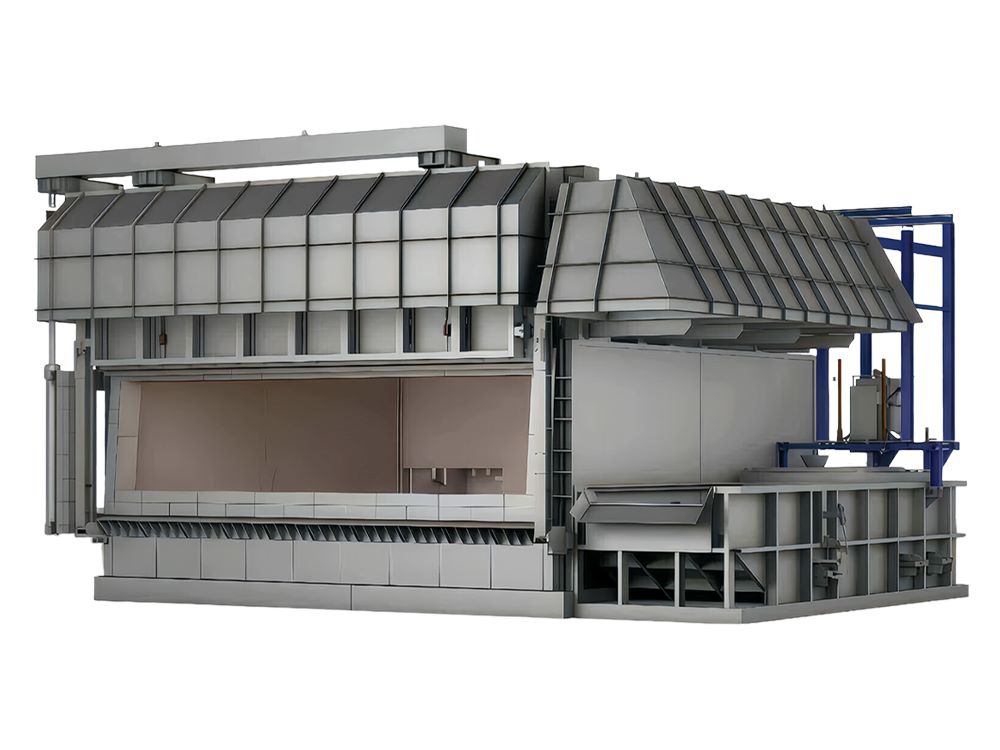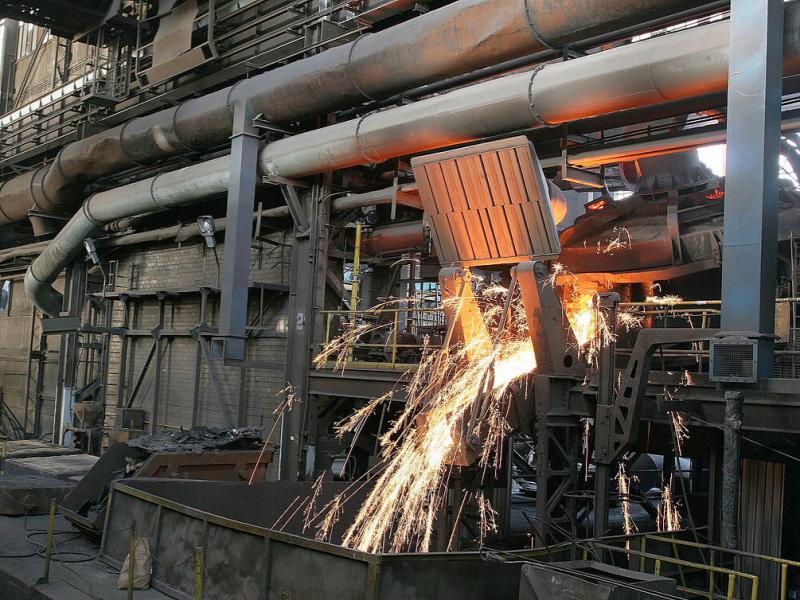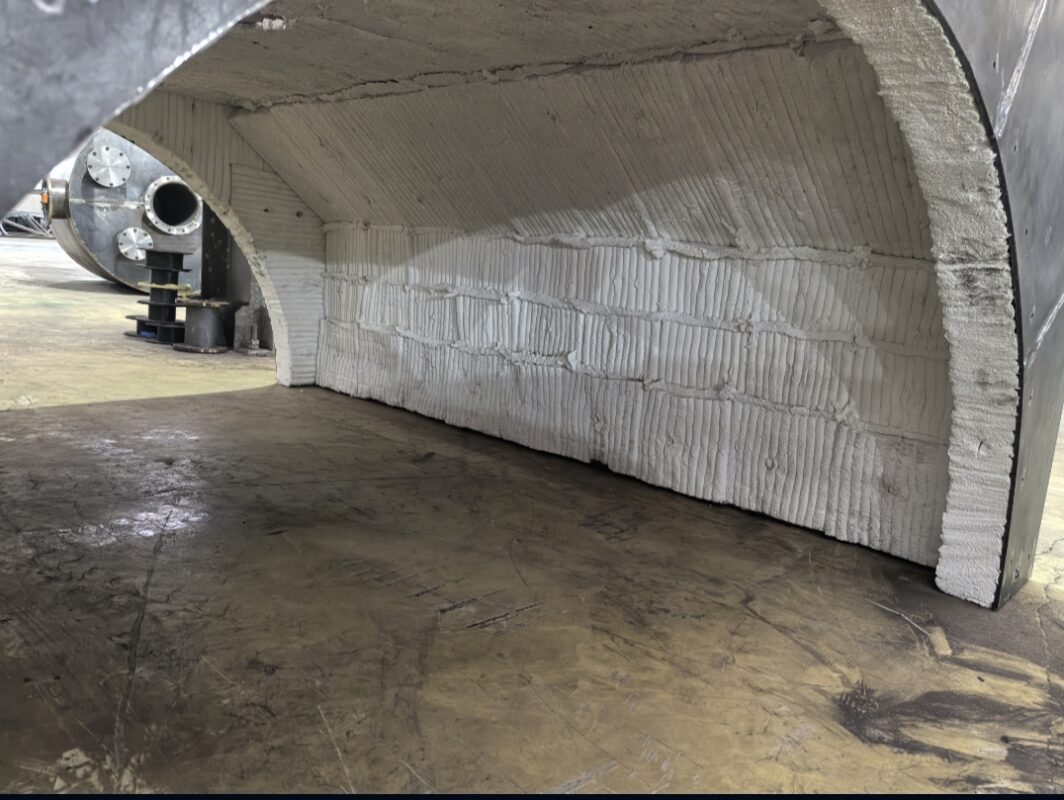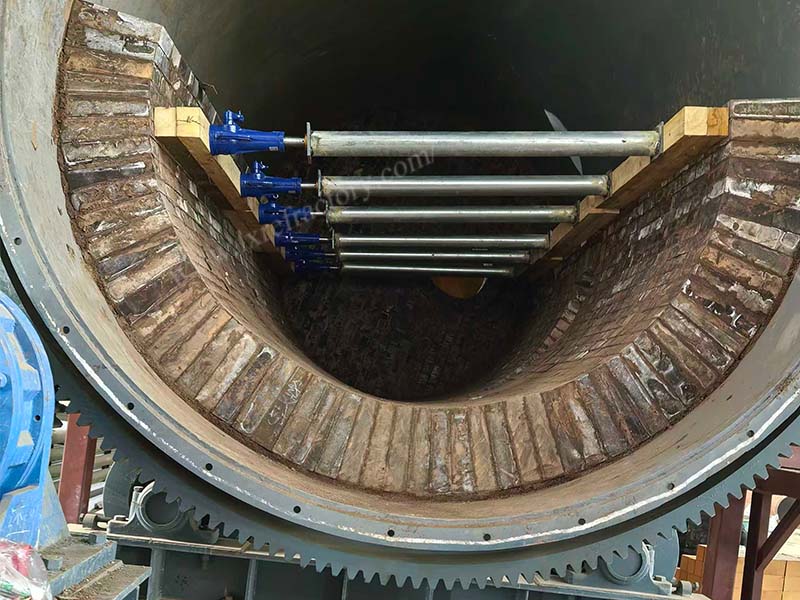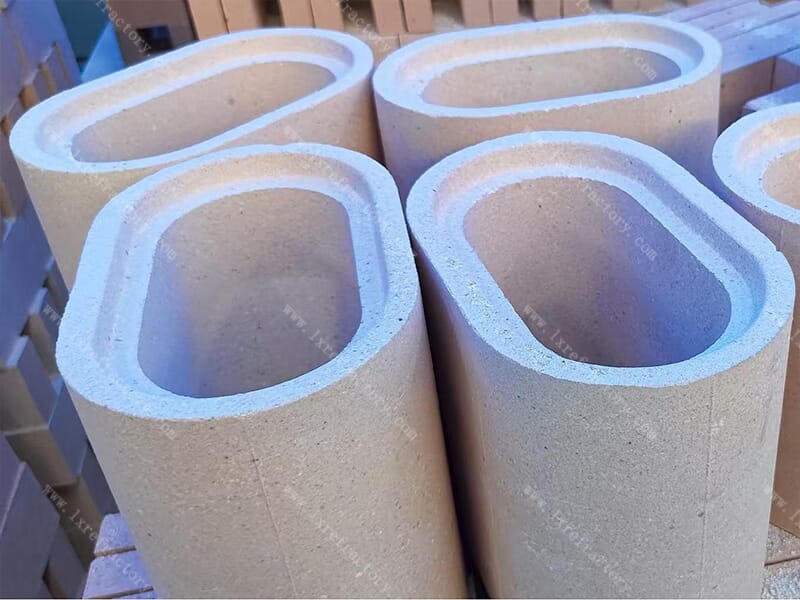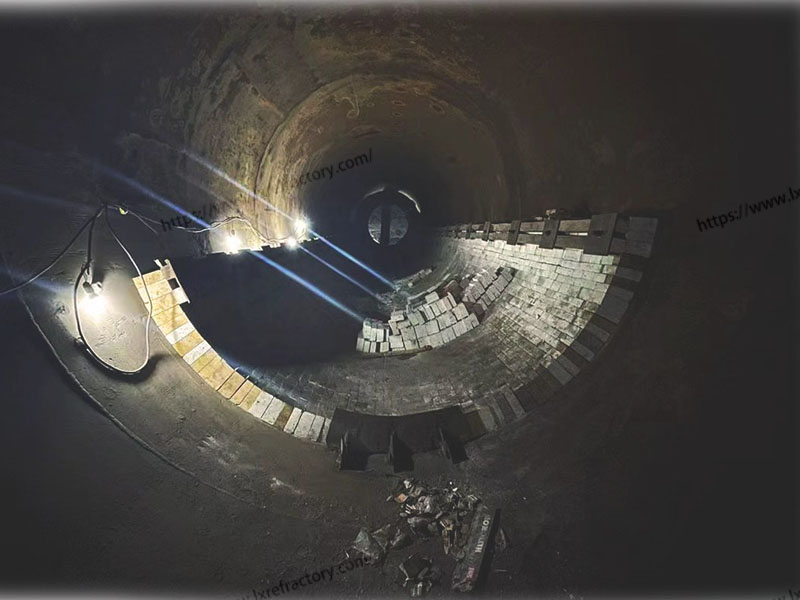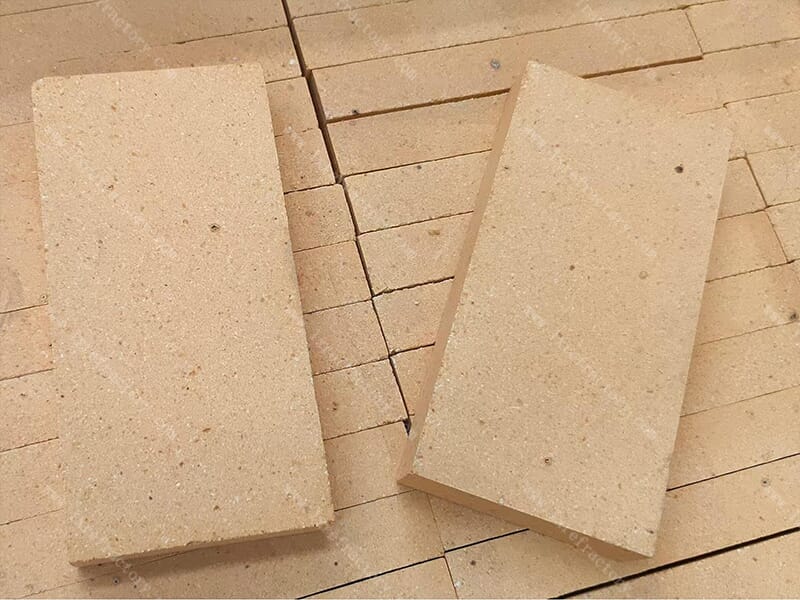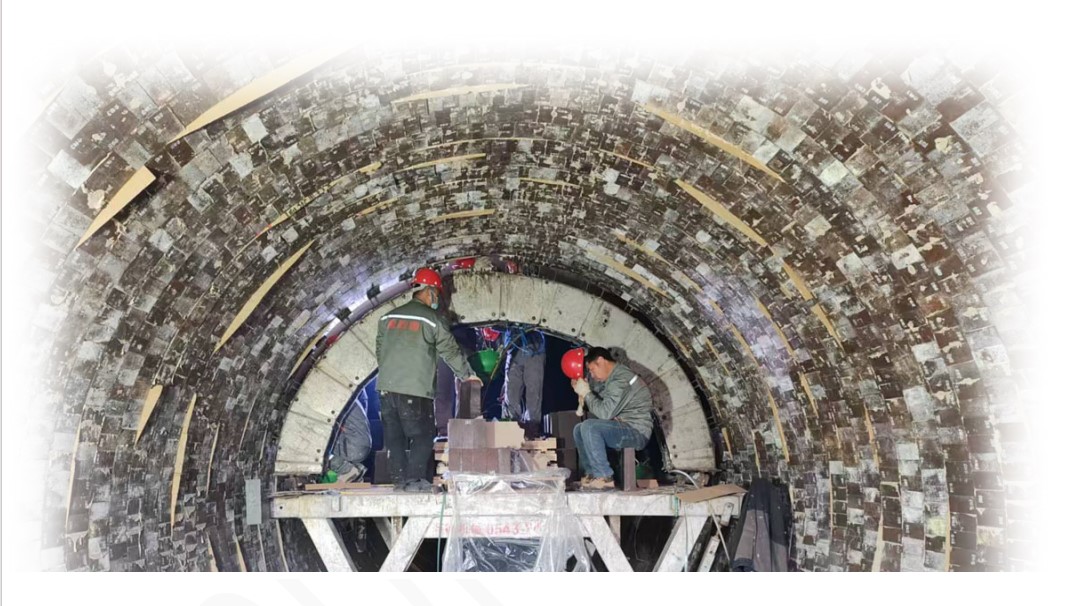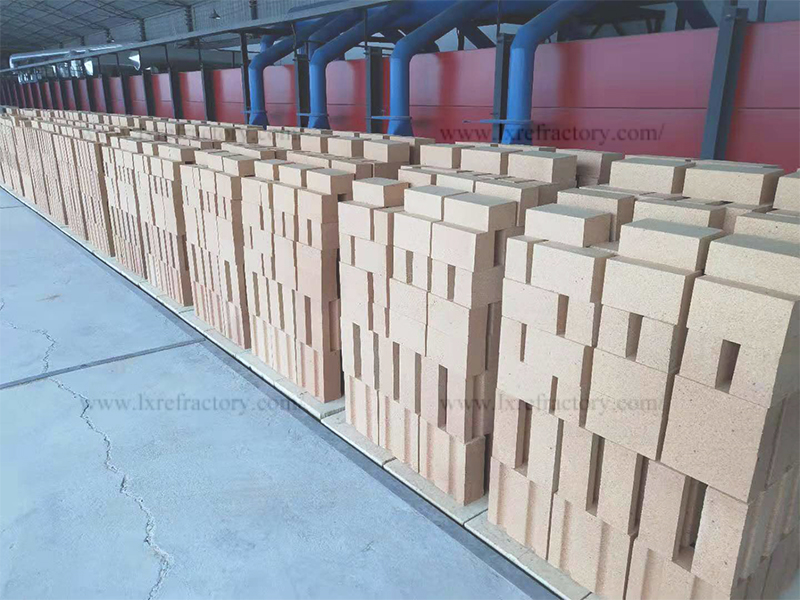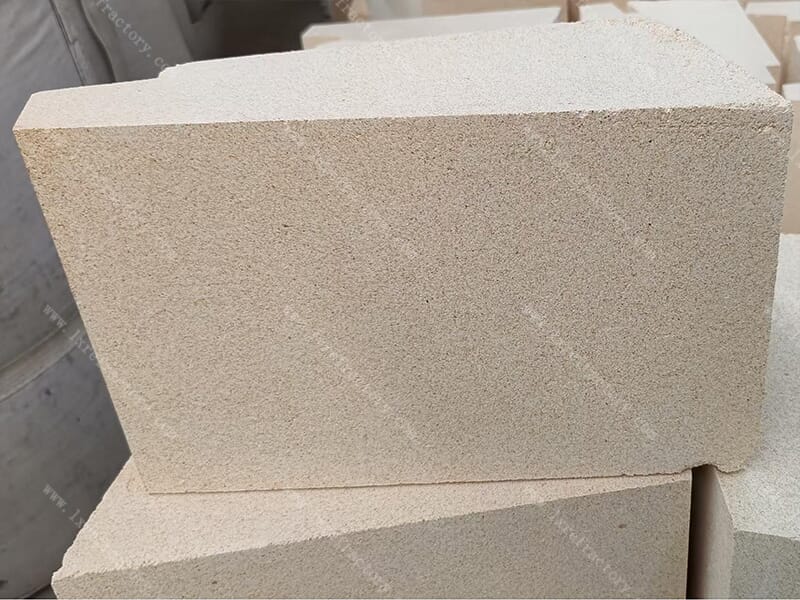
In early March, a Rwandan customer requested refractory materials for a waste incinerator and submitted a procurement request to our company. The customer requested professional advice on refractory material combinations and design solutions.
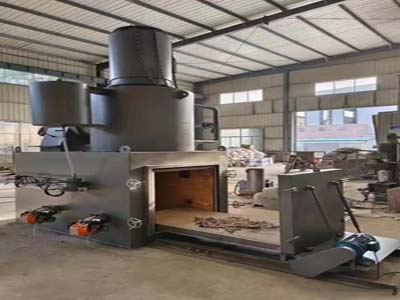
Waste incinerators need to withstand harsh operating conditions such as high temperatures, corrosion, and abrasion. Commonly used refractory materials are mainly divided into two categories: refractory bricks and monolithic refractories, suitable for different parts of the furnace.
Among refractory bricks, high-alumina fire bricks have a refractoriness of 1750-1790℃, excellent corrosion resistance and high-temperature strength, and are widely used in high-temperature areas such as the top and side walls of the combustion chamber. Silicon carbide bricks have outstanding wear resistance and are suitable for areas with severe wear, such as the grate. Clay fire bricks have good thermal shock resistance and are used in areas with frequent temperature fluctuations, such as the waste inlet.
Monolithic refractories account for more than 75% of the total. Among them, low-cement high-alumina castables have good integrity and strong acid resistance, and are the mainstream material for the working layer in high-temperature zones. Clay castables are used in low-temperature areas such as the residual ash outlet.
In addition, special refractory materials are required for special scenarios. For example, dense corundum bricks are used in the fluidized bed of a fluidized bed incinerator, while sprayed amorphous materials are used in the water-cooled walls. These refractory materials must meet requirements for high strength, thermal shock resistance, and corrosion resistance to ensure stable incinerator operation.
After hearing our suggestions, the client gave a positive evaluation and plans to visit the Ruitai factory in China in early April. We welcome them and look forward to meeting and cooperating with them.