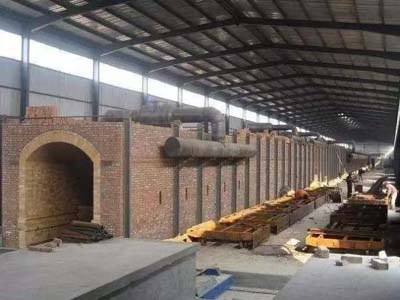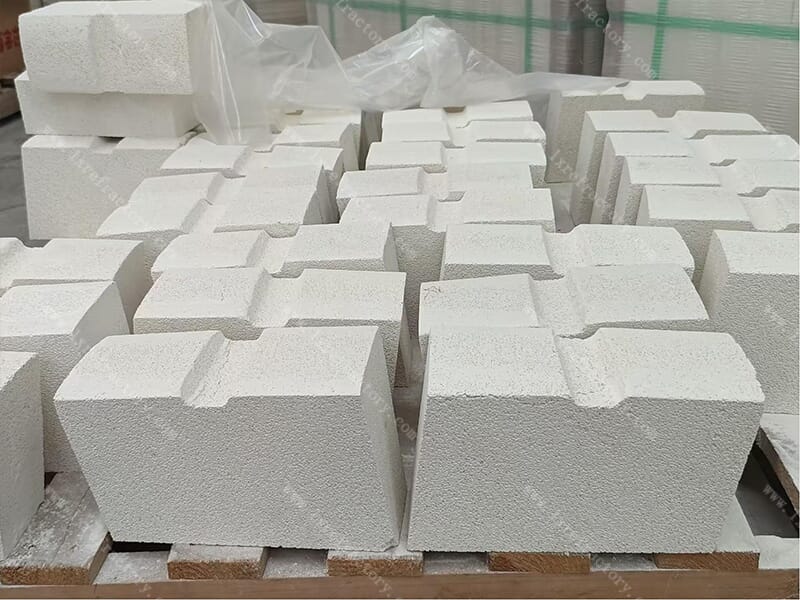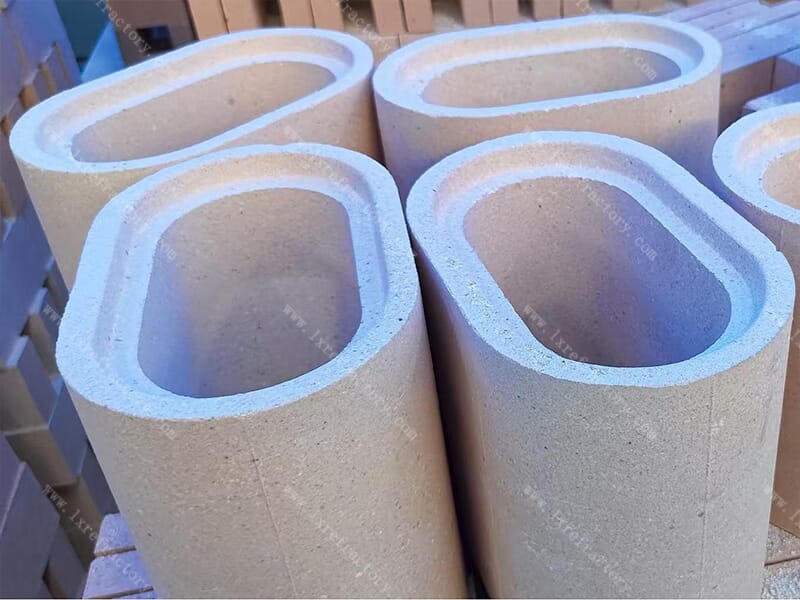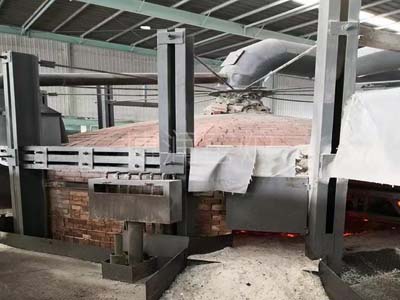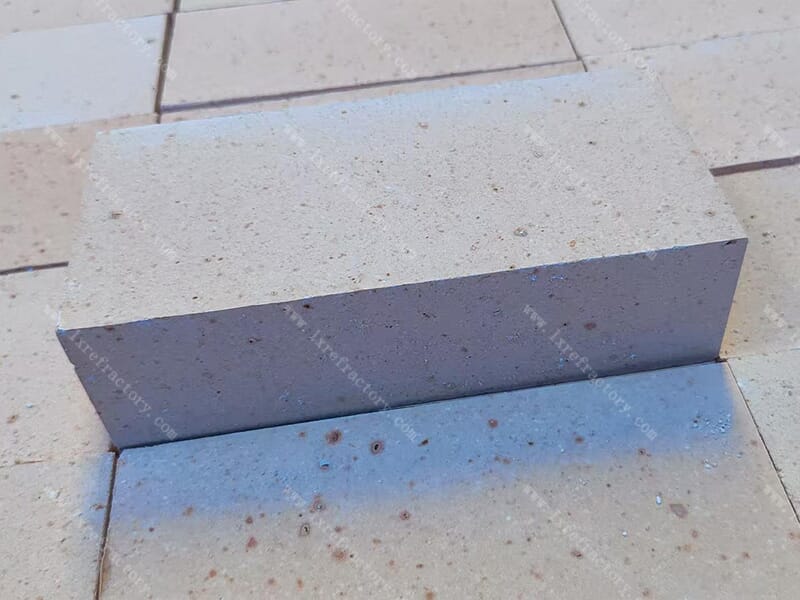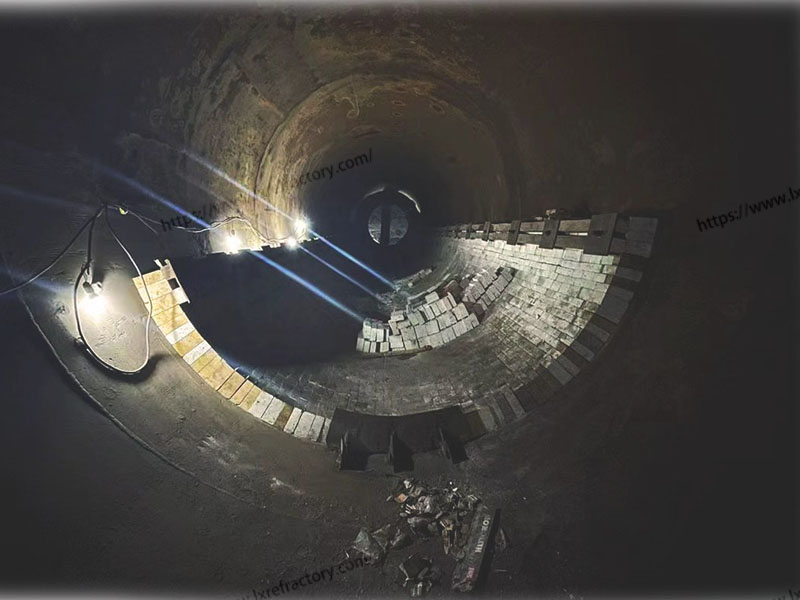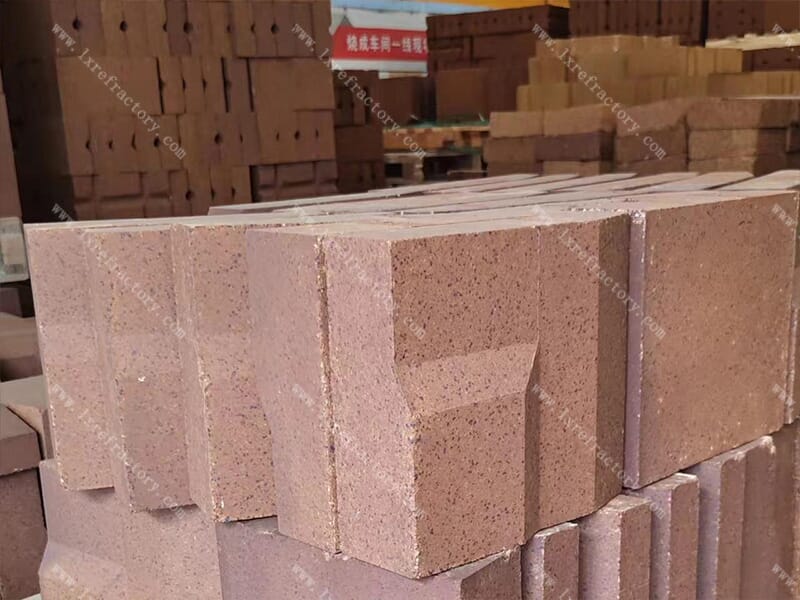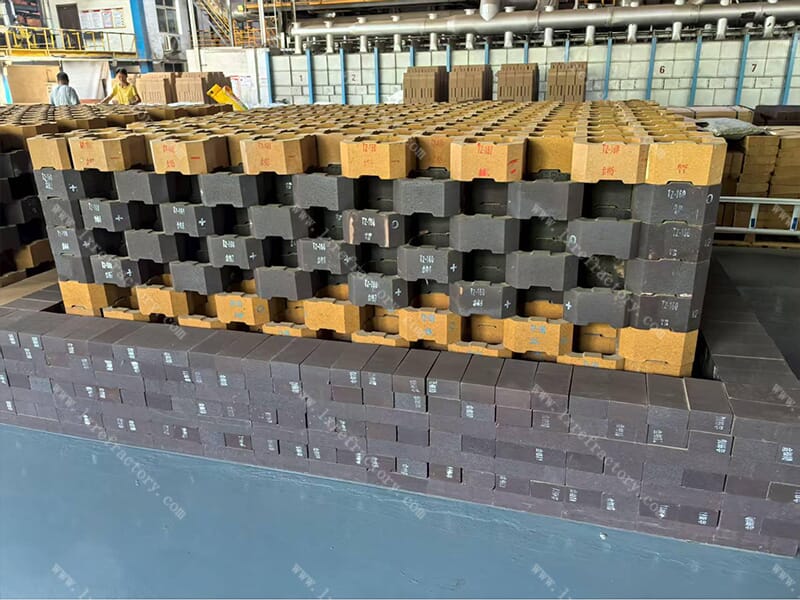
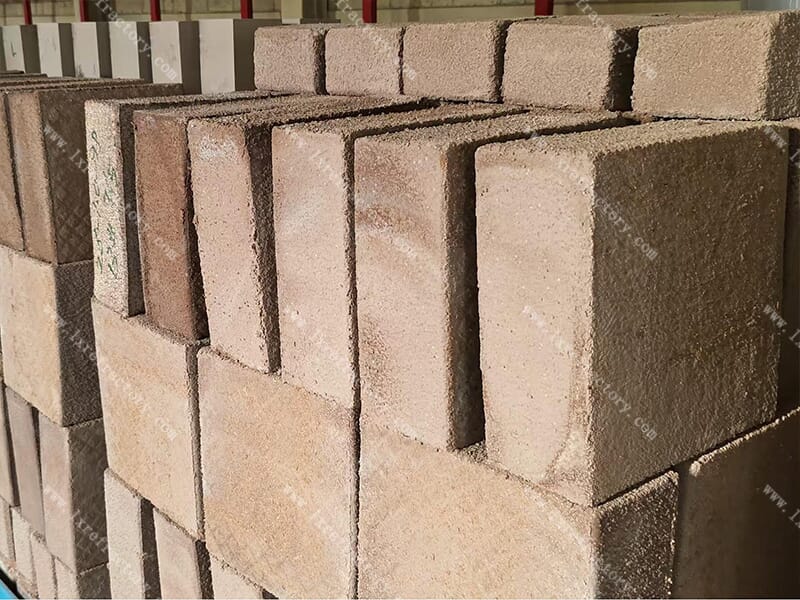
Furnace bricks are the core lining material of ceramic kilns, and their performance directly determines the kiln’s service life, production efficiency, product quality, and operational safety. Ceramic kilns operate under complex conditions, facing multiple challenges including high-temperature radiation, temperature fluctuations, material erosion, and chemical attack. The operating conditions vary significantly between different ceramic categories (daily-use ceramics, architectural ceramics, and industrial ceramics) and different parts of the kiln. Therefore, the scientific selection of furnace bricks must adhere to the core principles of “matching operating conditions, adapting performance, and controlling cost,” taking into account multiple factors.
1. Clarify kiln operating conditions
Clarifying the kiln’s operating conditions and the needs of ceramic production is the prerequisite for selection. Ceramic kilns are diverse, with tunnel kilns, roller kilns, and shuttle kilns exhibiting significant differences in operating temperatures and thermal regimes. Daily-use and architectural ceramic kilns typically operate at temperatures between 1200-1450℃, while industrial ceramic kilns can reach 1450-1600℃. Higher temperatures place stricter requirements on the high-temperature resistance of the furnace bricks.
Simultaneously, the operating characteristics of each part of the kiln must be clearly defined: the preheating and transition zones, with temperatures of 800-1200℃, primarily bear the erosion of alkali and sulfur vapors and temperature gradient stress. The firing and sintering zones, with temperatures of 1400-1700℃, face the scouring of high-temperature molten materials and strong chemical erosion. The cooling and discharge zones are mainly tested by material wear and rapid cooling cycles. Furthermore, the composition of the ceramic body and glaze will also affect the selection; if the glaze contains high alkali and high fluorine components, materials with strong resistance to chemical erosion should be prioritized.
2. Focusing on core performance indicators
Focusing on core performance indicators and selecting suitable materials is a crucial step in the selection process. The performance indicators of furnace bricks directly determine their suitability; five key indicators need to be considered.
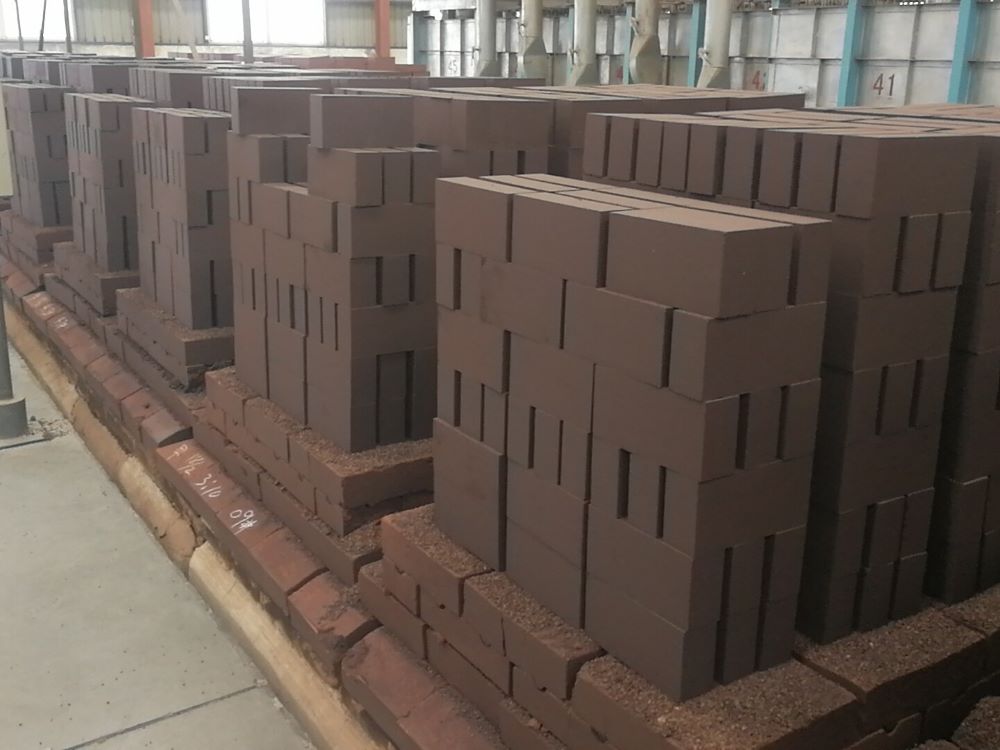
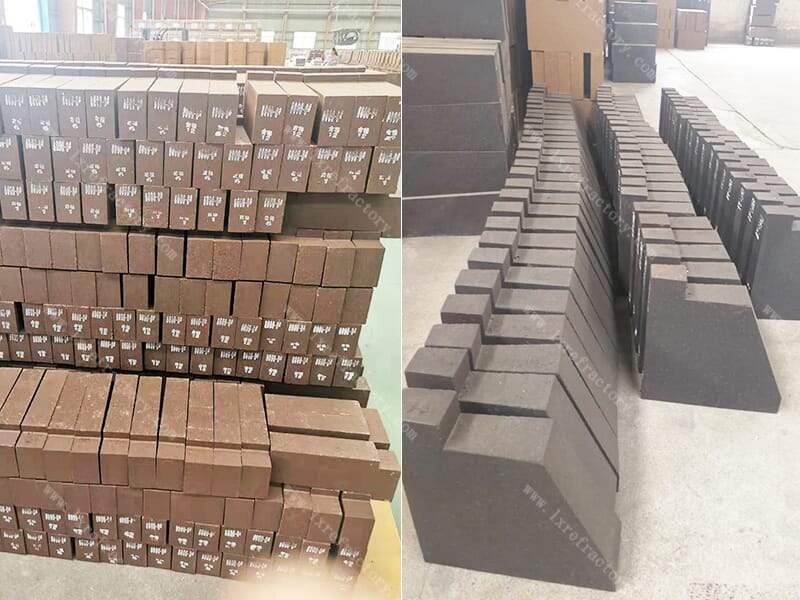
Firstly, refractoriness. As a fundamental indicator of high-temperature resistance, standard refractory materials have a refractoriness ≥1580℃. The firing zone of ceramic kilns requires materials with a refractoriness ≥1700℃, such as magnesia-alumina spinel bricks and corundum-mullite bricks. For the preheating zone, alkali-resistant bricks or clay bricks with slightly lower refractoriness can be used.
Secondly, thermal shock resistance is crucial. Ceramic kilns are prone to drastic temperature fluctuations during start-up, shutdown, and temperature adjustments, requiring products with excellent thermal shock resistance. Low-porosity high-alumina bricks can withstand more than 25 cycles of 850℃ → water cooling, making them ideal for areas with frequent temperature fluctuations and effectively preventing brick spalling and cracking.
Thirdly, chemical stability is important, and selection must be based on the kiln’s chemical environment. If acidic flue gas is present, silicon-based or zirconia-reinforced refractory bricks can be used. In alkaline environments, magnesia or chromium-based refractory materials are preferred to avoid reactions between the bricks and the medium, leading to pulverization and erosion.
Fourthly, mechanical strength is critical. For high-wear areas such as the kiln bottom, slag line, and kiln mouth, products with a cold rolling strength ≥50 MPa should be selected. Silicon carbide bricks exhibit outstanding wear resistance and are suitable for areas with strong material erosion, significantly extending their service life.
Fifth, volume stability is crucial. Shrinkage and expansion of the bricks under high-temperature conditions can lead to loosening of the furnace lining and air leakage. Materials with minimal refire line variation, such as silica bricks and corundum bricks, should be selected to ensure kiln sealing and structural integrity.
3. Selection by kiln zone
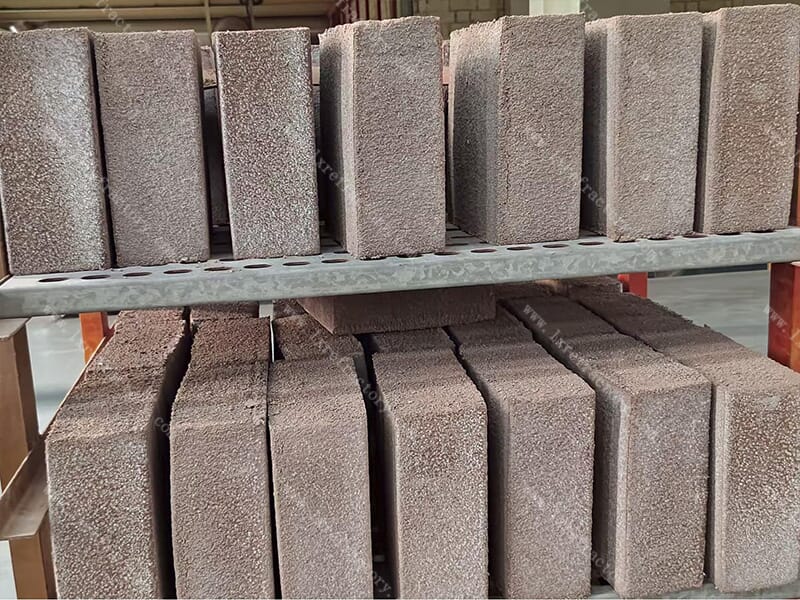
Precise selection based on kiln zone is essential for optimal performance and operating conditions. Different parts of a ceramic kiln experience significantly different operating conditions, requiring segmented selection of furnace bricks to avoid resource waste or shortened service life caused by a “one-size-fits-all” approach.
The preheating and transition zones primarily withstand alkali vapor erosion and temperature gradients. Alkali-resistant bricks (Al₂O₃ 25-28%, SiO₂ 65-70%) are recommended to effectively prevent “alkali cracking.” Phosphate-bonded high-alumina bricks can also be used, offering both thermal shock resistance and corrosion resistance.
The firing and sintering zones are the core high-temperature areas of the kiln, experiencing the most severe erosion and washing. Magnesia-alumina spinel bricks are preferred due to their strong corrosion resistance and adhesion. Zirconia-reinforced corundum bricks can also be selected, suitable for high-temperature conditions above 1750℃, meeting the high-temperature firing requirements of industrial ceramics.
The cooling and discharge zones are crucial for addressing material abrasion and rapid cooling; silicon carbide castables or steel fiber-reinforced high-alumina castables can be used. Silicon carbide materials are preferred for kiln hoods and unloading chutes to enhance wear resistance.
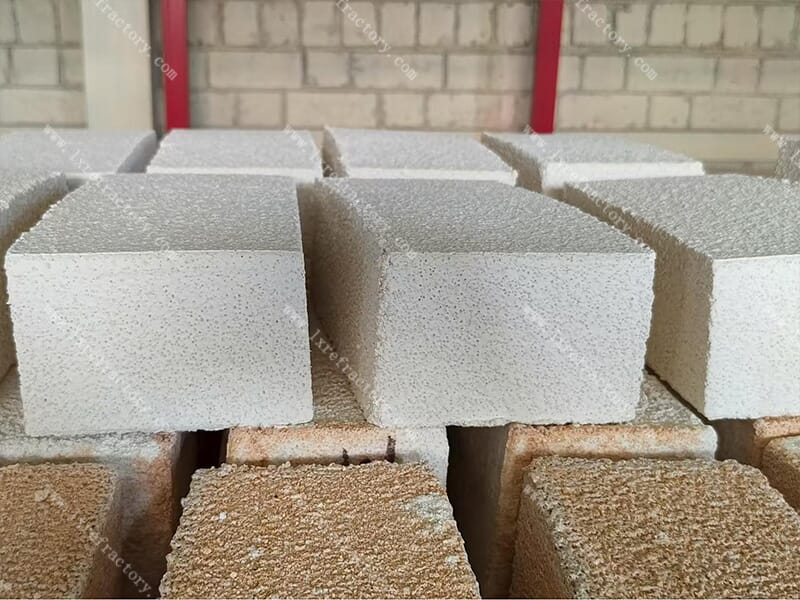
The kiln tail flue temperature is relatively low; clay bricks or lightweight insulating bricks can be used, balancing insulation and cost control. Furthermore, the roller sections of roller kilns must use silicon carbide bricks with strong thermal shock resistance and wear resistance to prevent roller deformation from affecting the transport of ceramic blanks. For intermittent kilns such as shuttle kilns, materials with excellent thermal shock resistance must be used throughout to adapt to the frequent start-up and shutdown conditions.
4. Quality certification and cost optimization
Balancing quality certification and cost optimization to achieve long-term energy savings. Products conforming to ISO 9001 and GB standards should be given priority during selection. Refractory brick suppliers must provide third-party test reports on key indicators such as refractoriness, cold rolling strength, and thermal shock resistance to avoid using inferior products that could lead to frequent kiln maintenance. Simultaneously, the supplier’s R&D capabilities and customization services should be evaluated, prioritizing manufacturers that can provide customized irregularly shaped bricks and have robust logistics support to meet the complex structural needs of the kiln. Regarding cost control, the misconception of “lowest price first” must be abandoned, and the total life-cycle cost should be emphasized. For example, although silicon carbide bricks cost twice as much as clay bricks, their service life can be 3-5 times longer, making them more economical in the long run. Discounts can be negotiated for bulk purchases to further reduce procurement costs.
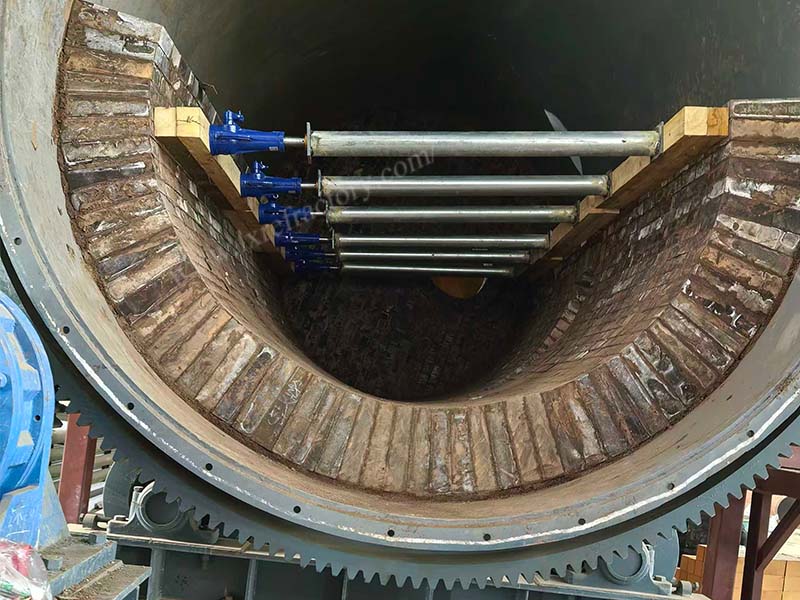
Furthermore, storage and construction must also align with the selected requirements. Furnace bricks must be stored in a dry, well-ventilated place, especially magnesium-based materials, which require proper moisture protection to prevent hydration and powdering. During construction, refractory mortar compatible with the furnace brick material must be used, and mixing materials with different acidity or alkalinity is strictly prohibited to ensure the integrity of the masonry and reduce damage caused by temperature stress.
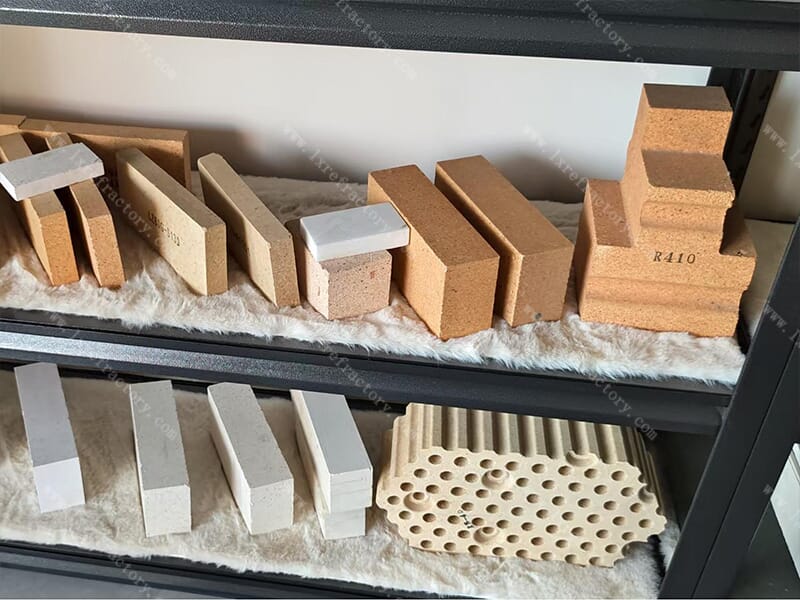
In summary, the selection of furnace bricks for ceramic kilns should be based on kiln operating conditions and production needs, focusing on core performance indicators, precisely matching materials according to the region, and balancing quality certification with cost optimization. Simultaneously, proper storage and construction are essential to extend kiln lifespan, reduce maintenance costs, and ensure the stability of ceramic production and product quality. With the upgrading of the ceramic industry, new composite refractory materials are constantly emerging. Enterprises can choose more energy-efficient and durable products based on their own production scale and product positioning to achieve green and efficient production.