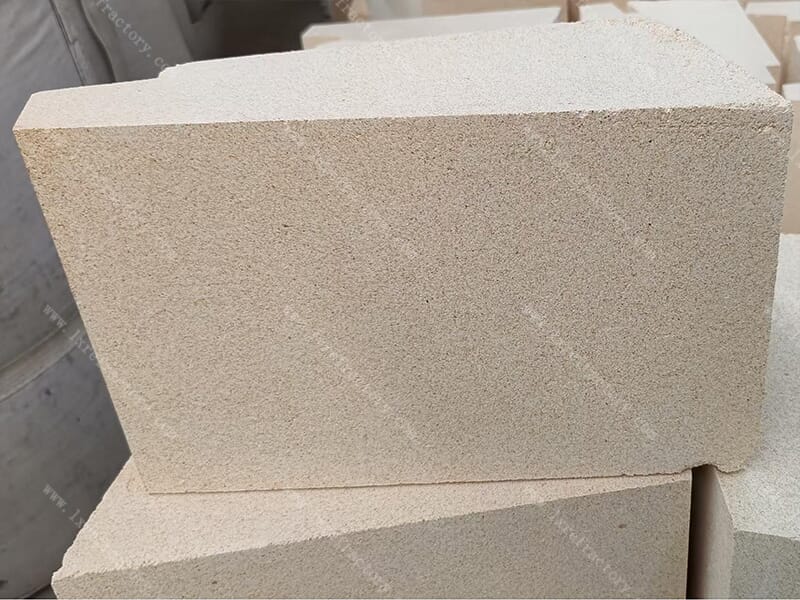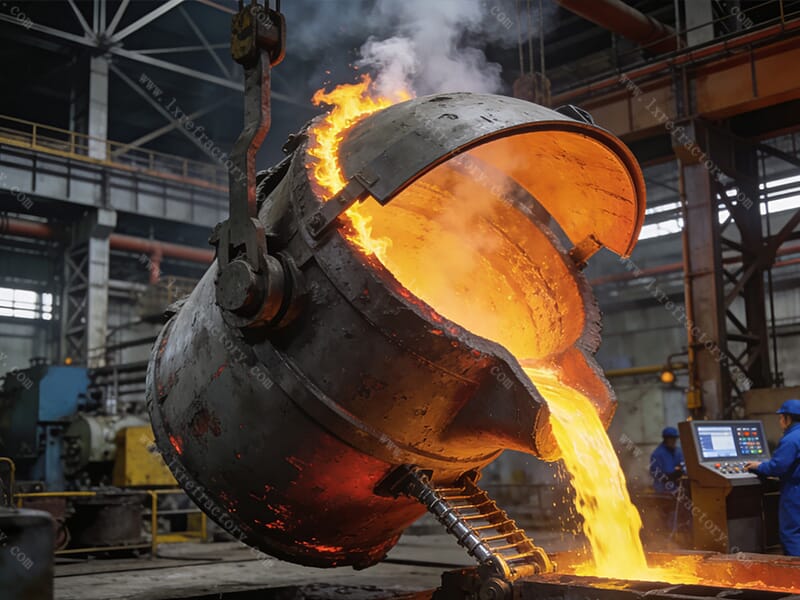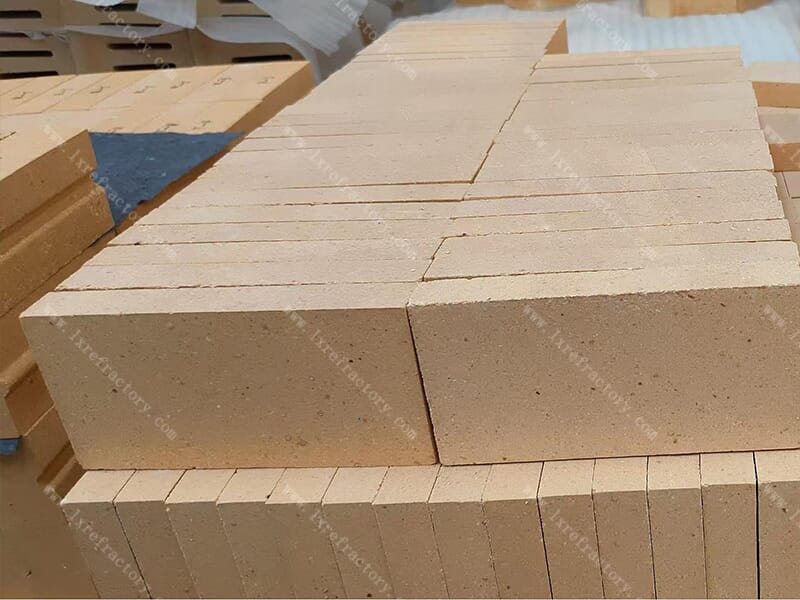
Refractory materials are the core supporting materials in ceramic production. With key properties such as high temperature resistance, thermal shock resistance, and erosion resistance, they are used throughout the entire process from raw material pretreatment to finished product firing, directly affecting product quality, production efficiency, and equipment lifespan. They are widely applicable to various fields such as daily-use ceramics, building and sanitary ceramics, and special ceramics.
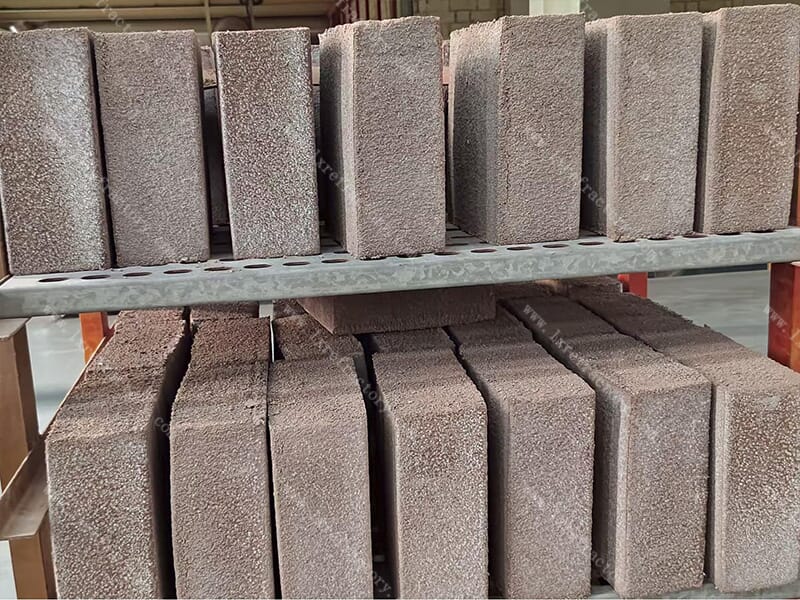
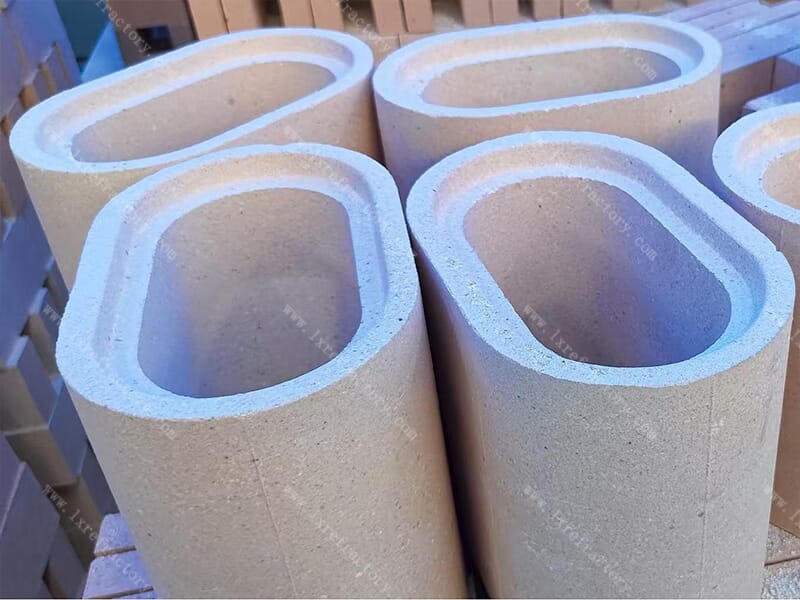
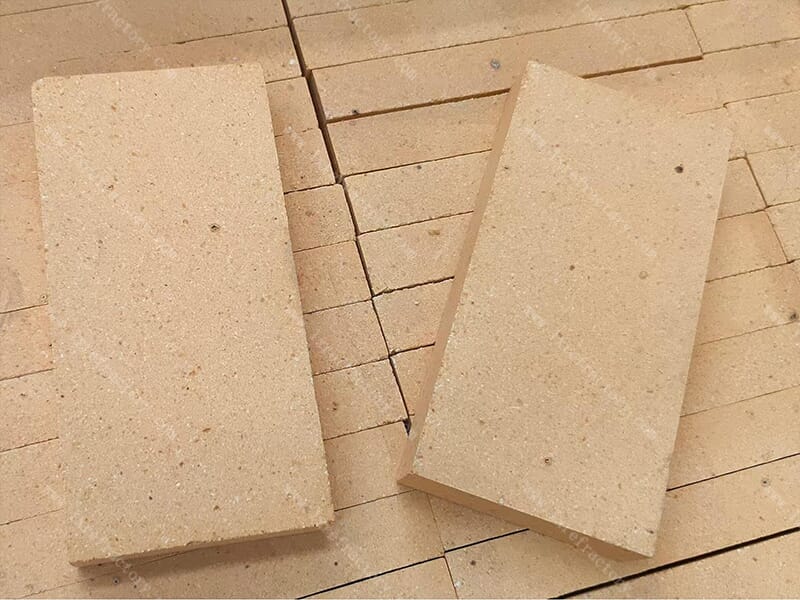
ruitai refractory firebrick
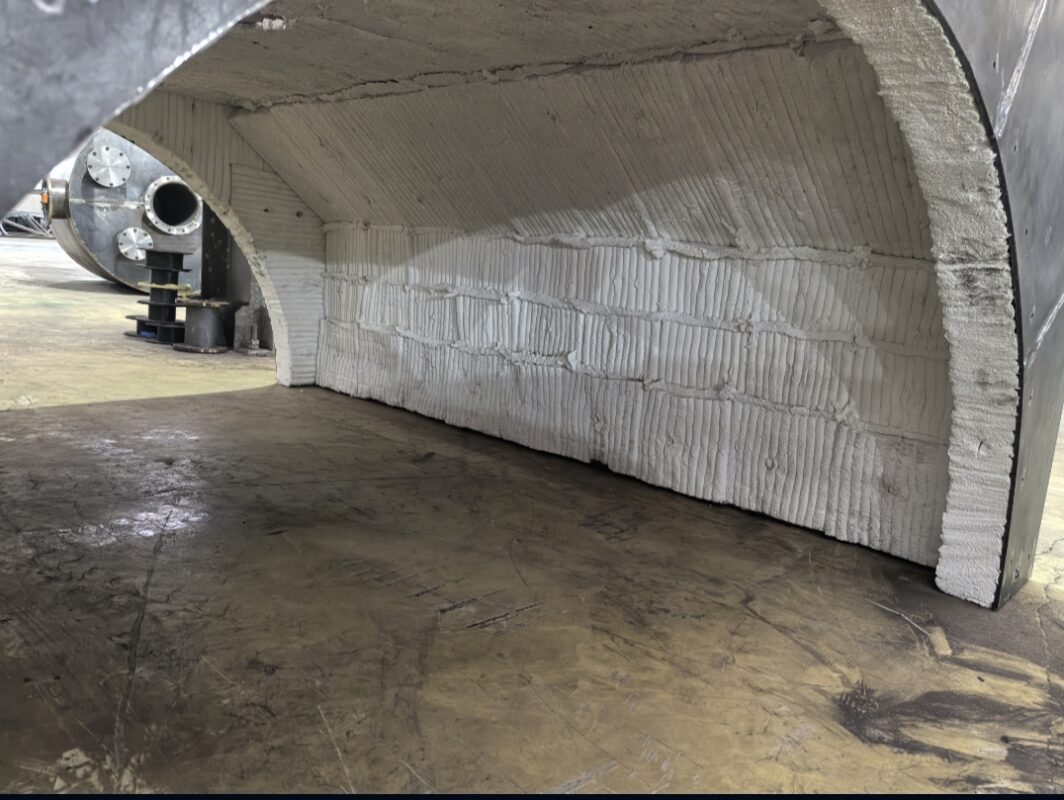
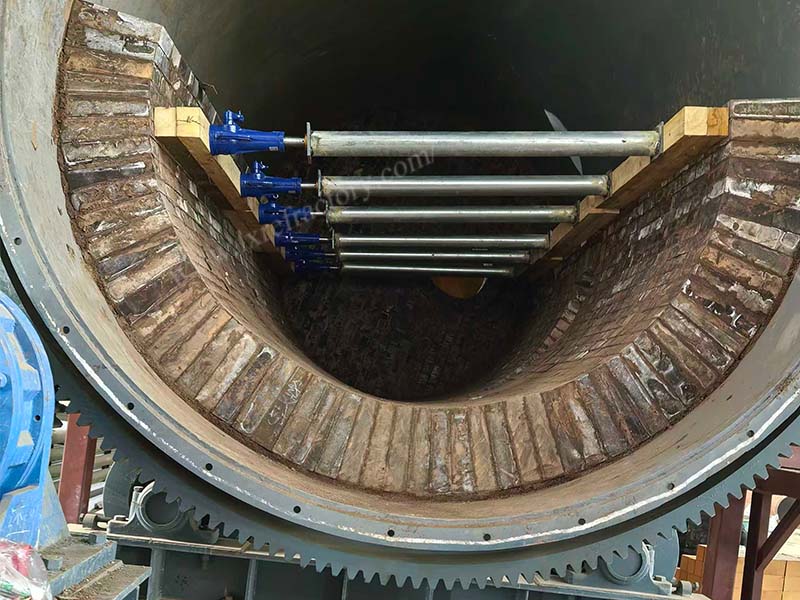
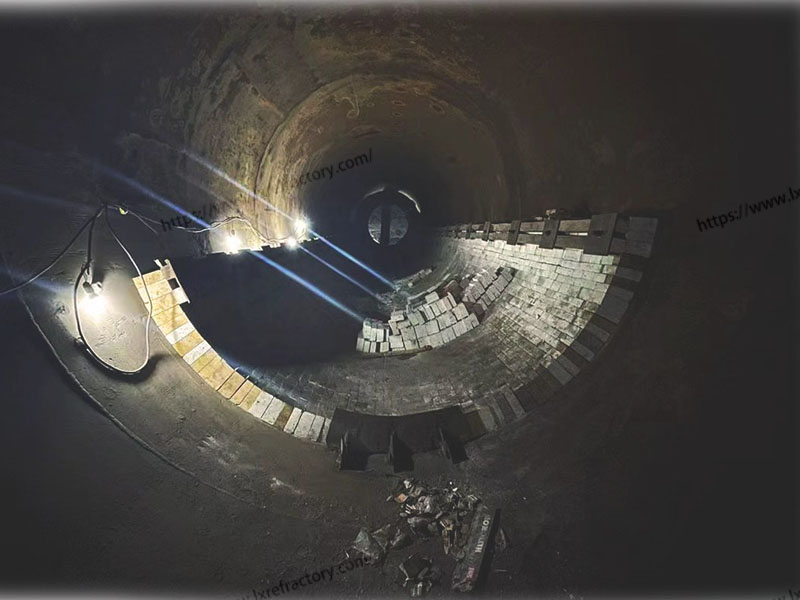
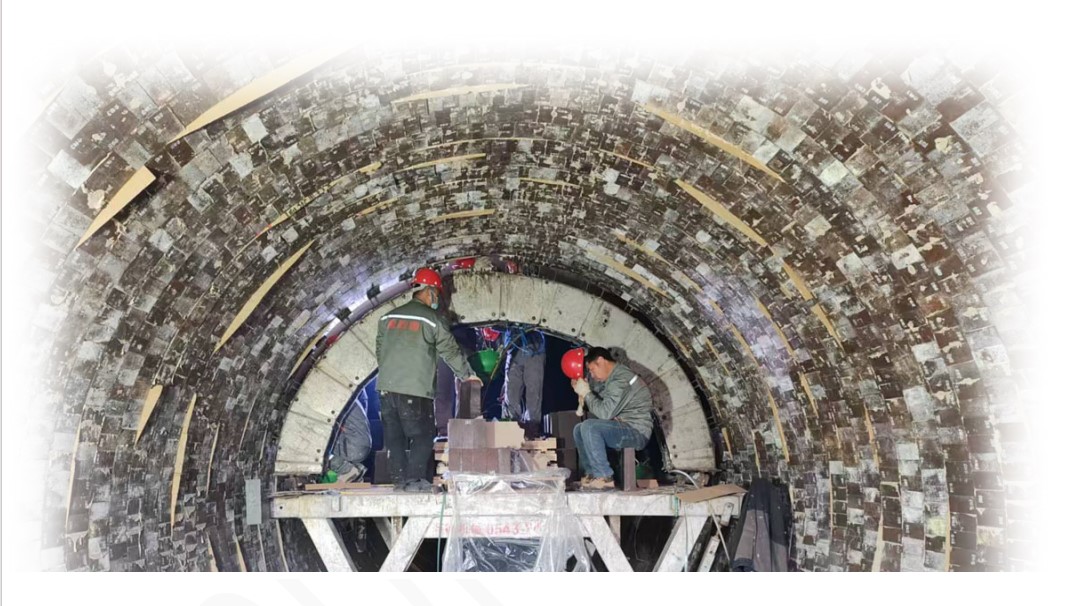
Ceramic kilns are the main application carriers of refractory materials. Precise selection is required for different regions due to varying operating conditions. In the preheating zone (1000~1400℃), where the temperature gradient is large, clay bricks and semi-silica bricks, which offer high cost-effectiveness and excellent thermal shock resistance, are commonly used for furnace walls, domes, and flue linings. In the firing zone (above 1500℃), which needs to withstand high-temperature erosion and chemical corrosion, high-alumina bricks, corundum bricks, and magnesia-alumina spinel materials are selected to ensure kiln structural stability. In the cooling zone, where rapid heating and cooling occur, silicon carbide bricks and high-alumina castables are preferred due to their excellent anti-stripping properties and thermal conductivity. Furthermore, key components such as kiln rollers and burner nozzles require specialized materials. For example, silicon carbide rollers ensure uniform heating of the green body, while corundum bricks ensure stable flame propagation.
Equipment used in the raw material pretreatment stage, such as drying towers and spray dryers, although operating at lower temperatures, needs to withstand material erosion. Therefore, aluminosilicate refractory castables and corundum wear-resistant materials are commonly used, balancing heat insulation and wear resistance. The production of specialty ceramics demands extremely high material purity, driving the application of specialty refractory materials such as high-purity alumina and silicon nitride composites to meet the sintering needs of high-end fields such as electronics, biotechnology, and new energy.
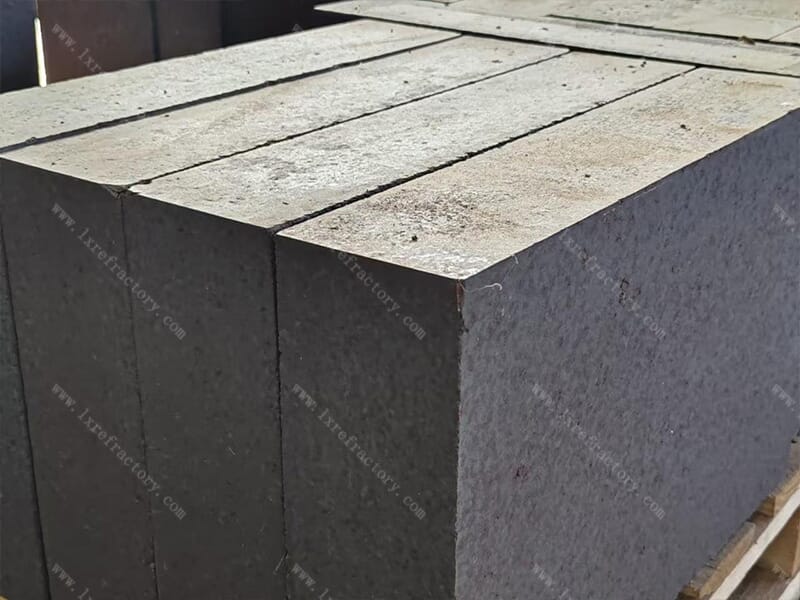
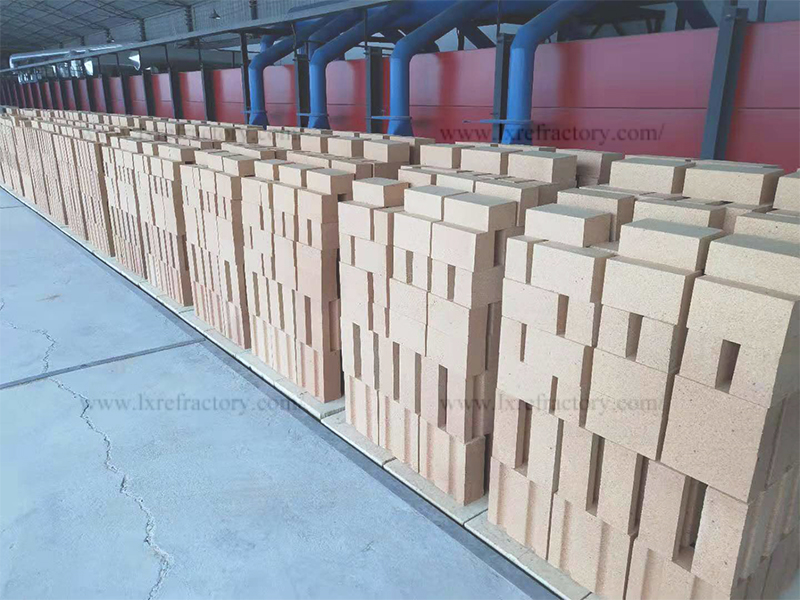
ruitai refractory firebricks
The core requirements for refractory materials in the ceramics industry include high-temperature stability, chemical stability, and suitable physical properties. Currently, with the ceramics industry’s transformation towards high-end and green development, refractory materials are developing towards high-performance composites, environmentally friendly and energy-saving materials, and customization. The application of technologies such as nanocomposites, low-cement environmentally friendly materials, and 3D-printed customized parts continues to support the high-quality development of the ceramics industry.