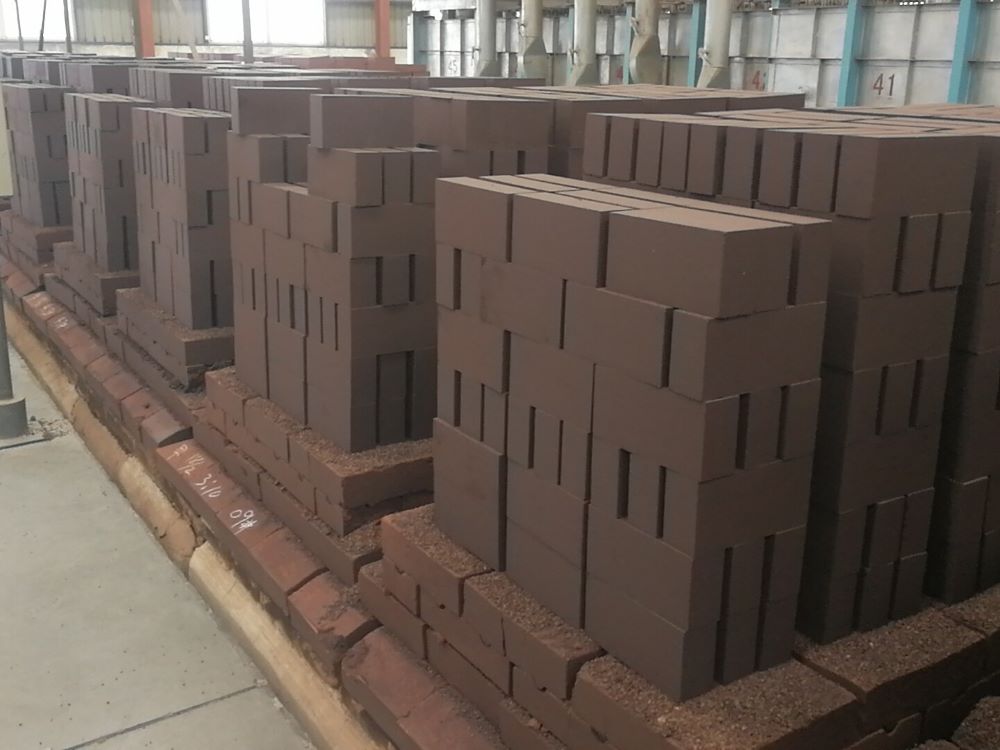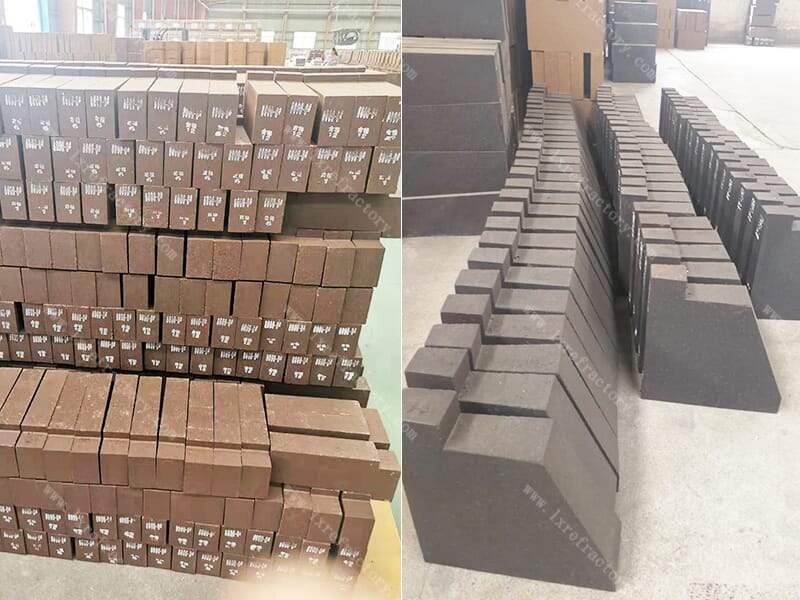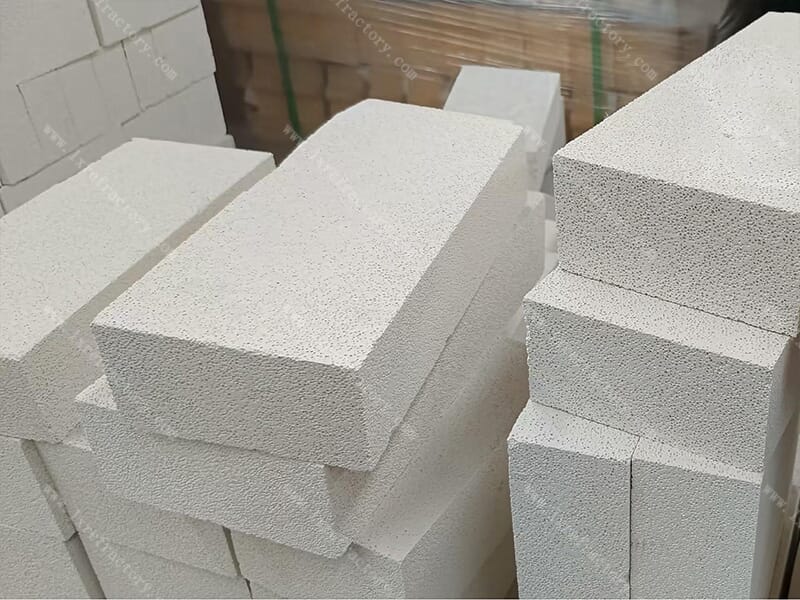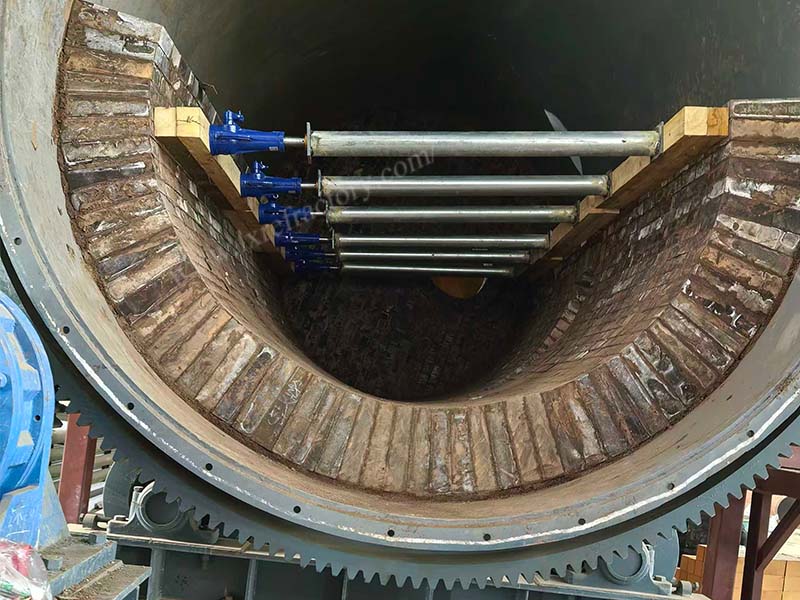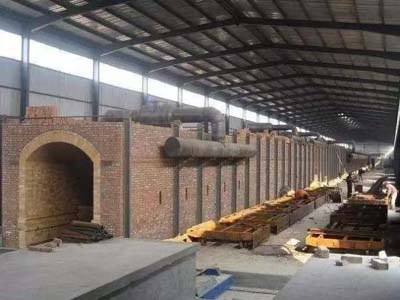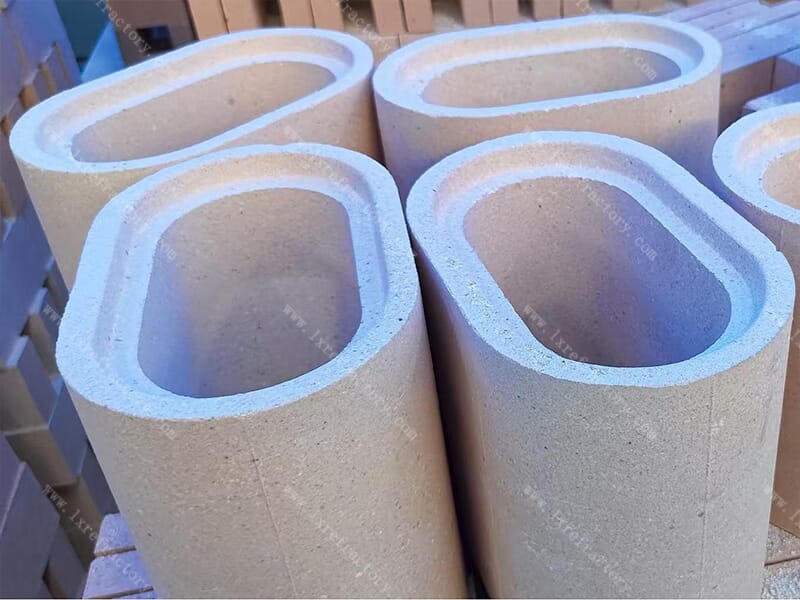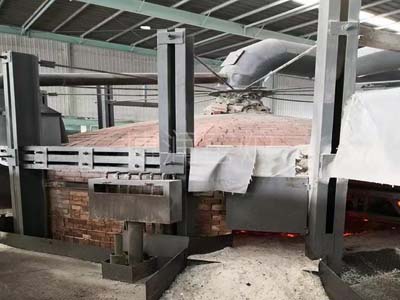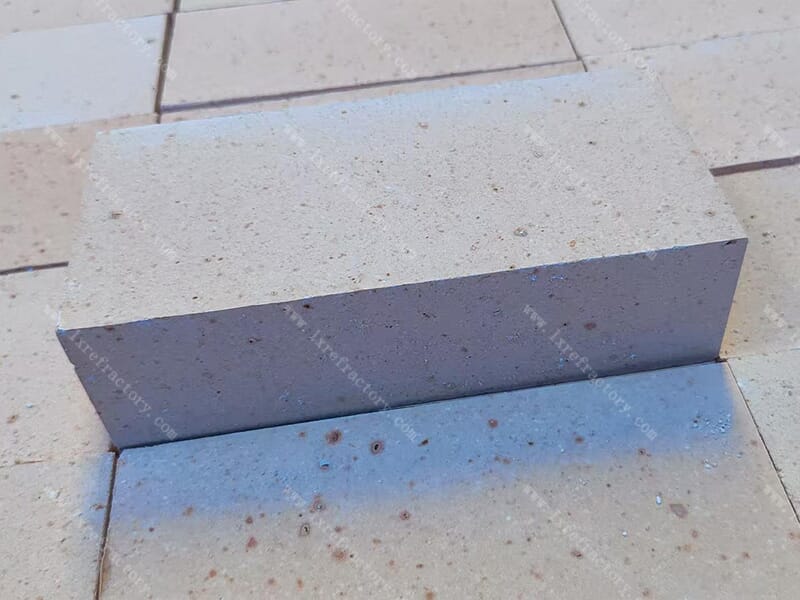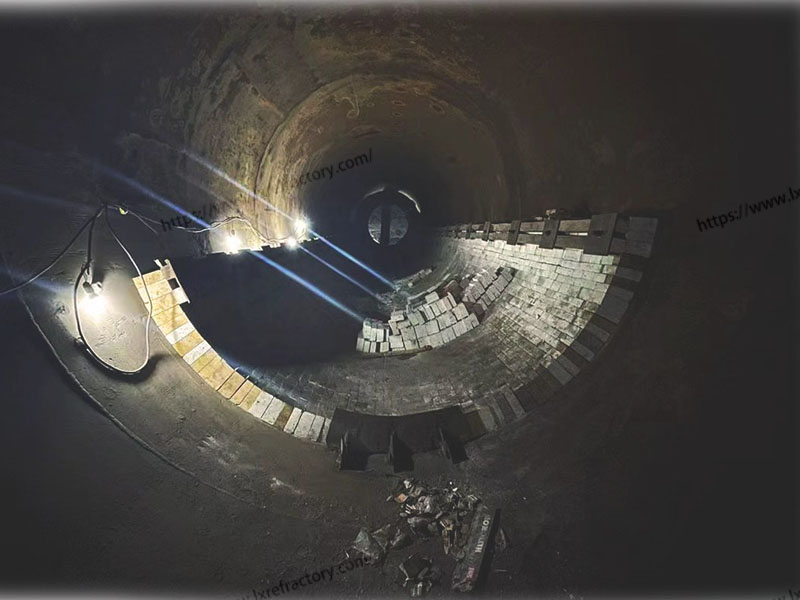
Ceramic kilns need to withstand varying temperatures and operating conditions. Commonly used furnace bricks can be categorized into five main types based on their material and application, suitable for various key parts of the kiln to ensure ceramic firing quality.
1. Clay furnace bricks
Clay furnace bricks are the most widely used base bricks. With an Al₂O₃ content of 36%–42%, they have moderate refractoriness and are suitable for kiln areas below 1000℃, such as flue gas outlets, flues, and preheating zones. They provide both support and high-temperature resistance, offering high cost-effectiveness and easy construction, making them the preferred base material for low- to medium-grade kilns.
2. High-Alumina furnace bricks
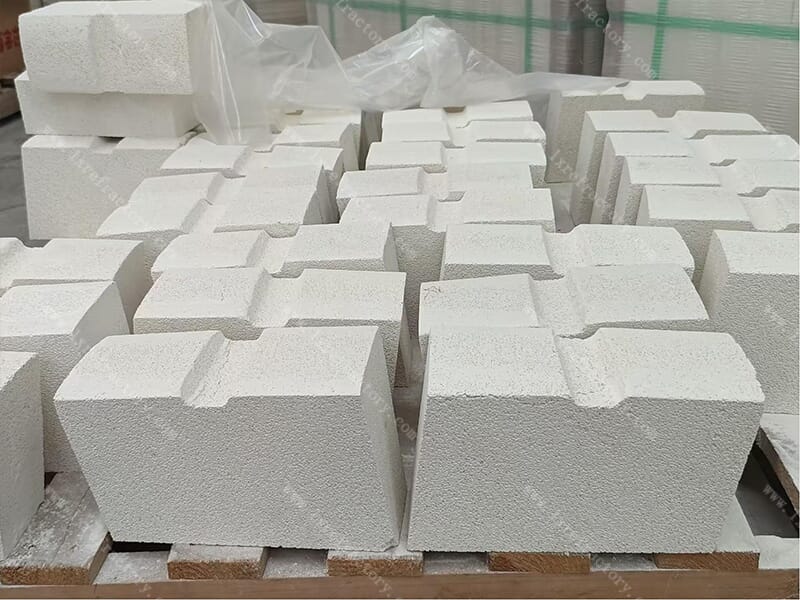
High-alumina refractory bricks have superior temperature resistance compared to clay bricks and are suitable for high-temperature areas of kilns above 1000℃, such as tunnel kiln arches and burner bricks. They are often made into irregular shapes to fit complex structures and are widely used in high-temperature areas such as combustion chambers, balancing high-temperature strength and practicality.
3. Corundum Bricks
Corundum bricks are high-end, high-alumina bricks with an Al₂O₃ content exceeding 99%. Sintered at 1600–1800℃, they can withstand temperatures up to 1800℃ and are primarily used in ultra-high-temperature areas such as kiln combustion chambers. They exhibit strong corrosion resistance and can withstand prolonged exposure to high-temperature flames.
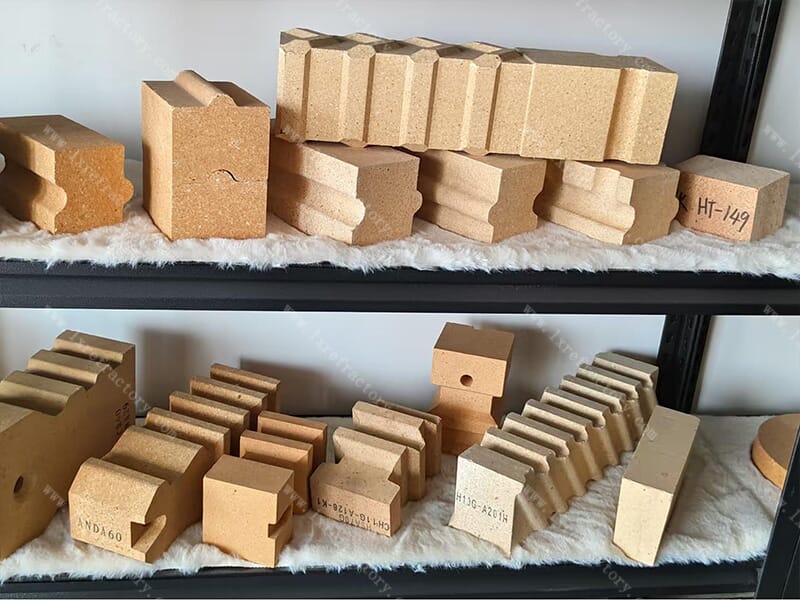
4. Silicon carbide furnace bricks
Silicon carbide refractory bricks possess high high-temperature strength and good thermal conductivity. They come in various types: clay-bonded types are often used for flame deflectors and kiln car roof panels; self-bonded types are suitable for kiln car crossbeams and roller kiln rollers; and silicon nitride-bonded types are used in critical components such as burner nozzles, adaptable to various kiln operating conditions.
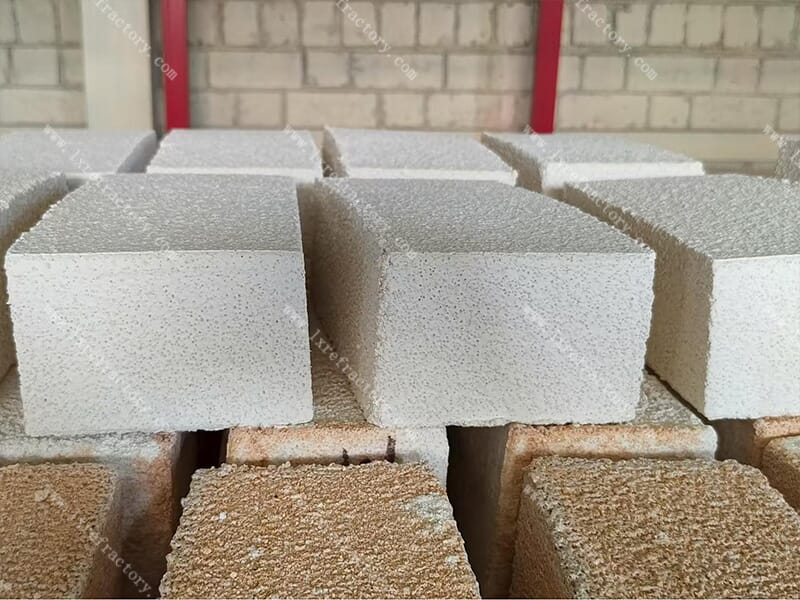
5. Lightweight furnace bricks
In addition, lightweight furnace bricks (such as lightweight clay bricks and mullite bricks) are used on the back surface of kiln walls. They have good heat insulation effects, which can reduce heat loss and lower energy consumption. When used in combination with heavy bricks, they can balance heat insulation and structural strength, and meet the heat insulation needs of various areas of the kiln.