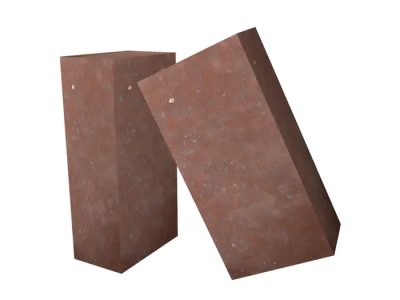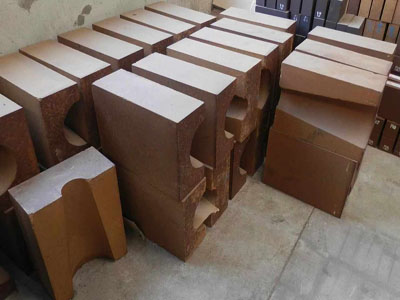
Magnesium fire bricks are alkaline refractory materials with magnesium oxide as the main component (usually ≥80%). The main crystalline phase is periclase, with a melting point as high as 2800℃. Magnesium fire possess excellent high-temperature resistance and resistance to alkaline slag erosion, making them an indispensable lining material for high-temperature kilns in the metallurgical industry. They are widely used in various kilns in core processes such as steel and non-ferrous metal smelting, directly affecting the service life and production continuity of the kiln.

1. Converter
In the steel metallurgical industry, the converter is one of the most critical kilns for the application of magnesium fire bricks. During the converter steelmaking process, the furnace temperature can reach 1600-1800℃. Facing the intense scouring and chemical erosion of molten steel and alkaline slag, the furnace lining needs to possess extremely high stability. The permanent lining of the converter generally uses fired magnesium bricks. The working lining uses magnesia composite bricks such as magnesia-carbon bricks, which offer superior performance. Especially in vulnerable areas such as the slag line, magnesia bricks effectively resist molten slag penetration, extend furnace lining life, ensure continuous steelmaking, and reduce maintenance costs.
2. Electric Arc Furnaces
Electric arc furnaces are another important application for magnesium bricks. Primarily used in scrap steel smelting, the furnace temperature can reach over 1800℃, with frequent temperature fluctuations and molten slag erosion. The furnace walls, bottom, and taphole of electric arc furnaces typically use sintered magnesium fire bricks as permanent linings. The working lining uses magnesia-carbon bricks or recombined magnesia bricks, utilizing their excellent high-temperature structural stability and erosion resistance to prevent furnace lining deformation and damage, ensuring a safe and stable smelting process, while reducing heat loss and improving smelting efficiency.
3. Ladle Refining Kilns
Ladle refining kilns are key equipment for steel upgrading, including RH furnaces, AOD furnaces, and VOD furnaces. Their operating environment is harsh, requiring them to withstand high temperatures, high vacuum, and strong chemical erosion. AOD furnaces use sintered magnesium fire bricks as permanent linings, and magnesia-calcium bricks or other magnesia materials as working linings. The working linings of RH furnaces and VOD furnaces utilize electrofused and bonded magnesia-chrome bricks and magnesia-carbon bricks. The superior resistance of magnesium fire bricks to alkaline slag effectively resists slag erosion during refining, ensuring improved steel purity while extending furnace lifespan.
4. Blast Mixing Furnaces and Soaking Furnaces
Blast mixing furnaces and soaking furnaces are also common applications for magnesium fire bricks. Blast mixing furnaces are used for storing and preheating molten iron, with internal temperatures around 1300-1400℃. The working linings use magnesium fire bricks and magnesia-alumina bricks, which resist erosion from molten iron and iron oxide scale. Soaking furnaces are used for heating and homogenizing steel ingots and billets. Magnesium bricks are used on the furnace bottom surface and lower furnace walls to withstand high temperatures and iron oxide scale erosion. Their excellent thermal conductivity ensures uniform temperature distribution within the furnace, improving heating quality.
5. Non-ferrous Metallurgical Furnaces
In the non-ferrous metallurgical industry, magnesium fire bricks are widely used in smelting furnaces for metals such as copper, lead, zinc, and nickel. Magnesia bricks and magnesia-chrome bricks are used in the hearth, foreboard, and lining of copper blast furnaces and reverberatory furnaces to resist the strong chemical corrosion and high-temperature erosion of copper slag. Magnesium fire bricks are also selected as the refractory material for critical parts of the linings of lead and zinc smelting furnaces, as they can withstand the high-temperature and alkaline molten slag environment inside the furnace, preventing furnace leakage accidents caused by lining damage and ensuring continuous smelting operations.
6. Lime Kilns and Ferroalloy Furnaces
In addition, magnesium bricks are also used in lime kilns and ferroalloy furnaces in the metallurgical industry. Lime kilns are used to calcine lime, with high-temperature zones reaching 1200-1400℃. Magnesium bricks and magnesia-alumina spinel bricks are used in the working linings to resist the alkaline corrosion of lime clinker and material abrasion. Ferroalloy furnaces are used to smelt ferrosilicon and ferromanganese, and the furnace lining is susceptible to corrosion by high-temperature molten slag. Using magnesia bricks can effectively extend the furnace lining life and reduce production costs.
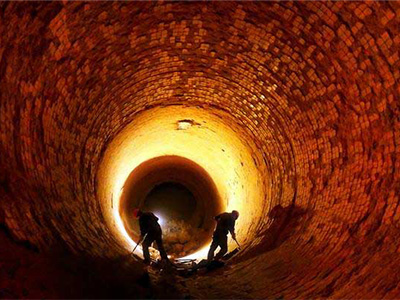
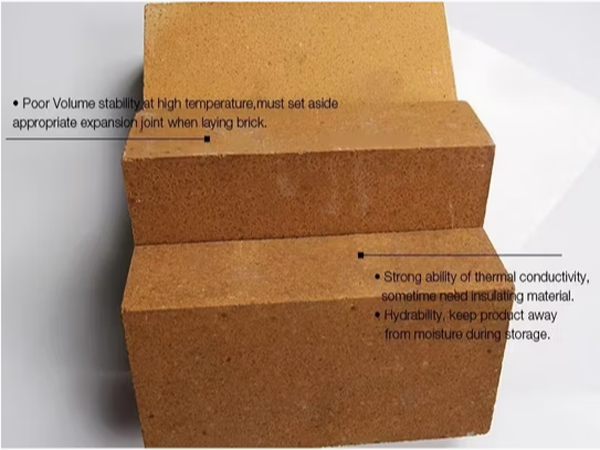
It is important to note that magnesium fire bricks have extremely poor resistance to acidic slag. When using them, direct contact with acidic refractory materials such as silica bricks and clay bricks must be avoided; neutral bricks should be used for isolation. Furthermore, their thermal shock resistance is poor, requiring controlled rates of kiln heating and cooling, and proper moisture-proofing measures must be taken during storage and transportation.
In summary, due to their unique high-temperature performance, magnesium fire bricks have become the core refractory material for various high-temperature kilns in the metallurgical industry, supporting the stable and efficient production of steel and non-ferrous metal smelting, and are an indispensable “industrial cornerstone” of the metallurgical industry.