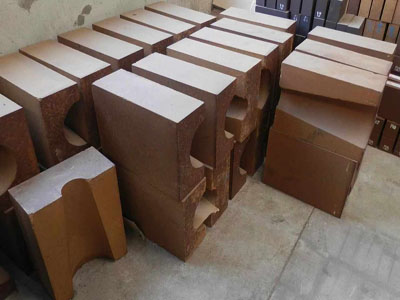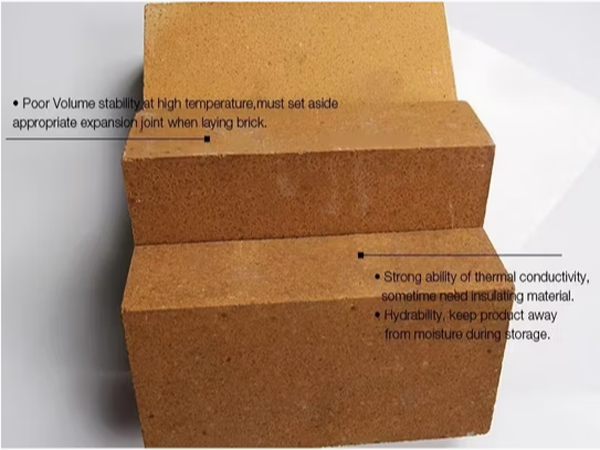
The use of magnesium bricks in rotary kilns must be carefully considered due to their poor resistance to hydration, weak thermal shock resistance, and high coefficient of thermal expansion. Control over the entire process—from bricklaying to operation and maintenance—is crucial to ensure extended service life and stable kiln operation.
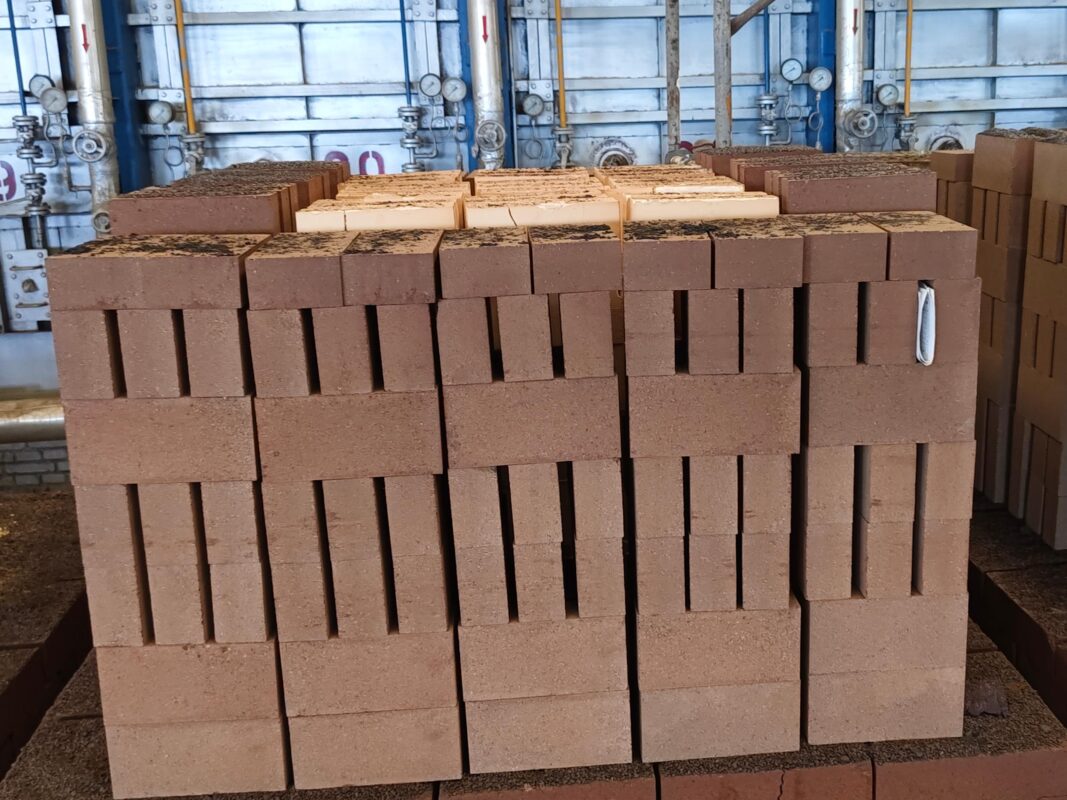
1. Dry-laying process
Dry-laying is required. Use steel plates to adjust the brick joints, with a maximum of one 1-1.2mm thick steel plate per joint. Longitudinal and circumferential joint deviations must meet specifications. Use processed bricks for locking, and stagger adjacent rings. Direct hammering is strictly prohibited to avoid brick damage. Simultaneously, leave reasonable expansion joints, approximately 1% of the brick length per ring, to prevent cracking caused by hindered high-temperature expansion. Direct laying with acidic materials such as silica bricks is prohibited; neutral bricks should be used for isolation if necessary.
2. Temperature control rate
During operation, strictly control the heating and cooling rates to avoid rapid heating and cooling and reduce thermal shock damage. Simultaneously, adjust the burner appropriately to prevent the flame from directly impacting the bricks and causing localized overheating. Control the kiln atmosphere and temperature, strictly prohibiting prolonged operation at excessive temperatures to reduce fluctuations in raw material composition and prevent kiln lining detachment that could lead to direct high-temperature erosion of the magnesium bricks.
3. Regular Maintenance
Regularly inspect the magnesium bricks, checking for hollow areas and damage by tapping. Repair or replace damaged magnesium bricks promptly. Regularly clean surface slag and impurities to prevent penetration and erosion. Strict moisture control is required before storage and use; maintain ambient humidity below 30%. Do not use damp bricks. When shutting down the kiln, ensure proper insulation and moisture control. For long-term shutdowns, clean the furnace body and place desiccants inside.