
The chemical industry uses a variety of kilns, primarily depending on the physical or chemical changes required for the materials at high temperatures. Core kiln types include rotary kilns, vertical kilns (including sleeve-type vertical kilns and mechanized vertical kilns), fluidized bed roasting furnaces, and dedicated incinerators.
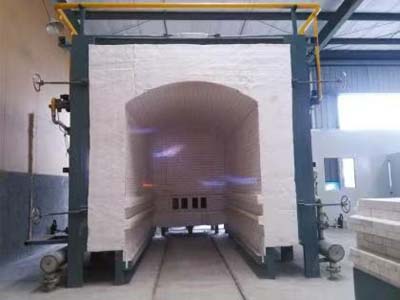
Rotary kilns are among the most versatile kilns in the chemical industry. They are suitable for the continuous processing of solid materials and are commonly used in chemical production for calcining soda, phosphate fertilizers, barium sulfide, and processing minerals such as chromite. Their advantages include high production capacity, uniform material heating, and stable operation, adapting to different process requirements ranging from several hundred to over a thousand degrees Celsius.
Vertical kilns are mainly used for limestone calcination and related chemical production. Sleeve-type vertical kilns calcine materials through an annular space formed by concentric cylinders. The Chinese chemical industry has built sleeve-type kilns fueled by calcium carbide furnace gas specifically for producing active lime for chemical use. Mechanized lime vertical kilns are commonly used for calcining raw materials for calcium hydroxide, calcium carbonate, and nano-calcium, providing highly active intermediates for subsequent chemical product preparation.
Fluidized bed roasters are indispensable in certain chemical processes. For example, in sulfuric acid production, pyrite fluidized bed roasters utilize the heat of the roasting reaction to decompose waste sulfuric acid into sulfur dioxide, achieving resource utilization of waste acid.
Furthermore, environmental treatment also involves specialized incinerators. Chemical waste liquids and gases are often treated using high-temperature pyrolysis incinerators, while the fluorochemical industry uses corrosion-resistant specialized incinerators to decompose fluorinated organic compounds at temperatures above 1250℃ and recover hydrofluoric acid. These furnaces collectively constitute the thermal equipment system of the chemical industry, from raw material processing to end-of-pipe treatment.