Chemical Composition
The core chemical composition of clay refractory fire bricks is mainly composed of silicon and aluminum oxides, supplemented by small amounts of iron, calcium, magnesium, potassium, and sodium oxides.
The composition ratio of refractory clay fire bricks differs significantly from that of ordinary building clay fire bricks.
The Al₂O₃ content is a key indicator for classifying the refractoriness of clay fire bricks.
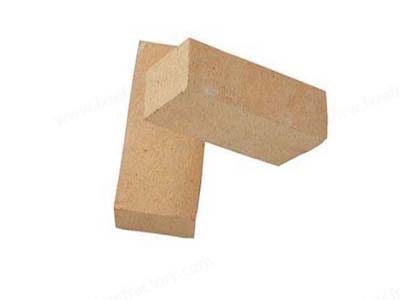
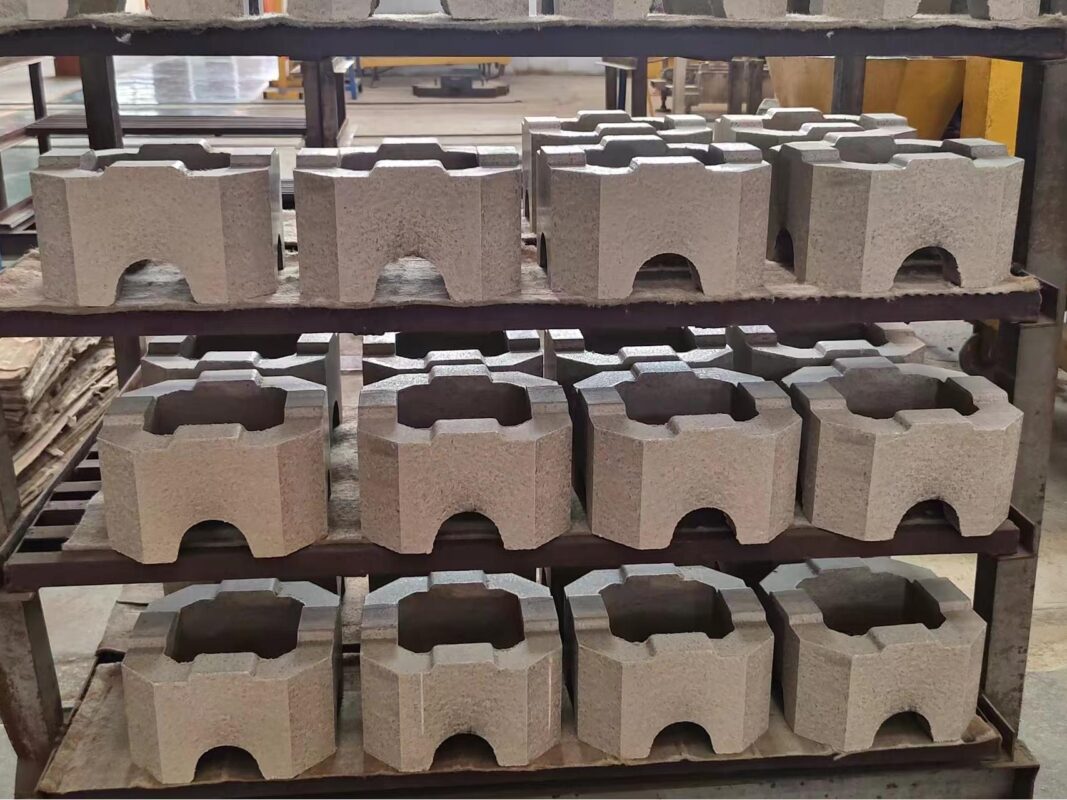
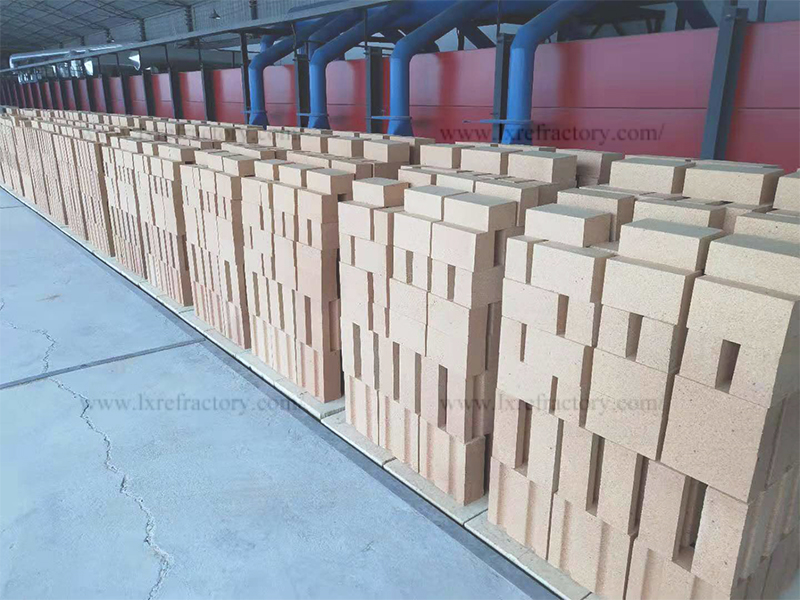
clay refractory fire brick
Physical Properties
The physical properties of clay refractory fire bricks may fluctuate slightly due to the purity of raw materials and the sintering process.
Refractory Properties
Refractory properties, as a core fundamental performance characteristic, directly determine the high-temperature resistance limit of the brick, effectively resisting high-temperature melting and softening.
High-Temperature Mechanical Properties
High-temperature mechanical properties focus on the softening start temperature under load, reflecting the brick’s resistance to deformation under high-temperature load conditions. This is crucial for selecting materials for load-bearing parts of kilns.
Thermal Stability
Thermal stability measures the brick’s ability to resist alternating shocks of rapid heating and cooling. It is determined using a 1100℃ water-cooling cycle test; the more cycles, the better the performance.
Volumetric Stability Index
Volume stability is based on the linear change rate after reheating at 1400℃ for 2 hours. It reflects the degree of volume deformation of the brick after long-term use at high temperatures. Controlling this within a reasonable range can prevent kiln structural misalignment.
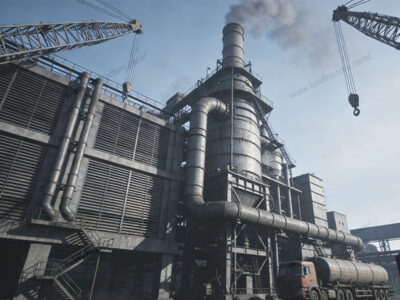
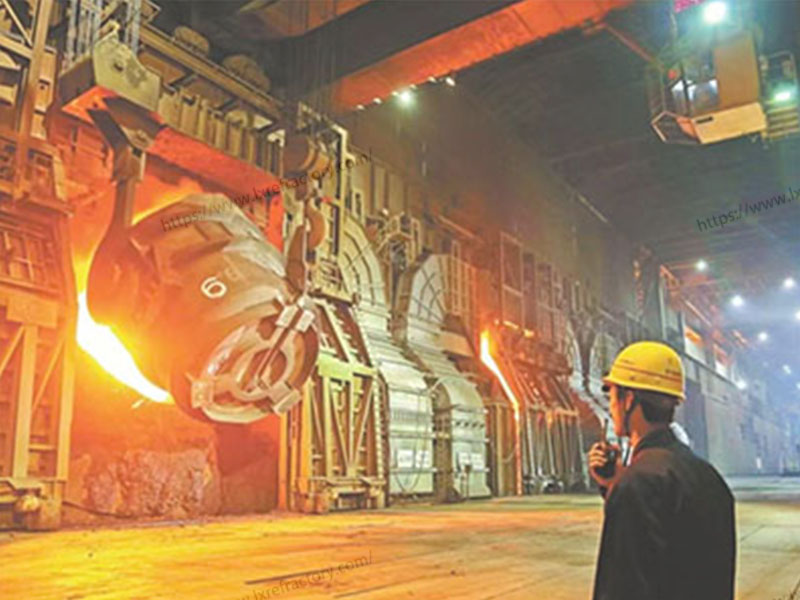
blast furnace
Applications of Clay Refractory fire bricks
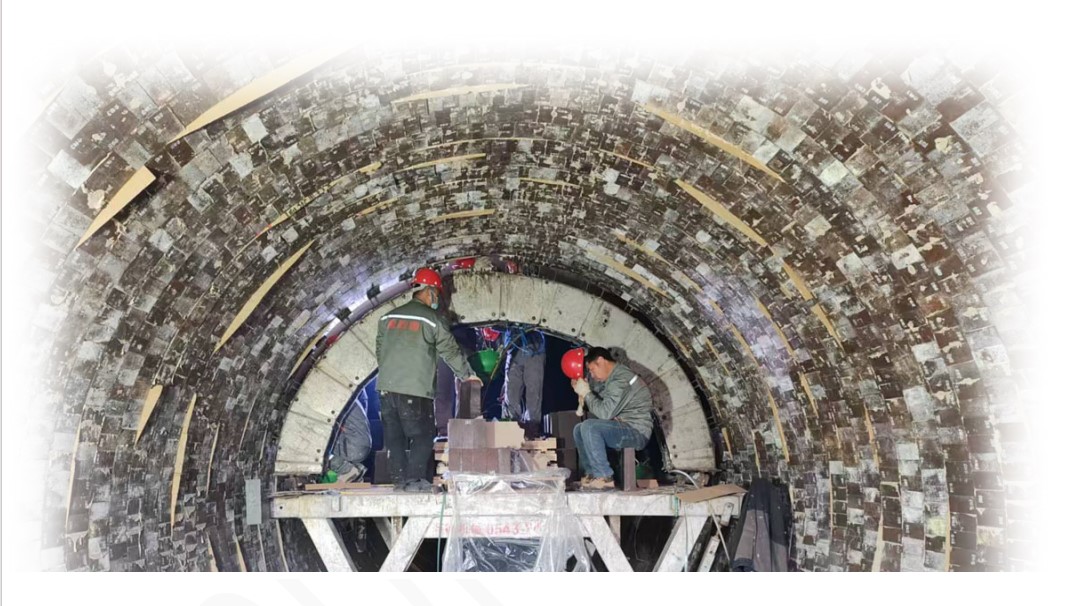
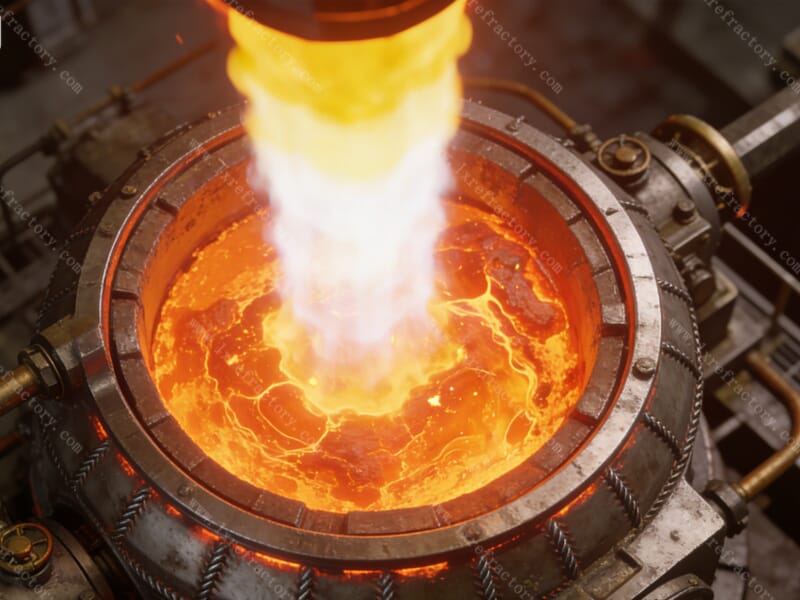
Metallurgical industry: Used in blast furnaces, hot blast stoves, non-ferrous metal smelting furnaces.
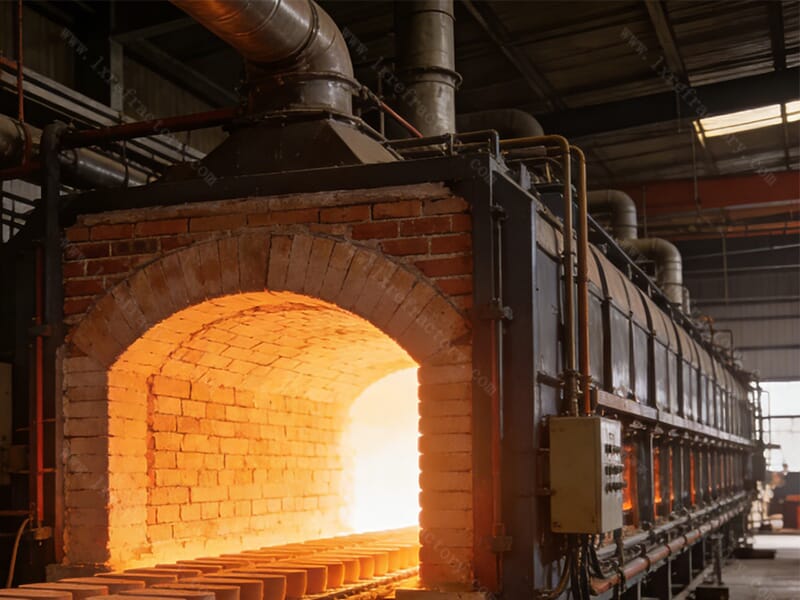
Building materials industry: Suitable for cement rotary kilns, ceramic kilns.
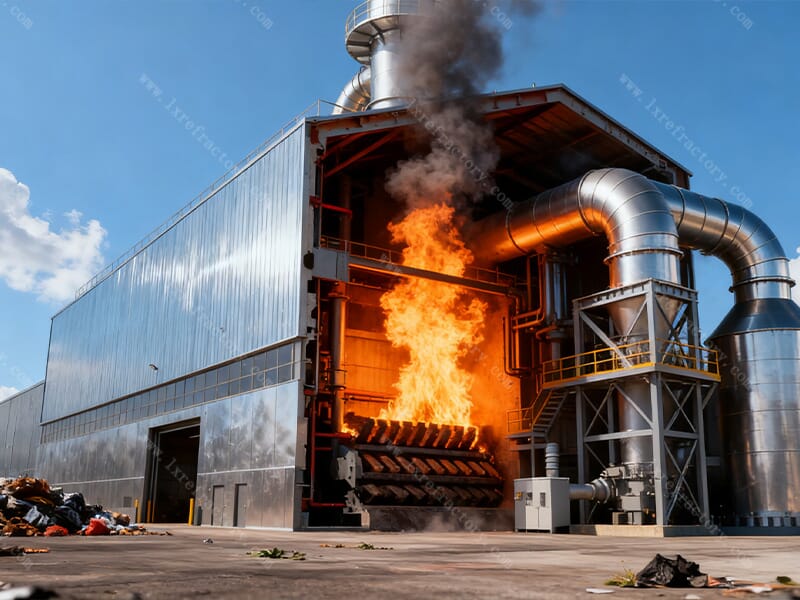
Chemical and power industries: Used in various reaction furnaces, boilers, flues, and also for mechanical forging/heat treatment furnaces and industrial furnace accessories.