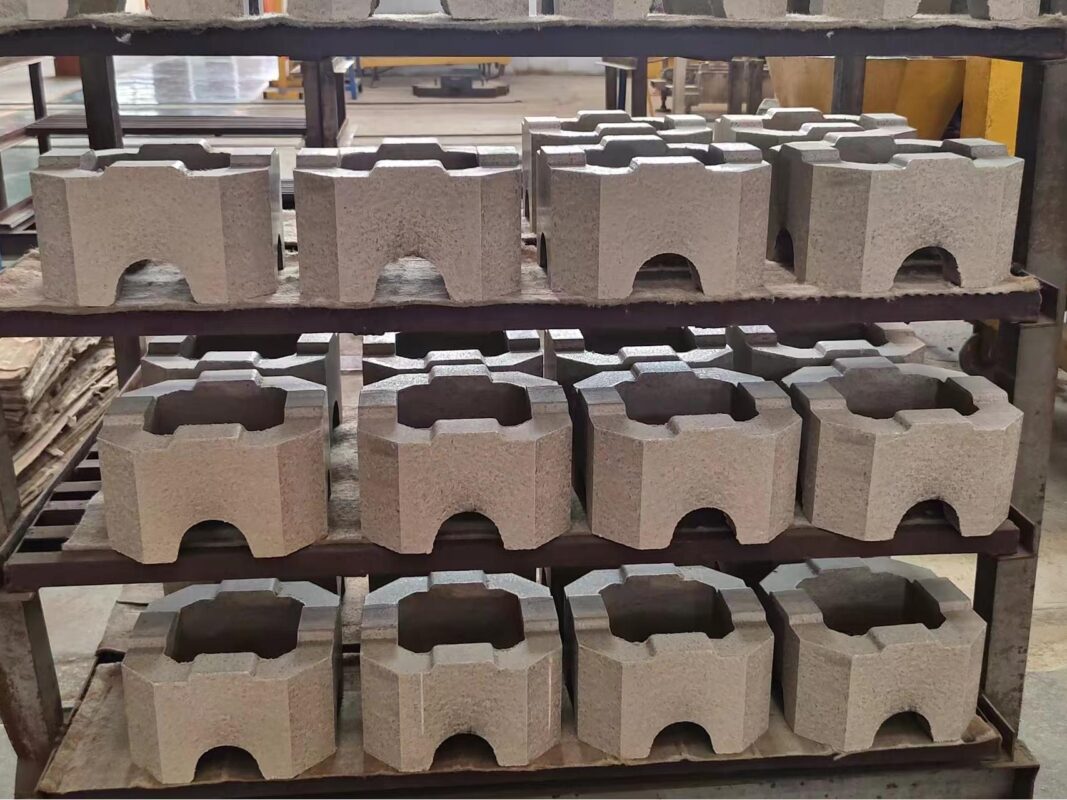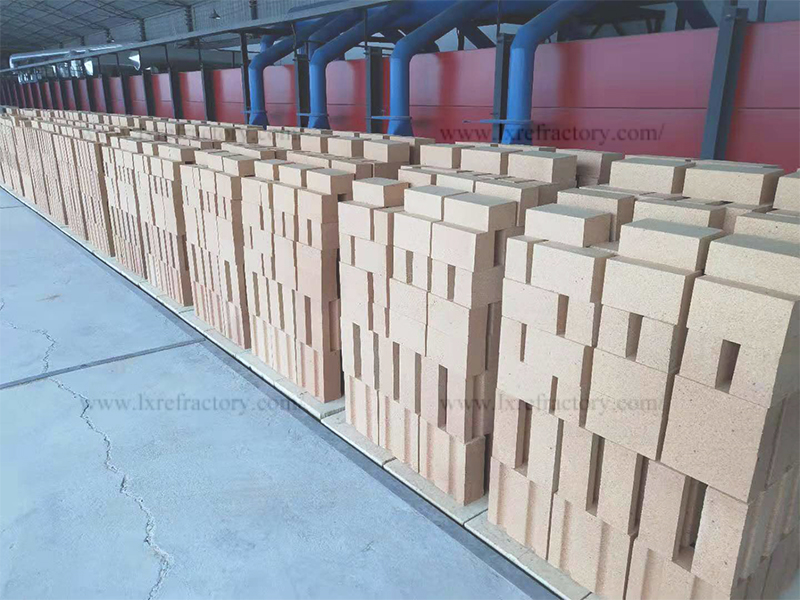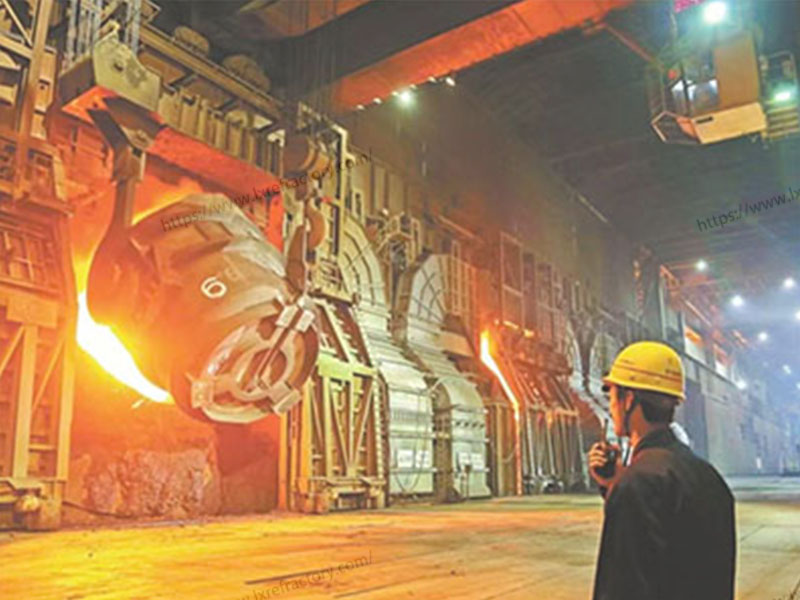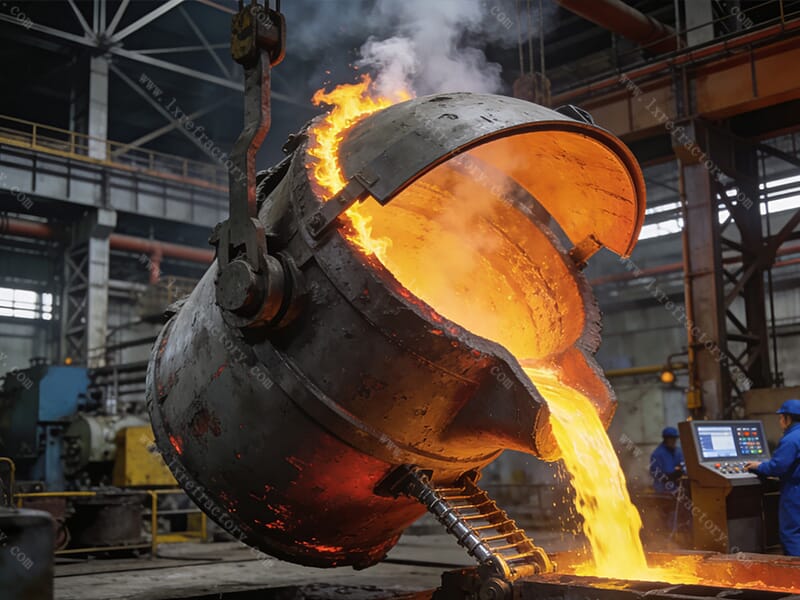
Main steel production processes are divided into blast furnace-converter processes (long process) and electric arc furnace processes (short process). The operating conditions of these two processes differ significantly, and the selection of refractory fire bricks must closely adhere to the core requirements of erosion resistance, thermal shock resistance, and high-temperature resistance.
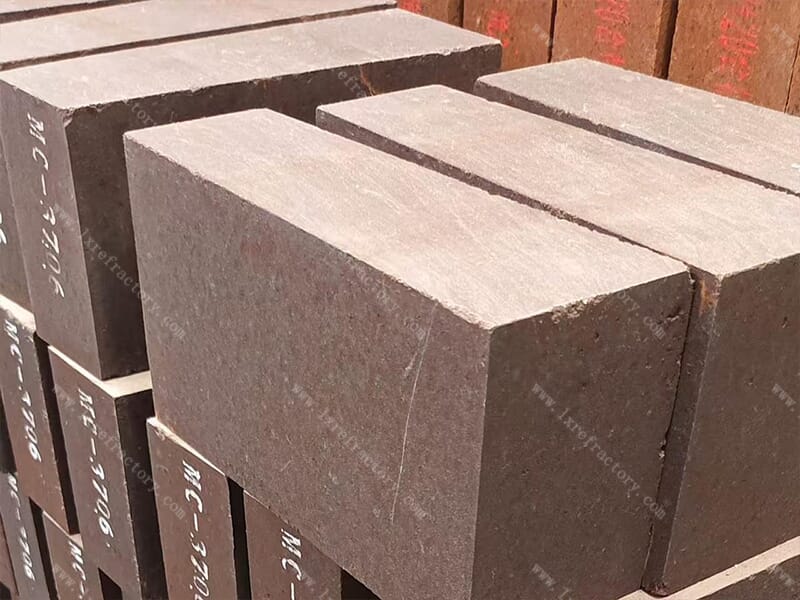
ruitai refractory fire bricks
1.Blast Furnace-Converter Long Process
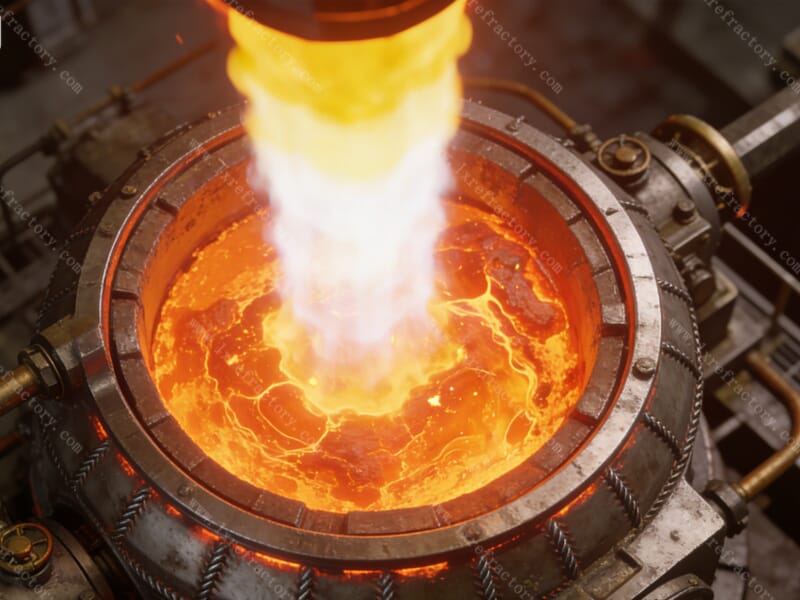
The blast furnace lining needs to withstand high-temperature reducing atmospheres, charge impact, and alkali metal erosion. Microporous carbon bricks and graphite carbon bricks are used for the hearth/hearth, possessing high thermal conductivity and resistance to molten iron penetration. The lower part of the furnace body uses silicon nitride-bonded silicon carbide refractory fire bricks, offering outstanding resistance to wear and alkali erosion. The converter, on the other hand, faces strong erosion from molten steel and slag, as well as rapid heating and cooling at high temperatures. Magnesia-carbon refractory fire bricks are the preferred choice for the furnace lining, relying on the slag resistance of magnesia and the thermal shock resistance of graphite to adapt to the blowing conditions. Alumina-carbon refractory fire bricks are used at the taphole, balancing high-temperature erosion resistance and oxidation resistance.
2.Short-Process Electric Arc Furnace
Electric arc furnaces use scrap steel as raw material. The high-temperature arc zone exceeds 2000℃ and is significantly affected by steel slag and arc erosion. The furnace walls are generally made of magnesia-chrome refractory fire bricks and magnesia-alumina spinel bricks, offering excellent resistance to high-temperature molten slag erosion and thermal shock stability. The furnace cover, subjected to high-temperature radiation and dust erosion, uses high-alumina castable precast blocks or corundum refractory fire bricks to improve structural integrity and durability. The refining process (LF furnace, RH furnace) requires precise temperature control and desulfurization; the lining often uses alumina-magnesia-carbon bricks and corundum-mullite refractory fire bricks to meet the corrosion resistance requirements of clean steel production.
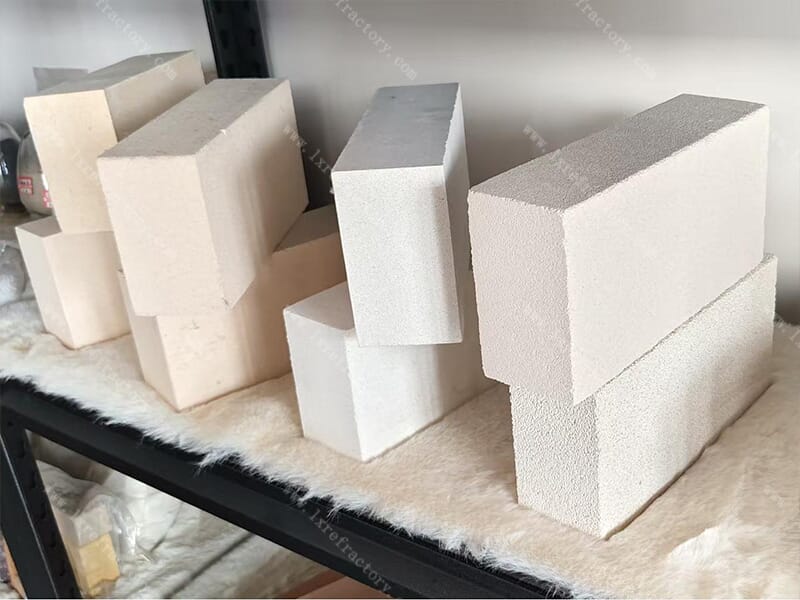
ruitai refractory fire brick
3.Key Selection Considerations
Matching process temperature, atmosphere, and corrosive media, priority should be given to the corrosion resistance, thermal shock resistance, and structural strength of the refractory fire bricks. Simultaneously, considering operating life and cost, a balance between safety, efficiency, and economy should be achieved.