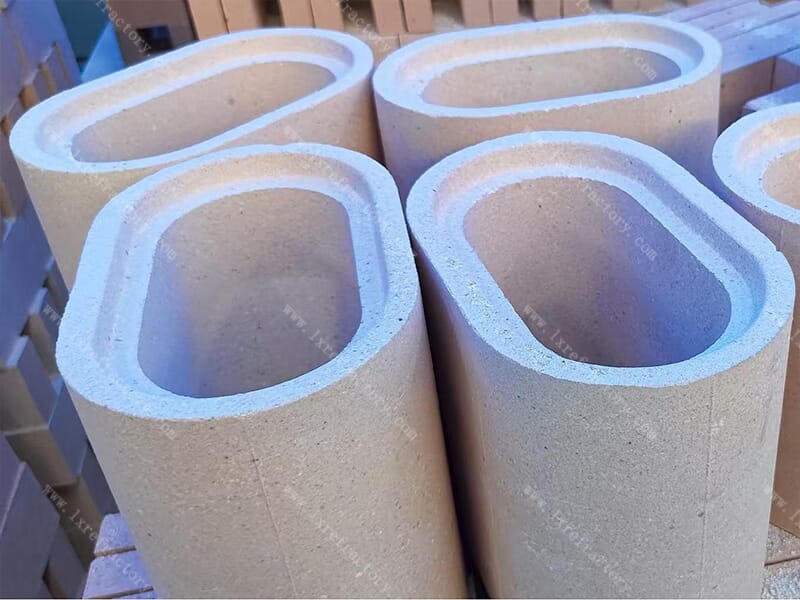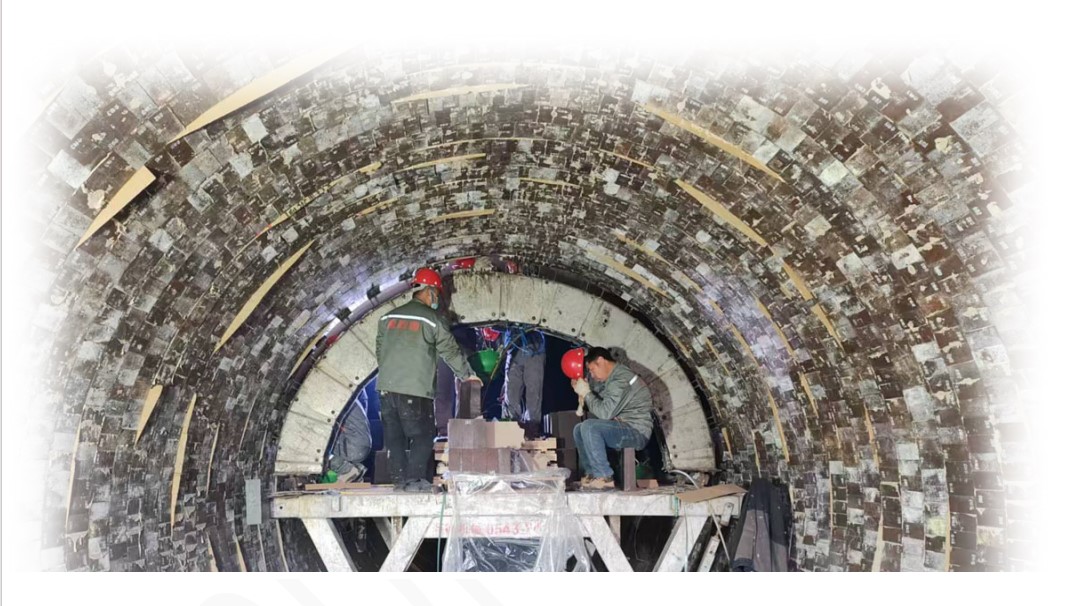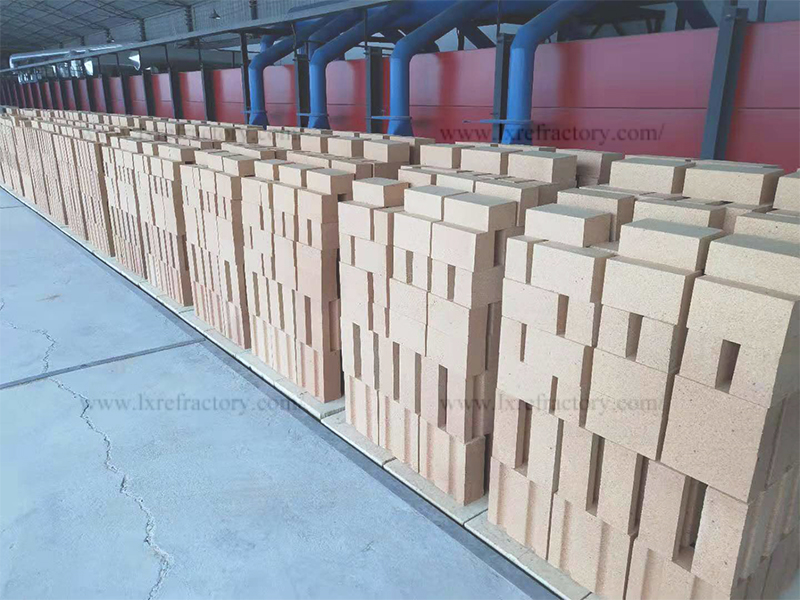
The performance of industrial furnace linings depends directly on the quality of the refractory materials used. Choosing high-quality refractory materials as industrial furnace linings is not only a technical decision, but also a cost control strategy for long-term production stability.
1. The importance of refractory materials to furnace linings
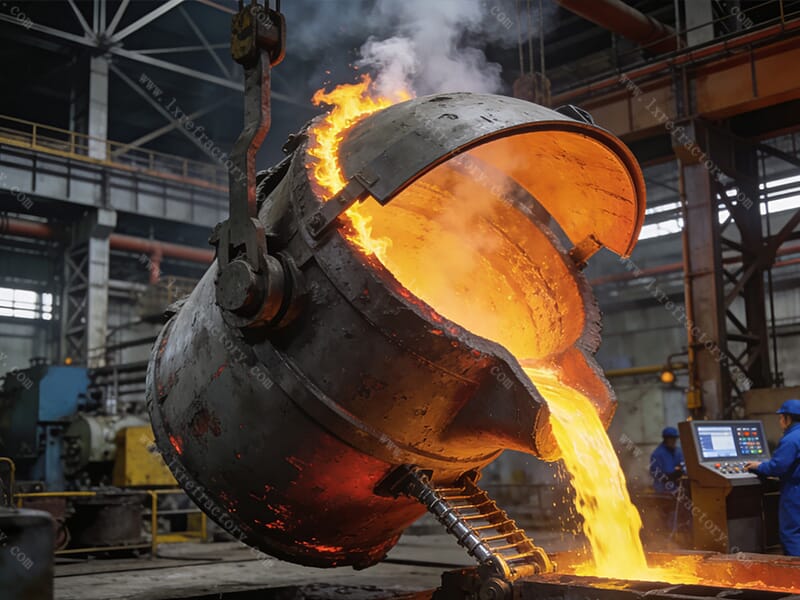
Industrial furnaces operate under extreme conditions, with temperatures typically exceeding 1400–1700°C. The furnace lining must be able to withstand challenges such as high temperature, rapid thermal cycling, and mechanical wear.
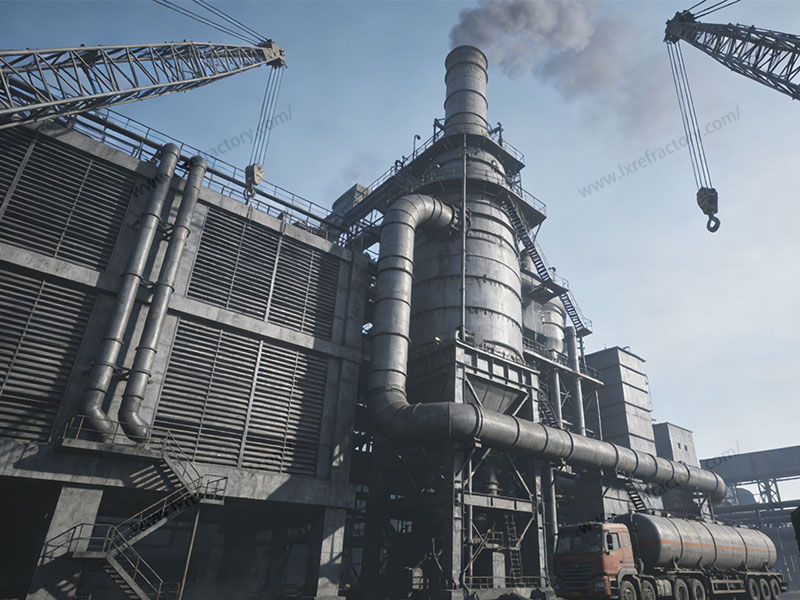
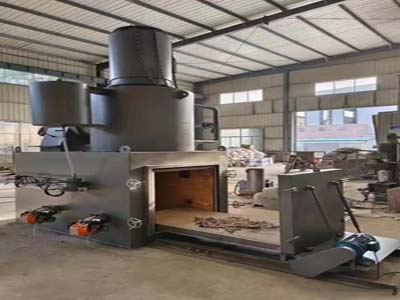
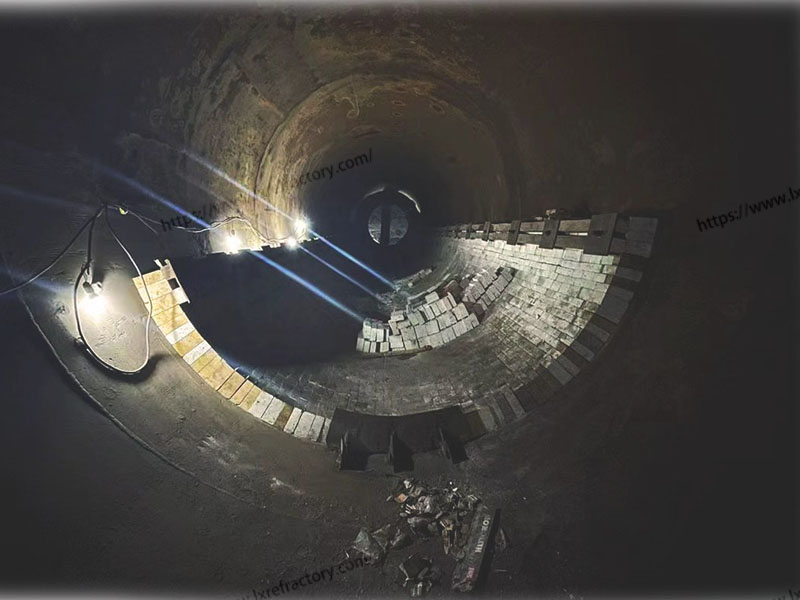
blast furnace
Low-quality refractory materials may crack, peel, or wear out prematurely, leading to unplanned downtime. However, high-quality refractory materials can maintain structural integrity even in harsh environments, thereby significantly reducing maintenance frequency and downtime.
High-performance refractory materials have the following characteristics:
① High fire resistance (under load);
② Excellent thermal shock resistance;
③ Strong slag resistance;
④ High compressive strength;
⑤ It is volume stable at high temperatures;
These properties are crucial for improving the durability and reliability of furnace linings.
2. Main types of refractory materials for industrial furnaces
A complete furnace lining system typically uses different refractory materials depending on the operating conditions and the area inside the furnace.
(1) Refractory high alumina bricks
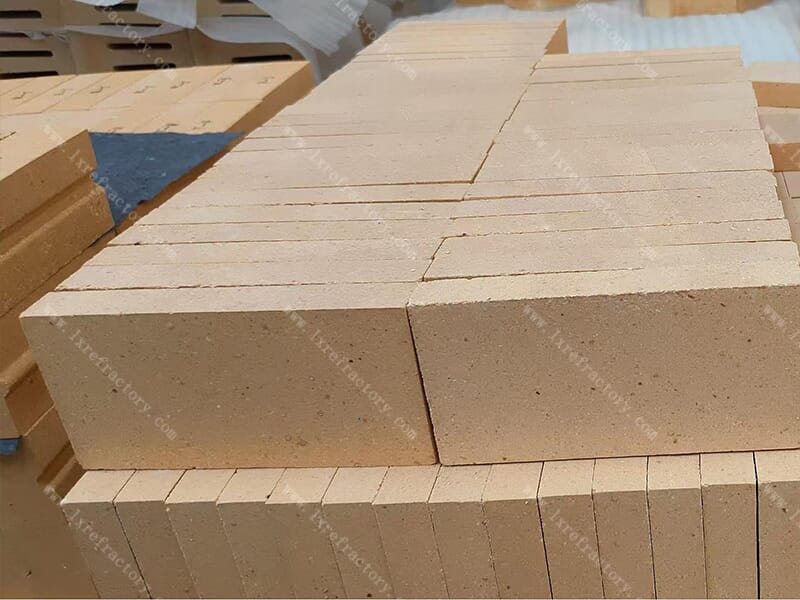
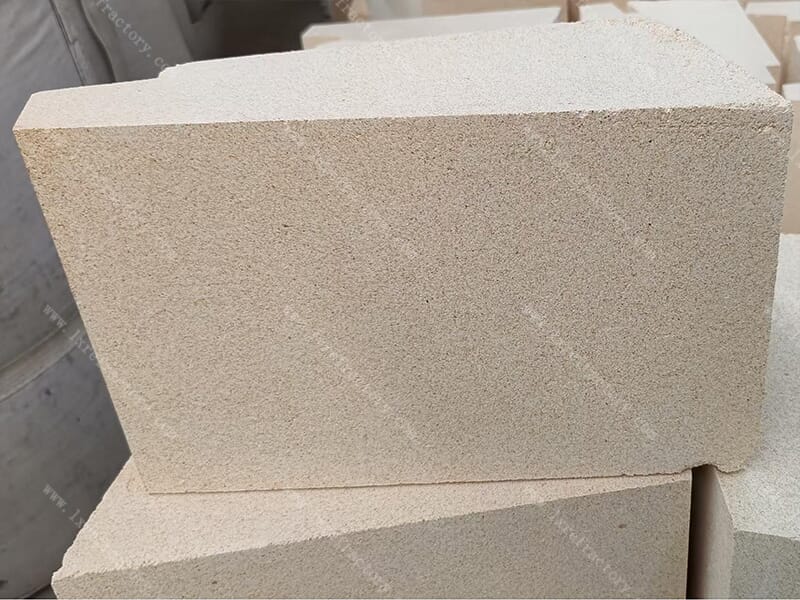
High-alumina bricks are widely used in furnace walls, kilns, and high-temperature areas due to their excellent strength and heat resistance.
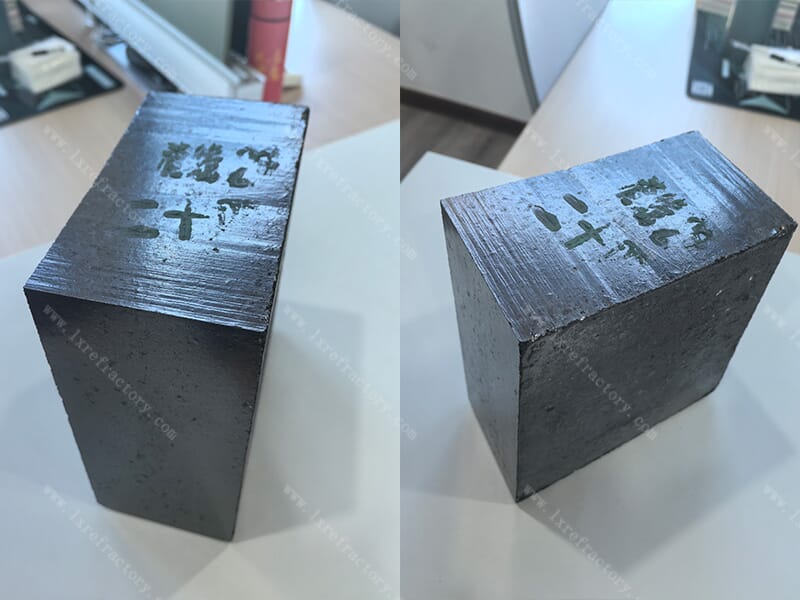
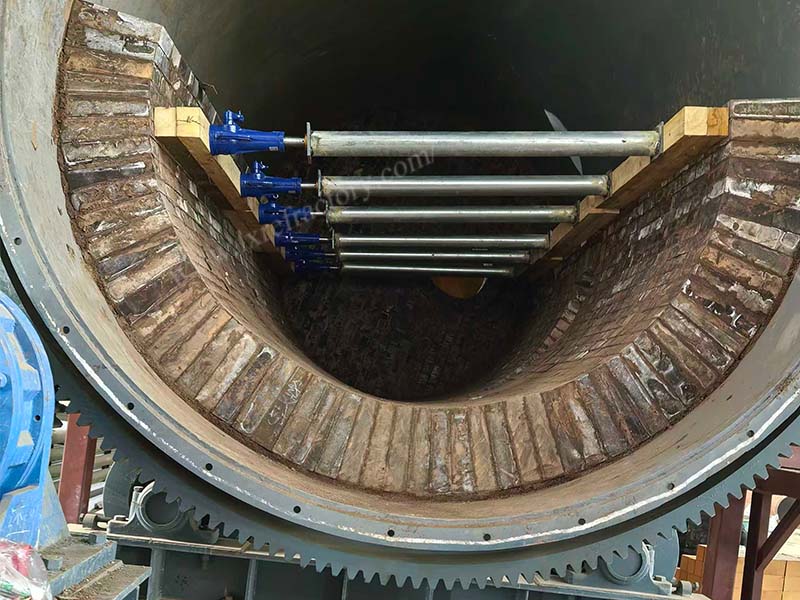
Magnesia-carbon bricks
(2) Magnesia-carbon fire bricks
Magnesia-carbon bricks are ideal for steelmaking furnaces, including electric arc furnaces (EAF), converters, and ladles. Its excellent slag resistance and thermal shock resistance make it suitable for harsh metallurgical environments.
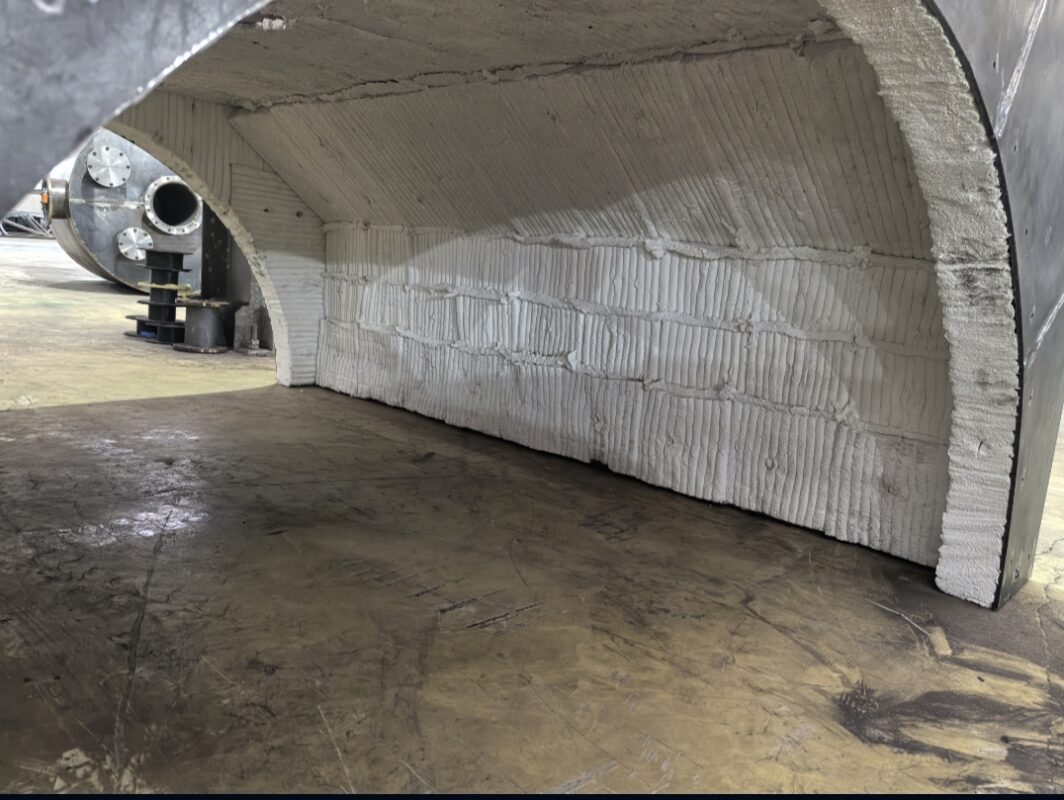
Unshaped refractory materials, such as low-cement and ultra-low-cement castables, have the advantages of flexible installation and high density.
They are typically used in furnace tops, burner areas, and complex structural components.
3. How can high-quality refractory materials improve energy efficiency?
High-quality refractory materials can reduce heat loss and maintain a stable furnace temperature. At the same time, the improved thermal insulation performance brings the following benefits:
① Lower fuel consumption;
② Higher thermal efficiency;
③ Fewer carbon emissions;
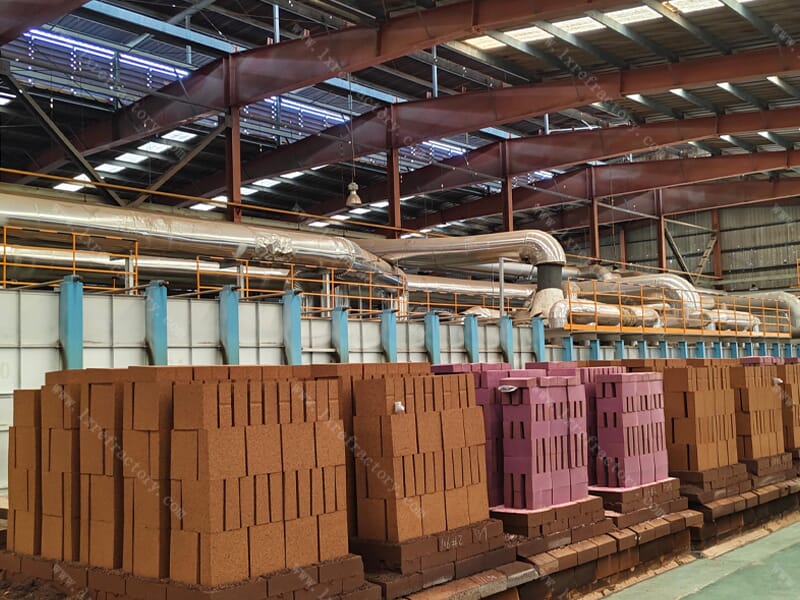
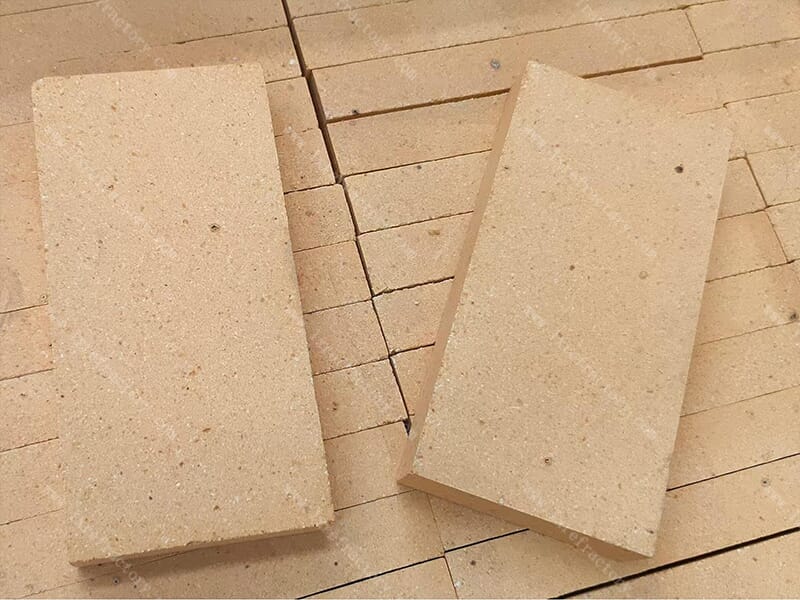
refractory brick
When selecting refractories for industrial furnace linings, it is essential to work with experienced manufacturers. A reliable refractory supplier can analyze your furnace type, operating temperature, and working environment to recommend the most suitable solution.
Henan Ruitai Lianxin Refractory Materials Co., Ltd. has 20 years of experience in refractory material production. It can not only provide customers with high-quality refractory bricks that meet the required standards, but also provide the most suitable kiln operating conditions solutions. Please feel free to contact us if you have any needs.
Choosing Ruitai Lianxin is choosing strength.