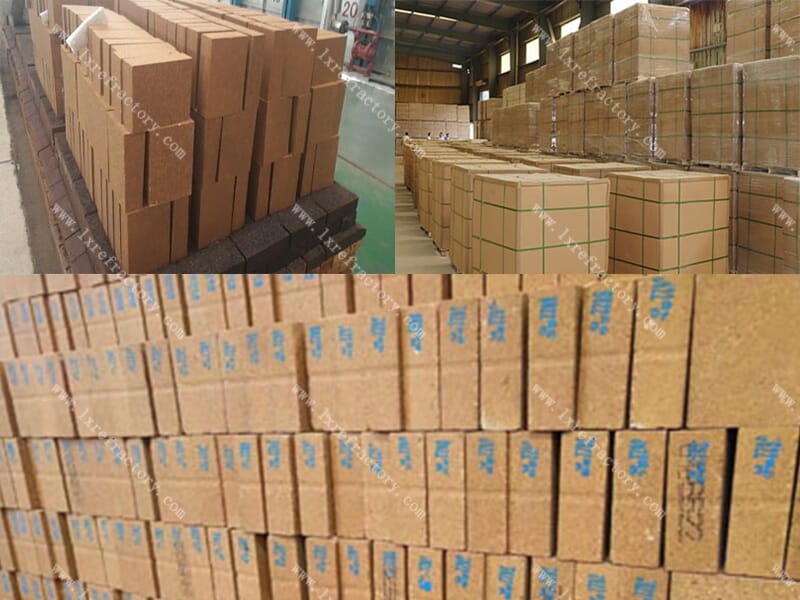
Furnace brick are the core lining material of rotary furnaces
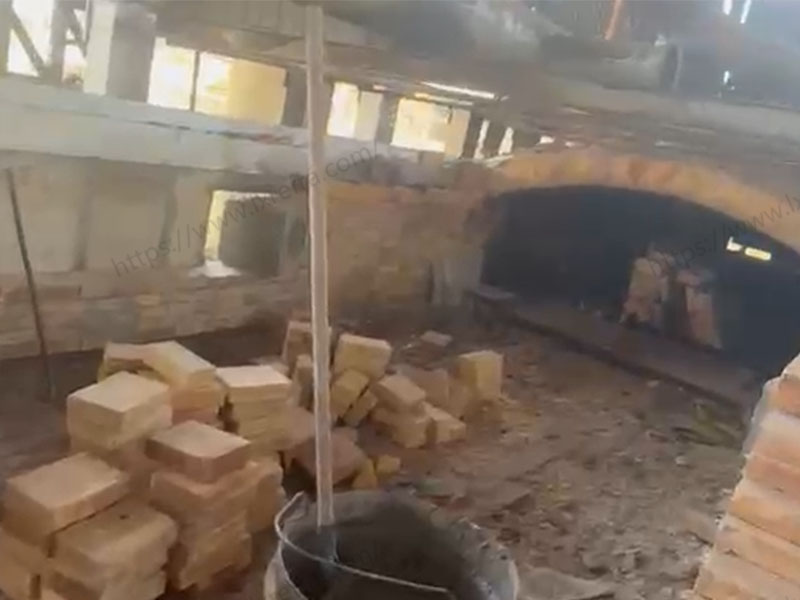
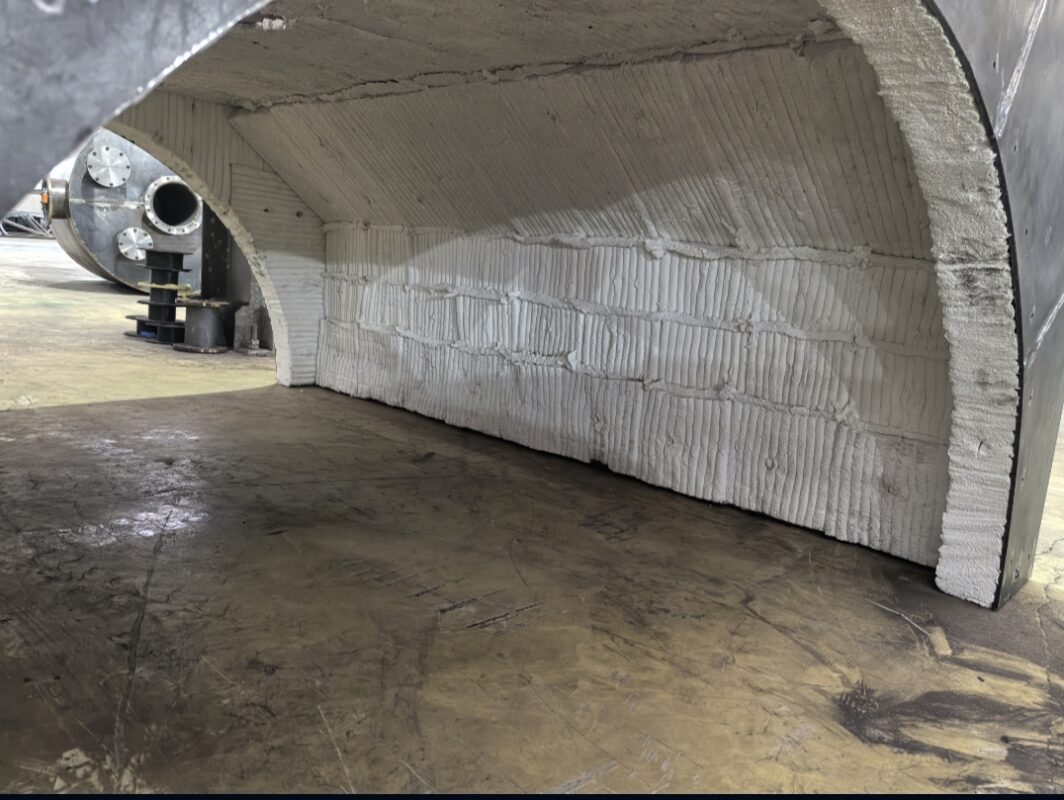
Furnace brick are the core lining material of rotary furnaces, directly determining the equipment’s service life, production efficiency, and operational safety. They are an indispensable “protective barrier” in high-temperature industries such as cement, metallurgy, and chemicals. During rotary furnace operation, the temperature inside the furnace can reach 1300-1800℃, subjecting the furnace to slag erosion, material scouring, and periodic thermal shock. The quality and compatibility of the furnace brick are crucial for stable production.
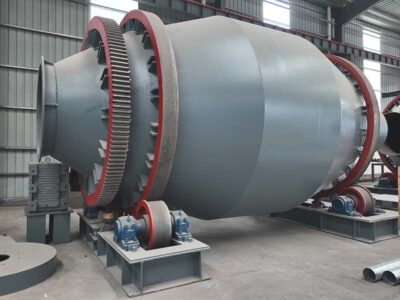
rotary furnaces
Based on the different operating conditions in different areas of the rotary furnace, a precise matching system of furnace brick is developed.
Firing Zone
The firing zone uses chromium-free materials such as magnesia-alumina spinel bricks, which are high-temperature resistant and corrosion-resistant, replacing traditional magnesia-chrome bricks for an environmentally friendly upgrade.
Transition Zone
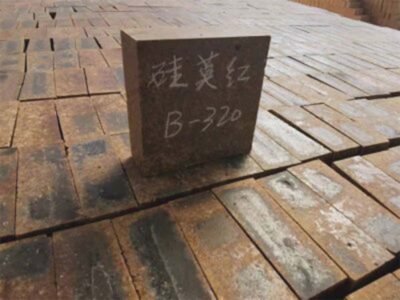
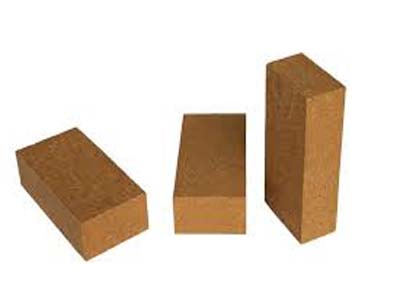
silica-mullite brick
The transition zone uses silica-mullite bricks, balancing thermal shock resistance and wear resistance to reduce cracking caused by temperature fluctuations.
Preheating Zone
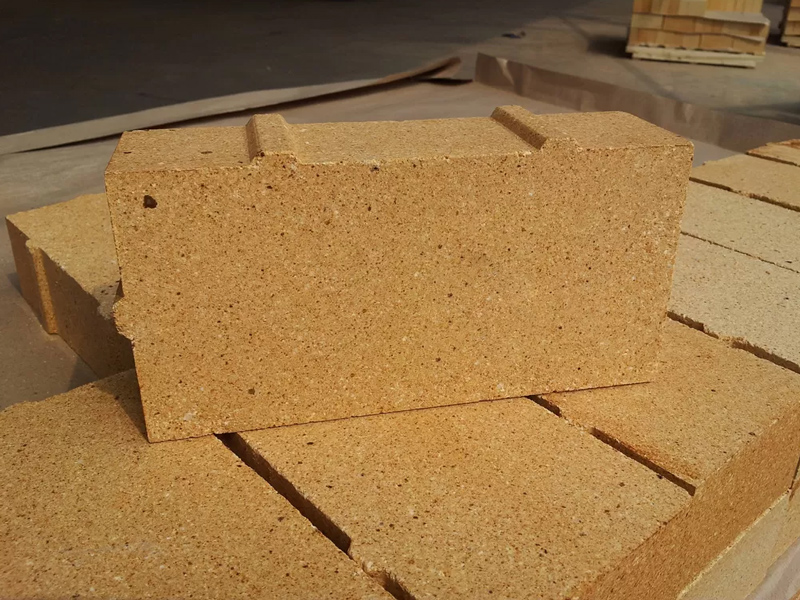
The preheating zone uses anti-sparging high-alumina bricks to resist alkaline vapor erosion and extend the service life.
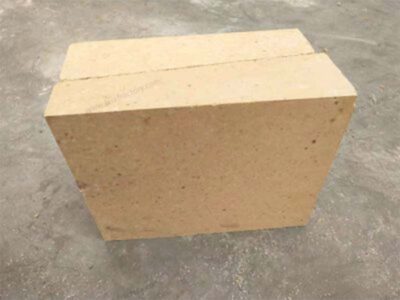
Anti-stripping high alumina bricks
High-quality furnace brick
High-quality furnace brick must meet stringent performance requirements, including a refractoriness of no less than 1770℃, thermal shock resistance after ≥30 cycles of water cooling at 1100℃, and a low creep rate that can extend maintenance cycles by more than 30%. They not only protect the kiln shell from high-temperature damage and maintain thermal stability, but also reduce energy loss, helping enterprises achieve efficient and low-carbon production.
With industrial upgrading, furnace brick are developing towards greener and longer lifespans. The application of new composite bricks has significantly extended rotary kiln maintenance cycles, laying a solid foundation for high-quality development in high-temperature industries.