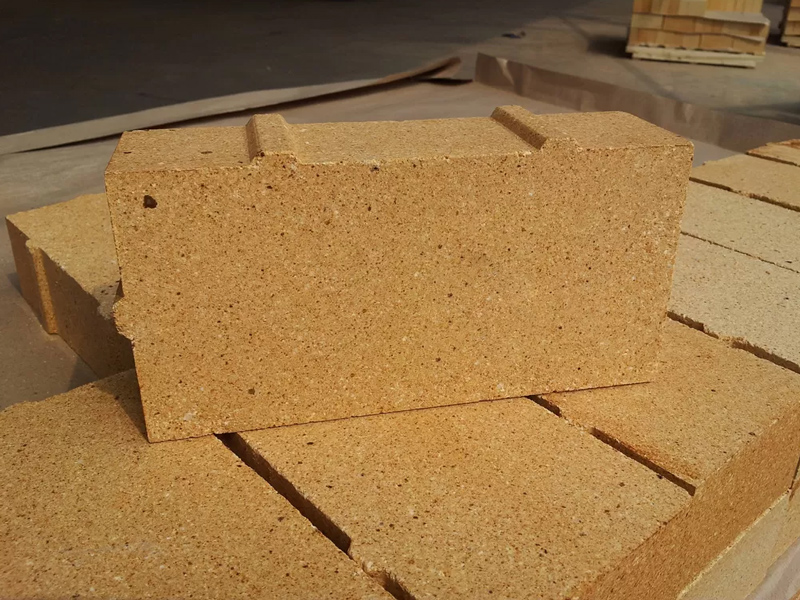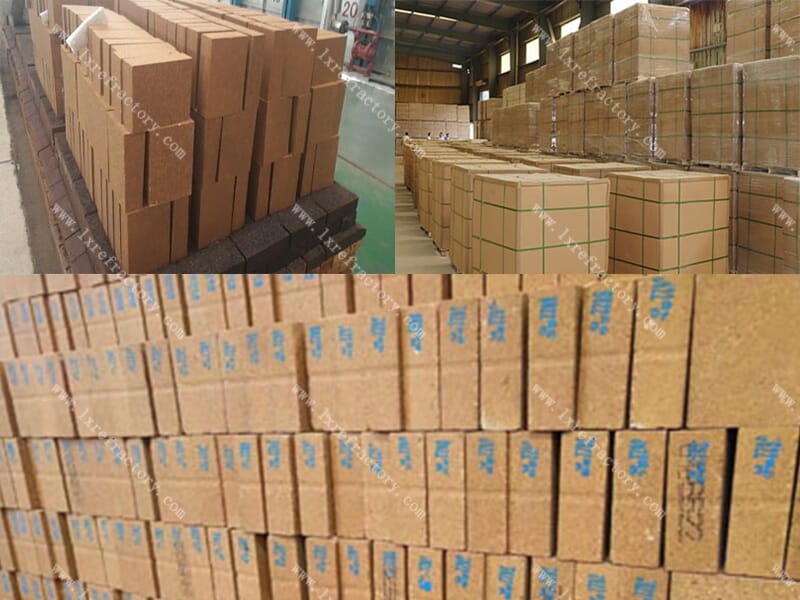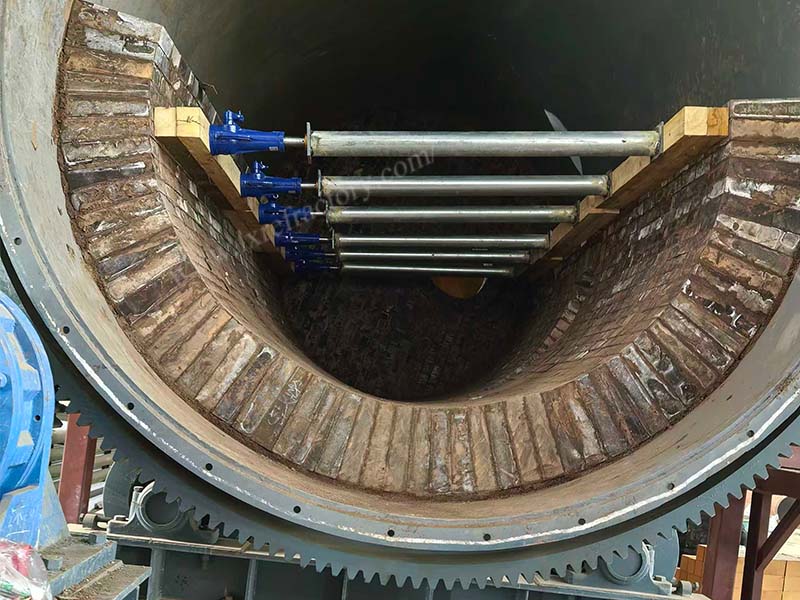
Magnesium-alumina spinel bricks are a new type of refractory material made primarily from magnesia and bauxite through high-temperature sintering. Due to their unique crystal structure, they are widely used in high-temperature industries such as metallurgy, building materials, and chemicals. However, both advantages and disadvantages are prominent.
Advantages of magnesia-alumina spinel bricks
First, they have excellent high-temperature resistance, with a refractoriness exceeding 1800℃. They can withstand long-term high-temperature environmental erosion without softening or deformation, making them suitable for the working requirements of high-temperature equipment such as metallurgical furnaces and glass kilns.
Second, they have strong erosion resistance, exhibiting good resistance to erosion and impact from molten metal, slag, and flue gas, effectively extending equipment lifespan and reducing refractory material consumption.
Furthermore, they have good thermal stability and a moderate coefficient of thermal expansion, making them less prone to cracking under rapid heating and cooling conditions and able to adapt to frequent temperature fluctuations.
In addition, their dense structure and high strength, along with excellent compressive and flexural strength, make them resistant to breakage and highly stable during construction and use.
Disadvantages of magnesia-alumina spinel bricks
Firstly, they are relatively expensive due to the complex raw material purification and high-temperature sintering processes. Compared to ordinary refractory bricks, their production costs are higher, limiting their application in some low-cost scenarios.
Secondly, their thermal shock resistance is slightly inferior. While they can withstand normal temperature fluctuations, they may still crack under extreme rapid heating and cooling conditions, affecting their performance.
Thirdly, they are difficult to process. Their high hardness and toughness make cutting and grinding difficult, requiring advanced construction techniques and increasing construction costs and time.
Overall, the advantages of magnesium-alumina spinel bricks make them suitable for high-end, high-temperature applications. Their main disadvantages are cost and processing. In practical applications, a reasonable selection should be made based on the specific requirements of the application.