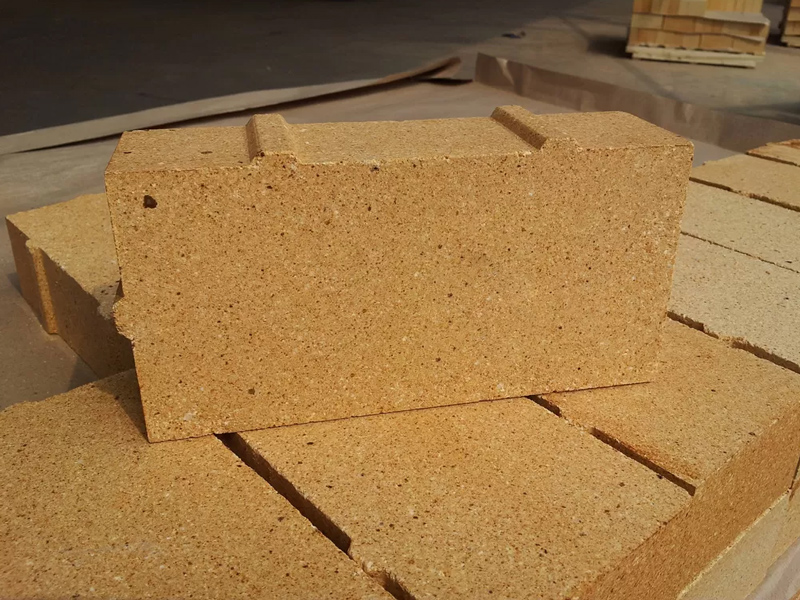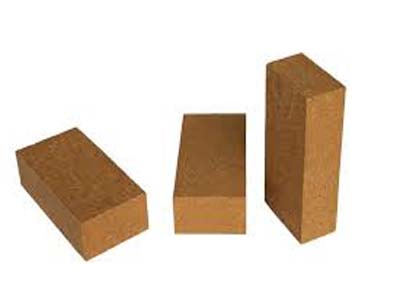
Magnesium-alumina spinel bricks are primarily composed of magnesia and alumina. Due to their excellent resistance to slag erosion, thermal shock stability, high-temperature strength, and anti-sparging properties, they have become a core refractory material for high-temperature kilns in industries such as metallurgy, chemicals, building materials, and glass. Their application scenarios are strictly matched to the harsh operating conditions of kilns in various industries.
1. Metallurgical Industry
In the metallurgical industry, magnesia-alumina spinel bricks are the preferred material for high-temperature, highly corrosive conditions, suitable for a variety of core kilns.
In iron and steel metallurgy, magnesia-alumina spinel bricks are widely used in the furnace lining, furnace bottom, and tapping area of converters. During converter blowing, they face severe erosion and mechanical scouring by slag. Their high magnesium content forms a dense protective layer, preventing slag penetration and extending the service life by 30%-50% compared to ordinary magnesia bricks. This brick is also commonly used in the permanent layer, working layer, and slag line area of ladles and tundishes. By adjusting the magnesium-aluminum ratio, slag resistance and thermal shock stability are balanced, reducing secondary contamination of molten steel. It is also suitable for vacuum chamber linings and impregnation tube linings in refining furnaces, where its excellent high-temperature volume stability prevents production interruptions caused by brick spalling.
In non-ferrous metallurgy, magnesium-aluminum spinel bricks are used in the sidewalls of aluminum electrolytic cells, the furnace bottom anti-seepage layer, and the furnace walls of copper smelting furnaces, ensuring stable production thanks to their low porosity and resistance to electrolyte corrosion.
2. Chemical Industry
The harsh operating conditions in the chemical industry make magnesium-aluminum spinel bricks a core lining for critical equipment.
The furnace lining and quench chamber of a coal-water slurry gasifier operate at temperatures reaching 1300-1500℃, facing high temperature, high pressure, and slag corrosion. The slag penetration resistance and thermal shock stability of magnesium-aluminum spinel bricks meet the requirements for long-term operation, and they are chromium-free, making them an environmentally friendly alternative to traditional chromium corundum bricks.
In the sulfuric acid industry, fluidized bed roasters and converters face high-temperature sulfur dioxide gas and dust erosion. Magnesia-alumina spinel bricks’ resistance to sulfate attack prevents the bricks from crumbling.
Furthermore, in the paper industry, their resistance to alkali attack in alkali recovery furnaces and superheater areas can prevent the furnace body from being corroded by high-concentration molten salts.
3. Building Materials Industry
High-temperature kilns in the building materials industry are one of the main application areas for magnesia-alumina spinel bricks.
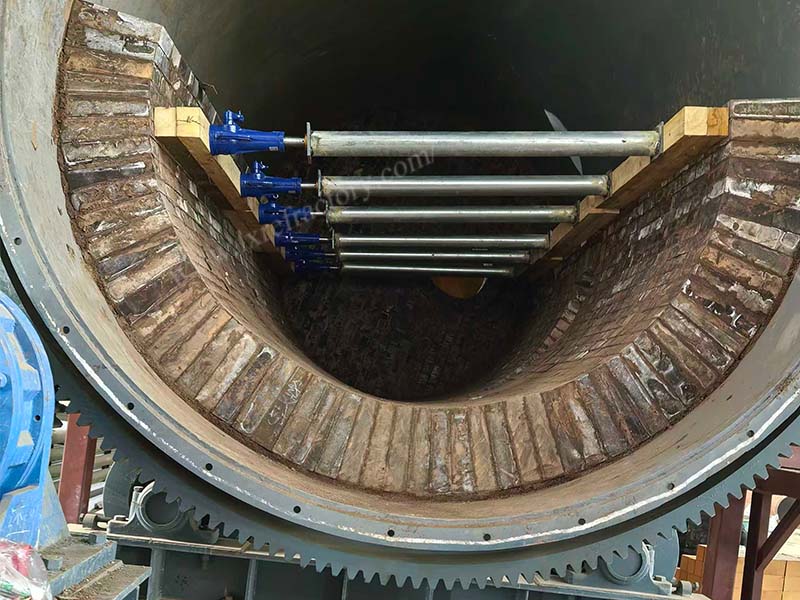
In the cement industry, they are widely used in the transition zone, firing zone, and kiln mouth lining of cement rotary kilns. The transition zone faces material abrasion and gas erosion, while the firing zone is subjected to clinker melting and erosion. Magnesia-alumina spinel bricks outperform traditional high-alumina bricks, extending the kiln lining life to 12-18 months.
The high strength and alkali resistance of magnesia-alumina spinel bricks can also be used in the linings of cement decomposition furnaces and preheaters, as well as in the conical section of cyclone separators, to resist material abrasion and scaling blockage.
In the ceramics industry, roller kilns and tunnel kilns utilize magnesia-alumina spinel bricks in their high-temperature zone linings and burner bricks to reduce kiln deformation and ensure uniform firing of ceramic products.
4. Glass Industry
Glass melting furnaces have extremely high requirements for refractory materials, and magnesia-alumina spinel bricks are suitable for various critical components.
In ordinary glass melting furnaces, the regenerator compartment, pool walls, and feeding inlet are crucial. The regenerator needs to withstand frequent thermal shocks, and magnesia-alumina spinel bricks prevent compartment collapse. The pool walls and feeding inlet, with their dense structure, reduce glass penetration and volatile corrosion, preventing glass defects.
For specialty glass such as photovoltaic glass and pharmaceutical glass, high-purity magnesia-alumina spinel bricks are required in critical components of the melting furnace to prevent impurities from contaminating the molten glass and ensure product purity.
5. Other Specialized Furnaces
In addition, magnesia-alumina spinel bricks are also used in other specialized furnaces.
The furnace lining and secondary combustion chamber of waste-to-energy incinerators can resist the erosion of high-temperature corrosive gases and heavy metal oxides, extending the furnace’s operating cycle.
The linings and heating element protective sleeves of laboratory muffle furnaces and industrial electric furnaces, thanks to the excellent high-temperature stability and thermal shock resistance of magnesia-alumina spinel bricks, meet the requirements for high-precision applications.
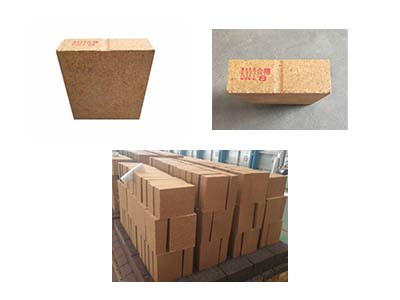
In summary, the application of magnesia-alumina spinel bricks revolves around their core properties, precisely matching the operating conditions of kilns in various industries, making them an indispensable refractory material in high-temperature industrial production.