
The energy industry is one of the core application areas for kiln bricks, encompassing sub-scenarios such as thermal power generation, waste incineration, nuclear power, and new energy. Operating conditions are often characterized by high temperature, high pressure, strong corrosion, and high wear, with significant differences in the working environments of different equipment. Therefore, the appropriate selection of kiln bricks directly affects equipment operational safety, service life, and production efficiency. A scientific selection logic must be followed, considering multiple factors comprehensively.

The primary principle for selecting kiln bricks for the energy industry is “operating condition suitability.” Clearly defining the equipment’s operating temperature, media environment, stress conditions, and service life requirements is the foundation of selection. The operating conditions vary significantly across different sub-sectors of the energy industry; therefore, it is necessary to accurately identify the application scenario first, and then selectively choose the material, specifications, and performance parameters of the refractory bricks accordingly to avoid equipment failure or cost waste due to blind selection.
1. Performance factors
The core consideration is crucial for selection.
First and foremost is high-temperature resistance, a core requirement for kiln bricks in the energy industry. Different energy equipment operates at significantly different temperatures. The combustion chamber temperature of a thermal power plant boiler can reach 1200-1500℃. The primary combustion chamber temperature of a waste incinerator is approximately 800-1200℃. The temperature of a nuclear power plant’s high-temperature gas-cooled reactor can exceed 1000℃. Therefore, products with appropriate refractoriness must be selected based on the actual operating temperature to ensure they do not soften, melt, or collapse under long-term high-temperature conditions. Generally, refractory bricks with a refractoriness 200-300℃ higher than the operating temperature are chosen, while also paying attention to high-temperature structural strength to prevent deformation at high temperatures.
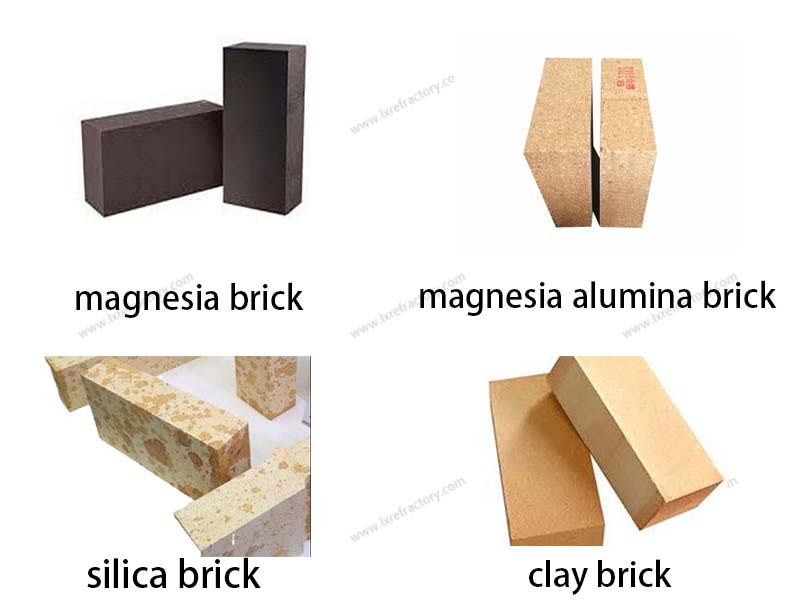
Secondly, corrosion resistance and wear resistance are crucial. Energy industry equipment frequently comes into contact with corrosive media and abrasive materials, requiring careful consideration. Thermal power plant boilers are exposed to sulfur oxides and nitrogen oxides in the flue gas from coal combustion. Waste incinerators produce corrosive media such as chlorides and heavy metals, necessitating the selection of kiln bricks with strong chemical corrosion resistance, such as high-alumina bricks and silicon carbide bricks. Furthermore, boiler flues and waste incinerator feed inlets are severely subjected to material erosion and flue gas wear, requiring products with excellent wear resistance. Refractory bricks with added wear-resistant components such as silicon carbide and corundum should be given priority.
Secondly, thermal shock resistance is crucial. Energy industry equipment experiences frequent start-ups and shutdowns, resulting in significant temperature fluctuations. Kiln bricks are prone to cracking and even detachment due to thermal expansion and contraction; therefore, thermal shock resistance is paramount. This is especially true for equipment like waste incinerators and waste heat boilers, where temperature fluctuations are frequent and substantial. Refractory bricks with low thermal expansion coefficients, moderate thermal conductivity, and good thermal shock resistance should be selected, such as mullite bricks and lightweight high-alumina bricks, to reduce damage from temperature changes and extend service life.
2. Economy and construction compatibility
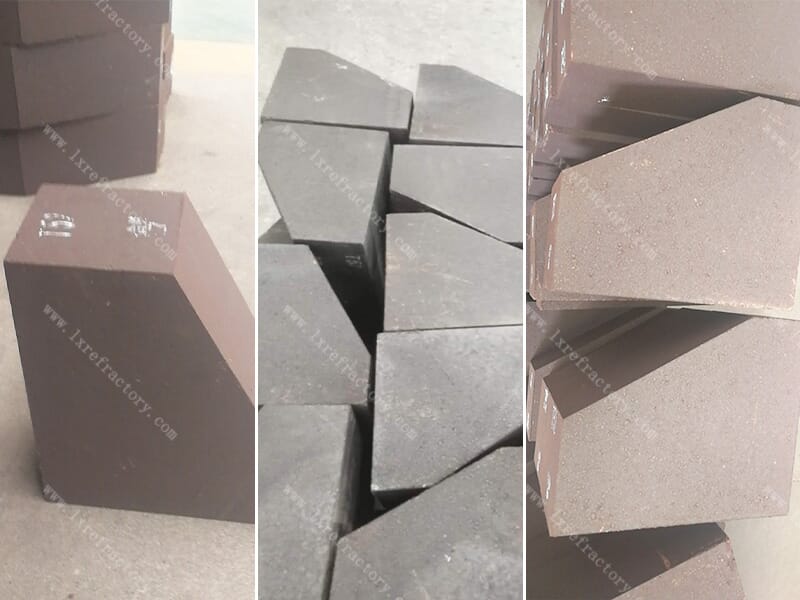
Furthermore, economy and construction compatibility must be considered. Economy is not simply about pursuing the lowest price, but rather a comprehensive calculation considering service life and maintenance costs. Choosing cheap, inferior kiln bricks should avoid frequent replacements, increasing downtime losses and maintenance costs. Regarding construction compatibility, kiln bricks of appropriate specifications should be selected according to the equipment’s structural dimensions to ensure tight installation and minimize gaps. Simultaneously consider the weight and strength of the bricks to facilitate construction and subsequent maintenance. For complex structural parts, castable refractory materials can be used in combination with refractory bricks to enhance overall protection.
3. Scenario-specific selection
Precise selection based on specific scenarios is crucial for ensuring adaptability.
In thermal power generation, boiler combustion chambers and superheaters experience high temperatures and strong corrosion. High-alumina bricks and chrome corundum bricks are preferred. For flue ducts and economizers, where wear and corrosion coexist, silicon carbide bricks or wear-resistant high-alumina bricks are selected. In waste incineration, primary and secondary combustion chambers experience both corrosion and high temperatures; corrosion-resistant and thermal shock-resistant zirconium corundum bricks or silicon carbide bricks are chosen. For waste heat boilers, lightweight insulating refractory bricks are selected, balancing insulation and high-temperature resistance.
In nuclear power, boron-containing silicon carbide bricks are selected for reactor shielding layers, and high-purity corundum bricks are selected for high-temperature gas-cooled reactors to ensure radiation protection and high-temperature resistance.
In the new energy sector, lithium-ion battery cathode sintering furnaces and photovoltaic silicon wafer sintering furnaces operate at relatively mild temperatures but require high cleanliness. Mullite bricks or fused alumina bricks should be selected to avoid impurities contaminating the product.
4. Focus on quality and qualifications
Finally, when selecting kiln bricks, it is crucial to pay attention to product quality and the manufacturer’s qualifications. Prioritize manufacturers that meet national industry standards and have relevant testing reports to ensure the performance parameters of the refractory bricks meet the standards. Simultaneously, consider the equipment’s maintenance cycle and select products whose service life matches the equipment’s maintenance cycle to reduce replacement frequency. Furthermore, subsequent installation and curing also affect the refractory brick’s performance. Consult the manufacturer during selection to obtain professional installation and curing advice to ensure the kiln bricks perform optimally.
In summary, the selection of kiln bricks in the energy industry should be based on the core operating conditions, comprehensively considering properties such as high-temperature resistance, corrosion resistance, thermal shock resistance, and wear resistance. It should also consider economic efficiency, construction adaptability, and specific scenario requirements to accurately select materials and specifications. At the same time, focusing on product quality and manufacturer service is essential to ensure long-term stable equipment operation, reduce production costs, and improve energy production efficiency.