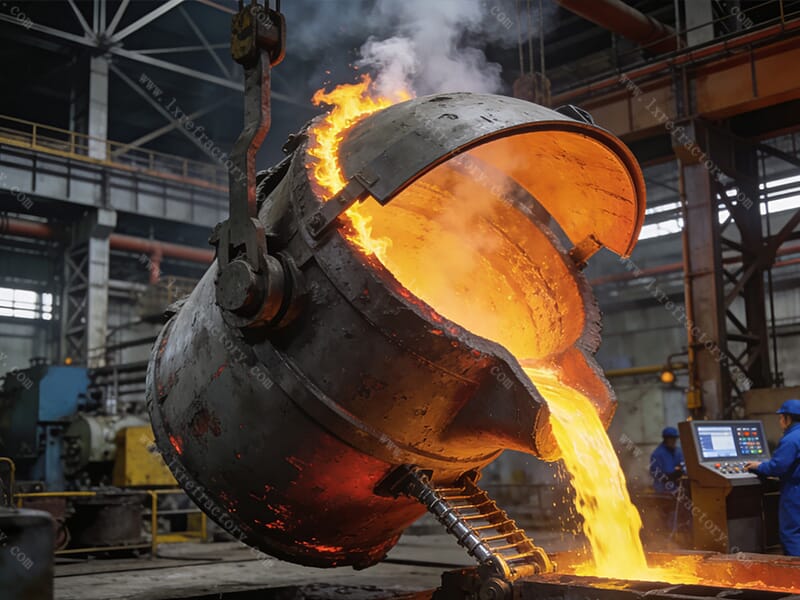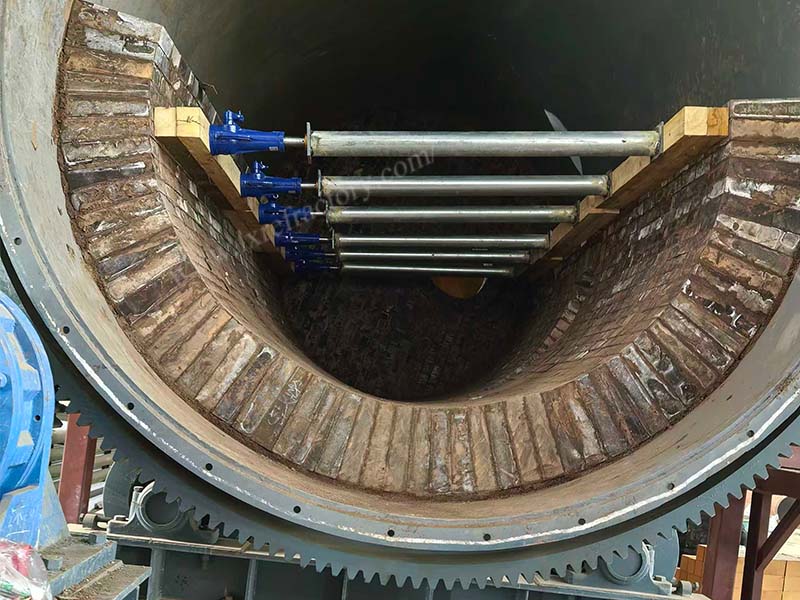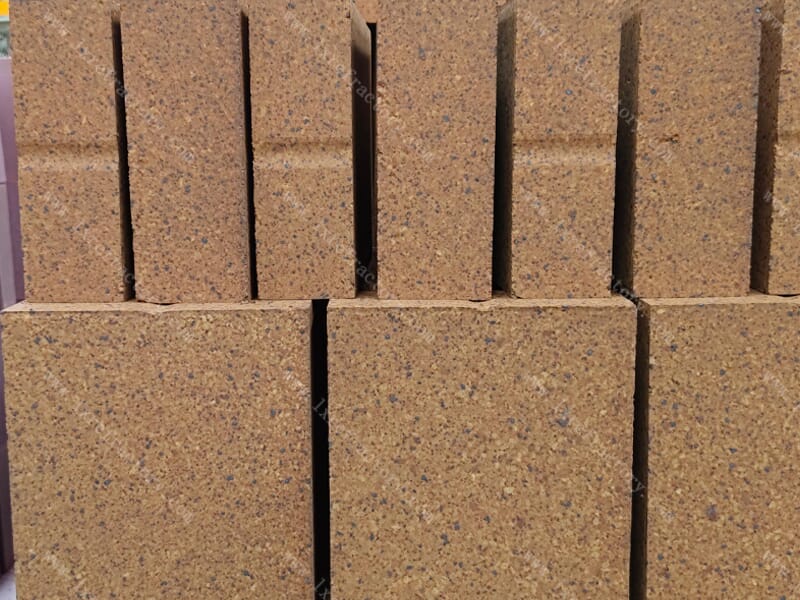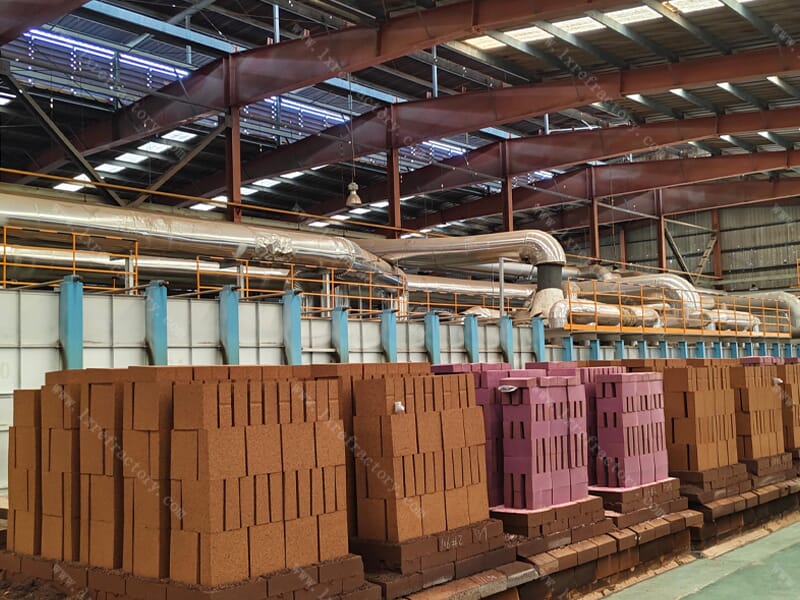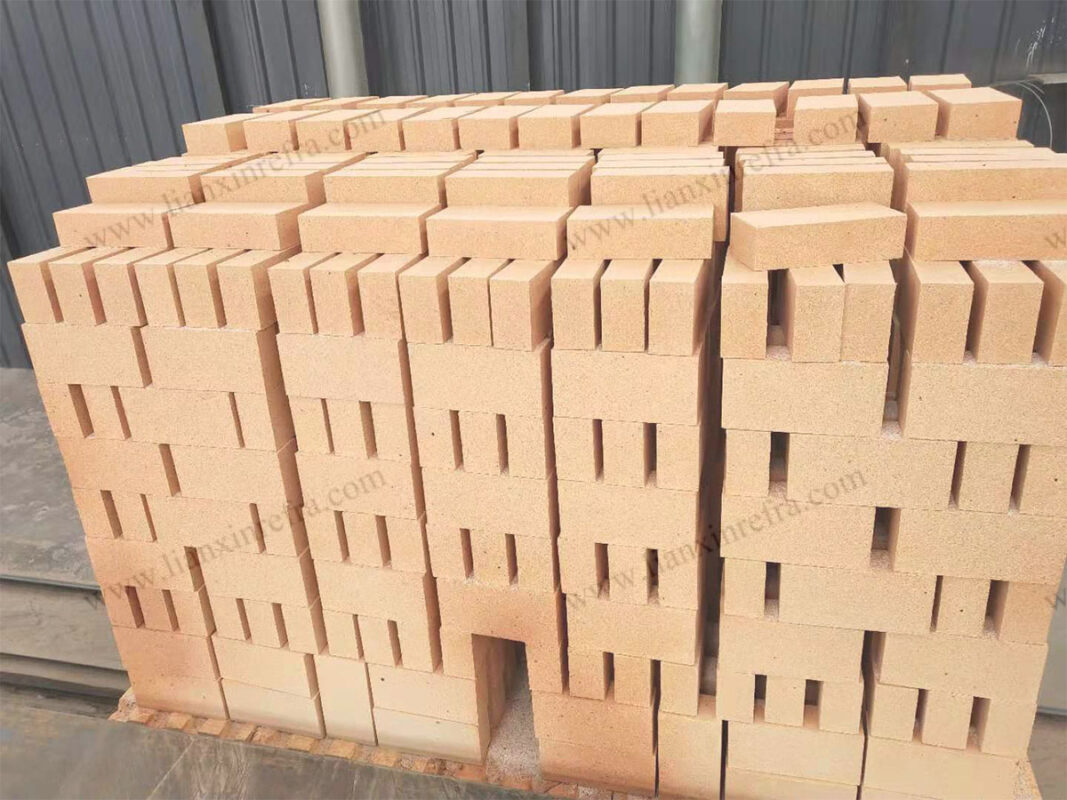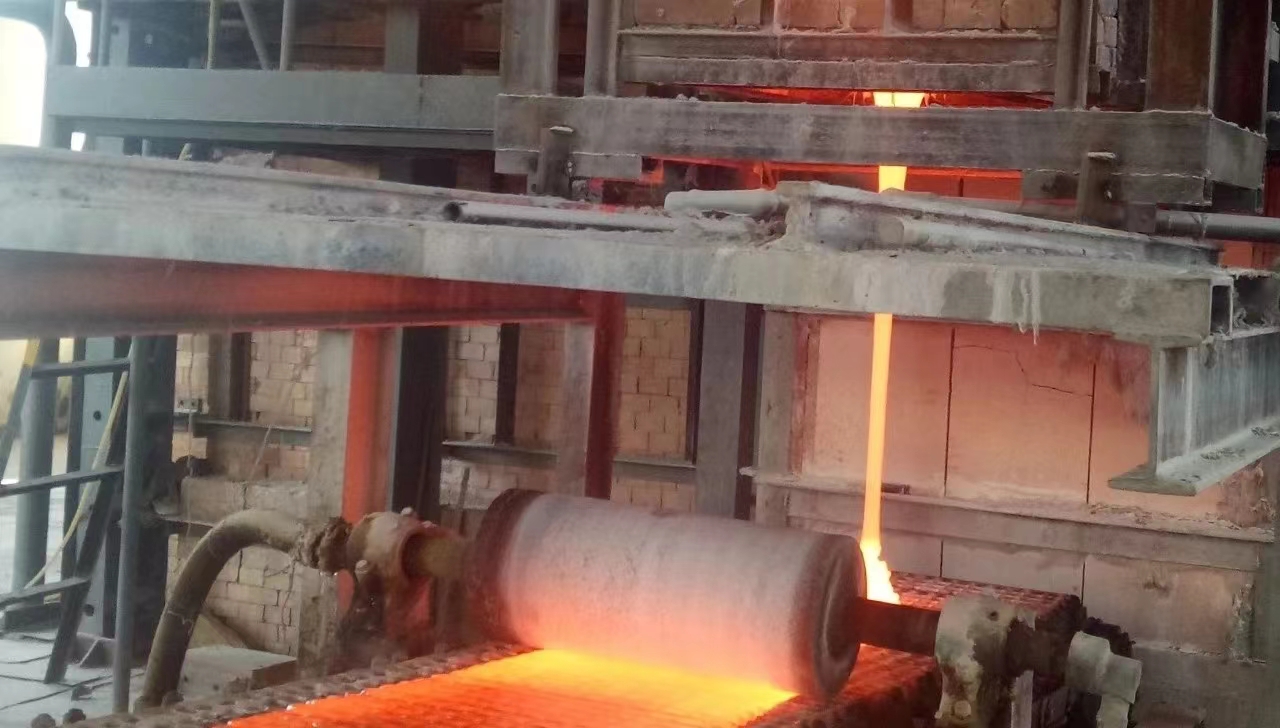
The operating conditions of kilns in the energy industry vary greatly, requiring fire bricks to adapt to different needs such as high temperatures, slag erosion, and thermal shock fluctuations.
1. Clay Bricks
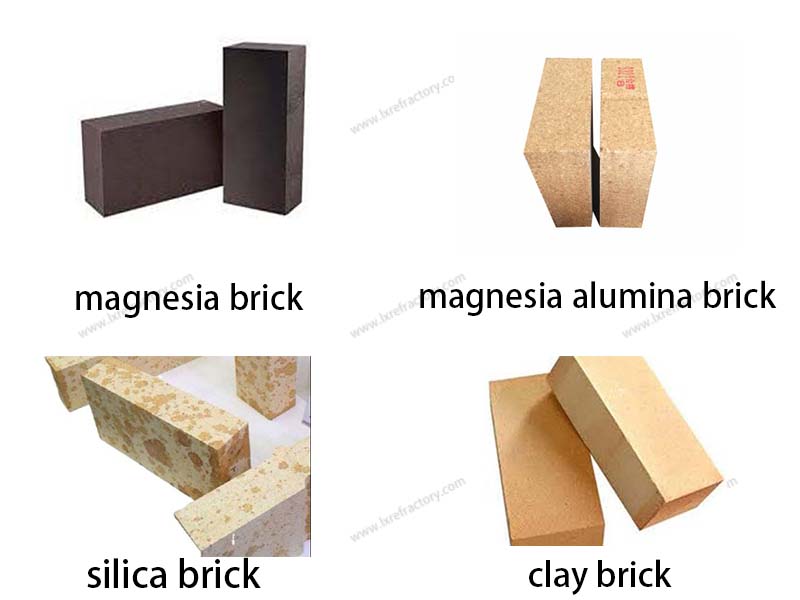
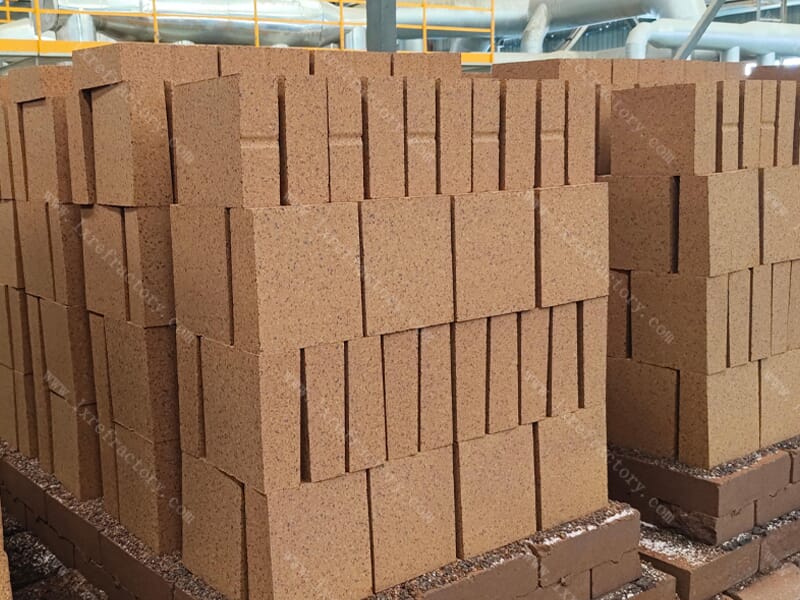
Clay bricks: Alumina content 30%-48%, refractoriness 1580℃-1770℃, good thermal shock resistance, and low cost. Commonly used in non-extreme high-temperature areas such as flue gas ducts of thermal power boilers and low-temperature sections of hot blast stoves, they are a highly cost-effective basic lining material in the energy industry.
2. High-Alumina Bricks
High-alumina fire bricks: Alumina content > 48%, with refractoriness reaching over 1790℃ as the content increases. High-temperature strength and corrosion resistance are significantly better than clay fire bricks. Widely used in the furnace of thermal power plants and the transition layer of coal chemical gasification furnaces, they exhibit stability in high-temperature flue gas and weakly corrosive environments around 1400℃.
3. Silica Bricks
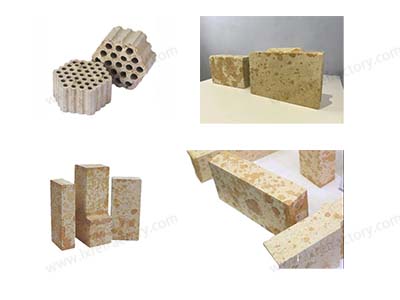
Silica fire bricks: Silica content ≥ 93%, strong resistance to acidic slag erosion, high temperature resistance but poor thermal shock resistance.
4.Silicon Carbide Bricks
Silicon carbide fire bricks: Primarily made of silicon carbide, these bricks are wear-resistant, have good thermal conductivity, and are resistant to acid and alkali corrosion and high-temperature airflow erosion. They offer significantly longer service life than traditional bricks in high-wear areas of biomass boilers and waste incinerators, as well as in the linings of coal chemical gasifiers.
5.Magnesium Aluminum Spinel Bricks
Magnesium aluminum spinel bricks: These are alkaline fire bricks with outstanding resistance to alkaline slag and high-temperature creep. Suitable for high-temperature reactors in new coal chemical plants and the high-temperature sections of gas-fired boilers, they can withstand the thermal shock caused by frequent start-ups and shutdowns.