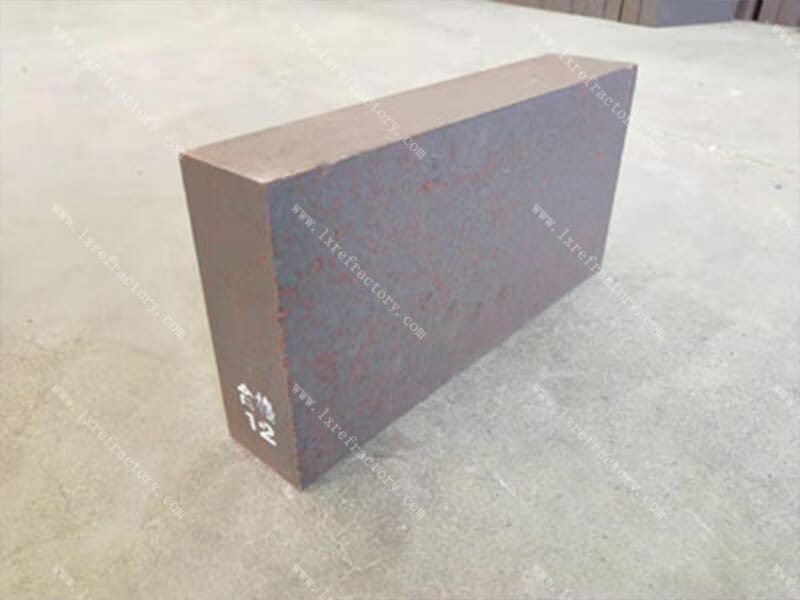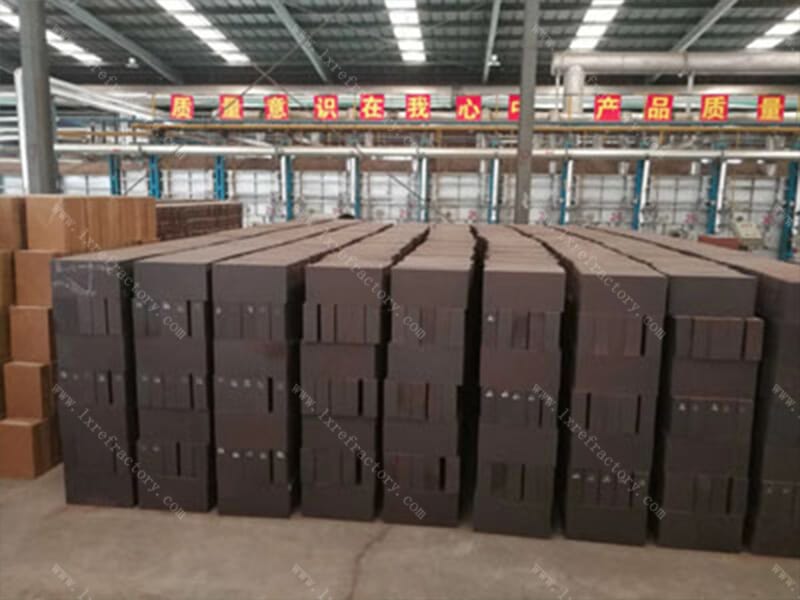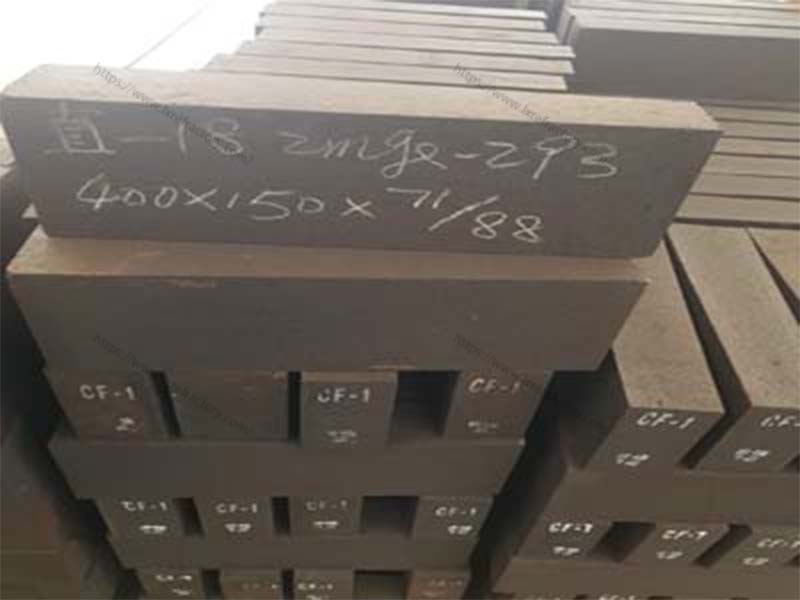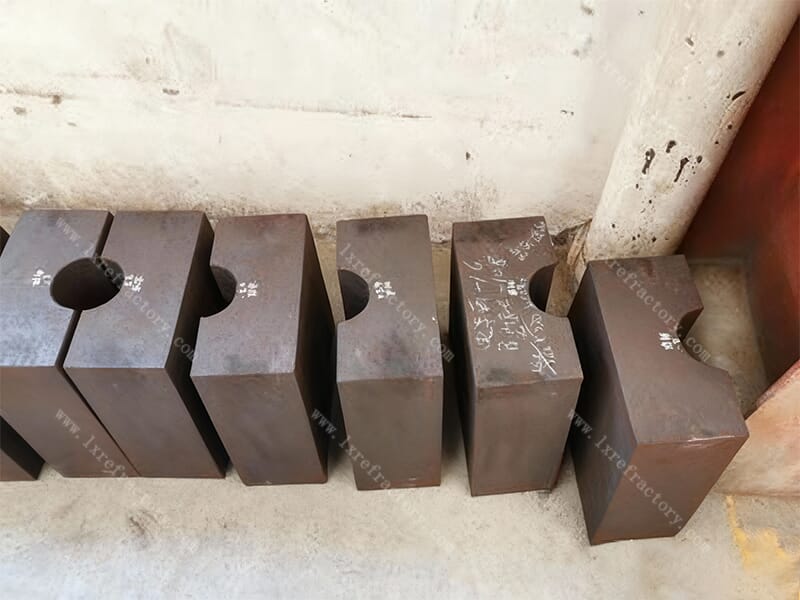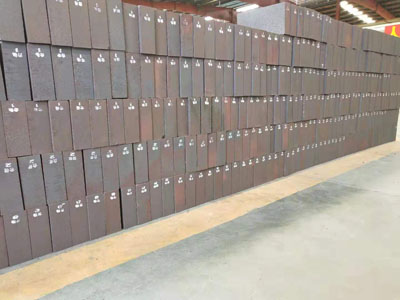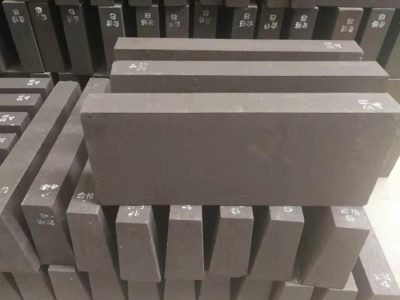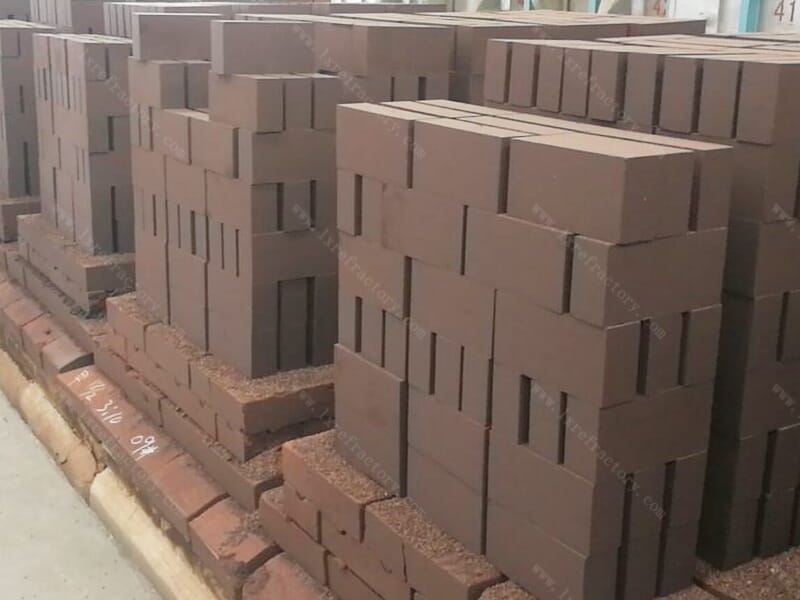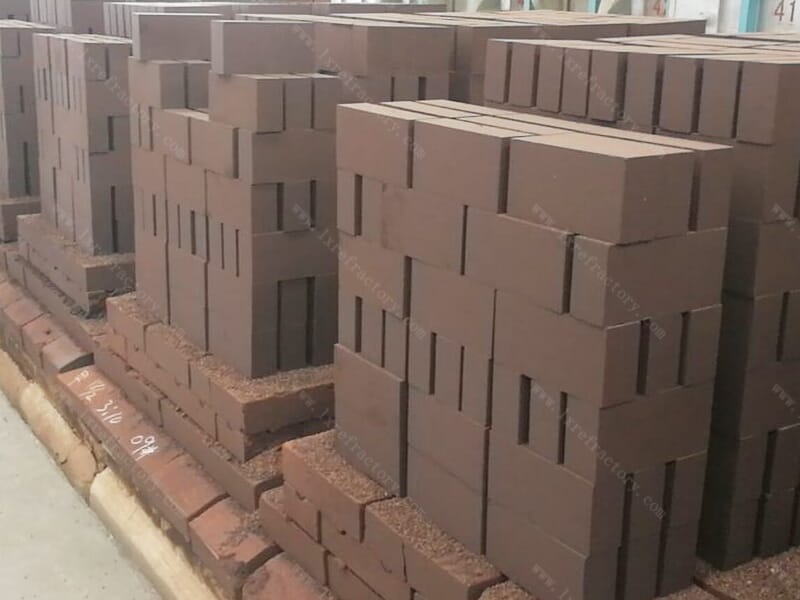
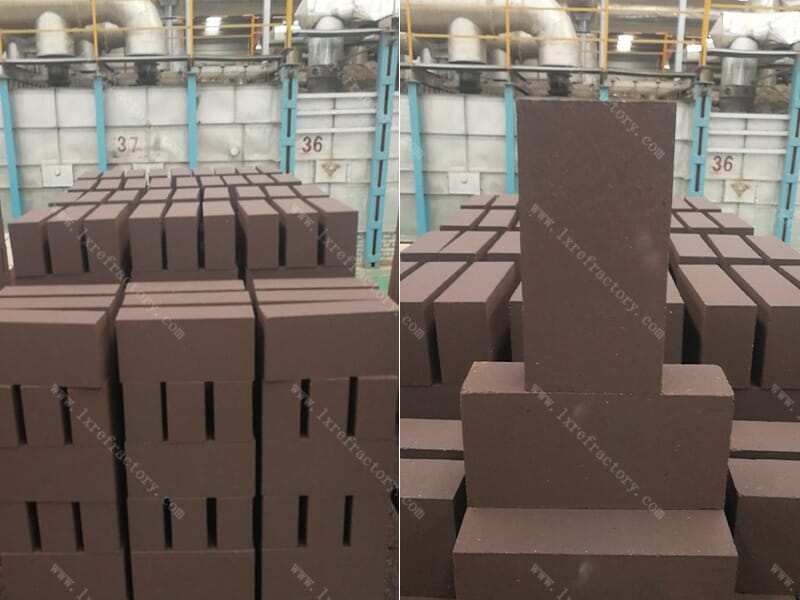
Magnesia chrome bricks are refractory products primarily composed of magnesium oxide and chromium trioxide. Due to their unique mineral composition, they are widely used in high-temperature industries, but certain limitations also exist.
Advantages of magnesia chrome bricks
Magnesia chrome bricks offer significant advantages, making them suitable for harsh high-temperature conditions.
Firstly, they possess excellent refractoriness. Their refractoriness can reach over 1750℃, and they exhibit high high-temperature strength. They can operate continuously in high-temperature environments of 1450-1700℃, meeting the operational requirements of kilns in industries such as metallurgy and building materials.
Secondly, they have strong resistance to alkaline corrosion. Their main minerals, periclase and magnesia-chrome spinel, react with alkaline slag and materials within the kiln to form a stable protective layer, effectively resisting corrosion and extending the service life of the kiln lining.
Thirdly, magnesia chrome bricks have good thermal stability, able to withstand certain temperature fluctuations and are not prone to cracking or spalling due to sudden heating or cooling, making them suitable for kiln start-up, shutdown, and operational condition adjustments.
Fourth, it has high mechanical strength, capable of withstanding the erosion and impact of materials at high temperatures, reducing mechanical wear, and ensuring stable kiln operation.
Disadvantages of magnesia chrome bricks
The disadvantages of magnesia chrome bricks are also quite obvious, mainly concentrated in performance limitations and environmental aspects.
First, they have weak acid and hydration resistance. When in contact with acidic slag, acidic gases, or large amounts of moisture, they are prone to erosion and pulverization, leading to a decrease in strength and limiting their application in acidic conditions.
Second, their thermal shock stability is limited; long-term, frequent sudden temperature changes can still cause the bricks to crack.
Third, they are not environmentally friendly enough. The bricks contain chromium, and improper disposal after disposal can pollute soil and water sources, which does not comply with current environmental policies. In some areas, they have been gradually replaced by chromium-free refractory materials.
Furthermore, their production cost is relatively high, and compared to ordinary refractory bricks, their price advantage is not significant, increasing the procurement costs for enterprises.