he firing zone of a cement rotary kiln is the core area for clinker calcination, and its operating conditions are arguably the most demanding in the entire kiln:
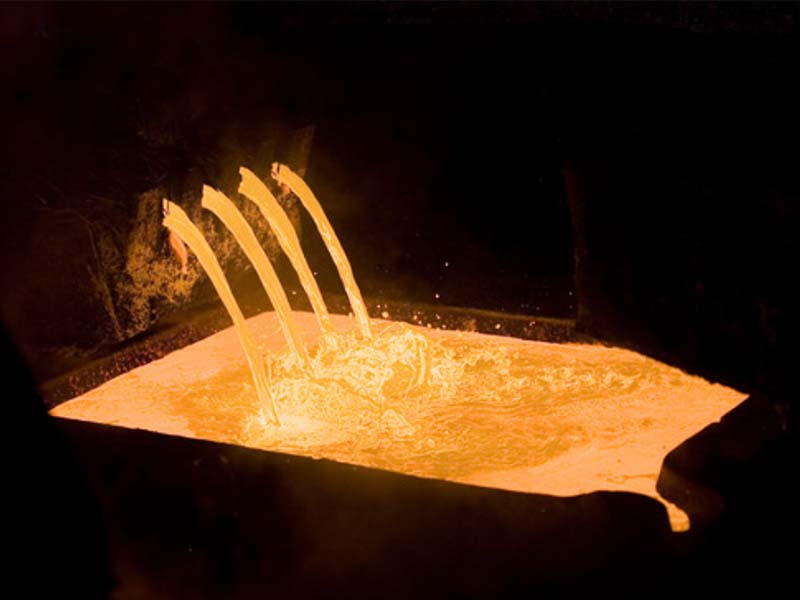
The material temperature is maintained at 1350-1450℃ year-round, with the flame center temperature exceeding 1800℃. Simultaneously, it faces severe erosion from the clinker melt, alkali-sulfur-chlorine cycle penetration, frequent thermal shock, and mechanical compression from the kiln shell. Furthermore, it relies on refractory bricks to maintain a stable kiln lining for self-protection.
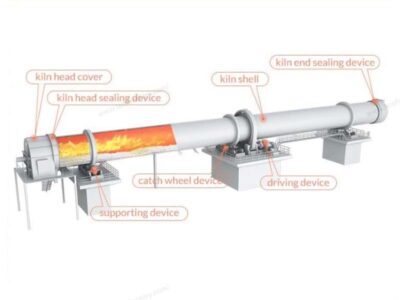
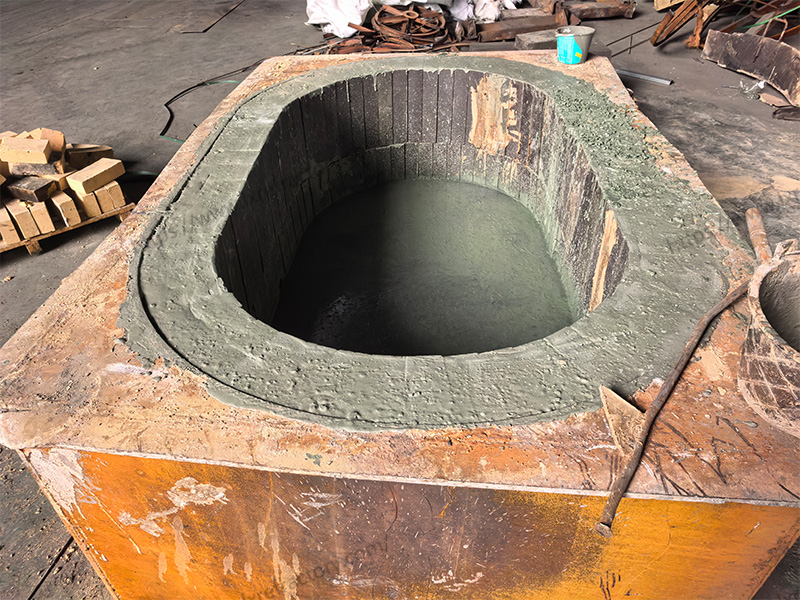
Cement rotary kiln
Therefore, the selection of refractory materials directly determines the kiln’s service life, clinker quality, and production energy consumption. High-temperature strength, erosion resistance, thermal stability, and kiln lining performance must be considered simultaneously.
Traditional Firing Zone
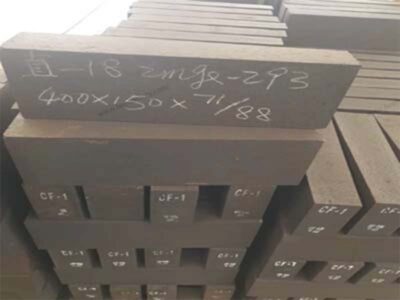
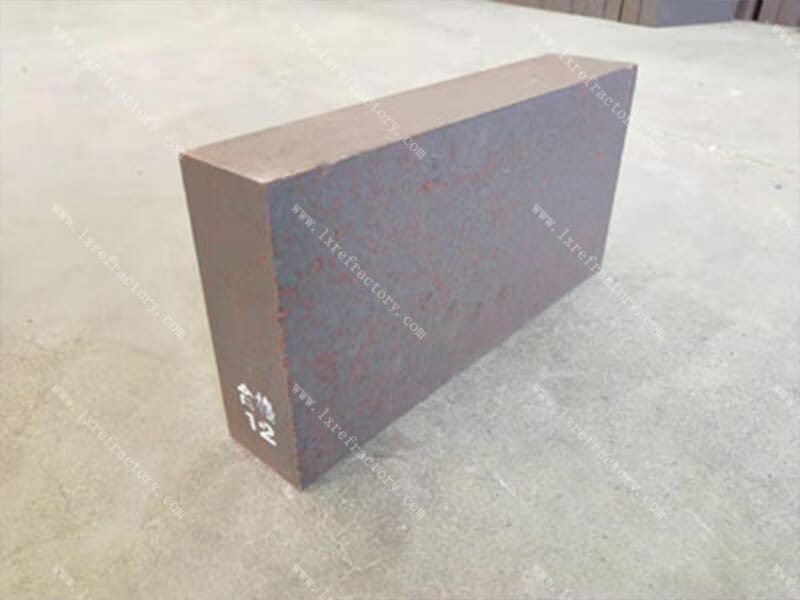
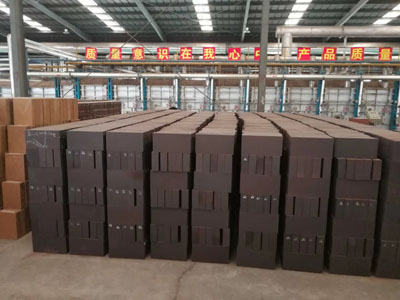
magnesia chrome bricks
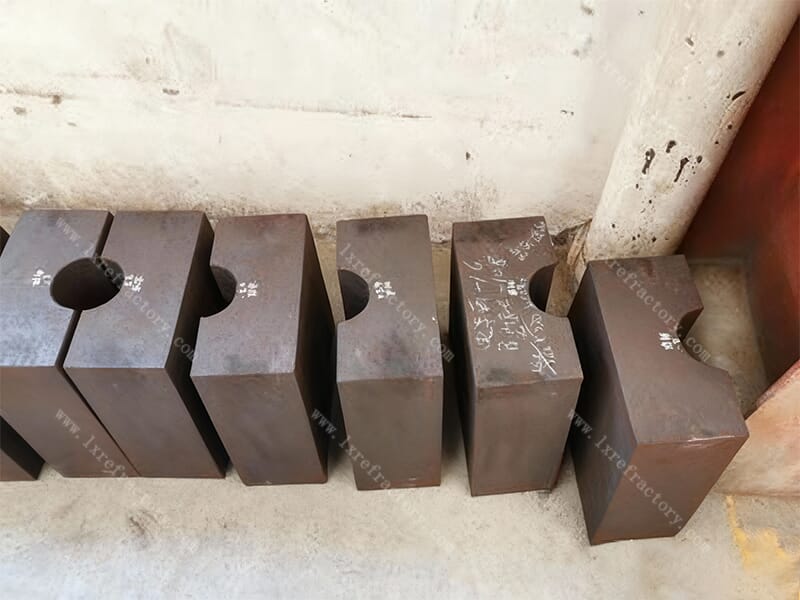
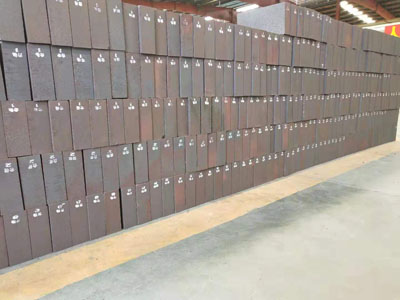
Traditional firing zones often use magnesia-chrome bricks, which have excellent high-temperature strength and good kiln lining performance, suitable for conventional raw material conditions. However, chromium-containing materials are prone to generating hexavalent chromium carcinogens at high temperatures, and due to strict environmental regulations, they have been gradually phased out.
New Dry Process Cement Kilns
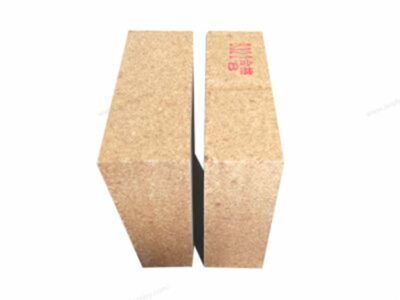
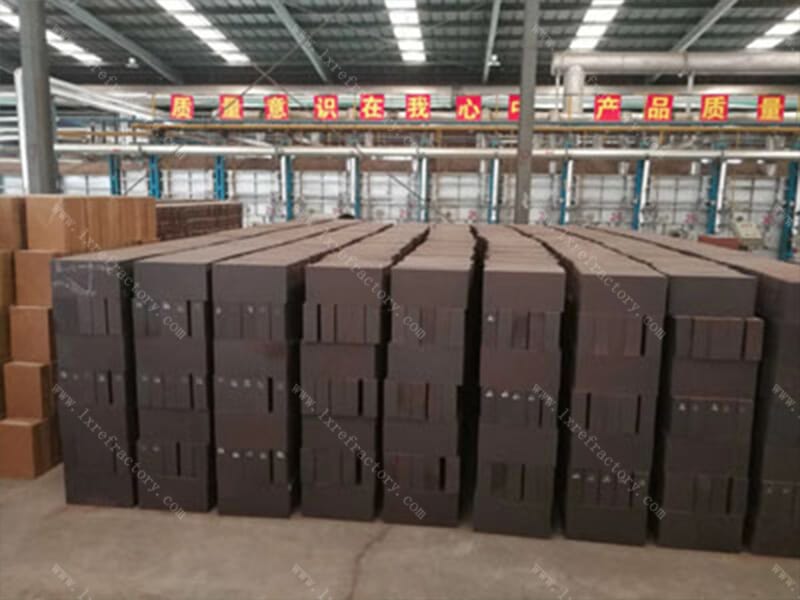
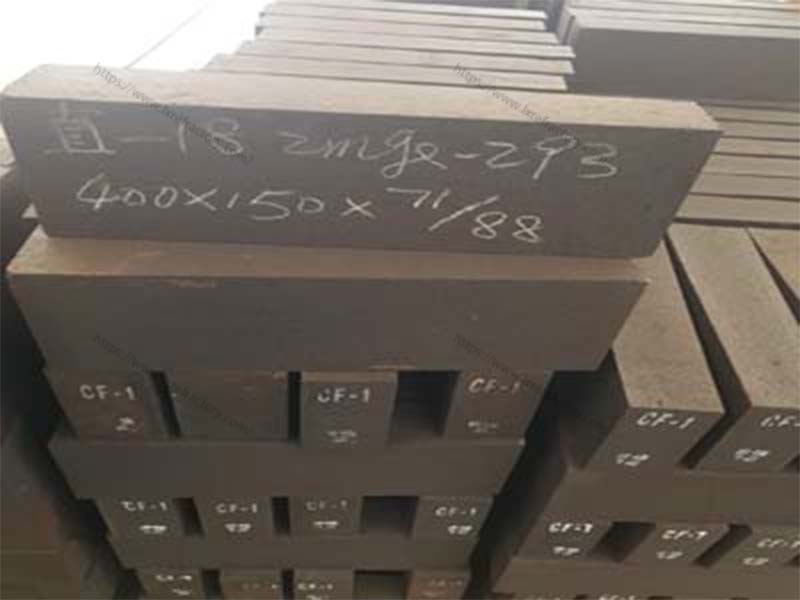
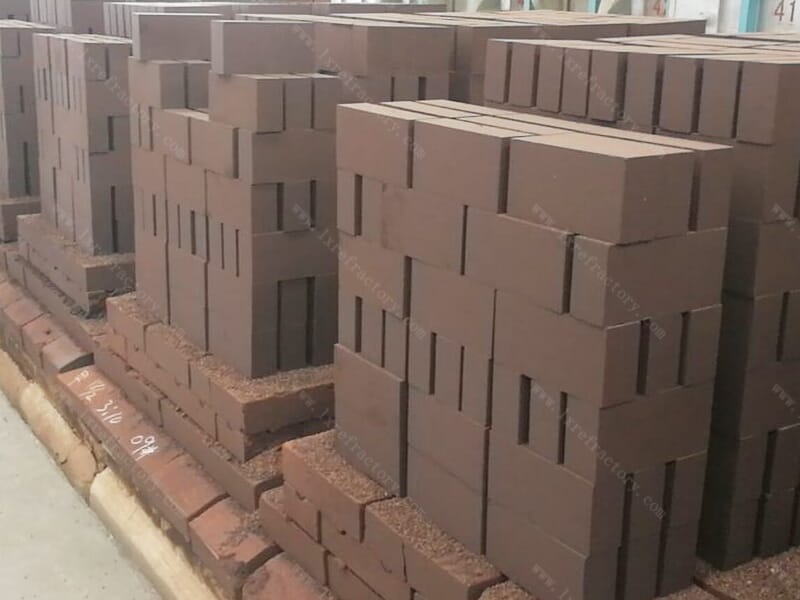
magnesium aluminum spinel bricks
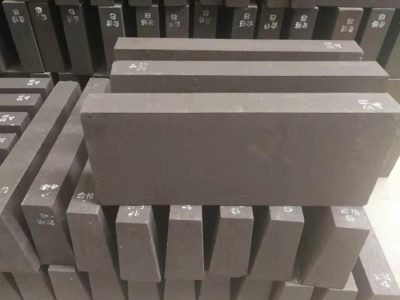
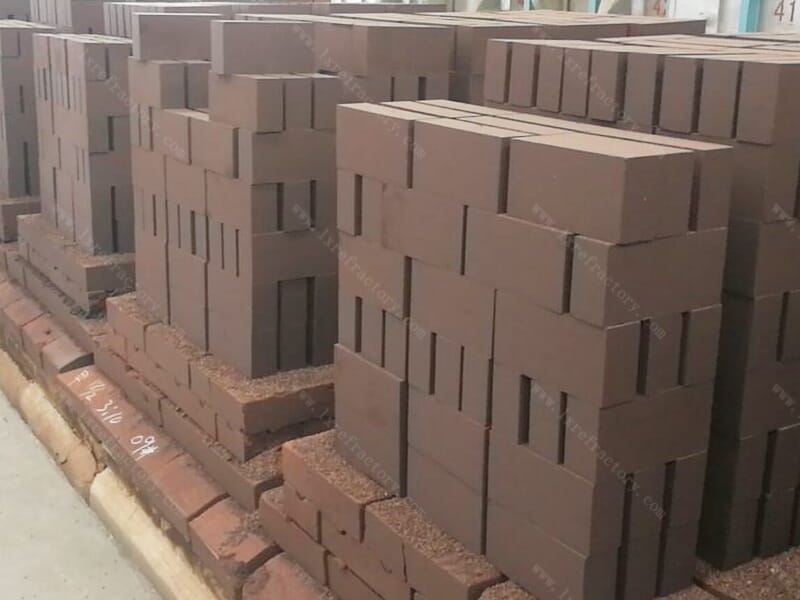
Currently, the preferred material for new dry process cement kilns is chromium-free magnesium-aluminum spinel brick. As an environmentally friendly alternative material, it contains no chromium contaminants, possesses strong resistance to alkali, sulfur, and chlorine penetration, excellent thermal shock stability, and can quickly form a dense kiln lining, effectively resisting the erosion of clinker melt. It offers extremely high cost-effectiveness.