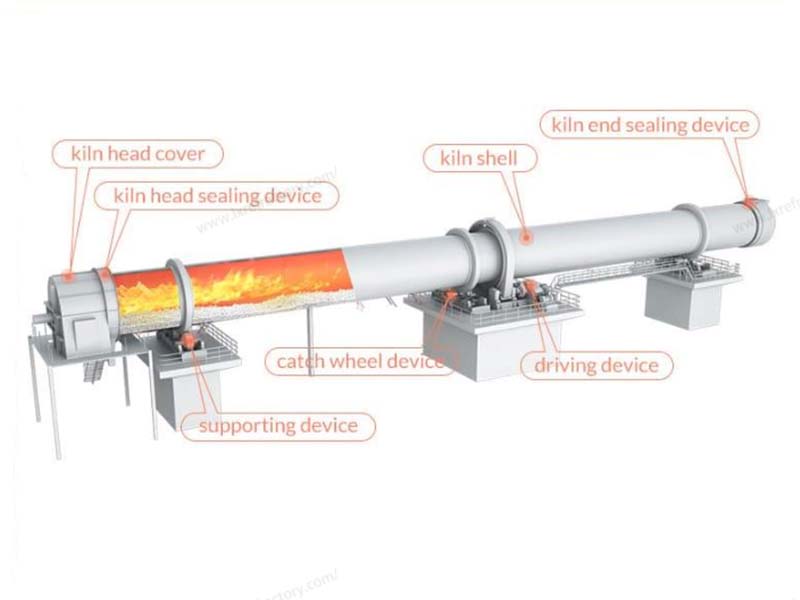
In high-temperature industrial systems such as iron and steel smelting, building material calcination, non-ferrous metal processing, and chemical incineration, ordinary silicate cement can only withstand ambient temperatures below 100 degrees Celsius. Once exposed to high temperatures, it will crack, pulverize, and lose its structural strength.
Refractory cement, with its stable high-temperature mechanical properties and excellent resistance to slag erosion, has become an indispensable core raw material for industrial kiln linings, monolithic refractory materials, and emergency repairs of high-temperature equipment.
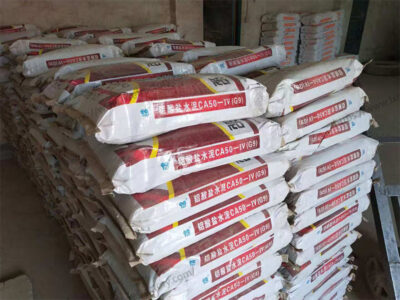
refractory cement
Definition of Refractory Cement
Refractory cement, also known as high-alumina cement, is made from high-quality high-alumina bauxite and limestone. It is sintered at high temperatures to produce clinker with calcium aluminate as the main mineral.
After fine grinding, it is made into a fine powder cementitious material. Industry standards specify a refractoriness ≥1580℃ and an alumina content ranging from 50% to 80%. The mainstream models are divided into four major series: CA50, CA60, CA70, and CA80.
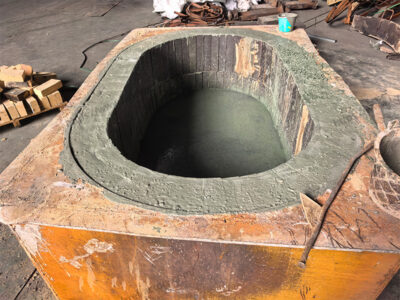
repairing the copper smelting furnace with cement
Differences from ordinary cement
The biggest difference between refractory cement and ordinary cement lies in the mineral system: ordinary cement is mainly composed of calcium silicate, which decomposes and fails at high temperatures.
Refractory cement relies on the hydration and hardening of aluminate minerals, solidifies rapidly at room temperature, maintains structural strength after heating, has extremely low high-temperature shrinkage, and will not experience large-area peeling or cracking problems.