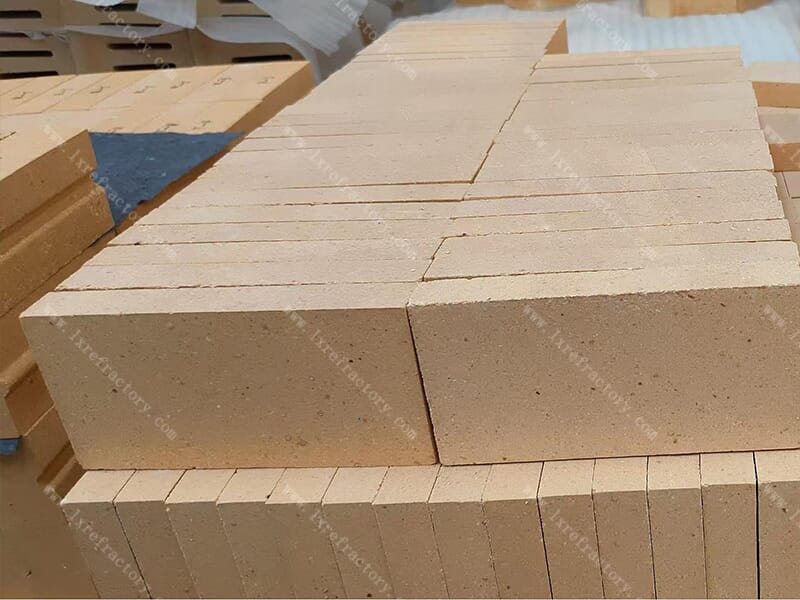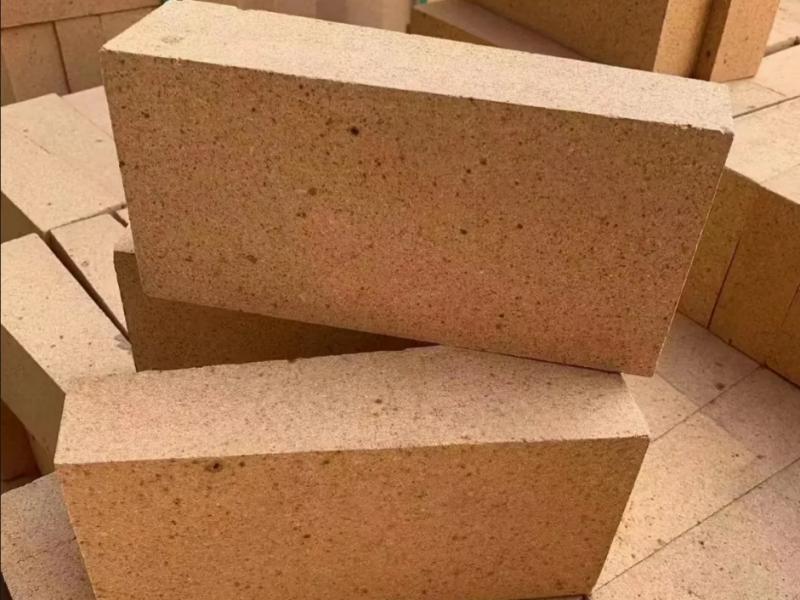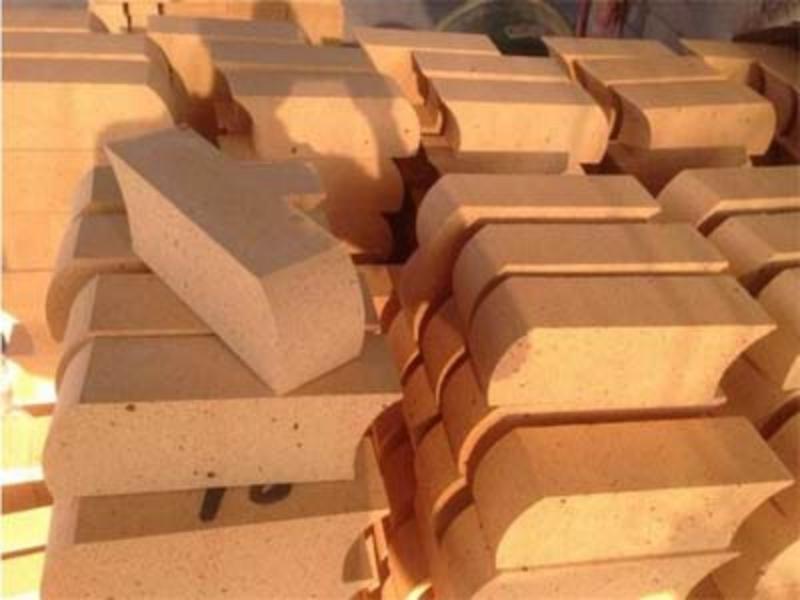
Clay refractory bricks are conventional refractory materials made primarily from refractory clay, soft clay, and clinker. The alumina content is generally between 30% and 45%, classifying them as low-grade general-purpose refractory bricks with a long history of application and excellent cost-effectiveness. Their main advantages lie in the availability of raw materials, low production costs, mature molding and sintering processes, and stable batch supply, making them the most commonly used lining material for medium- and low-temperature kilns.
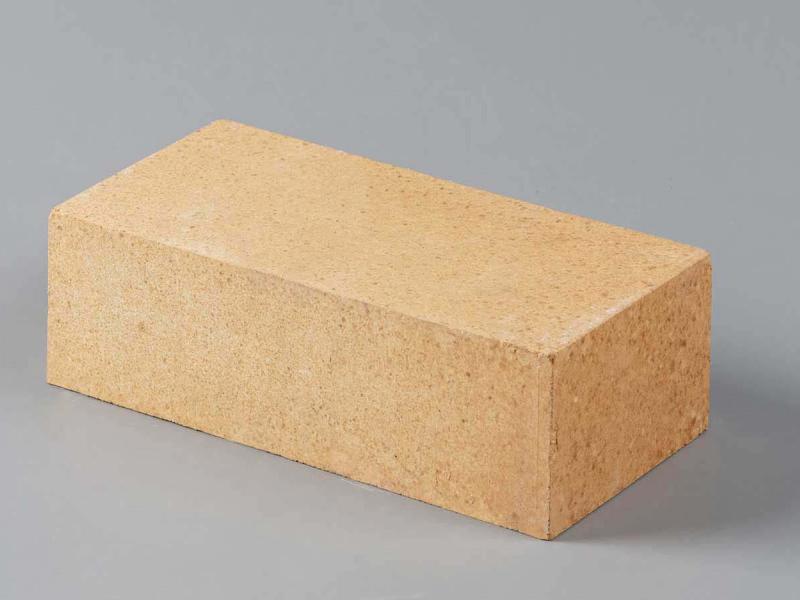
Clay refractory bricks exhibit good thermal shock resistance, resisting cracking and spalling under repeated rapid heating and cooling, making them suitable for intermittent kilns with frequent start-ups and shutdowns. They have good adhesion at both room and high temperatures, high compatibility with refractory mortar during installation, convenient construction, and strong overall integrity. However, clay refractory bricks have a relatively low load softening temperature, with long-term service temperatures typically not exceeding 1250℃. They are prone to softening and deformation at high temperatures, making them unsuitable for ultra-high-temperature conditions.
In terms of chemical properties, clay refractory bricks have acceptable resistance to weakly acidic flue gas erosion, but poor resistance to alkaline slag and molten alkali metal erosion. They are prone to structural loosening and melting damage when exposed to strongly alkaline media such as cement and soda ash. The products have relatively high porosity and moderate density, resulting in weak resistance to molten material penetration and erosion. Their wear resistance is far lower than that of high-alumina bricks and corundum bricks, making them unsuitable for use in slag lines or areas subject to severe material erosion.
Clay refractory bricks have moderate overall performance, with advantages in cost-effectiveness and wide adaptability. They are widely used as linings in boilers, flues, regenerators, annealing kilns, small heat treatment furnaces, and as inner linings for kiln insulation layers. Under high-temperature, highly corrosive, and highly erosive conditions, they are often replaced by high-alumina bricks.