
Corundum mullite bricks are high-performance refractory products with corundum (α-Al₂O₃) and mullite (3Al₂O₃·2SiO₂) as the main crystalline phases. They are specifically designed to withstand the most demanding industrial thermal environments, and their core purpose is to serve as the “skeleton” and “armor” of high-temperature kilns, providing structural support and erosion protection under extreme conditions.
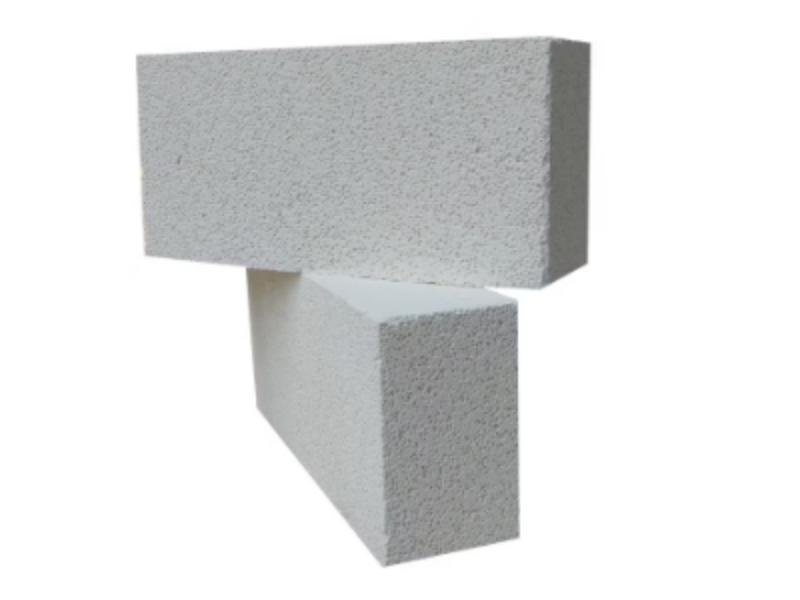
Its key applications in kilns are mainly reflected in the following aspects:
Serving as critical high-temperature structural components: Utilizing its extremely high load softening temperature (typically > 1700℃) and excellent high-temperature creep resistance, it maintains structural stability even under long-term load and high temperature conditions, and is not prone to collapse or deformation. Therefore, it is often used in critical load-bearing parts such as blast furnace bottoms, hot blast stove tops, and glass melting furnace arches.
Resistant to Chemical Erosion and Melt Erosion: Thanks to its dense internal structure and excellent slag resistance, it effectively resists the chemical erosion of alkaline and acidic molten slag, molten glass, and corrosive gases at high temperatures, while also resisting the physical erosion of high-speed airflow and materials. For example, it is widely used in highly corrosive environments such as synthetic ammonia gasification furnaces, carbon black reactors, and glass kiln feed passages.
Withstands Severe Temperature Fluctuations (Thermal Shock Resistance): Under conditions of frequent start-up and shutdown or drastic temperature changes, its excellent thermal shock resistance effectively resists thermal stress caused by rapid heating and cooling, preventing the bricks from cracking and peeling. This characteristic makes it ideal for intermittent kilns, ceramic firing kiln furniture, and easily peeling areas of rotary kilns.
In summary, the core value of corundum mullite bricks lies in their ability to significantly extend the safe service life of kilns under extreme conditions such as high temperature, strong corrosion, and frequent thermal shock, making them a key material for ensuring the stable operation of modern high-temperature industries (such as metallurgy, petrochemicals, glass, and ceramics).
