
The glass industry employs a wide variety of kilns, which can typically be classified based on their structure, heat source, operational continuity, and flame flow direction.
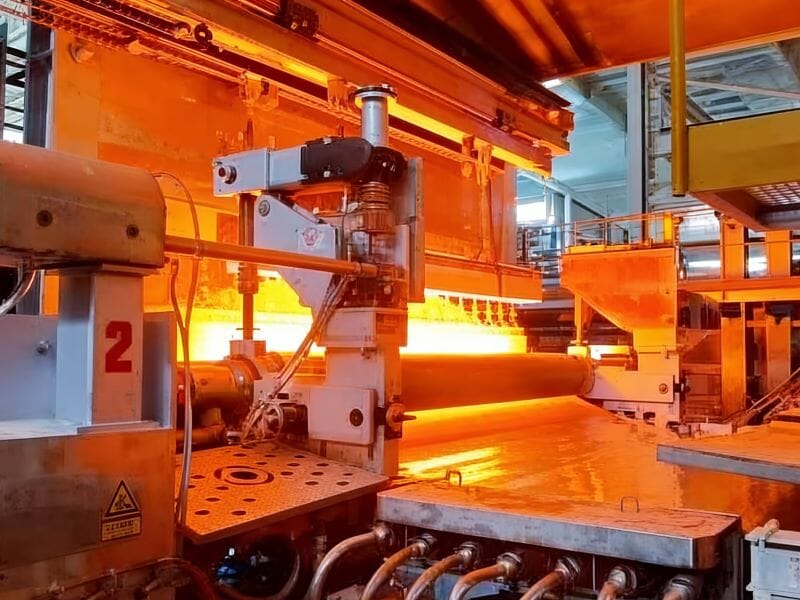
I. Classification by Structure: Crucible Furnaces and Tank Furnaces
Crucible Furnace: The furnace chamber contains one or more crucibles made of refractory materials (such as clay or platinum). The glass batch undergoes melting and clarification within the crucible. Its characteristics include intermittent production, with temperature regimes varying over time. It is suitable for low-volume production, high-variety production, or frequent changes in material types, such as the production of optical glass or specialty glass.
Tank Furnace: The furnace chamber is constructed of refractory material to form a molten pool, where the batch material is directly added for melting. Most tank furnaces are continuous, with melting, clarification, and cooling stages occurring simultaneously in different areas of the furnace, resulting in a stable temperature regime. Tank furnaces offer high capacity and thermal efficiency, making them the mainstream equipment for the mass production of modern flat glass and bottle glass.
II. Classification by Heat Source: Flame Furnaces, Electric Furnaces, and Hybrid Furnaces
Flame Furnaces: Use fuels such as coal, heavy oil, natural gas, or coal gas as the primary heat source, heating the material through flame radiation.
Electric Furnaces: Use electricity as the heat source, utilizing the conductivity of molten glass at high temperatures. Electrodes directly heat the molten glass within the furnace to melt it. It boasts extremely high thermal efficiency and reduces volatile organic compound (VOC) pollution, thus improving glass quality.
Flame-Electric Furnaces: A hybrid heating method using fuel as the primary source and electricity as a secondary source.
III. Classification by Flame Flow Direction (Specifically for Flame Furnaces)
This provides a more detailed distinction between tank furnaces, relating to heat exchange efficiency and temperature distribution within the furnace.
Horizontal Flame Furnaces: The flame flows laterally within the furnace, perpendicular to the flow direction of the molten glass. This type is commonly used in large flat-plate glass furnaces in my country.
Horseshoe Flame Furnaces: The flame flows in a horseshoe-shaped swirling motion within the furnace, commonly used in medium or small glass furnaces.
Longitudinal flame furnace: The flame flows longitudinally along the length of the furnace, parallel to the direction of the molten glass flow.