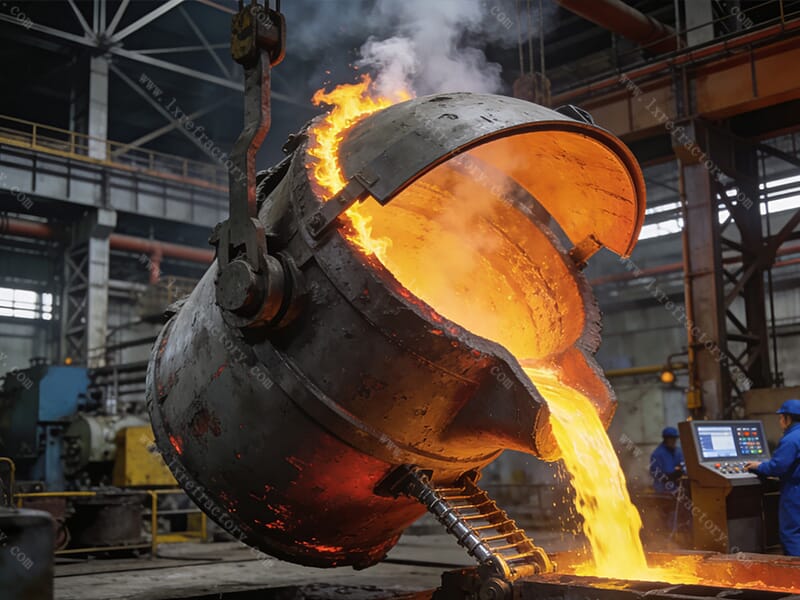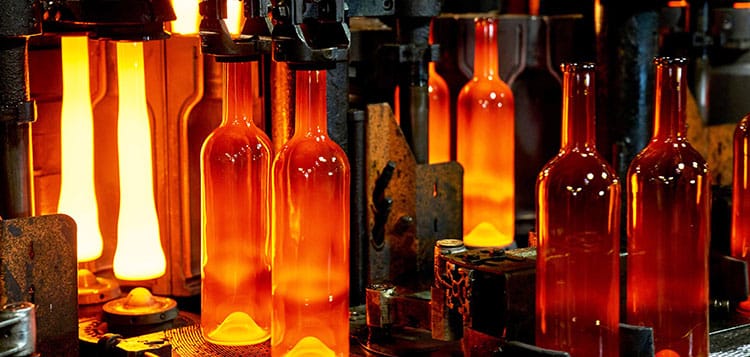
As an important piece of equipment in industries such as metallurgy and chemical engineering, the selection of fire bricks for high-temperature blast furnaces has a direct impact on the furnace’s operating efficiency and service life. In particular, the dome of the high-temperature blast furnace is subjected to high temperature, high pressure and chemical corrosion for a long time.
Therefore, selecting the right fire bricks is crucial to ensuring the stable operation of the high-temperature blast furnace.
1. Selection of fire brick materials
The working environment of the high-temperature blast furnace dome is extremely harsh, making the selection of refractory brick materials crucial.
First, fire bricks need to have high refractoriness. High refractoriness is designed to withstand temperatures as high as 1500℃ or even higher.
Secondly, refractory bricks must have excellent thermal shock resistance. This is necessary to withstand the thermal stress caused by temperature changes.
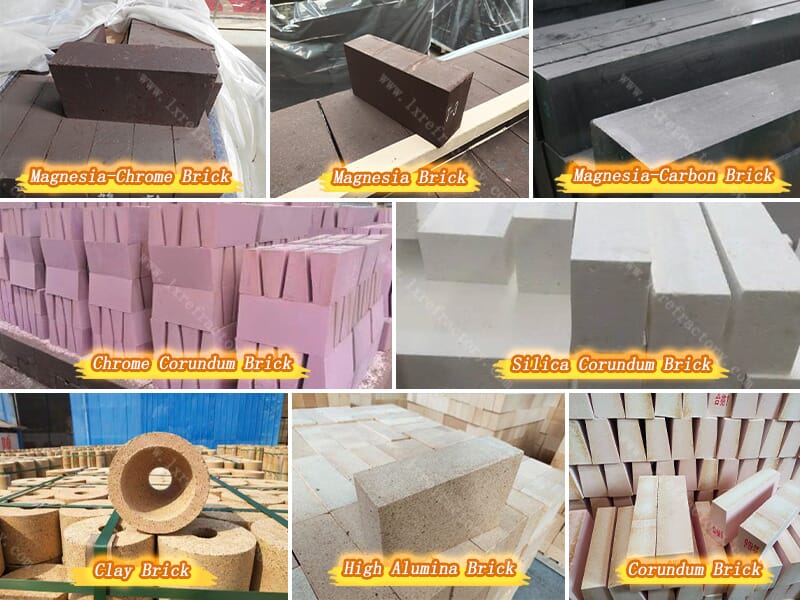
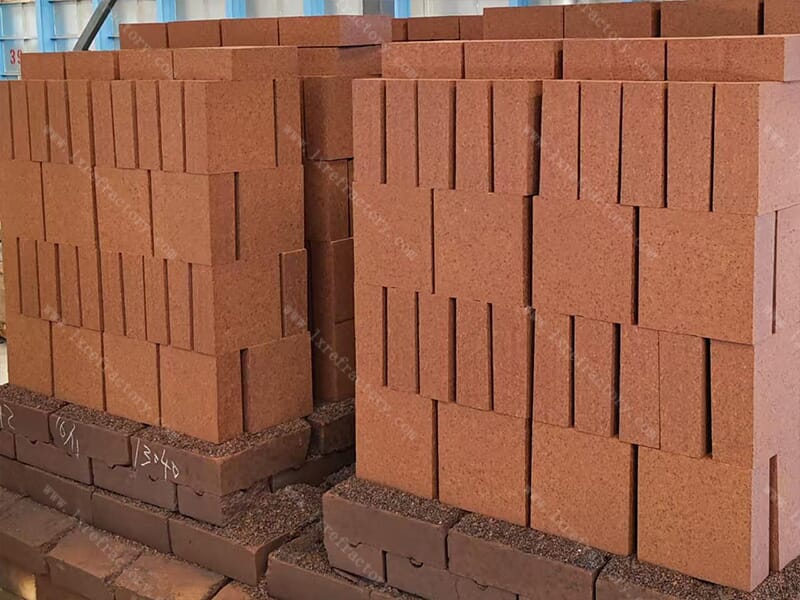
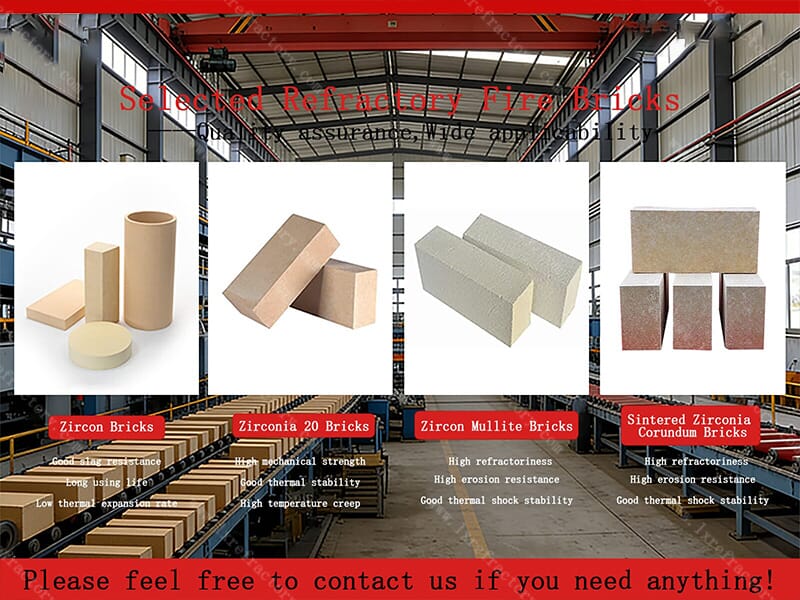
Various Refractory Bricks
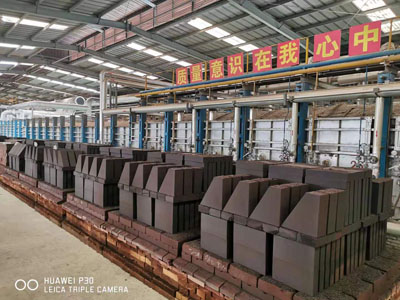
In terms of materials, bauxite bricks, corundum bricks, and magnesia bricks are often used in the dome of high-temperature blast furnaces.
• Bauxite bricks
It has good high-temperature performance and strong resistance to acid and alkali corrosion.
Bauxite bricks are commonly used in general high-temperature environments. Suitable for the top and dome of high-temperature blast furnaces, it can effectively resist thermal shock inside the furnace.
• Corundum bricks
Corundum bricks have extremely high refractoriness, low coefficient of thermal expansion, and excellent thermal shock resistance. It is particularly suitable for high-temperature, long-term working environments in the dome of a high-temperature blast furnace.
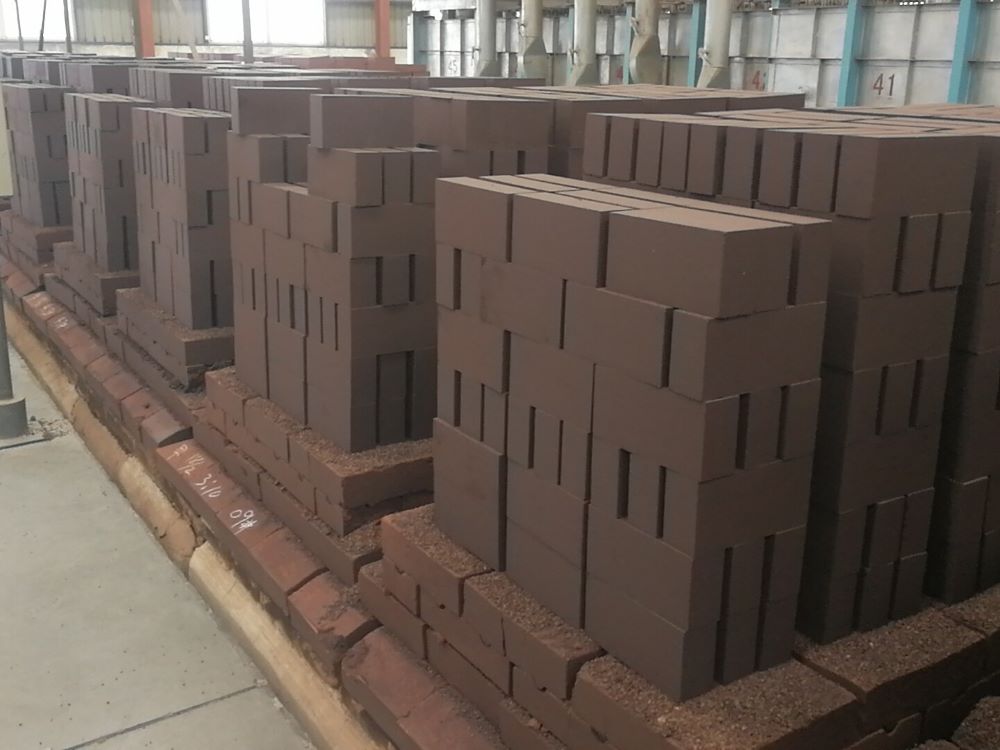
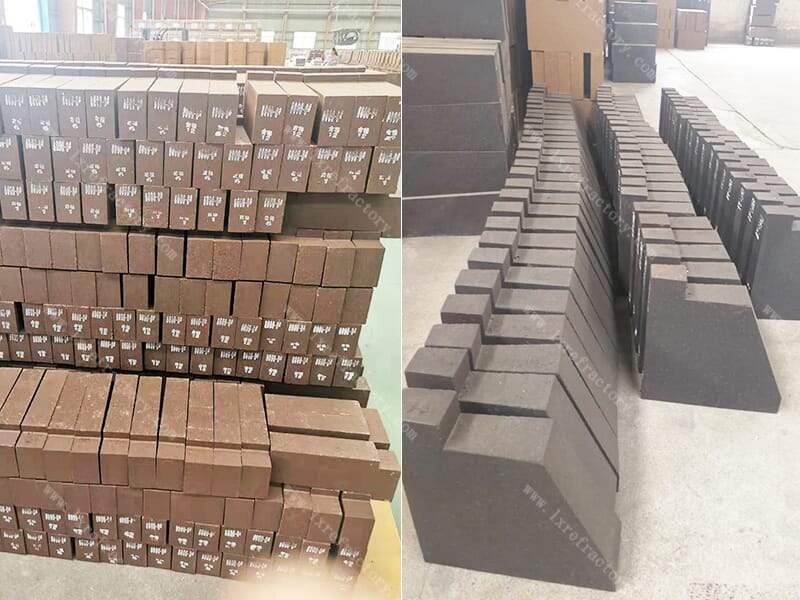
magnesia-chrome bricks
• Magnesium bricks
Magnesia refractory bricks are valued for their excellent high-temperature resistance and good erosion resistance. This brick is used in the dome of a high-temperature blast furnace, which can effectively extend the service life of the furnace body. Magnesia bricks exhibit better stability, especially when handling high-temperature airflows containing alkaline substances.
2. Structural design optimization
The structural design of fire bricks is equally important in the application of high-temperature blast furnace arches. Reasonable brick size and splicing method can reduce the concentration of thermal stress and improve the overall stability of refractory bricks.
When selecting refractory bricks for the arch of a high-temperature blast furnace, the design should be based on the specific shape of the arch and the structural characteristics of the furnace body.
• Fire brick assembly
The joints between fire bricks need to be precisely designed to ensure a secure connection. In addition, the bricks at the vault are generally joined using a “chain-link” method to effectively disperse thermal stress.
• Brick size selection
The bricks should be of appropriate size. Oversized bricks are prone to thermal cracking due to thermal expansion, while improper splicing of undersized bricks may lead to structural instability.
Therefore, when selecting a model, factors such as thermal expansion, service life, and processing costs should be considered comprehensively.
3. Adaptability and durability of refractory bricks
During long-term operation, the dome of the high-temperature blast stove must withstand the constant scouring of high-temperature airflow and the erosion of oxidizing atmosphere.
This requires refractory bricks to not only have excellent fire resistance, but also strong erosion resistance and durability.
When selecting suitable refractory bricks, in addition to considering refractoriness and thermal shock stability, their erosion resistance should also be a key focus.
The dome of a high-temperature blast furnace is often exposed to corrosion from oxidizing, acidic, or alkaline substances due to the influence of high-temperature airflow. Choosing refractory bricks with strong corrosion resistance (such as corundum bricks, chrome magnesia bricks, etc.) can effectively extend the service life of refractory bricks and reduce the frequency of maintenance.
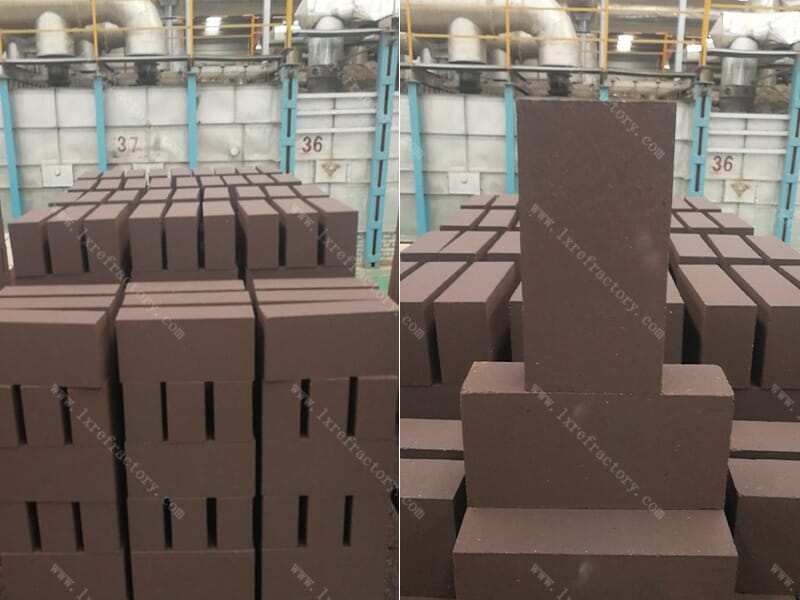
Magnesia-chrome fire bricks
In addition, the service life of refractory bricks is also closely related to the density and porosity of the brick body. High-density, low-porosity refractory bricks have stronger erosion resistance and better thermal shock resistance, making them suitable for long-term operation in high-temperature environments.
4. Installation and Maintenance Precautions
Installation and maintenance are also crucial to ensuring the long-term stable operation of the refractory bricks in the dome of the high-temperature blast furnace. During installation, it is essential to ensure a tight joint between each refractory brick and to avoid cracks or thermal stress concentration caused by improper installation.
After the refractory bricks of the arch roof of the high-temperature blast furnace are put into use, their working condition needs to be checked regularly. Especially in areas with intense high-temperature airflow, refractory bricks may crack or wear.
Therefore, regular inspections and maintenance should be carried out, and damaged refractory bricks should be replaced in a timely manner to ensure the normal operation of the high-temperature blast stove.
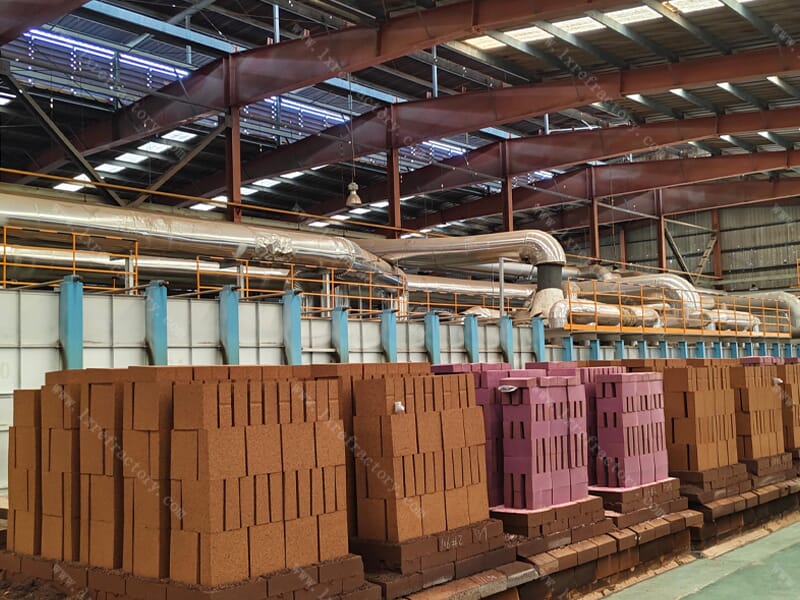
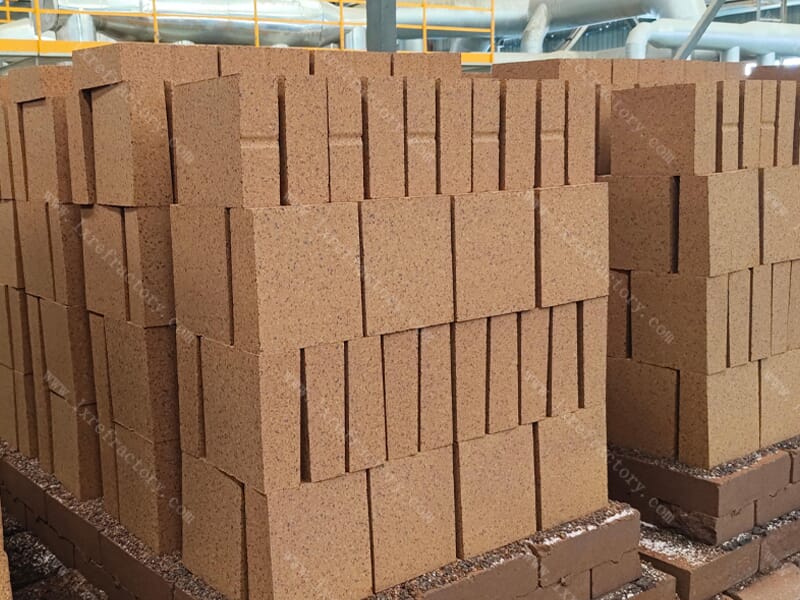
refractory brick
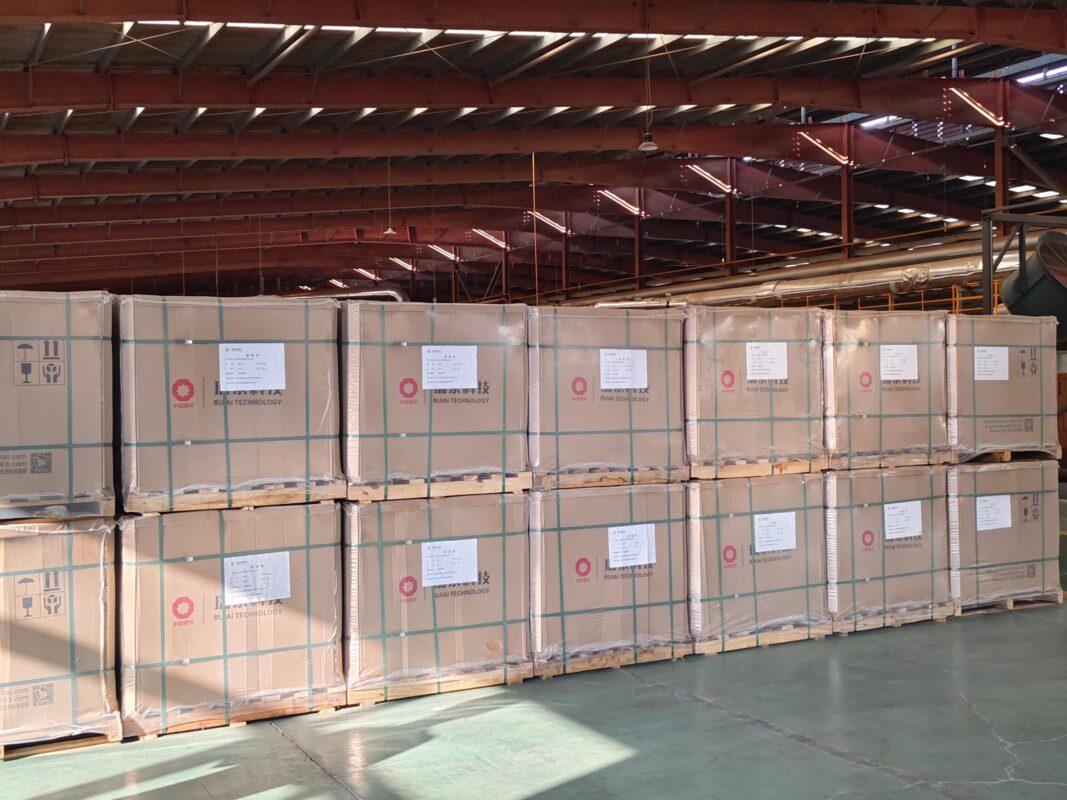
Finding a suitable refractory brick supplier is also an essential step. Henan Ruitai Lianxin Refractory Materials Co., Ltd. has 20 years of experience in refractory material production. It not only provides customers with high-quality refractory bricks that meet the required standards, but also offers the most suitable kiln operating conditions solutions and installation services.
Please feel free to contact us if you have any needs. Choosing Ruitai Lianxin means choosing strength.