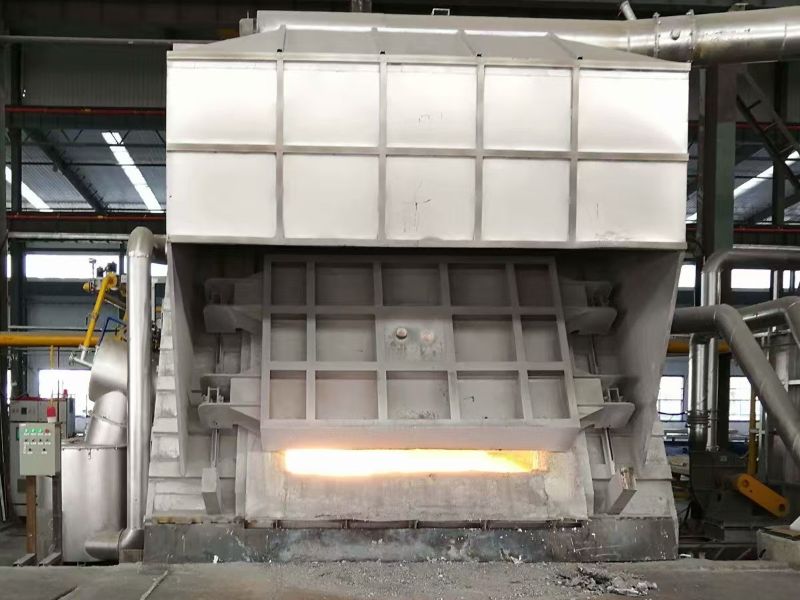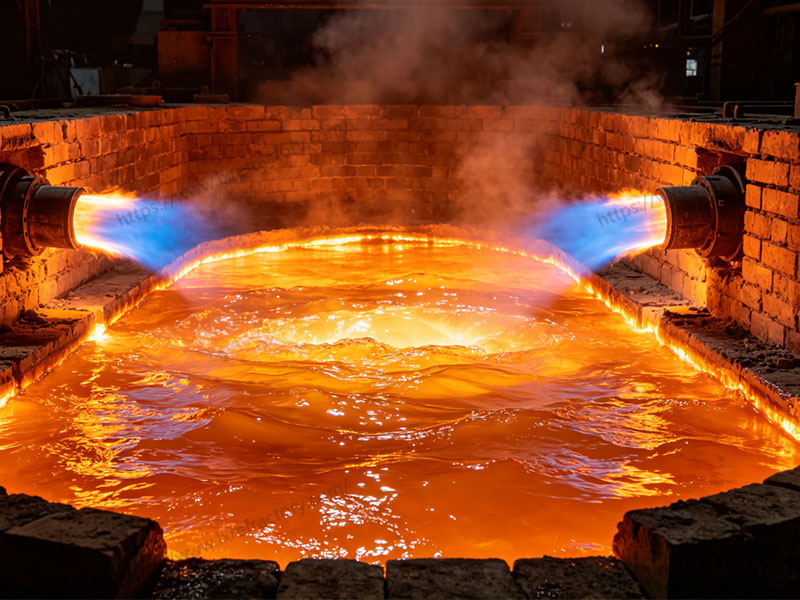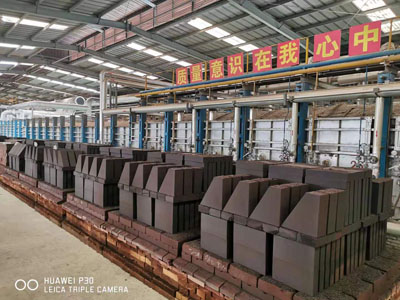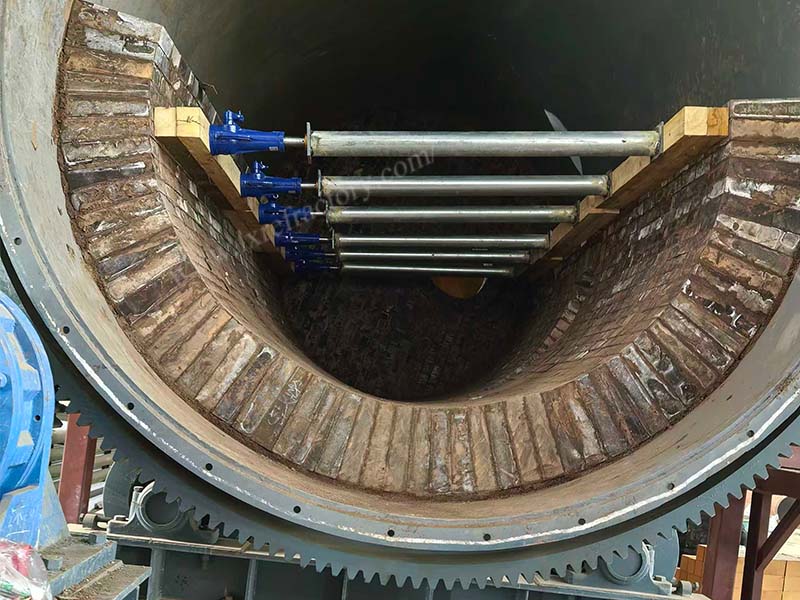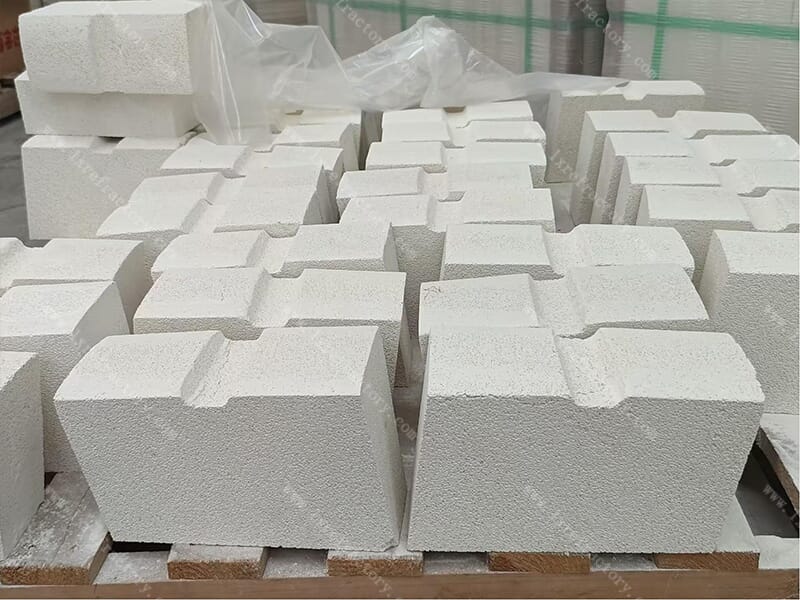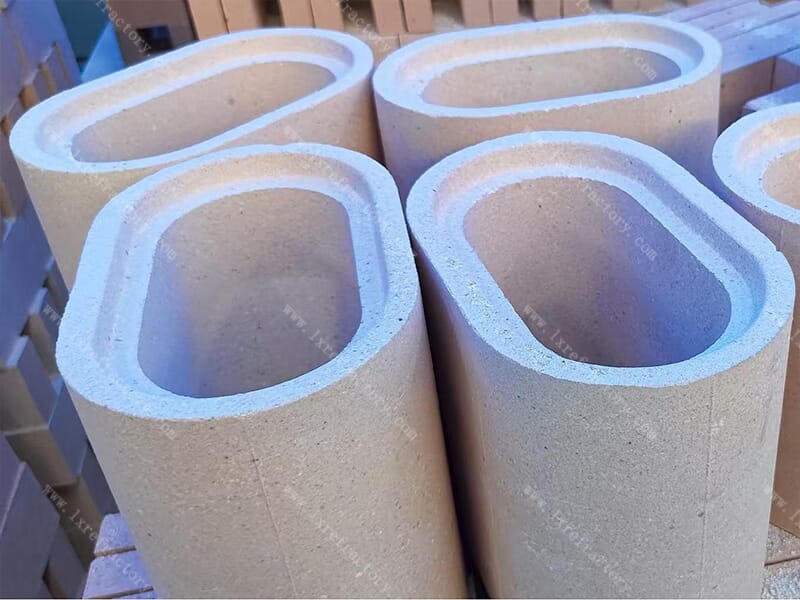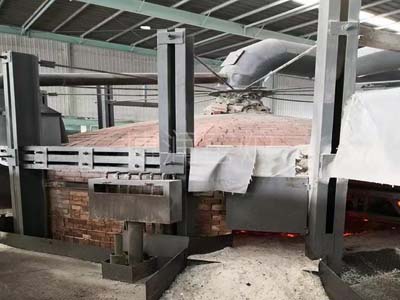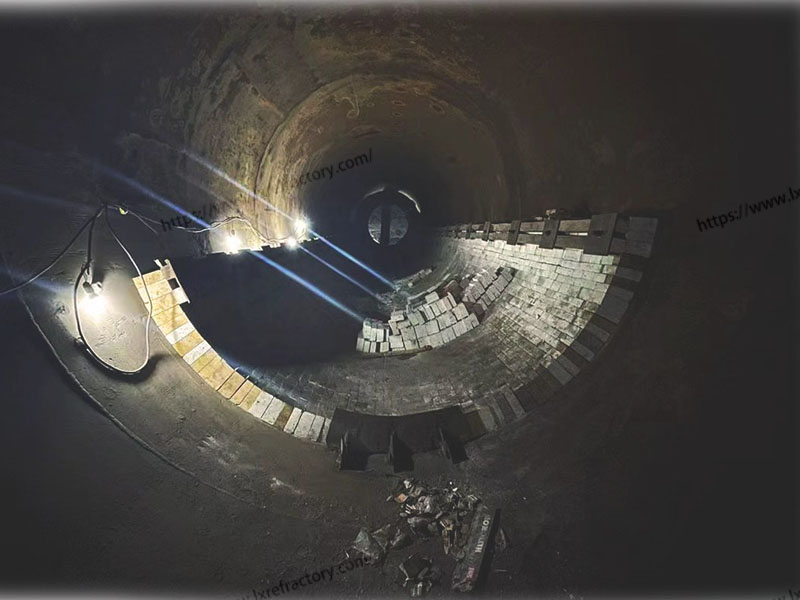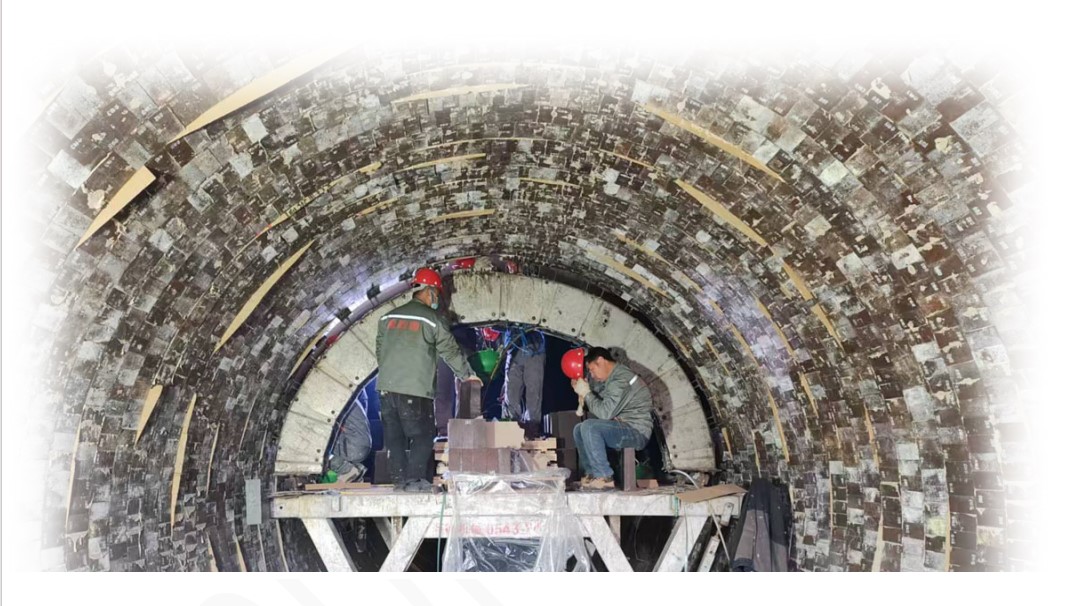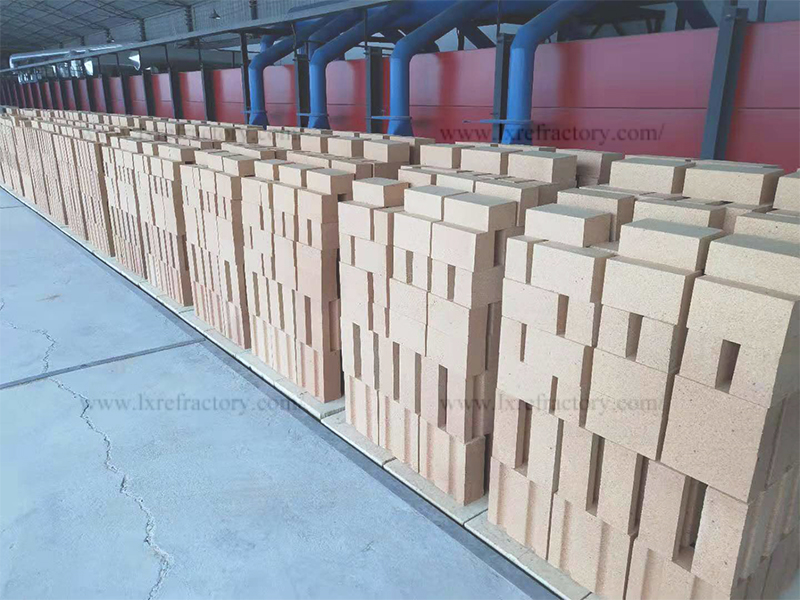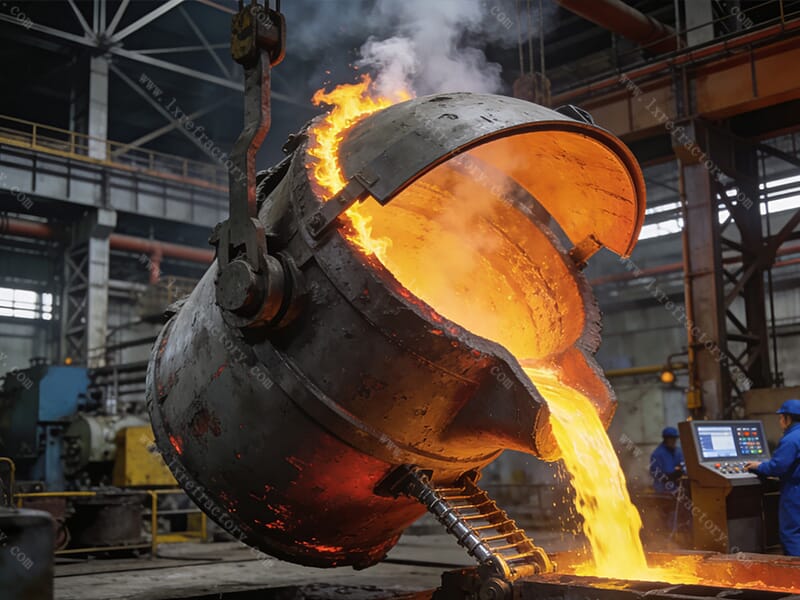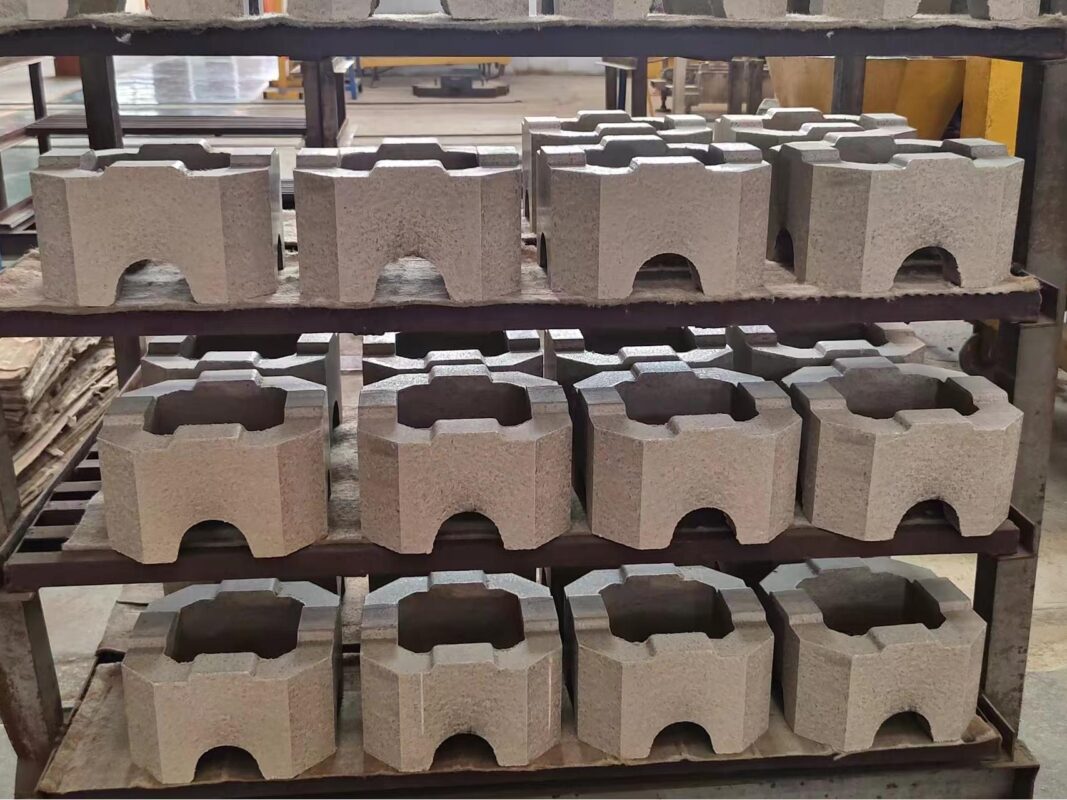
Refractory bricks used in the metallurgical industry are special ceramic materials that can withstand long-term physicochemical processes at temperatures above 1000℃ without damage. As core lining components of metallurgical furnaces and kilns, they play a crucial role in ensuring continuous and stable production.
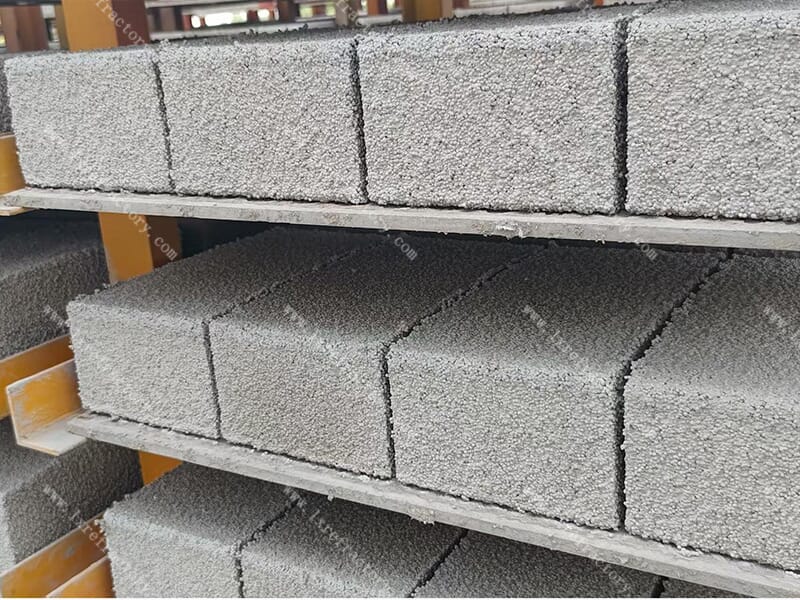
ruitailianxin refractory fire bricks
Metallurgical production processes, including ironmaking, steelmaking, and non-ferrous metal refining, all require operation in high-temperature furnaces and kilns. Refractory bricks, as the core lining material, directly resist the erosion of high-temperature flames, molten metal, and slag, preventing damage to the furnace structure. They are an indispensable basic functional material in the metallurgical industry system.
These types of refractory bricks must meet multiple stringent performance requirements: firstly, high-temperature volume stability, meaning they must not significantly shrink or expand under prolonged high temperatures to prevent cracking and leakage in the furnace lining; secondly, high-temperature strength, capable of withstanding the impact of furnace charge, airflow erosion, and their own load; thirdly, slag resistance, able to resist the chemical erosion and penetration of metallurgical slag; and fourthly, thermal conductivity or insulation properties as needed, for example, the furnace bottom needs high thermal conductivity to achieve uniform heat transfer, while the furnace body needs insulation to reduce heat loss.
Based on their material composition, metallurgical refractory bricks are mainly divided into four categories: siliceous bricks, with silicon dioxide (SiO₂) as the main component, exhibit outstanding high-temperature resistance and are primarily used in equipment such as coke ovens and hot blast stoves; clay bricks, with lower cost and good plasticity, are suitable for non-critical parts of equipment such as blast furnaces and converters; high-alumina bricks, with higher aluminum content, possess superior strength and slag resistance compared to clay bricks, making them the preferred material for linings of steelmaking electric furnaces and ladles; and magnesia bricks, with extremely strong resistance to alkaline slag, are used in alkaline open-hearth furnaces and refining furnaces. In addition, there are special types such as carbon composite refractory bricks and lightweight refractory bricks to adapt to different working conditions.
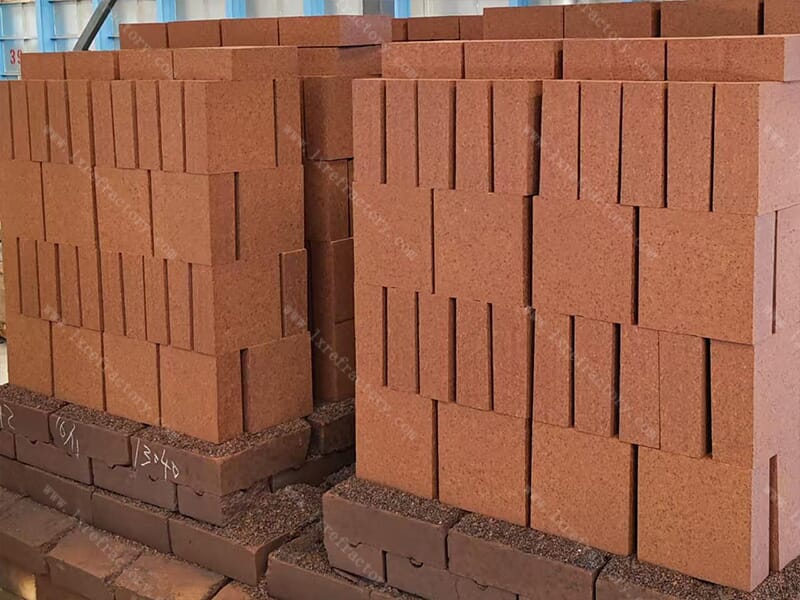
ruitailianxin refractory firebricks
As the metallurgical industry develops towards large-scale and high-efficiency production, refractory bricks are also undergoing continuous upgrading and iteration, with new products such as low-creep high-alumina bricks and monolithic refractory bricks constantly emerging. These products offer superior performance and longer service life, providing solid material support for improving the quality and efficiency of metallurgical production and reducing energy consumption, and are an important foundation for ensuring the sustainable and healthy development of the metallurgical industry.