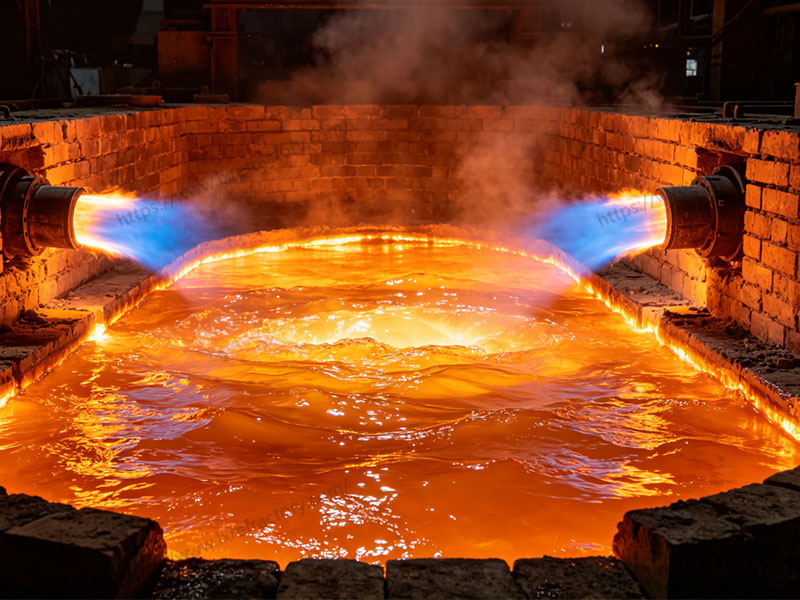
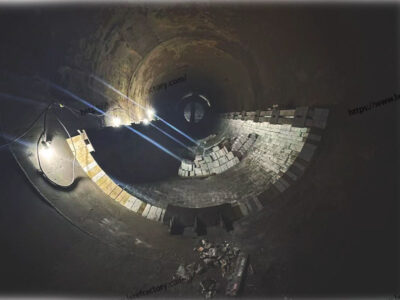
Non-ferrous metal smelting (copper, nickel, lead, zinc, aluminum, etc.) involves complex operating conditions. The furnace gas contains a large amount of SO₂, and the molten slag and metal melt are highly corrosive. Furthermore, temperature fluctuations and mechanical erosion occur. The appropriate selection of refractory materials directly determines the furnace lifespan, production continuity, and safety. The core principle is to adapt to the operating conditions, balancing performance and economy. It is also necessary to differentiate from iron and steel smelting by avoiding unsuitable materials containing carbon.
refractory fire brick
The selection of refractories should adhere to four core principles:
First, adapt to the working environment.
The refractoriness and load softening temperature should be 50-100℃ higher than the actual maximum furnace temperature. For FeO-SiO₂ slag systems, Cr₂O₃ and ZrO₂ materials should be prioritized. Carbonaceous materials should be avoided in SO₂ atmospheres.
Second, focus on core performance.
Prioritize corrosion resistance, then select materials with thermal shock resistance suitable for temperature fluctuations. For load-bearing parts, the load softening temperature should also be considered.
Third, balance economy and workability.
Use high-end materials for critical parts, mid-to-low-end materials for secondary parts, and castables for complex parts.
Fourth, avoid material contraindications.
Do not use limestone, silica bricks, or carbonaceous refractories.
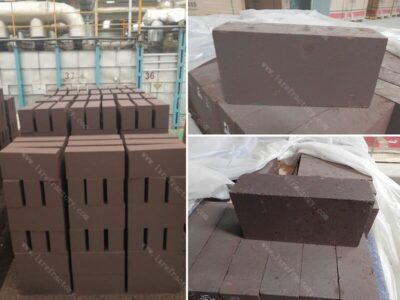
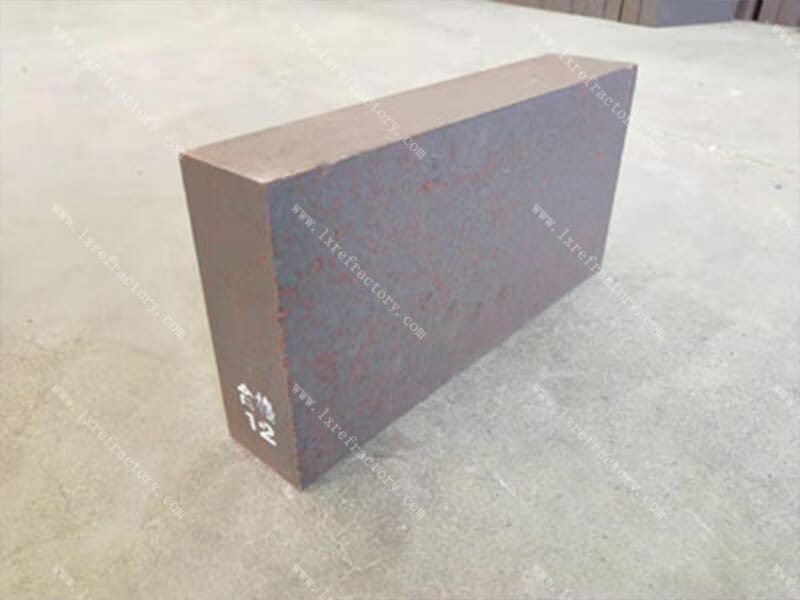
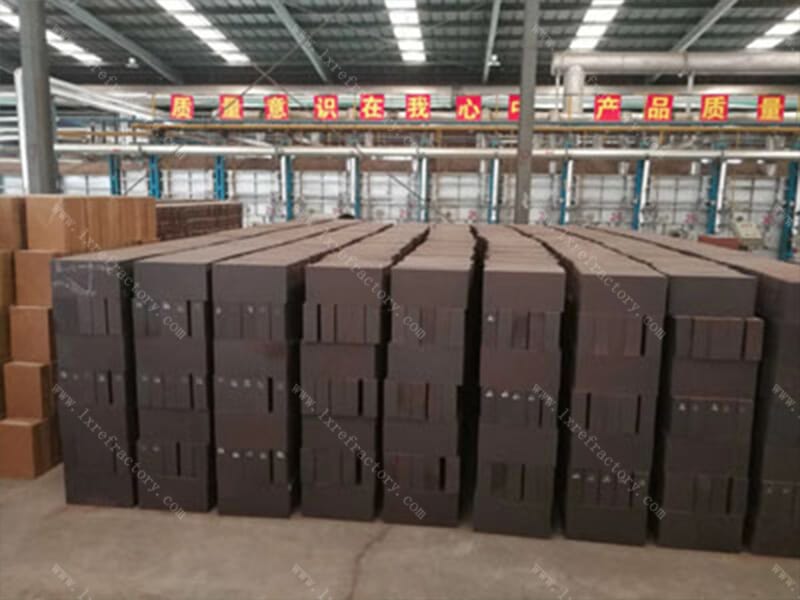
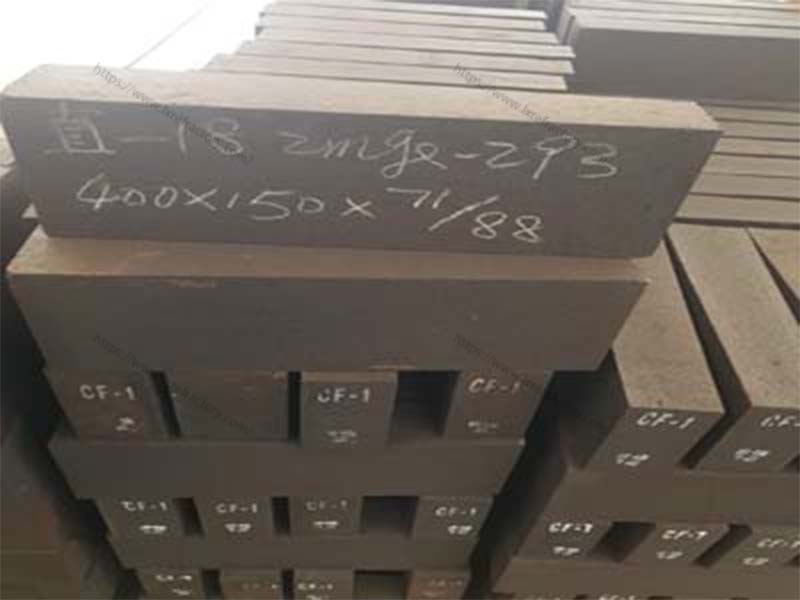
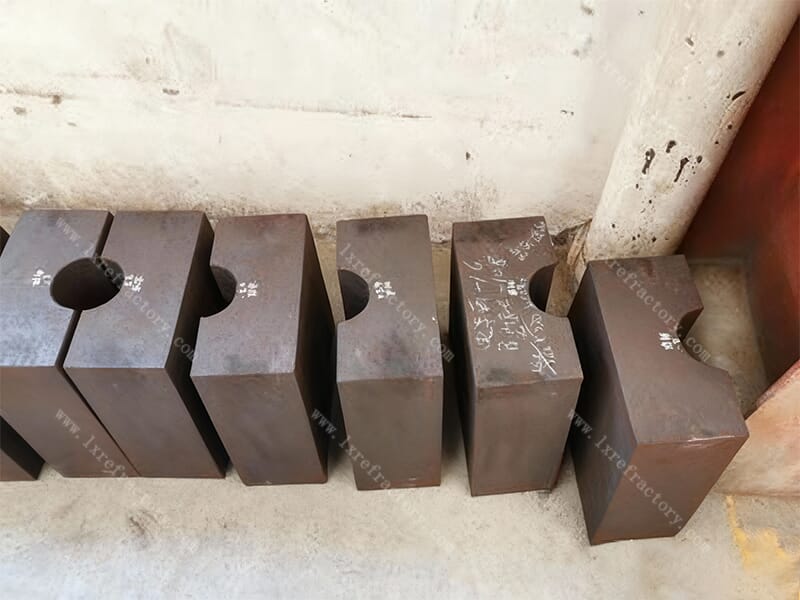
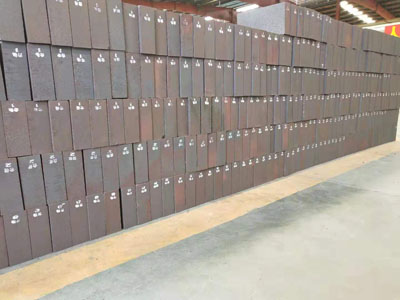
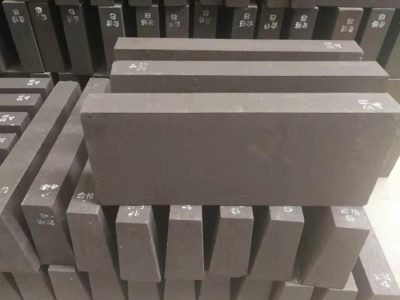
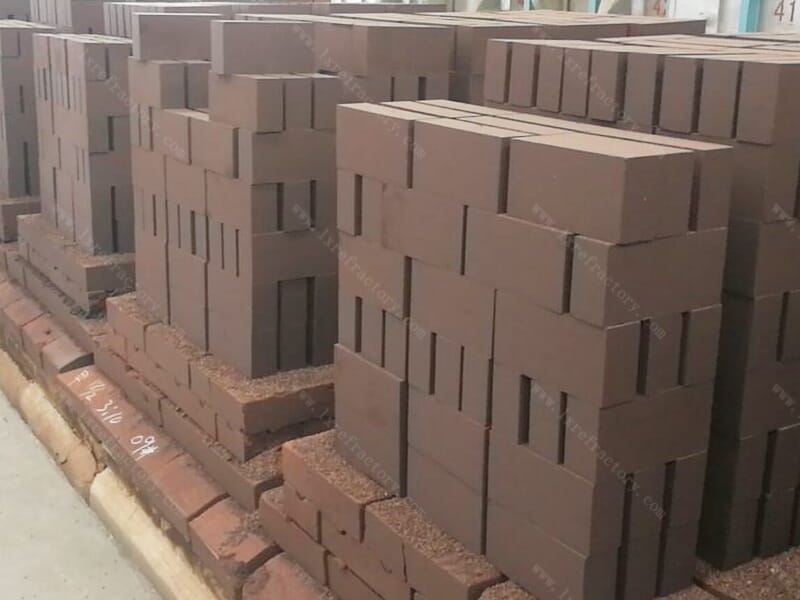
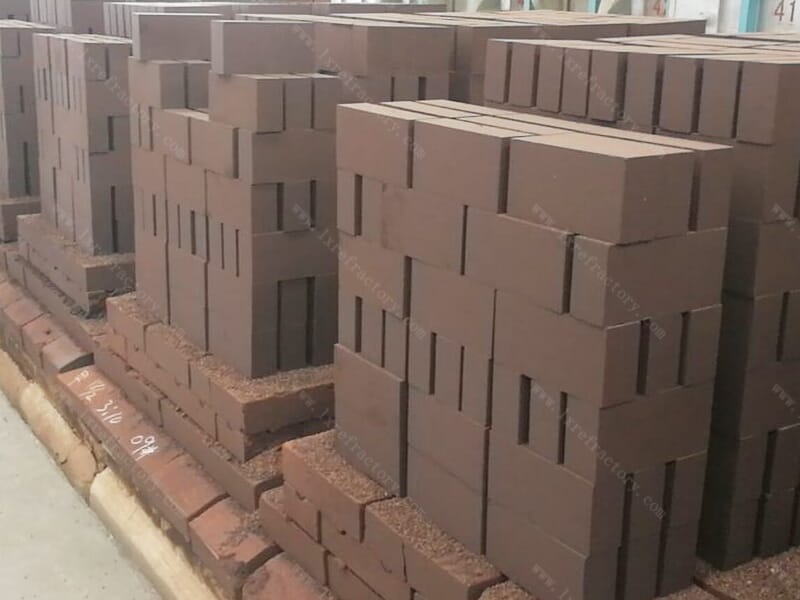
LX Magnesium chrome refractory bricks
The mainstream smelting furnaces are adapted to different focuses.
The core parts of the copper-nickel smelting furnace use fused magnesia-chrome bricks, while the high-temperature zone of the rotary kiln in the lead-zinc smelting furnace uses special phosphate bricks. The secondary parts are all made of suitable low- to mid-range materials to achieve a balance between performance and cost, thus ensuring the efficient and stable operation of non-ferrous metal smelting.