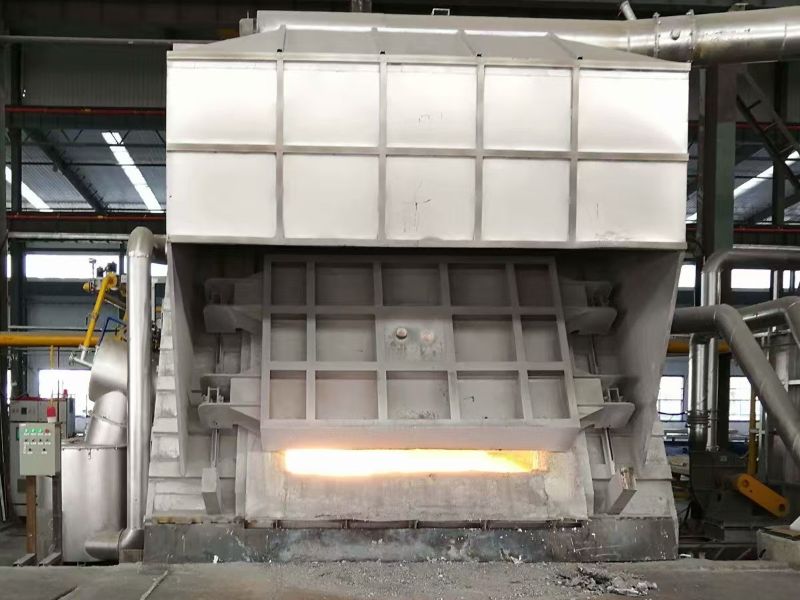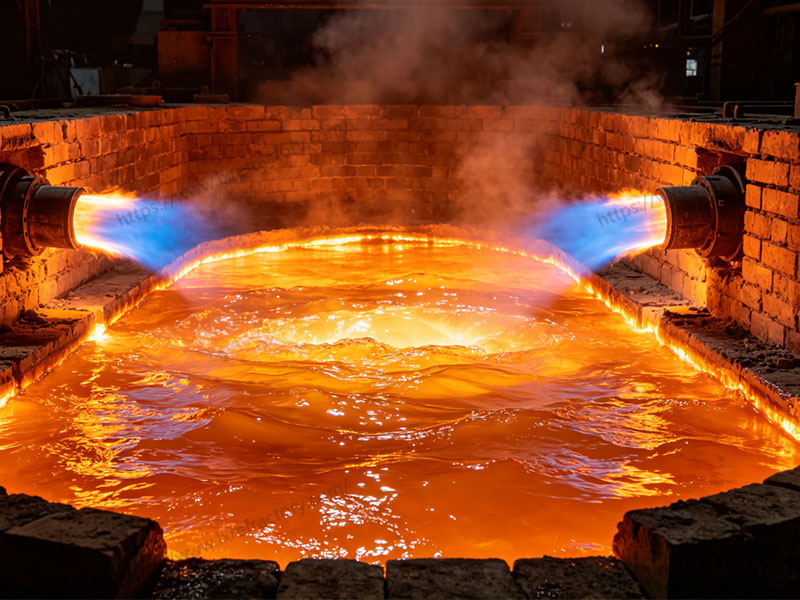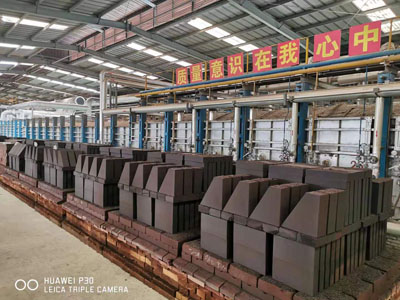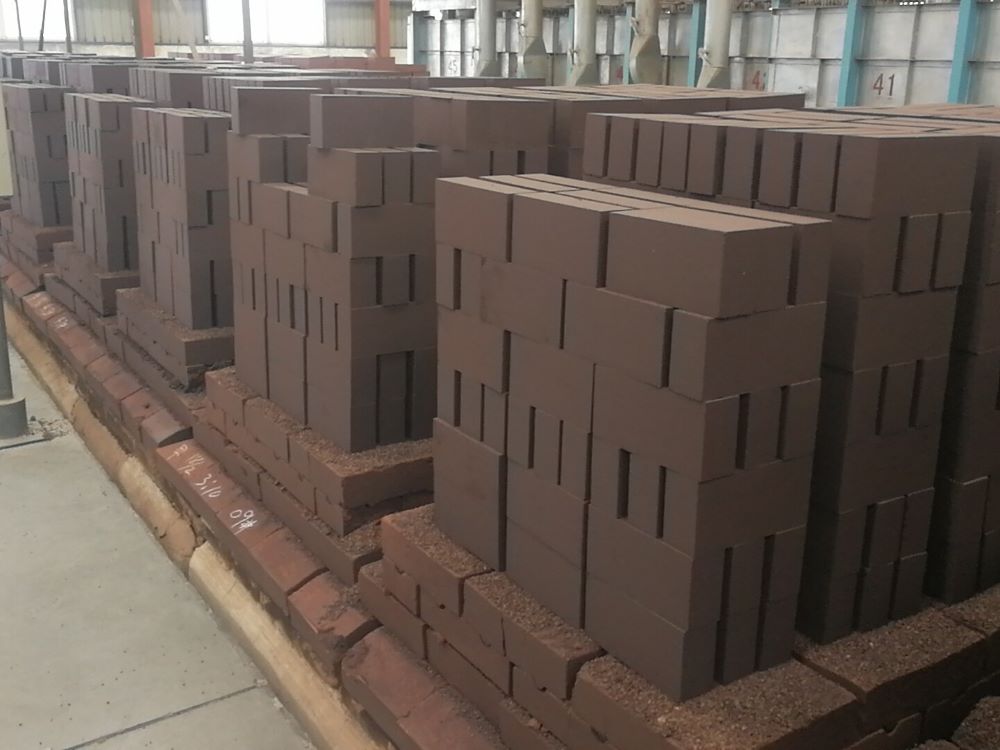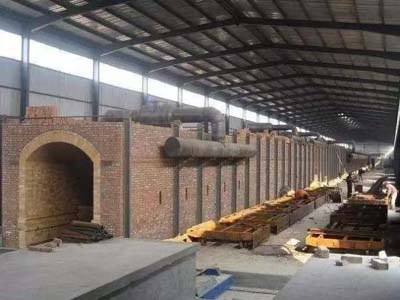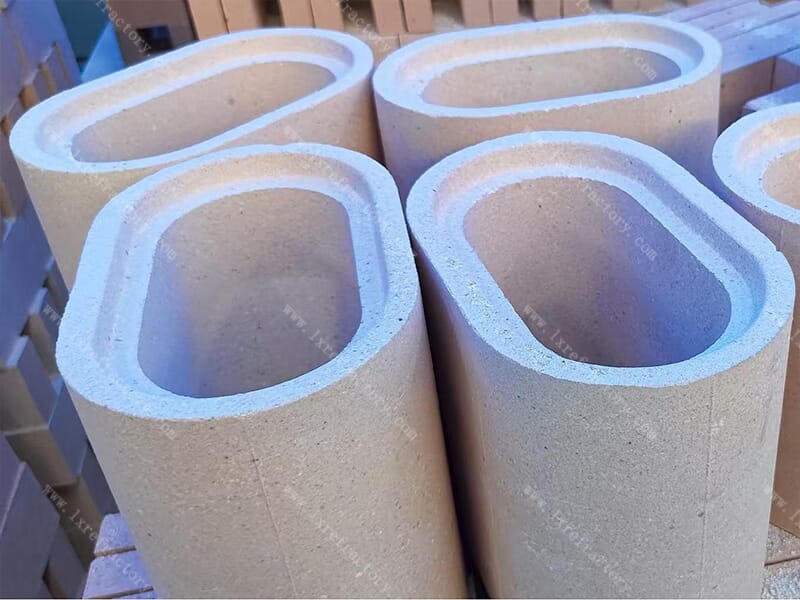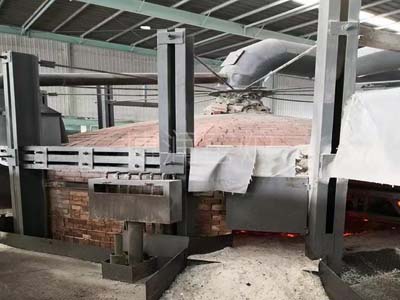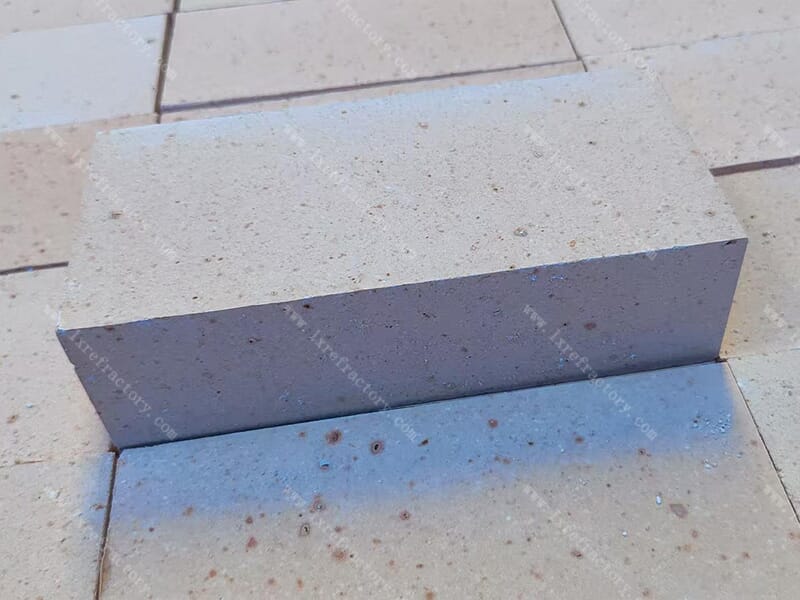
Furnace bricks are the core lining material for kilns in the chemical industry, directly determining the kiln’s service life, production efficiency, and operational safety. Chemical kilns are mainly used for processes such as raw material roasting, decomposition, and synthesis, operating under complex and harsh conditions, commonly involving corrosive media, special atmospheres, and large temperature fluctuations. Therefore, furnace brick selection must adhere to the core principles of “matching operating conditions, controllable cost, and convenient construction,” combined with multi-dimensional precise selection to avoid kiln malfunctions and production losses due to improper material selection.
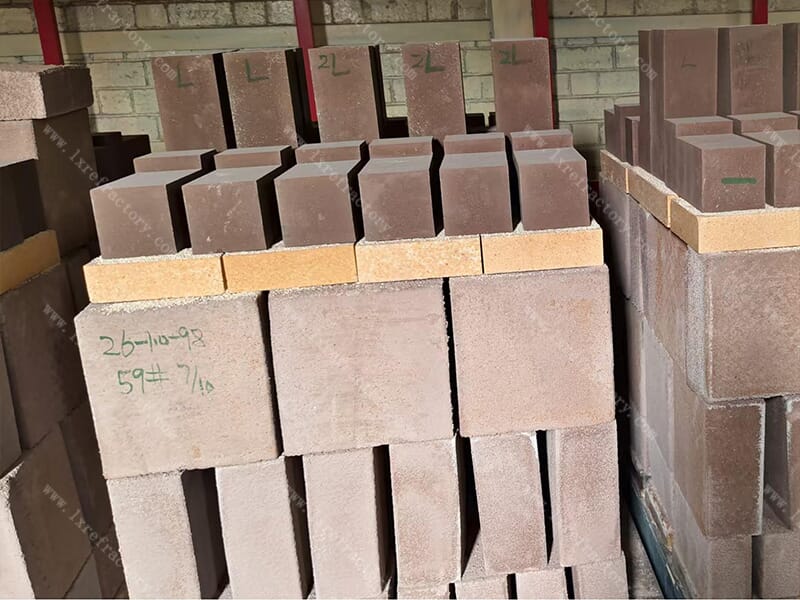
1. Controlling the core operating conditions of the kiln
Accurately controlling the core operating conditions of the kiln is the prerequisite for material selection. Chemical kiln operating conditions vary greatly, requiring the identification of four key parameters to avoid blind material selection.
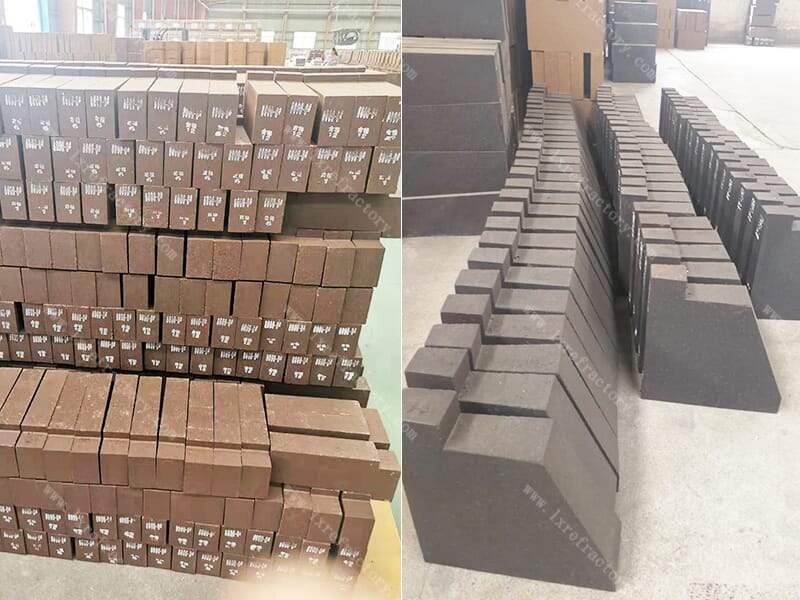
Firstly, the operating temperature. It is necessary to distinguish between long-term operating temperature and short-term extreme temperature. The refractoriness and load softening temperature of the furnace bricks must be 100-200℃ higher than the long-term operating temperature. For example, the long-term temperature of a phosphate fertilizer roasting kiln is 1000-1400℃, requiring the selection of acid-resistant bricks suitable for this temperature range. For calcium carbide furnaces with temperatures reaching 1600-1800℃, carbon bricks or corundum bricks with stronger high-temperature resistance are required.
Secondly, the type of media is crucial. Chemical kilns commonly handle acidic, alkaline, and corrosive media containing fluorine or chlorine, necessitating strict adherence to the “acid-base compatibility” principle. For acidic media, silica bricks and fused silica bricks are preferred; for alkaline media, magnesia bricks and magnesia-alumina spinel bricks are suitable; and for special corrosive media, specialized anti-corrosion materials are required.
Thirdly, the furnace atmosphere is critical. Chemical kilns often contain reducing, oxidizing, or vacuum atmospheres. Reducing atmospheres (such as zinc oxide roasting) require high-purity corundum bricks or graphite products free of iron oxide to prevent redox reactions that could lead to brick pulverization. Oxidizing atmospheres can utilize conventional materials such as high-alumina bricks.
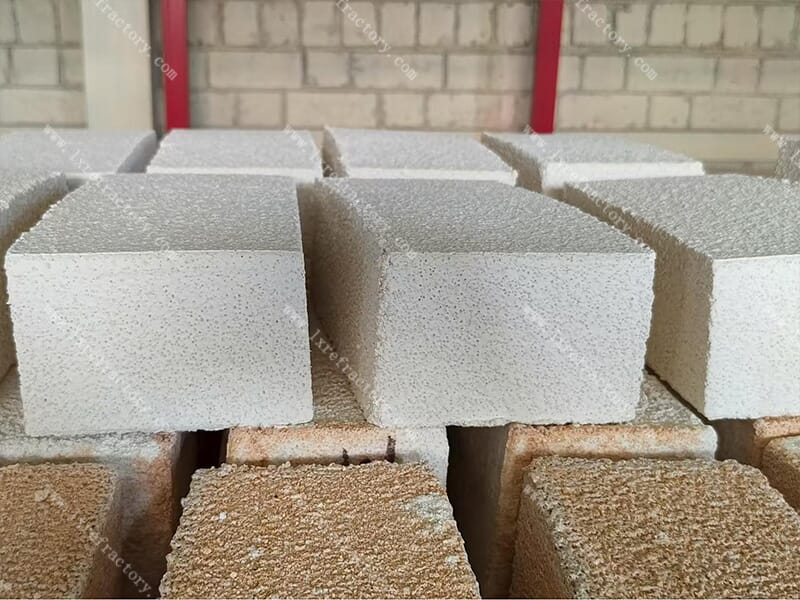
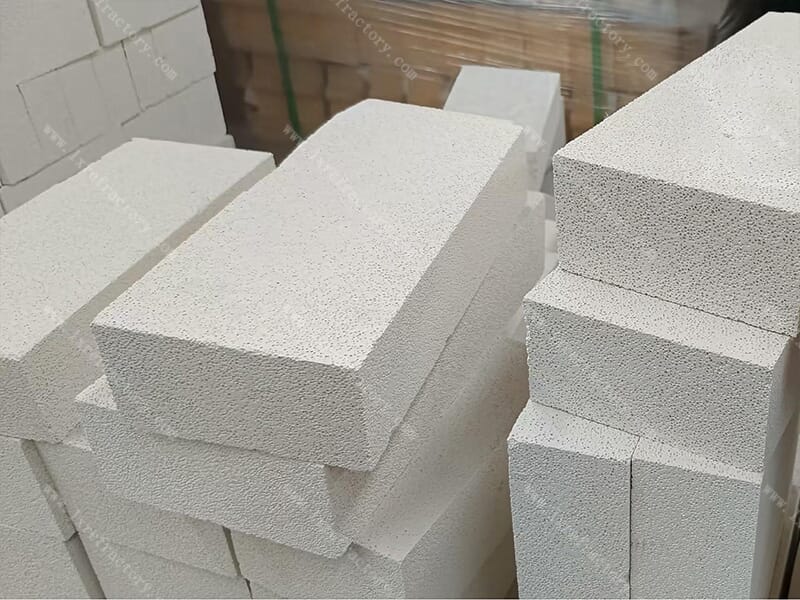
Fourthly, stress and wear conditions must be considered. High-wear-prone areas such as the kiln opening and feed inlet require wear-resistant silicon carbide bricks or corundum-mullite bricks. Load-bearing areas such as the furnace bottom require high-density, high-strength heavy furnace bricks. For insulation areas (furnace wall backfire surface, flue), lightweight clay bricks and lightweight high-alumina bricks are selected, balancing heat insulation and energy saving.
2. Precise material matching
Precisely matching materials according to kiln type and location is the core of material selection. Different types of kilns in the chemical industry have significantly different operating conditions, requiring targeted material selection.
Roasting kilns and decomposition kilns are used for processing raw materials such as alumina and phosphate fertilizer, with temperatures of 1000-1400℃. For acidic media, silica bricks are preferred; for alkaline media, magnesia-alumina bricks are preferred; and for weakly reducing atmospheres, high-alumina bricks (Al₂O₃≥75%) can be used.
Calcium carbide furnaces and yellow phosphorus furnaces are high-temperature electric furnaces, containing both strong reducing atmospheres and corrosive gases. Carbon bricks and magnesia-carbon bricks are used for the furnace bottom and hearth, offering strong corrosion and permeability resistance. Corundum bricks are used for the furnace walls and roof. High-alumina bricks with good insulation are used around the electrodes.
3. Layered selection
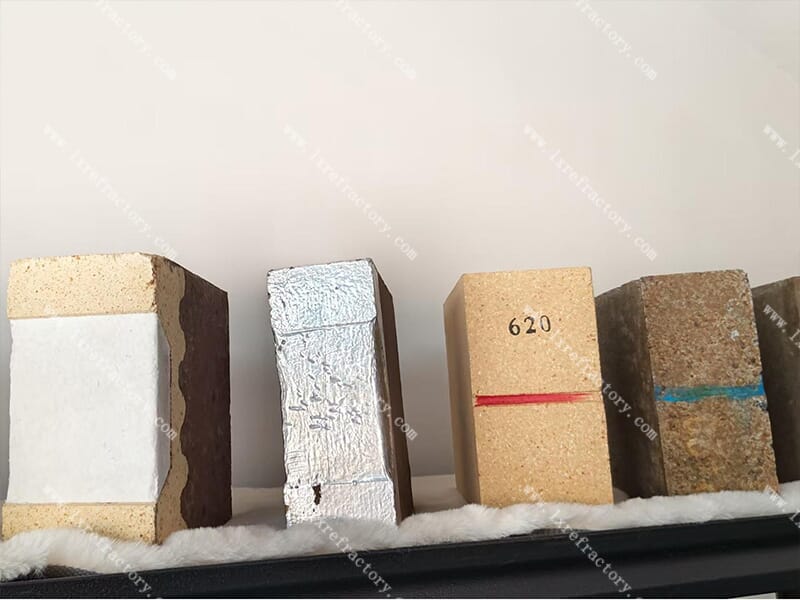
Different parts of the same kiln have vastly different operating conditions, necessitating layered selection. Critical, vulnerable parts (kiln opening, burners, molten pool) require materials that meet all performance standards, considering high-temperature resistance, corrosion resistance, and thermal shock resistance. Core working parts (furnace center, furnace bottom load-bearing area) prioritize high-temperature resistance and corrosion resistance. Auxiliary insulation parts prioritize insulation performance and low cost, and an isolation layer must be added between the insulation material and the furnace bricks on the working surface to prevent insulation material pulverization and contamination of the working surface. Meanwhile, irregularly shaped parts (burners, molten pool) should prioritize refractory castables or precast components, eliminating the need for custom-made irregular bricks, reducing costs and improving construction efficiency.
4. Balancing performance and cost
Balancing performance and cost, and controlling the compatibility with construction and operation, is an important supplement to material selection. Selection should abandon the “material-only” or “price-only” approach, pursuing the lowest overall cost. That is, the optimal sum of initial procurement cost, construction cost, service life, and maintenance cost. To avoid waste caused by using high-grade materials under low operating conditions, and to avoid losses due to frequent replacements and production downtime caused by using low-grade materials under high operating conditions, it is crucial to avoid this. For example, clay bricks are sufficient for low-temperature kilns, eliminating the need for expensive corundum bricks. For critical and vulnerable parts, the material grade can be appropriately upgraded to extend the service life and reduce the number of kiln shutdowns.
5. Construction compatibility
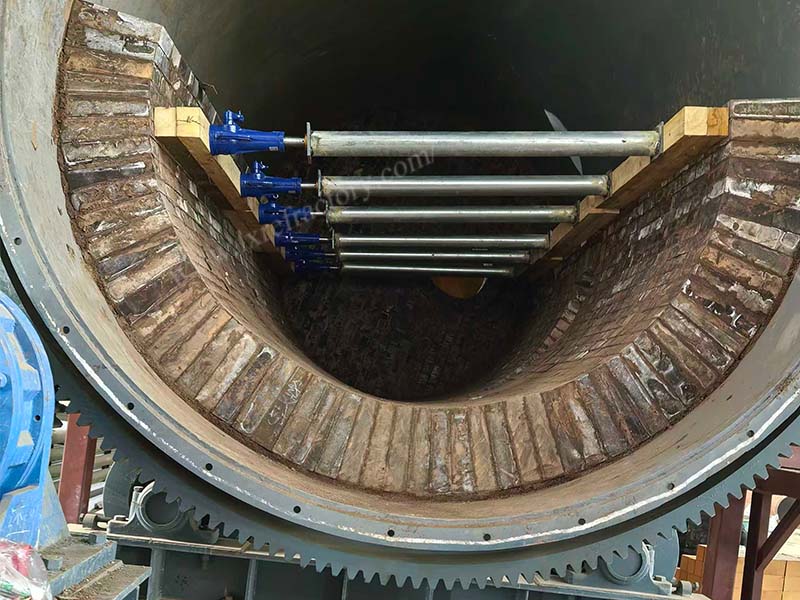
Construction compatibility also needs careful consideration. For regular areas (furnace walls, furnace bottom), pre-fired furnace bricks are preferred due to their standardized production and ease of installation. For emergency repairs, no-bake castable refractory is recommended, eliminating the need for prolonged curing. Simultaneously, the acidity/alkalinity, refractoriness, and coefficient of thermal expansion of the refractory mortar must be completely consistent with the refractory bricks. It is recommended to purchase from the same supplier to ensure the integrity of the installation and prevent brick detachment. Furthermore, attention must be paid to the storage and maintenance of furnace bricks. Storage must be moisture-proof and collision-proof, and silica bricks must be strictly waterproof. Before the kiln is put into operation, it must be baked as required to prevent cracking caused by sudden temperature increases. During operation and maintenance, vulnerable parts should be inspected regularly, and any damaged parts should be replaced promptly.
6. Avoiding Common Selection Pitfalls
Finally, it is crucial to avoid common selection pitfalls to ensure scientific selection. First, avoid ignoring media corrosion and blindly selecting general-purpose materials, leading to rapid erosion and failure of the bricks. Second, avoid ignoring the influence of the atmosphere; using materials containing iron oxide in reducing atmospheres will cause brick pulverization. Third, avoid neglecting construction compatibility, mixing refractory bricks and refractory mortar of different specifications and materials. Fourth, avoid excessively pursuing low costs at the expense of material performance, increasing later maintenance costs.
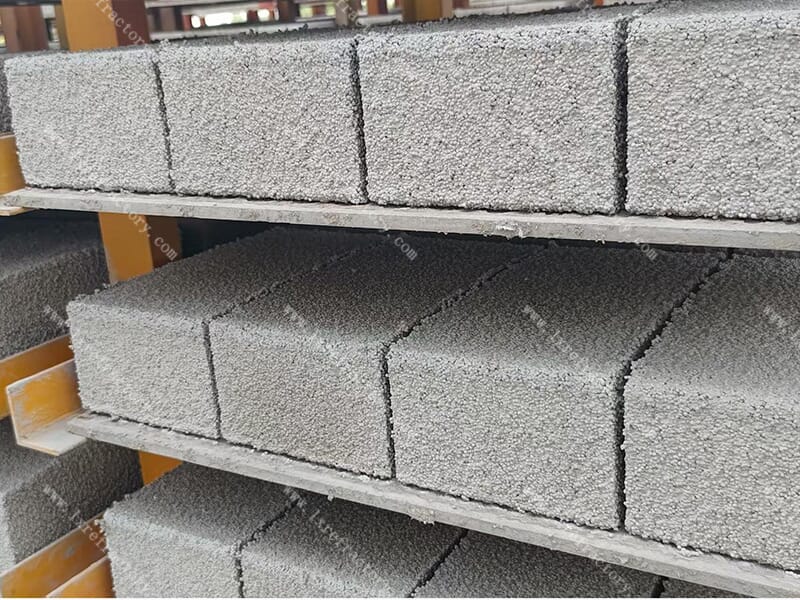
In summary, the selection of furnace bricks for kilns in the chemical industry must be based on the core operating conditions, accurately matching materials to locations, balancing performance and cost, controlling construction and maintenance details, and avoiding common pitfalls. Only by achieving “operating condition compatibility, location compatibility, and cost compatibility” can the service life of the kiln be maximized, production costs reduced, and the safe and stable operation of chemical production ensured.