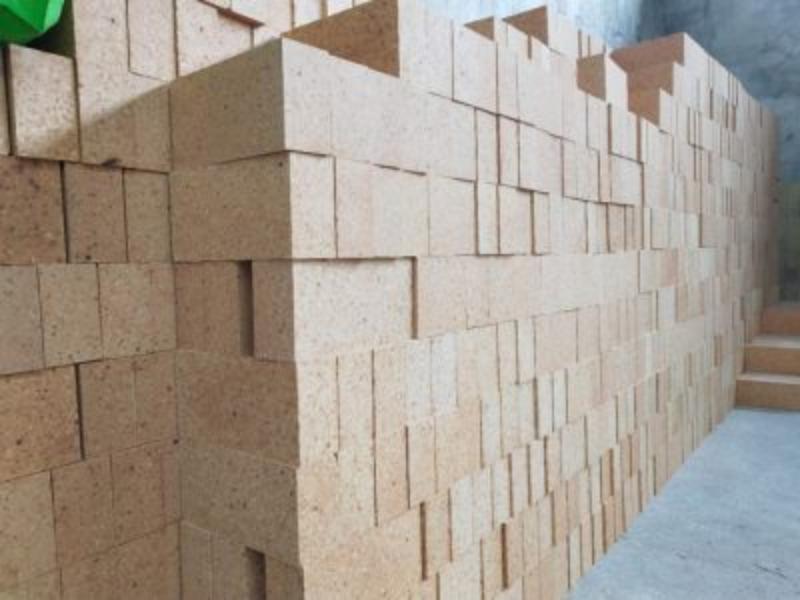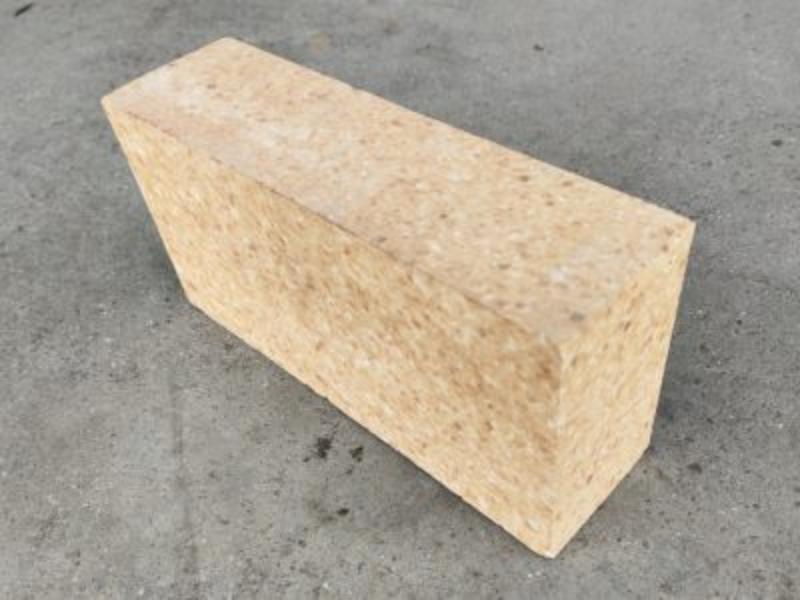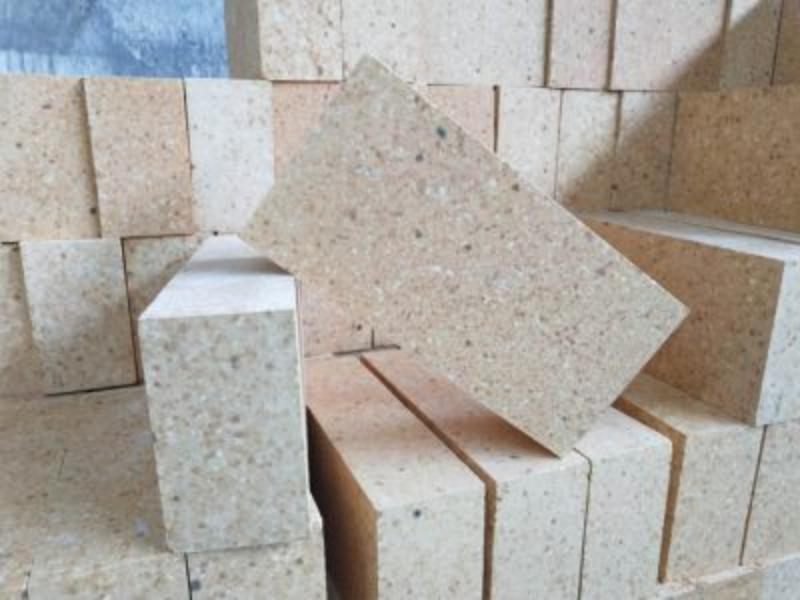
Sintered zirconia-corundum bricks and fused zirconia-corundum bricks are two key refractory materials used in glass furnaces. Despite similar chemical compositions, fundamentally different manufacturing processes result in significant differences in their microstructure and performance.
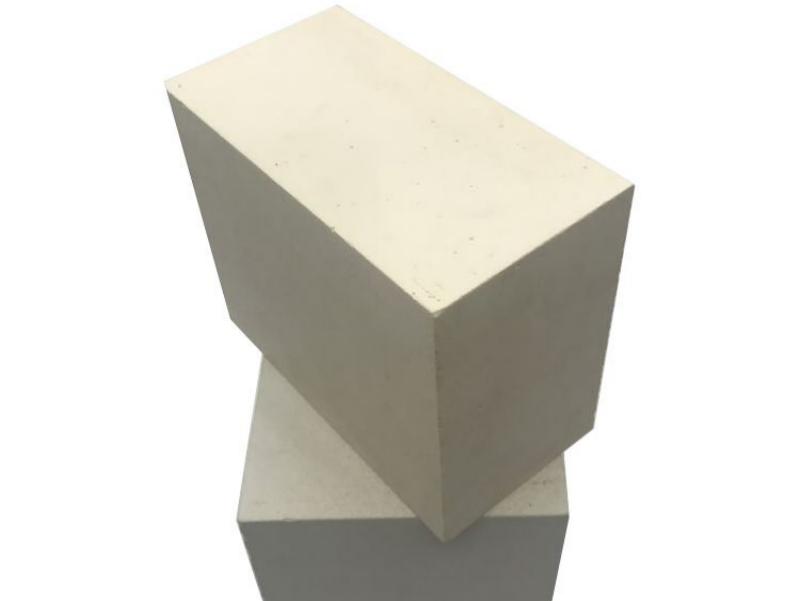
From a manufacturing perspective, sintered zirconia-corundum bricks follow the traditional ceramic process. It involves mixing carefully selected fine powders of alumina, zirconium oxide, etc., followed by high-pressure molding and solid-state sintering at high temperatures. During this process, the raw material particles diffuse and bond to form a dense ceramic body. Fused zirconia-corundum bricks, on the other hand, utilize an electrofusion process, completely melting the raw materials into a liquid state in an electric arc furnace, then pouring them into molds for cooling and solidification. This “liquid-to-solid” transformation determines its unique crystalline structure.
This difference in manufacturing processes results in two distinctly different microstructures. Sintered bricks have a uniform structure with no shrinkage cavities, but contain a certain amount of open pores. Its zirconia grains are fine and uniformly distributed, accompanied by microcracks caused by phase transformation. These cracks effectively buffer thermal stress, giving the material excellent thermal shock resistance. In contrast, fused zirconia bricks have an extremely dense structure and very low porosity, which is the physical basis for their strong erosion resistance. However, shrinkage cavities inevitably form during solidification, and these macroscopic defects are usually concentrated at the top of the casting. In addition, its glass phase content is relatively high, filling the spaces between the corundum skeleton.
In terms of performance, fused zirconia-corundum bricks, with their extremely low porosity and dense corundum-zirconia eutectic structure, offer top-tier resistance to erosion from high-temperature molten glass, making them the first choice for resisting chemical erosion. While sintered bricks are slightly less erosion-resistant, their excellent thermal shock resistance allows them to withstand more frequent temperature fluctuations without easily cracking.
Therefore, their applications are clearly differentiated: fused zirconia-corundum bricks are used in the tank walls and flow channels of glass furnaces, where they are most severely affected by direct erosion and corrosion from molten glass. Sintered zirconia-corundum bricks are mainly used in upper structures and regenerators where temperature changes are drastic, offering both performance and cost-effectiveness. In actual material selection, the advantages and disadvantages must be weighed according to the working environment of different parts of the kiln to achieve the best service life and economic benefits.