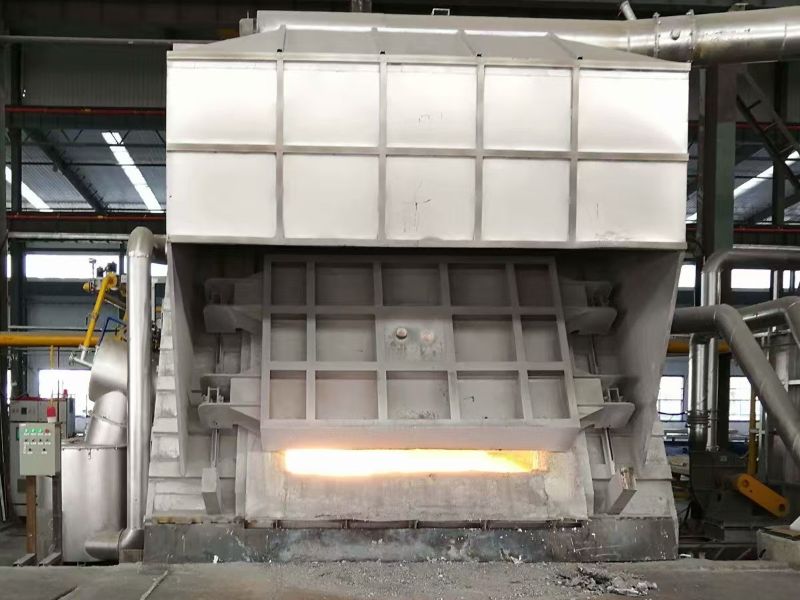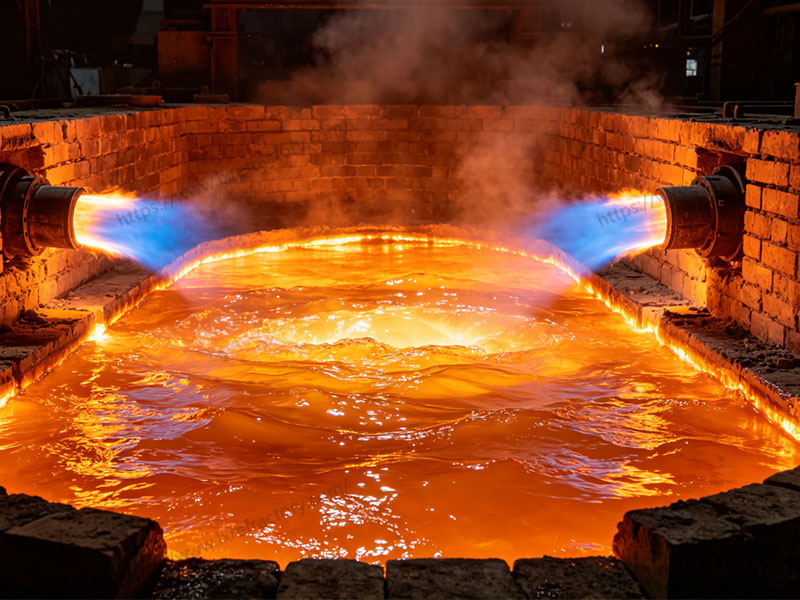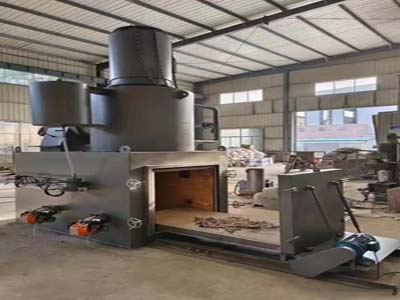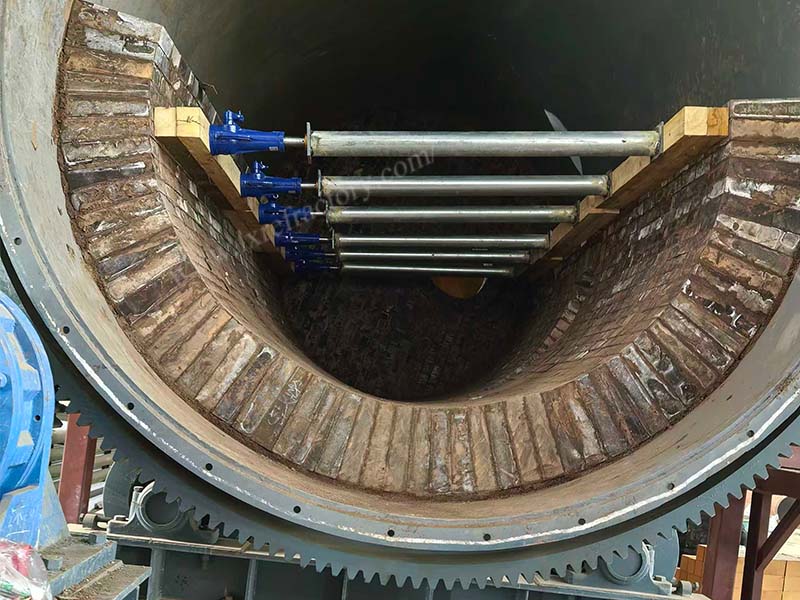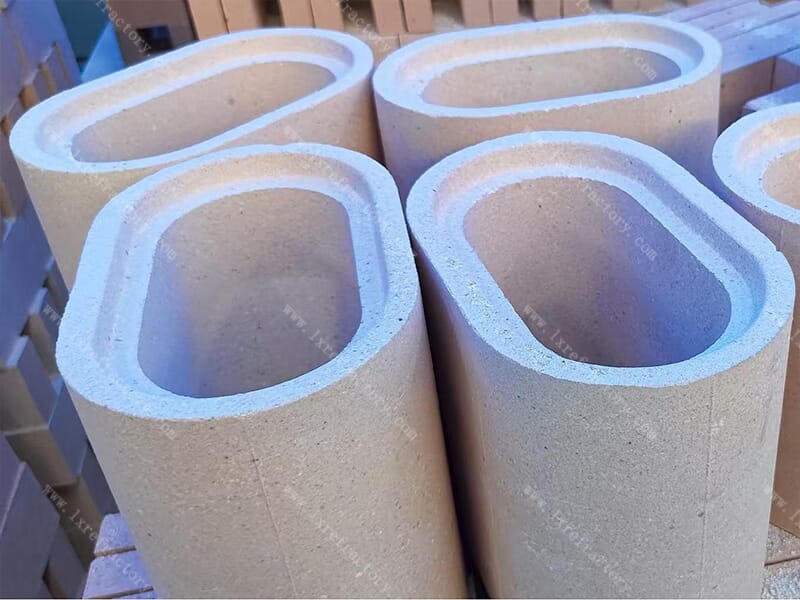
When it comes to high-heat applications, choosing the right regular refractory material is essential for ensuring the longevity and efficiency of your equipment. Whether you are dealing with industrial furnaces, kilns, or other high-temperature processing equipment, selecting the appropriate refractory material can make a significant difference in the overall performance and maintenance of your system.
There are several factors to consider when choosing the right regular refractory for your high-heat needs. These factors include the operating temperature, thermal conductivity, chemical resistance, mechanical strength, and installation requirements. Let’s take a look at some of the key considerations to keep in mind when selecting a regular refractory material for your specific application.
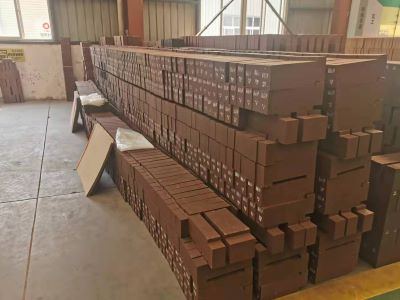
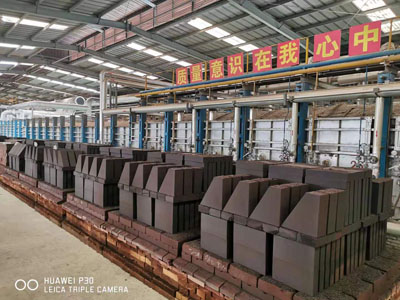
Fused rebonded magnesia-chrome bricks
One of the most critical factors to consider is the operating temperature of your equipment. Different refractory materials have different temperature limits, and it is essential to choose a material that can withstand the high temperatures of your operation without cracking or deforming. For example, if you are operating a furnace at temperatures exceeding 2500°F, you will need a high-temperature refractory material such as fireclay or silica. It is important to consult with a refractory expert to ensure that the selected material can handle the specific temperature requirements of your application.
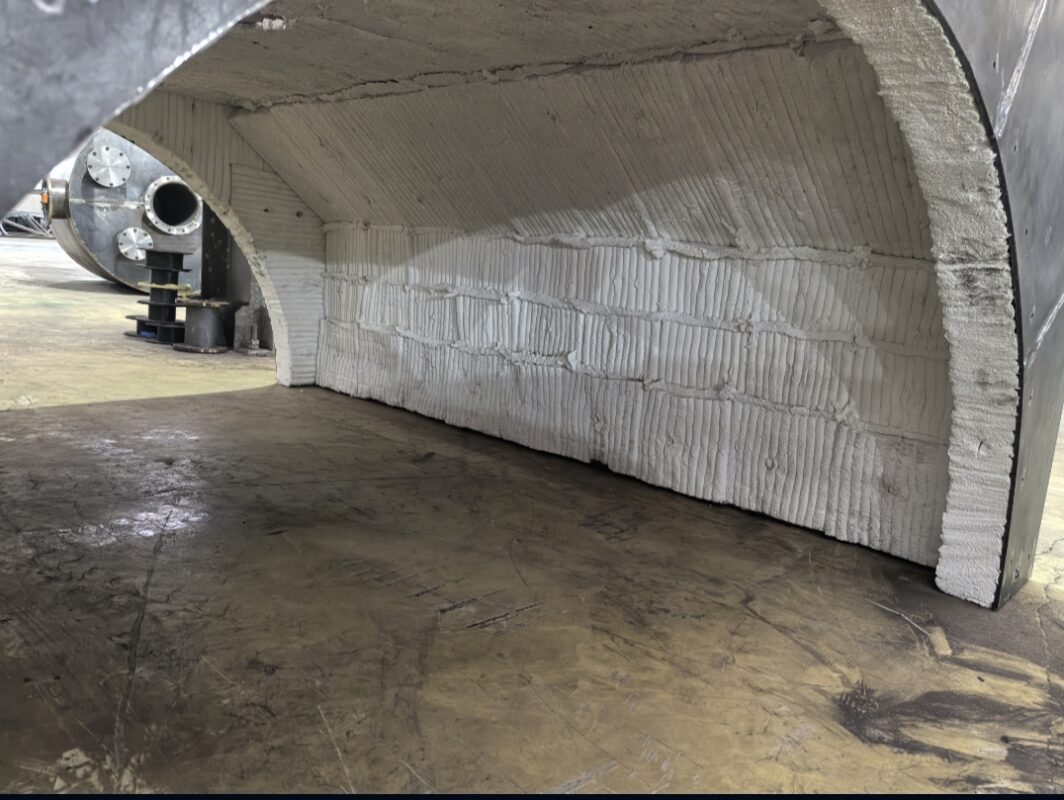
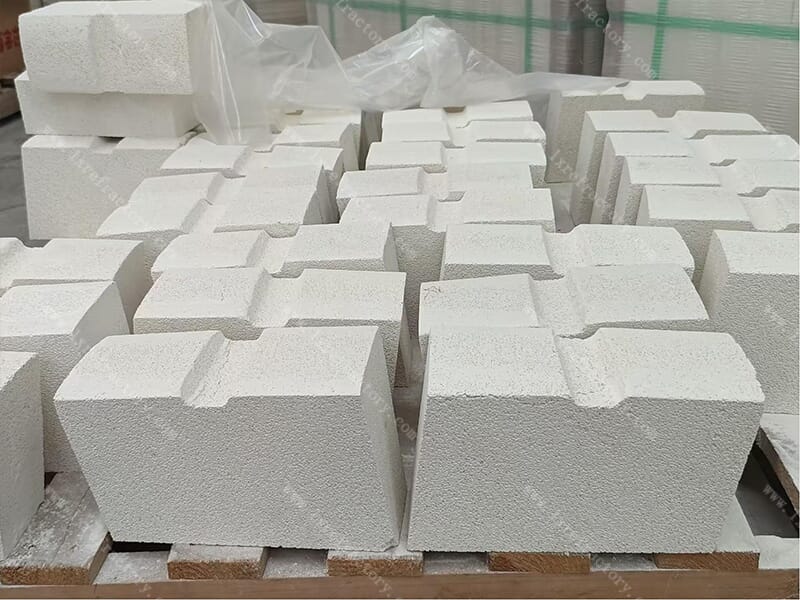
Thermal conductivity is another important consideration when choosing a regular refractory material. High-heat applications require materials with low thermal conductivity to minimize heat loss and ensure efficient energy use. Materials such as insulating firebricks or ceramic fiber products are excellent choices for applications where thermal insulation is essential.
Chemical resistance is also a crucial factor to consider, especially in applications where the refractory material comes into contact with corrosive or reactive substances. Depending on the specific chemical environment, you may need to select a material with excellent resistance to acids, alkalis, or other corrosive agents. Refractory materials such as alumina or magnesia are known for their exceptional chemical resistance and are often used in high-heat applications where exposure to harsh chemicals is a concern.
In addition to temperature resistance and chemical resistance, mechanical strength is another key consideration when choosing a regular refractory material. High-heat operations can subject refractory materials to significant thermal and mechanical stresses, and it is essential to select a material with sufficient strength to withstand these forces without cracking or breaking. Materials such as fireclay, insulating firebricks, and dense castables are known for their excellent mechanical strength and are often used in high-heat applications where durability is critical.
Finally, it is crucial to consider the installation requirements of the refractory material. Some materials may require specialized installation techniques or equipment, so it is essential to choose a material that aligns with your specific installation capabilities and requirements. Additionally, it is important to consider the ease of maintenance and repair when selecting a regular refractory material for your high-heat application.
In conclusion, choosing the right regular refractory material for your high-heat needs is a critical decision that can have a significant impact on the performance and longevity of your equipment. By considering factors such as operating temperature, thermal conductivity, chemical resistance, mechanical strength, and installation requirements, you can select a refractory material that meets the unique demands of your specific application. Consulting with a refractory expert can provide valuable insights and guidance to ensure that you select the most suitable material for your high-heat needs.