1.The quality of magnesia bricks themselves: the basic premise for determining service life
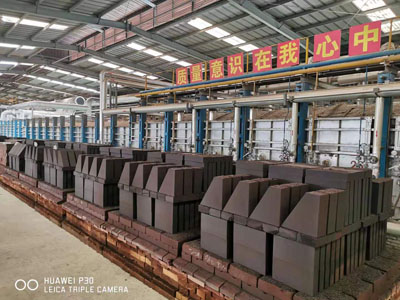
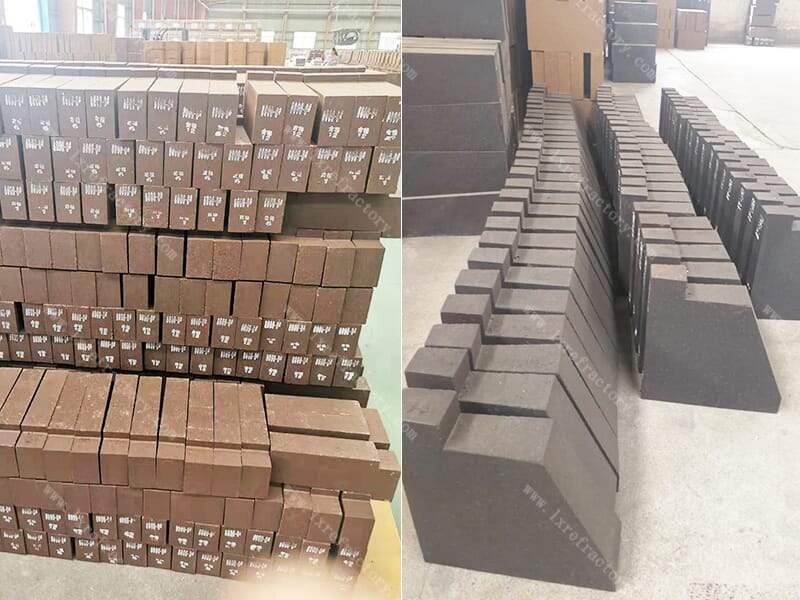
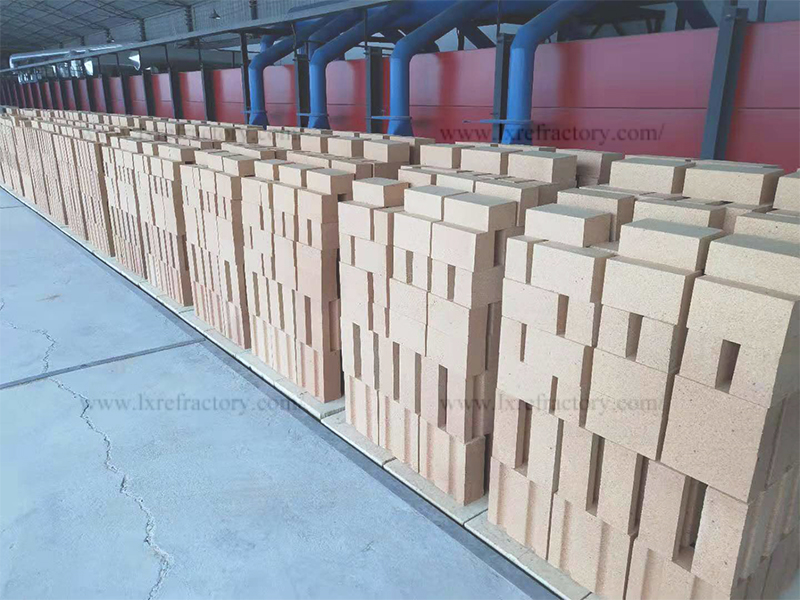
The service life of magnesia bricks is directly linked to their quality. The core factors influencing the service life are raw material purity, production process, and structural density. High-purity magnesia raw materials can enhance the brick’s high-temperature and corrosion resistance. However, excessive levels of impurities (such as silicon and calcium) in the raw materials can form low-melting-point compounds at high temperatures, accelerating the softening and breakage of the brick. Advanced molding processes (such as isostatic pressing) can increase brick density, reduce internal porosity, and prevent penetration and erosion by high-temperature gases or molten materials. However, insufficient firing temperatures or holding times can lead to incomplete crystallization of the brick, reduced mechanical strength, and increased risk of cracking and spalling during use.Therefore, selecting high-purity magnesia bricks produced by reputable manufacturers and meeting industry standards is the primary step in extending their service life.

Magnesia bricks
2.Operating Environment: A Key Variable Affecting Service Life
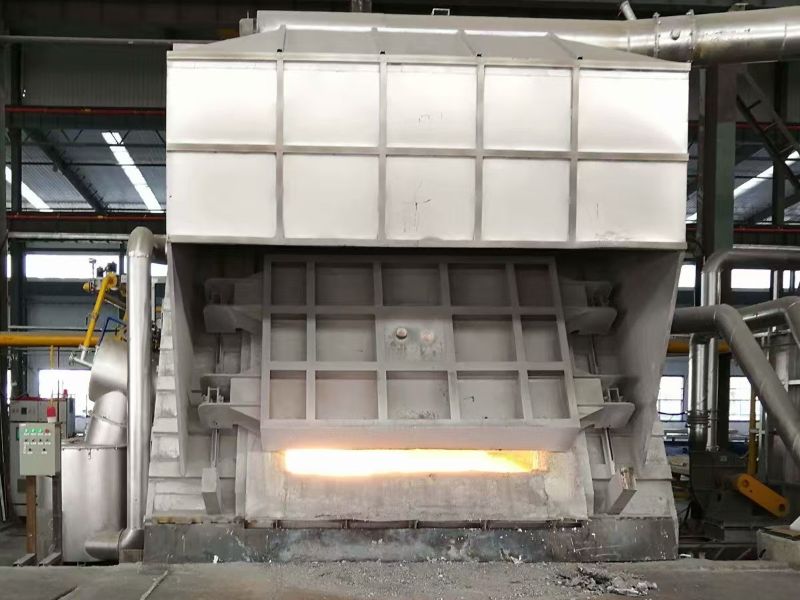
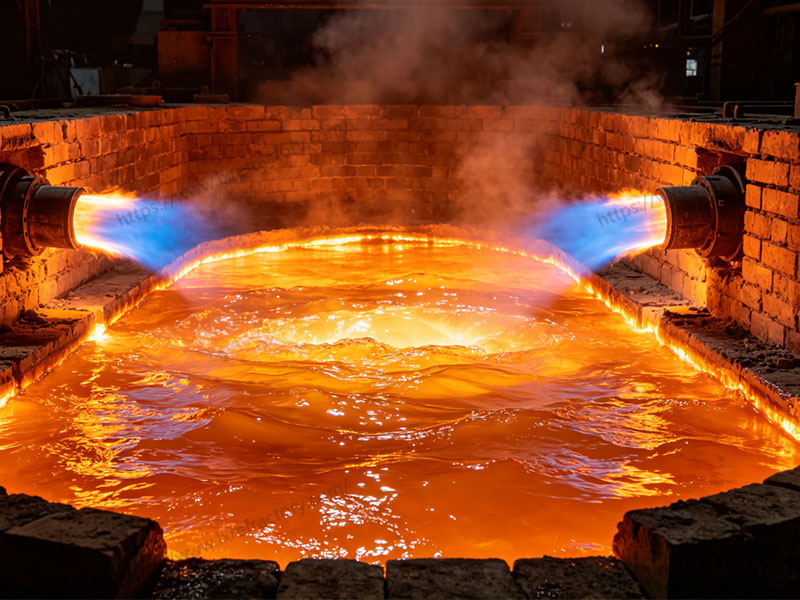
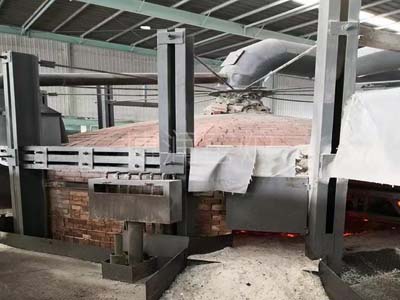
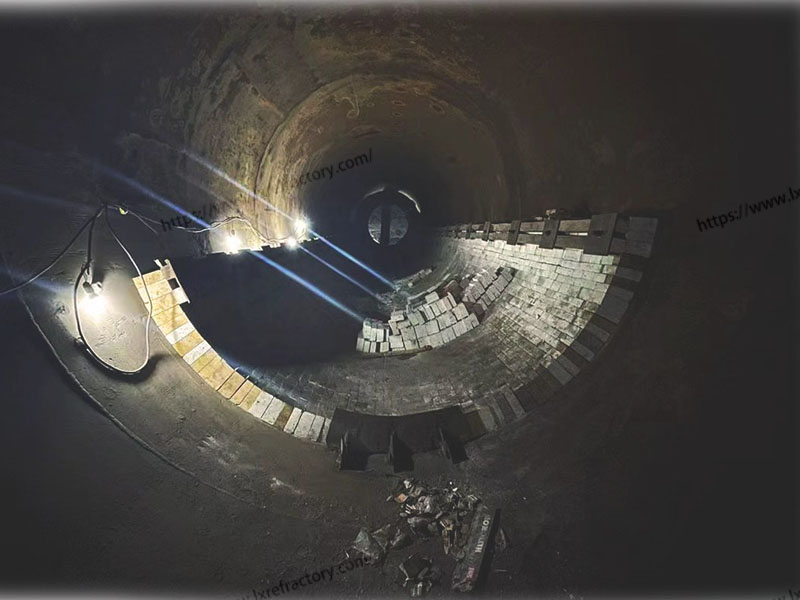
The environmental conditions in which magnesia bricks are used (such as steelmaking converters and cement rotary kilns) are crucial variables affecting their service life. These factors primarily include temperature fluctuations, media erosion, and mechanical impact. Sudden temperature fluctuations can cause uneven thermal expansion and contraction of the bricks, generating thermal stresses that can easily lead to cracks. Molten metal, slag, and harmful gases (such as CO and SO₂) in the operating environment can chemically react with the magnesia bricks, damaging their structure. For example, the acidic components in slag react with the MgO in the bricks to form compounds that easily break off. Furthermore, mechanical forces such as material impact and equipment vibration can directly cause surface wear or localized cracking of the bricks. This is particularly true in vulnerable areas such as kiln corners and discharge ports, where the rate of wear is significantly accelerated.
3. Installation and Maintenance: Key to Extending Service Life
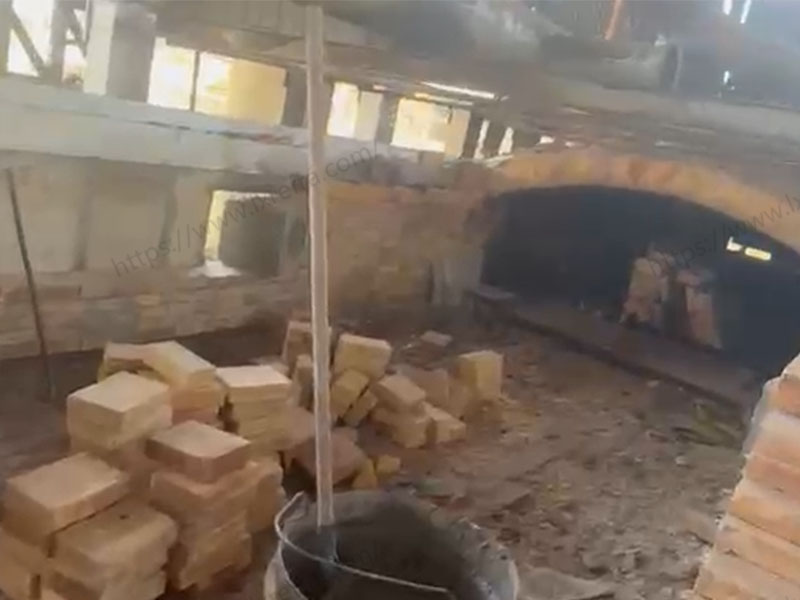
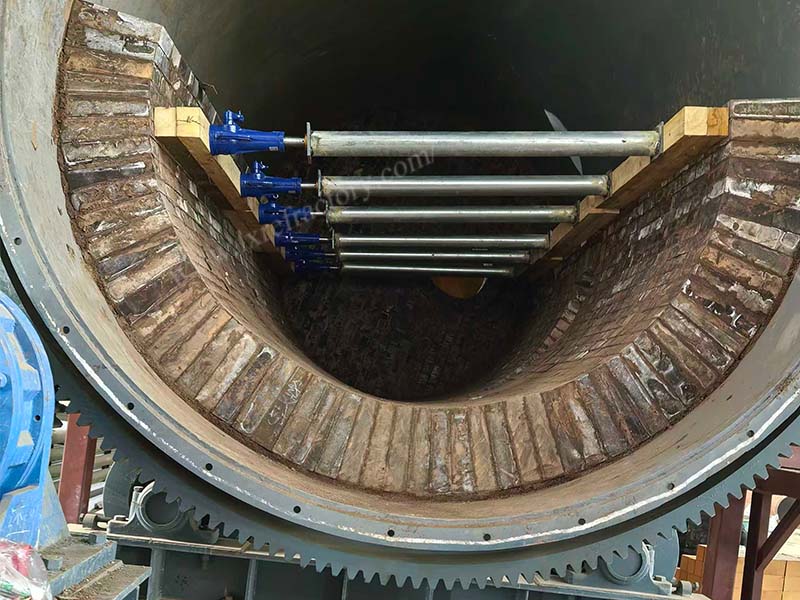
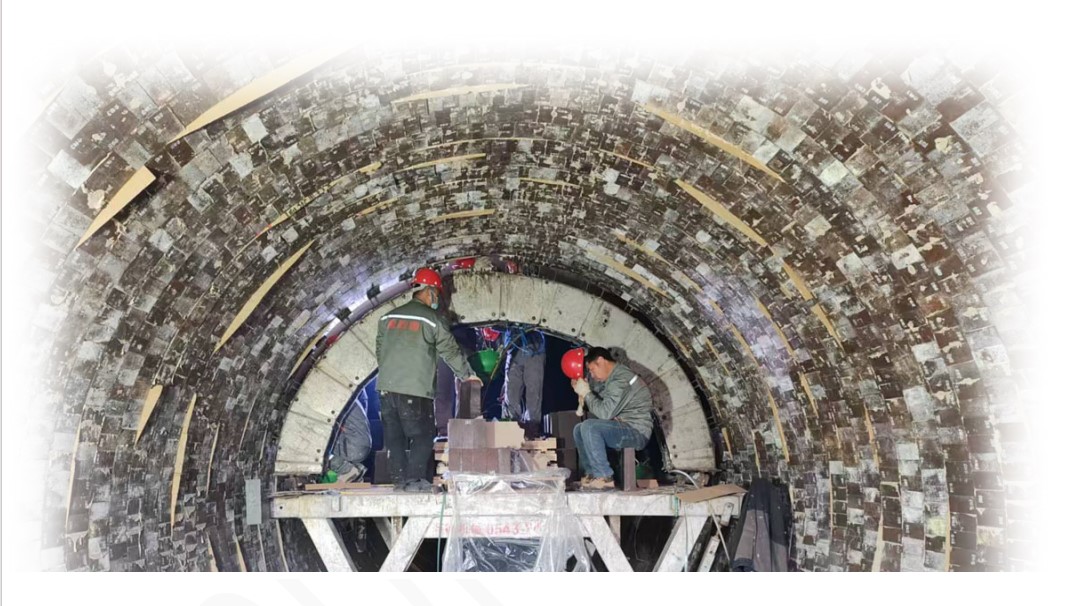
Standardized installation procedures and scientific maintenance practices can effectively extend the service life of magnesia bricks; failure to do so can shorten their lifespan.Failure to fill brick joints tightly or lay the bricks unevenly during installation can allow high-temperature media to penetrate through the gaps, causing premature damage to the bricks. Failure to provide appropriate expansion joints based on the thermal expansion characteristics of magnesia bricks during installation can lead to cracking due to expansion and compression at high temperatures. During routine maintenance, regularly inspect the surface of magnesia bricks for peeling and cracking, and promptly remove any attached slag. Adjust the furnace temperature appropriately based on usage to avoid prolonged overheating. These practices can minimize wear and tear on magnesia bricks and extend their service life.