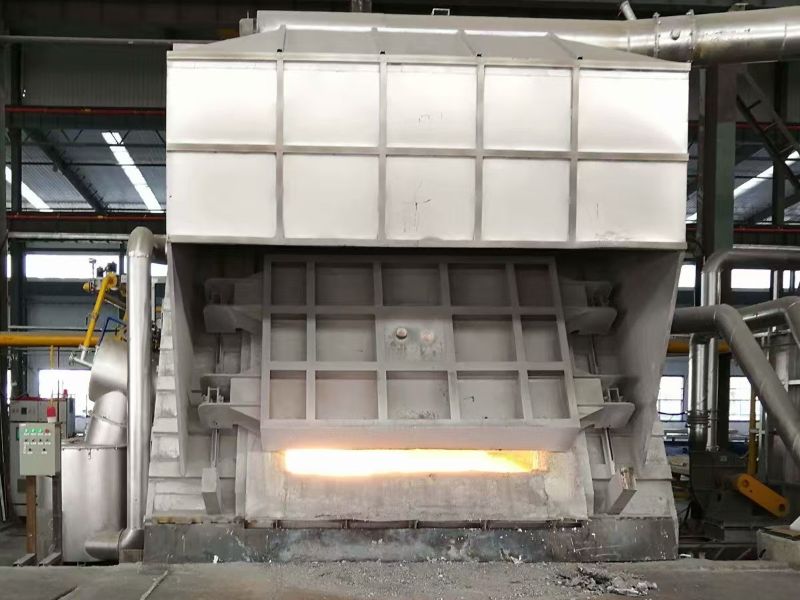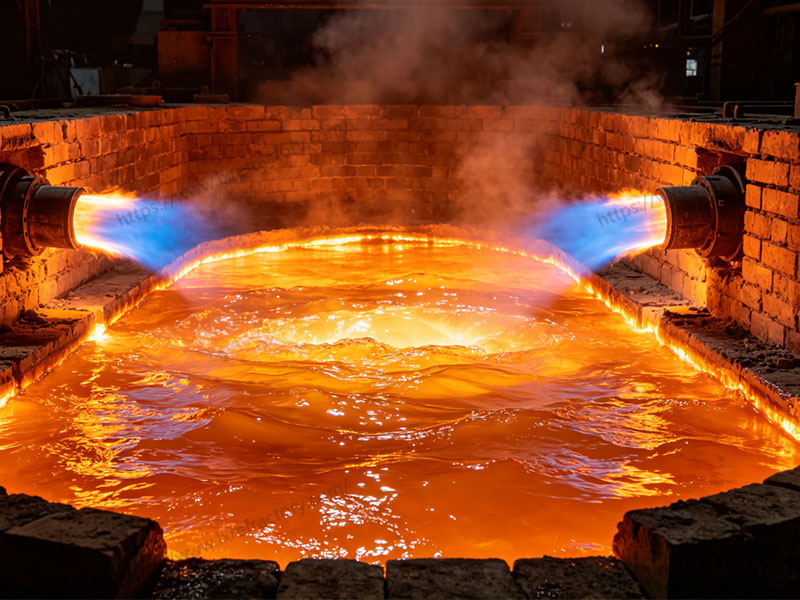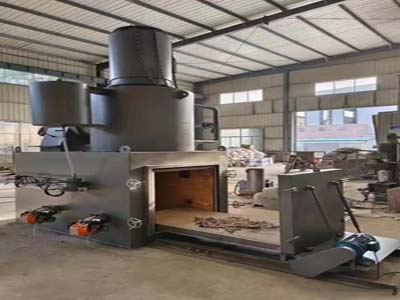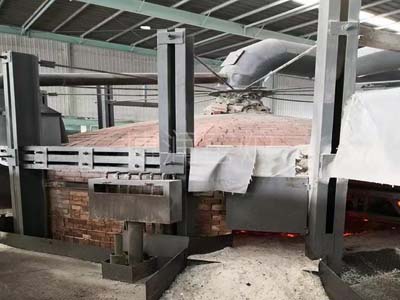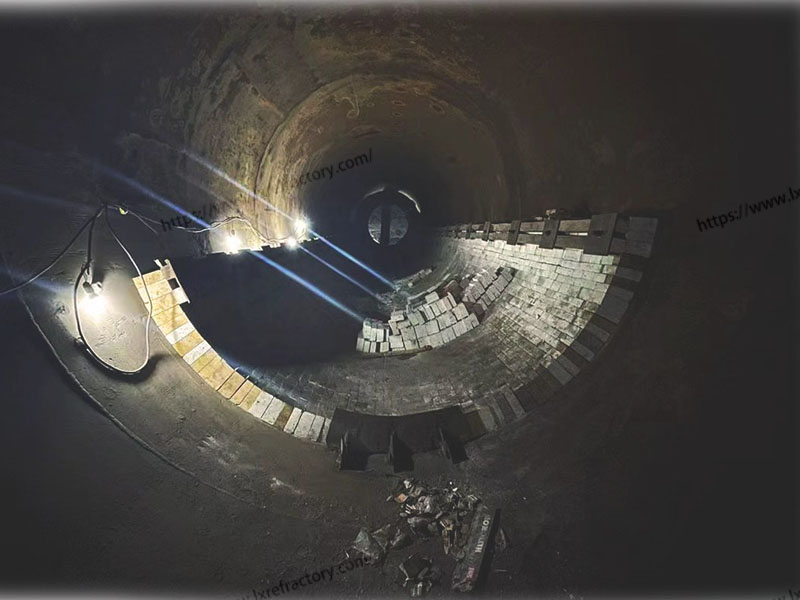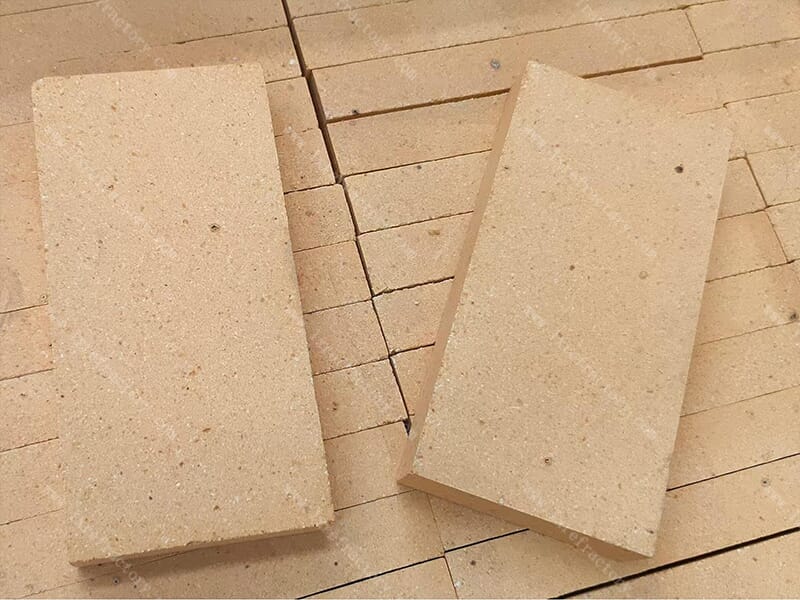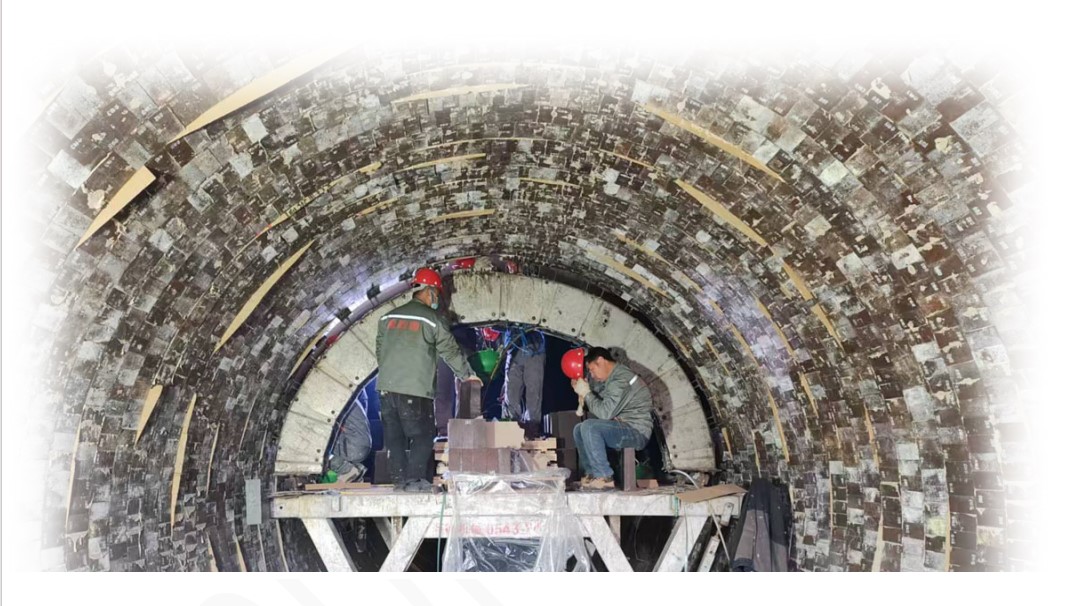
Refractories are crucial components in a variety of industrial processes, including the production of steel, cement, glass, and ceramics. They are used to line high-temperature furnaces, kilns, and other equipment where materials are melted, heated, or processed. In these environments, refractories are exposed to extreme temperatures, aggressive chemical reactions, and mechanical stresses, so they must possess specific properties to withstand these conditions.
Regular refractories, also known as traditional or basic refractories, have been used for centuries in various industrial applications. Understanding the fundamentals of regular refractories is essential for engineers working in industries where these materials are employed. This knowledge is instrumental in selecting the most suitable refractory materials for specific applications, designing efficient refractory linings, and ensuring the longevity and performance of refractory systems.
Fundamental Properties of Regular Refractories
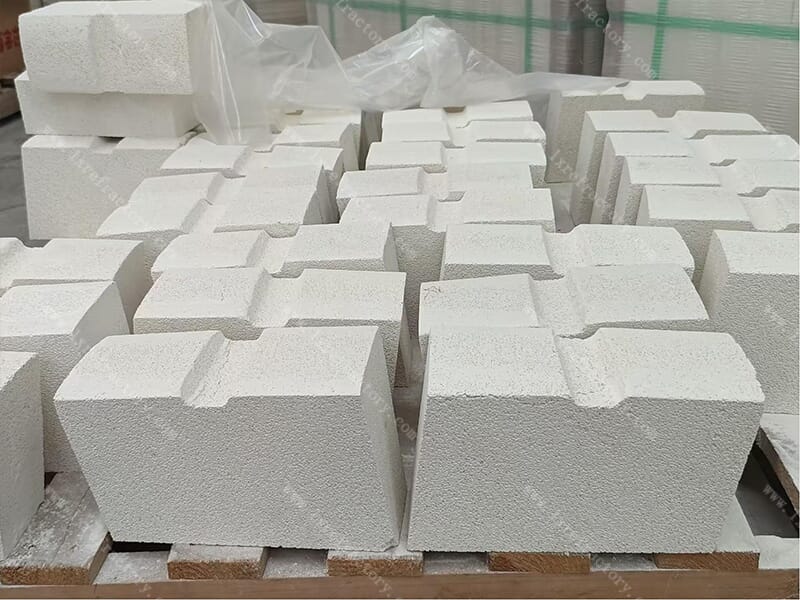
Regular refractories are primarily composed of basic oxides such as magnesium oxide (MgO), calcium oxide (CaO), and aluminum oxide (Al2O3). These materials impart essential properties to regular refractories, including high resistance to high temperatures, chemical stability, and thermal shock resistance. Regular refractories are further classified into acidic, basic, and neutral types based on their chemical composition and behavior in different environments.
Acidic refractories, such as silica (SiO2) and fireclay refractories, are suitable for applications where they come into contact with acidic materials, like slags and fumes. They exhibit excellent resistance to acidic corrosion and have low thermal conductivity. Basic refractories, featuring high levels of basic oxides, are used in alkaline environments and are resistant to alkaline corrosion. They are highly stable at high temperatures and are commonly used in steelmaking and cement manufacturing. Neutral refractories, which are composed of alumina (Al2O3) and chromite (FeCr2O4), are versatile and can withstand both acidic and basic conditions. They are often used in applications where they may come into contact with a range of different materials.
Considerations for Engineers
When selecting regular refractories for specific applications, engineers must consider several factors, including the operating temperature, chemical composition of the materials being processed, mechanical stresses, and thermal cycling. It is essential to choose refractory materials that can withstand the anticipated operating conditions without deteriorating prematurely or failing catastrophically. Additionally, engineers must consider the thermal conductivity, specific heat capacity, and thermal expansion of the refractories to ensure they are compatible with the equipment and processes they will be used in.
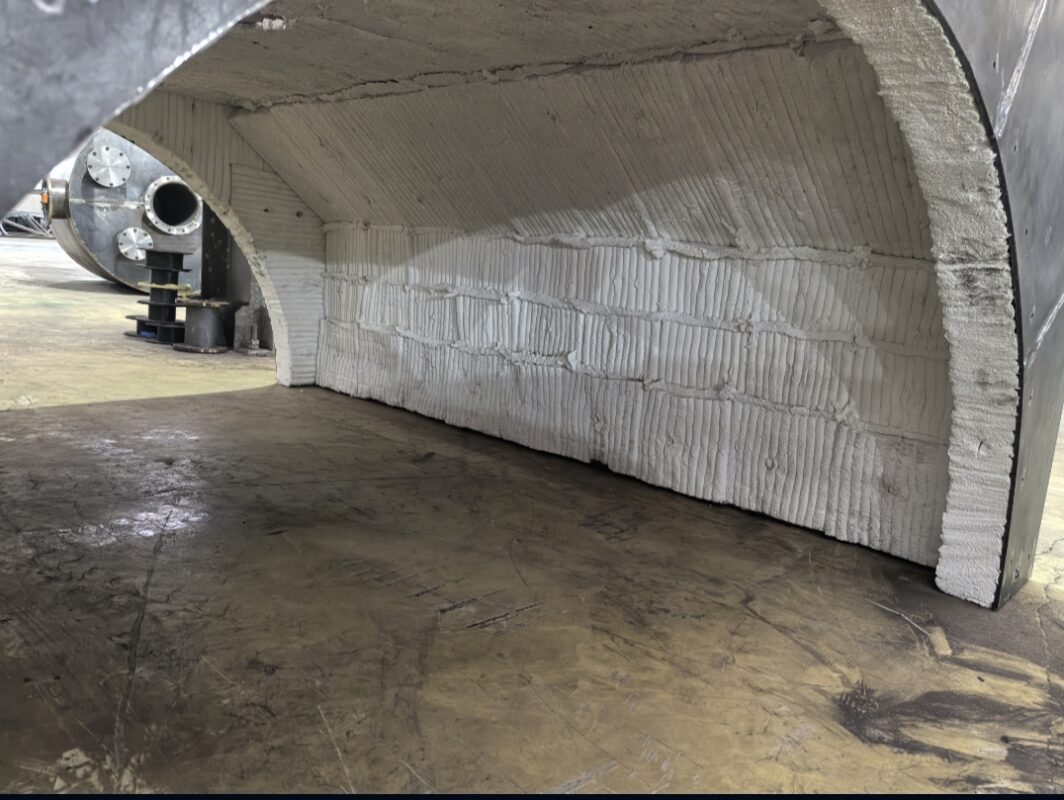
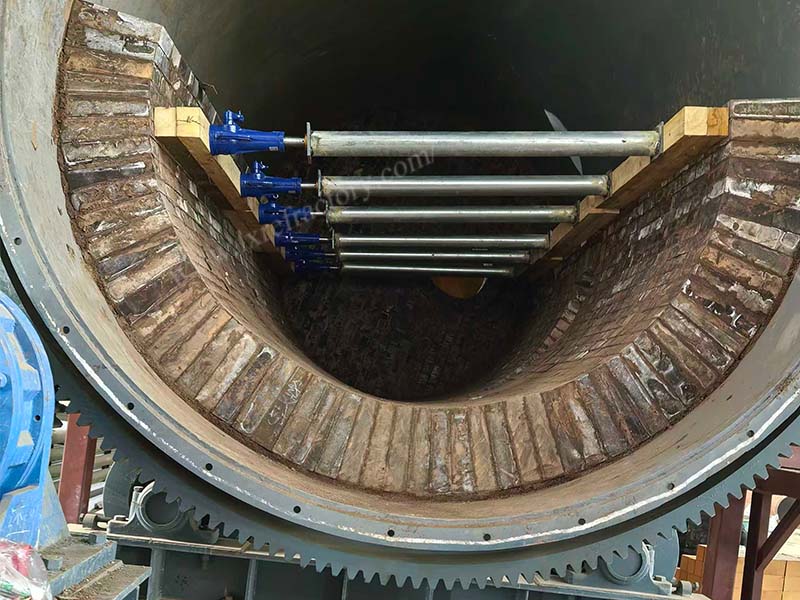
In addition to material selection, engineers are also responsible for designing effective refractory linings for industrial equipment. Proper lining design involves determining the correct thickness, shape, and layout of the refractory materials to optimize thermal performance, minimize heat losses, and ensure uniform heat distribution. Engineers must also consider factors such as anchoring systems, expansion joints, and sealing methods to accommodate the thermal expansion and contraction of the refractories during operation.
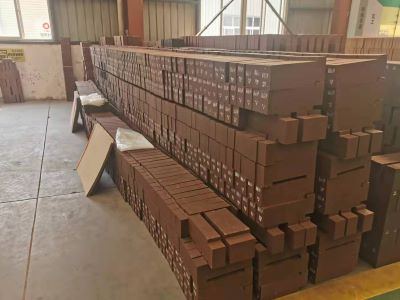
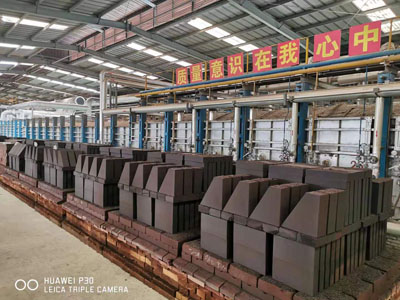
Fused rebonded magnesia-chrome bricks
Maintenance and Monitoring
Regular refractories require regular maintenance and monitoring to ensure their continued performance and integrity. Engineers are responsible for developing and implementing inspection and maintenance programs to identify and repair any damage or wear that may occur during operation. This may involve performing regular visual inspections, conducting thermal imaging surveys, and monitoring the condition of the refractory linings using non-destructive testing methods.
The fundamental properties and behavior of regular refractories, along with their proper selection, design, and maintenance, are critical aspects of industrial engineering. Engineers must possess a thorough understanding of regular refractories to ensure the reliability, safety, and efficiency of industrial processes that rely on these essential materials. With the right knowledge and expertise, engineers can effectively manage and optimize the performance of regular refractories in their respective industries.